The Difference Between Antlered and Antlerless Draws
Navigating Alberta's big game draw system can feel like trying to solve a Rubik's Cube blindfolded, especially when you're faced with the choice between "antlered" and "antlerless" tags. It's a common source of confusion, leaving many hunters scratching their heads about what to apply for, what their chances are, and how it impacts their hunting season. This comprehensive guide will peel back the layers of Alberta's special licence draws, helping you understand the crucial differences between antlered and antlerless opportunities, and how to make informed decisions for your next hunt.
Understanding Alberta's Draw System Fundamentals
Before we dive deep into the specifics of antlered versus antlerless, it’s really important to grasp the foundational principles that govern Alberta's draw system. Without this context, the specific types of draws can feel arbitrary and confusing. It's all about balancing hunter opportunity with sustainable wildlife management, which is a constant challenge for wildlife biologists and regulators alike.
Why Draws Exist in the First Place
You might wonder why we even have draws. Wouldn't it be simpler to just buy a tag over the counter for any animal you want? Well, the reality is that without a controlled system, certain species or populations in popular areas would be quickly over-harvested. Draws are a critical conservation tool, a way for Alberta Environment and Parks (AEP) to manage harvest levels for specific big game species like moose, elk, and deer in various regions. They help ensure that we don't put too much pressure on any one herd, especially for those highly sought-after mature animals. Think of it as a waiting list, where your patience, or more accurately, your priority points, eventually pay off. It ensures that opportunities are distributed over time and helps prevent a free-for-all that could devastate local wildlife populations. This management approach is vital for the long-term health of our wildlife and the sustainability of our hunting heritage.
The Role of Wildlife Management Units WMUs
Alberta is a vast province, with incredibly diverse landscapes ranging from rolling prairies to dense boreal forests and towering mountains. To effectively manage wildlife populations across this varied terrain, the province is divided into specific areas known as Wildlife Management Units, or WMUs. Each WMU has its own unique ecological characteristics, habitat types, and, most importantly, different wildlife population densities and herd health. This is why when you look at the regulations, the season dates and draw opportunities vary dramatically from one WMU to another.
For example, a WMU in the southern prairie might have excellent mule deer populations but very few, if any, moose. Conversely, a WMU deep in the boreal forest might be a moose hunting mecca but offer limited opportunities for elk or whitetail. The AEP sets specific harvest quotas and allocates special licences based on the biological data collected for each WMU. This means that a draw for an antlered moose in one WMU might have vastly different odds and season dates than an antlered moose draw just a few WMUs over. It's crucial to understand that your success in the draw, and ultimately your hunt, will largely depend on the specific WMU you choose to apply for. Knowing which WMU to apply for and why is a core part of becoming a successful Alberta hunter. You can often find detailed information about specific WMUs, including population trends and past draw success rates, through resources like the AEP hunting regulations or dedicated hunting apps such as GoHunt.
The Antlered Draw: Chasing the Trophy and Sustaining the Herd
For many big game hunters, the "antlered" draw is the holy grail. It represents the pursuit of a mature buck or bull, a challenging hunt, and often, a significant trophy. However, it's essential to understand what these draws truly represent from a biological and management perspective.
What "Antlered" Truly Means for Deer, Elk, and Moose
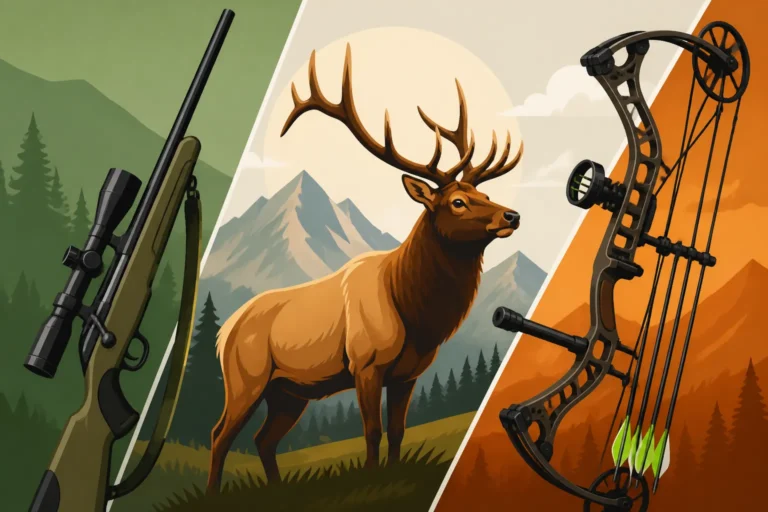
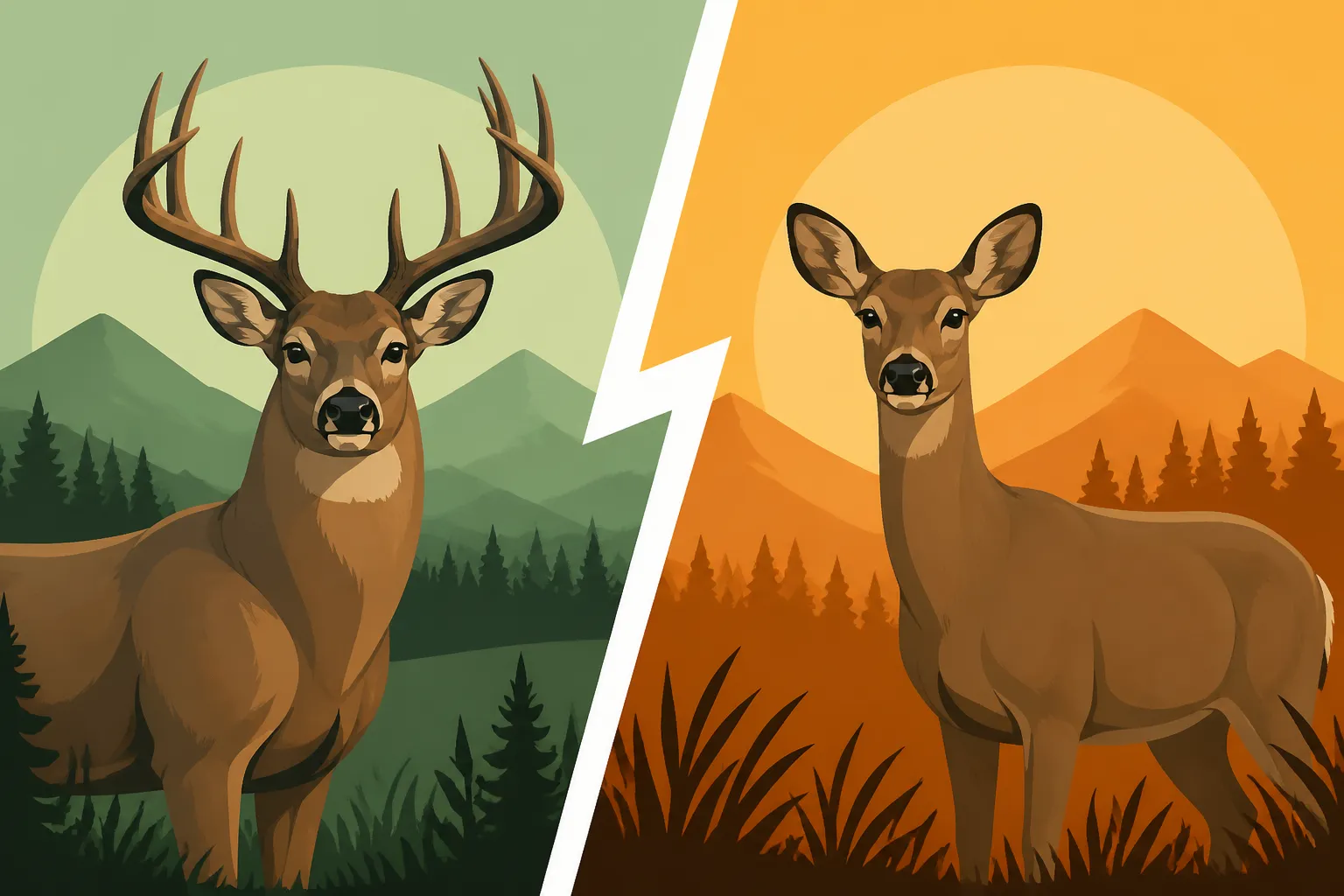
When we talk about an "antlered" draw, we're referring to a special licence that permits the harvest of a male animal that typically bears antlers. For deer, this often means a buck with antlers of a certain length or number of points, as specified in the regulations. For moose and elk, it refers to a bull. The specific legal definition of "antlered" can vary slightly by species and even by WMU, so always double-check the current hunting regulations. Generally, it refers to an animal where the antler extends beyond a certain length past its ear or has a minimum number of points on one side.
The reason these draws are so sought after is that they focus on the mature segment of the male population. These animals represent a genetic contribution to the herd and are often past their prime breeding years, or are simply redundant males. Harvesting them can help maintain a healthy population structure by removing older individuals, while still allowing younger, reproducing males to thrive. It's a delicate balance that ensures the long-term viability of the herd. For hunters, it's about the challenge and the experience of hunting a seasoned animal, often leading to a larger set of antlers – a testament to the animal's age and the hunter's skill. Many hunters dedicate years to building priority points for these highly coveted tags.
Strategies and Challenges of Antlered Draws
Applying for an antlered draw often feels like a long-term investment. Due to their popularity and limited availability, especially for top-tier WMUs known for producing large animals, you're usually looking at accumulating several priority points before you have a realistic chance of drawing a tag. This means you might apply for years, knowing your chances are slim in the early stages, but hoping that consistent application will eventually pay off. Understanding Alberta's Draw Priority Point System is absolutely critical here; it’s the currency of the draw system.
A common strategy is to apply for the most desirable antlered draws year after year to bank those points, even if you hunt general tags in the meantime. The challenge, of course, is patience. It can be frustrating to put in for a draw for five, ten, or even more years without success, but when that notification email finally hits your inbox, the excitement is unmatched. Hunters often spend countless hours scouting, reading Alberta Moose Draw Odds by WMU or looking at success rates on platforms like GoHunt to determine the best WMUs to commit their precious points to. This strategic planning is a cornerstone of successfully navigating the antlered draw system.
Managing Expectations and Priority Points
Let's be real: managing expectations is a huge part of the antlered draw experience. It's easy to get caught up in the dream of that monster buck or bull, but the reality is that drawing a tag, especially for the prime WMUs, is tough. Many hunters will accumulate a significant number of priority points before drawing a desirable antlered licence. For some species like mountain goat, it can take decades to draw a once-in-a-lifetime tag, while Alberta residents can buy a class 1 (trophy) sheep licence without entering a draw.
The key is to understand how your priority points function. When you apply for a draw and are unsuccessful, you gain a point. If you successfully draw a licence, your points for that species reset to zero. This system rewards persistence. It’s a good idea to research Minimum Points for a Popular WMU for your target species before you commit your application. Don't throw away points on a long shot if you could be putting them towards a more attainable draw if your goal is simply to hunt that species, rather than a specific trophy. Be strategic, be patient, and remember that even an unsuccessful draw application contributes to your long-term success in the system.
The Antlerless Draw: Population Control and Opportunity
While the antlered draw captures the imagination of many, the antlerless draw is equally, if not more, important from a wildlife management perspective, and offers fantastic hunting opportunities for those who understand its value.
Defining "Antlerless" Across Species
An "antlerless" special licence, as the name implies, allows for the harvest of an animal without antlers. For deer, this typically means a doe (female), but it can also include fawns (young deer of either sex) or even young male deer that haven't yet developed visible antlers or whose antlers haven't grown beyond a certain legal threshold. For moose and elk, an antlerless tag means you can harvest a cow (female) or a calf. The specific definitions and restrictions for antlerless animals are detailed in the Alberta hunting regulations, and it's absolutely vital to review them for your chosen WMU and species.
For instance, an antlerless whitetail tag usually means any female or fawn. An antlerless moose tag would allow a cow or calf, but generally not a spike bull whose antlers are still short and unbranched, unless specified otherwise. These draws are designed to target the female segment of the population, which is key to controlling overall herd numbers and health.
The Conservation Impact of Antlerless Harvests
Antlerless draws are a cornerstone of modern wildlife management. While antlered draws focus on selective harvest of males, antlerless draws are primarily used to manage the total population size of a species within a given WMU. Females are the reproductive engine of any herd. By issuing antlerless tags, wildlife managers can directly influence birth rates and overall population growth. If a deer, elk, or moose population is growing too rapidly, exceeding the carrying capacity of its habitat, or causing significant agricultural damage, antlerless draws are increased. Conversely, if a population needs to recover, antlerless draws might be reduced or eliminated for a few seasons.
This proactive management helps prevent overpopulation, which can lead to habitat degradation, increased disease transmission (like CWD, which is a significant concern in certain Alberta WMUs), and more conflicts with human populations (e.g., deer eating crops, elk raiding hay bales). Hunting antlerless animals is an ethical and necessary part of responsible wildlife conservation, contributing directly to the health and balance of the ecosystem. It's often where conservation meets opportunity, allowing more hunters to participate in big game seasons while directly supporting herd management objectives. Learning How Antlerless Deer Draws Are Allocated can shed more light on this important aspect of management.
Increased Odds and Alternative Hunting Experiences
One of the most appealing aspects of antlerless draws for hunters is the significantly higher odds of success. Because antlerless tags are typically more numerous and less competitive than antlered tags, especially for deer and elk, hunters often find they can draw a licence with fewer priority points, or even on their first attempt. This makes antlerless draws a fantastic option for new hunters, youth hunters, or anyone looking to get more time in the field with a big game tag in their pocket without waiting years.
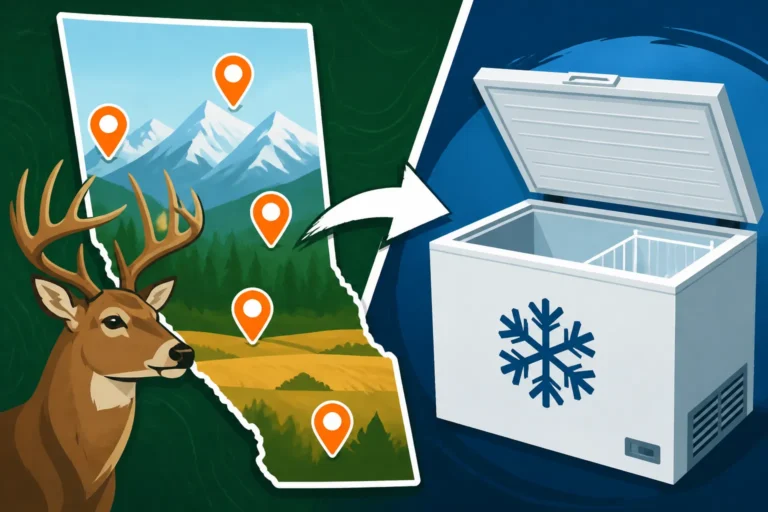
Furthermore, hunting antlerless animals often provides a different kind of challenge and a different focus. While the pursuit of a trophy animal is exciting, hunting antlerless focuses more on ethical harvest, meat acquisition, and the pure joy of the hunt itself. It can be a great way to fill your freezer with high-quality wild game meat. Many families rely on these tags for their annual meat supply. It also offers opportunities to hunt during different seasons or in WMUs that might not offer general antlered tags. For example, some WMUs have specific late-season antlerless opportunities that allow hunters to pursue deer when they are concentrated and easier to locate. This opens up entirely new strategies and experiences, moving beyond just chasing big racks.
Key Differences in Application and Season Structure
Understanding the fundamental distinctions between antlered and antlerless draws isn't just about what animal you can harvest; it also impacts how you apply, when you can hunt, and what it costs. These are practical differences that every hunter needs to be aware of.
Application Tactics for Antlered vs. Antlerless
The application process for special licences generally follows the same steps, but the tactics you employ will differ significantly depending on whether you're aiming for an antlered or antlerless tag. For antlered draws, especially for prime WMUs, the strategy is often to consistently apply to the same top-choice WMU to accumulate priority points. This can be a multi-year or even multi-decade commitment. Sheep are different: Alberta residents buy class 1 (trophy) sheep licences without a draw, and priority points only matter in the special WMU sheep draws. You might only apply for one or two such draws and use general tags for other species in the interim. Websites like GoHunt provide valuable data on draw odds, helping you strategize your priority point allocation.
For antlerless draws, the approach can be more opportunistic. Given the higher success rates, you might apply for multiple antlerless draws across different WMUs, or even for supplemental antlerless licences that become available after the main draws. If you're looking to get out hunting this year, an antlerless deer or elk tag often presents the best chance. You might choose to apply for an antlerless tag in a WMU where you know there are good populations, even if it's not known for massive antlers. This flexibility allows for more immediate hunting opportunities. Always consult How Alberta's Draw Application Works to ensure you're following the correct procedures.
Season Lengths and Timing Discrepancies
Another major difference lies in the season dates and lengths. Antlered seasons, particularly for prime opportunities, tend to be shorter and often align with specific periods like the rut, when animals are more active and visible. For example, a prime antlered whitetail draw might have a season that runs for just a couple of weeks in November, coinciding with the peak of the Hunting the Rut in Early November. This concentration of hunting effort into a short window requires focused scouting and often more intense hunting pressure during those specific dates.
Antlerless seasons, on the other hand, are often longer and can be spread across different times of the year, including late-season opportunities. This is again part of the management strategy to distribute hunting pressure and provide more flexible harvest opportunities. For example, many WMUs offer antlerless deer seasons well into December or even early January, long after the general antlered seasons have closed. These late-season hunts can be fantastic for filling the freezer, as deer are often concentrated due to cold weather and snow. These longer seasons mean more flexibility for hunters to schedule their trips, potentially fitting in multiple hunts or allowing for bad weather days.
| Feature | Antlered Draw | Antlerless Draw |
|---|---|---|
| Target Animal | Male with legal antlers (buck, bull) | Female or young (doe, fawn, cow, calf) |
| Primary Goal | Trophy opportunity, selective harvest of mature males | Population control, meat harvest, increased opportunity |
| Competition | High, often requires many priority points | Lower, higher draw odds, fewer points needed |
| Season Length | Often shorter, focused on peak activity (e.g., rut) | Generally longer, more flexible, often includes late seasons |
| Licence Cost | Typically similar to antlerless, but draw application fees apply | Typically similar to antlered, but draw application fees apply |
| Availability | Limited, specific WMUs, highly competitive | More abundant, wider range of WMUs, supplemental options |
| Draw Odds | Lower for desirable WMUs | Higher for most WMUs |
| Experience | Challenging, focused on trophy hunt | Focus on meat, family hunt, higher success probability |
Understanding Licence Costs and Eligibility
The cost of the actual special licence for an antlered or antlerless animal is generally the same for a given species. What does differ is the strategic investment in the draw application process itself. Each time you apply for a special licence, there's a small application fee, regardless of whether you draw or not. This fee contributes to the management of the draw system. For antlered draws, especially for high-demand species like elk or moose, you might be consistently paying this application fee for many years to build up your priority points. This can add up over time, even if the individual fee is small.
Eligibility for applying to draws is tied to holding an Alberta Wildlife Certificate and being an eligible resident or non-resident hunter, based on Alberta Resident Licence Options. While the basic eligibility requirements remain the same, some WMUs might have specific rules about what combination of draws you can apply for in a given year. It's crucial to check the regulations annually, as they can change. For instance, sometimes successfully drawing an antlered special licence might impact your eligibility for certain general tags in the same season. Make sure you understand When Hunting Licences Expire and when to renew your WIN card to keep your applications valid.
Combining Strategies: Maximizing Your Alberta Hunting Opportunities
Smart hunters don't just pick one type of draw; they often employ a combination of strategies to maximize their time in the field and their chances of success. It's about playing the long game for those coveted tags while also creating immediate hunting opportunities.
The Art of Stacking Applications
Stacking applications refers to a strategic approach where hunters apply for multiple draw opportunities in a single year to increase their overall chances of drawing something. This could mean applying for a high-priority antlered draw in your dream WMU (where your odds are low but you're banking a point), and also applying for one or more antlerless draws in WMUs where your odds are significantly higher. The goal is to maximize your chances of getting a special licence for the upcoming season, even if it's not your absolute top-tier choice.
For example, you might put in for an antlered moose draw in a northern WMU with a high priority point requirement, knowing it might take years. In the same draw period, you could apply for an antlerless whitetail draw in a more accessible WMU near home, where the odds are much better. If you don't draw the moose, you still have a good chance at the deer, guaranteeing you a special licence hunt for the year. This strategy helps mitigate the disappointment of striking out on a trophy draw while keeping you active in the system. Just be sure to understand How Many Draws You Can Apply For and any rules about drawing multiple licences for the same species.
General Tags and Draw Hunts: A Balanced Approach
Beyond special draws, Alberta also offers general tags for certain species and WMUs that don't require an application and can be purchased over the counter. This is where a balanced approach really comes into play. Many hunters will utilize general tags for species like whitetail deer or black bear as their primary hunting opportunity, while simultaneously applying for special draws for other species or specific antlered opportunities.
For instance, you might buy a general whitetail tag for Whitetail Hunting in Alberta in your local WMU, giving you a guaranteed hunt. At the same time, you might apply for an antlered elk draw in the foothills or an antlerless moose draw in the boreal forest. This way, you're not putting all your eggs in one basket. You have a plan for a general season hunt, and if a draw comes through, it's an added bonus. This strategy ensures you always have a place to hunt and a species to pursue, making your hunting season more robust and enjoyable. Remember to check Alberta General Licences Without a Draw to see what options are available.
Utilizing Data and Scouting for Success
Regardless of whether you're applying for an antlered or antlerless draw, success starts long before you ever fill out an application. It begins with diligent research and scouting. Hunters who consistently draw and harvest animals aren't just lucky; they put in the work. This means diving deep into the AEP hunting regulations, studying WMU maps, and analyzing past draw statistics. Services like GoHunt compile this data, offering insights into draw odds and success rates for various WMUs.
Beyond the numbers, actual boots-on-the-ground (or eyes-on-the-satellite-imagery) scouting is invaluable. Learning Scouting an Alberta WMU Before Season can provide critical information about game movement, habitat quality, and access points. For antlered draws, you might be looking for specific buck or bull sign, understanding their patterns and preferred bedding areas. For antlerless draws, you might be focusing on areas with high concentrations of animals, often near agricultural fields or specific water sources. The more you know about the WMU you're applying for, the better your chances of making a wise draw application and, ultimately, having a successful hunt.
Practical Advice for Navigating the Draw System
The Alberta draw system can seem like a beast, but with a bit of savvy and some solid advice, you can tame it. Here’s how to put yourself in the best position to succeed.
Researching WMU Success Rates
One of the most valuable pieces of information you can get your hands on is the historical success rates for specific WMUs. The Alberta Environment and Parks publishes draw results and success rates each year, detailing how many applicants applied, how many drew a tag, and how many priority points were typically needed to be successful. This data is gold. It helps you understand which WMUs are highly competitive for certain species and which offer more realistic opportunities.
For instance, if you're keen on an antlered whitetail and see that WMU X required 8 priority points last year, but WMU Y only needed 3 for an antlerless tag, that immediately informs your strategy. You can decide if you want to play the long game for WMU X or go for a higher-probability antlerless tag in WMU Y. This kind of research is especially important for Alberta's Special Licence Draws where competition is highest. Many dedicated hunters use this data as their primary guide when deciding where to put in their application each year. Don't skip this step – it's crucial for maximizing your draw odds!
Leveraging Online Resources and Tools
In today's digital age, there's a wealth of online resources available to Alberta hunters, and leveraging them can give you a significant edge. The official Alberta Environment and Parks website (albertarelm.com) is your primary source for regulations, draw application portals, and results. You absolutely need to be familiar with it. Beyond the official channels, there are numerous forums, social media groups, and specialized hunting platforms that offer detailed information and community support.
Mapping applications like OnX Hunt, BaseMap, or even Google Earth are invaluable for Reading an Alberta WMU Map Before You Go and understanding terrain, access points, and potential game habitat. Tools like these allow you to virtually scout areas, mark waypoints, and plan your approach before you ever leave home. Some commercial services, like GoHunt, also specialize in compiling draw statistics and offering predictive analytics for various draw systems, which can be particularly useful for navigating the more complex draws. Using a combination of official government resources and these supplementary tools will make you a much more informed and effective applicant.
The Importance of a Backup Plan
No matter how meticulously you plan or how many priority points you've accumulated, there's always a chance you won't draw your desired special licence. This is simply the reality of a competitive draw system. That's why having a backup plan is not just smart; it's essential for a stress-free and enjoyable hunting season. Your backup plan might involve targeting general season tags for species like whitetail deer or black bear that don't require a draw. These licences can be purchased over the counter, giving you a guaranteed hunting opportunity.
Another aspect of a backup plan could be to shift your focus to different WMUs or different species if your primary draw doesn't pan out. For example, if you applied for an antlered moose and didn't draw, perhaps there's a good antlerless elk opportunity in a nearby WMU that becomes available as a supplemental licence. Always keep an eye on When Alberta Draw Results Are Posted so you can react quickly. By having these alternatives in mind, you ensure that you'll still have a productive and exciting hunting season, even if your dream tag remains elusive for another year.
Disclaimer
The information provided in this guide is for general informational purposes only and does not constitute legal advice. Hunting regulations in Alberta are subject to change annually. Always consult the most current Alberta Hunting Regulations, available through Alberta Environment and Parks (AEP), before planning any hunt or applying for any licence. It is the hunter's responsibility to know and understand all applicable regulations.