Alberta’s Wild Boar Control Program
Alberta’s Wild Boar Control Program explains eradication efforts against invasive pigs damaging crops and native wildlife habitats.
Know what you’re after.
Big game, small game, upland birds, and waterfowl — identification, behavior, rut and migration timing, and how each species moves through the season.
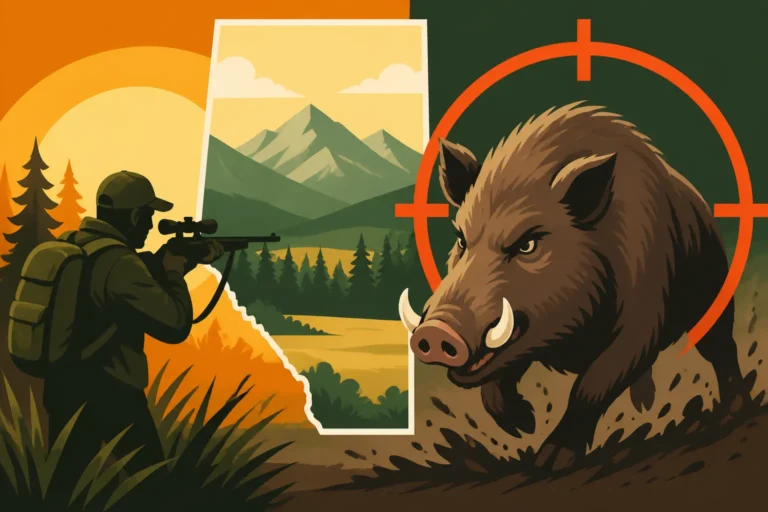
Alberta’s Wild Boar Control Program explains eradication efforts against invasive pigs damaging crops and native wildlife habitats.
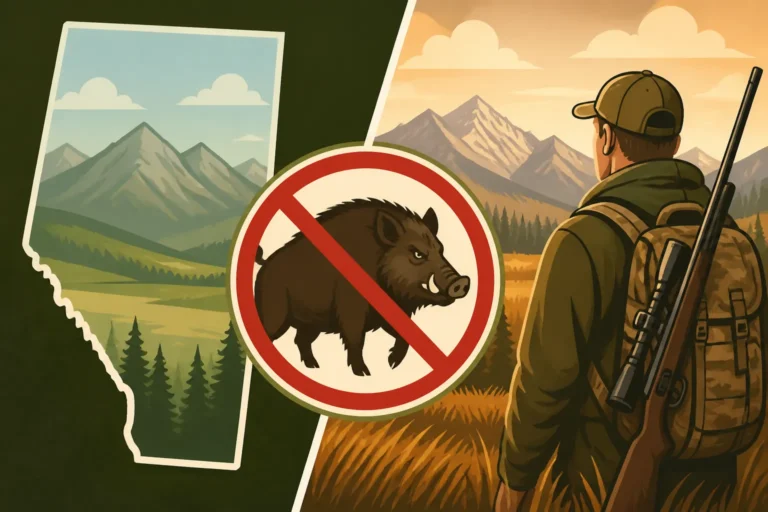
Wild boar populations roaming central and north-central Alberta present growing concerns for landowners and wildlife managers.
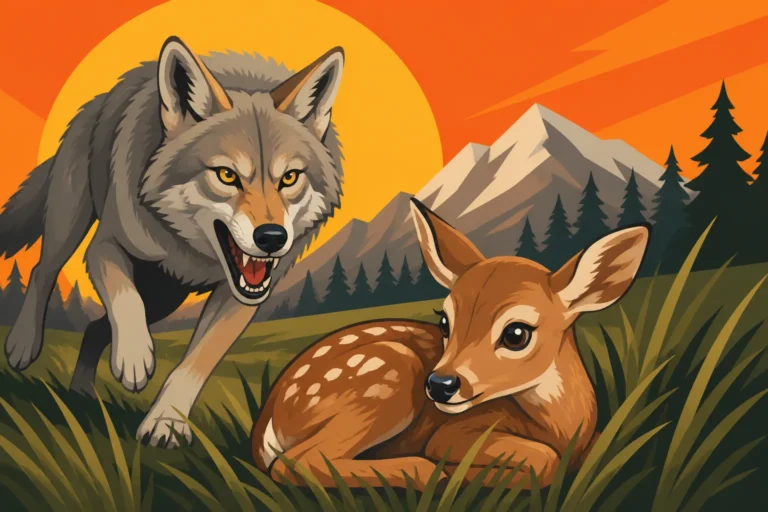
Coyotes in Alberta’s ecosystem and their hunting strategies explain how these adaptable predators impact newborn deer populations.
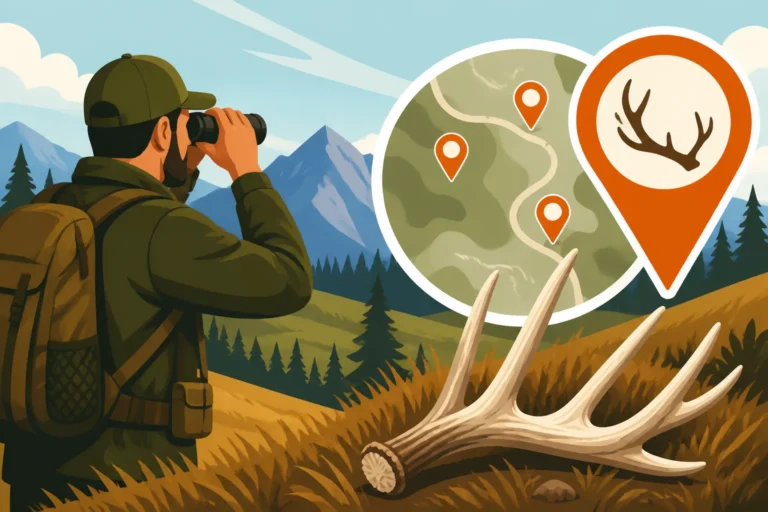
Alberta deer drop antlers from December through March while elk shed from late February into April across wintering grounds.
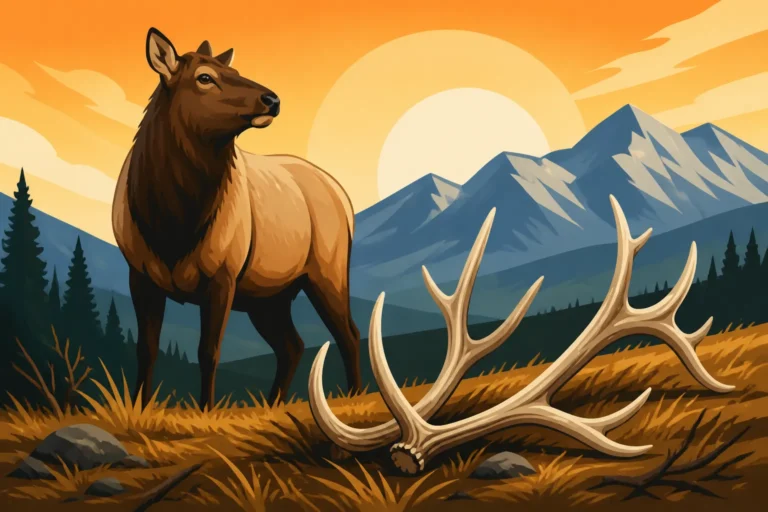
Alberta bull elk drop their antlers between February and April as testosterone levels decrease and body conditions shift.
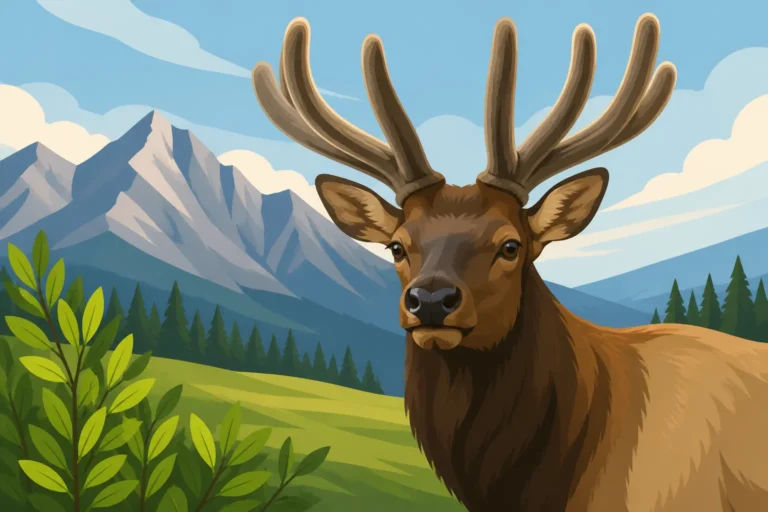
August velvet antlers on Alberta elk bulls appear thick, fuzzy, and reddish-brown from active blood flow beneath the surface.
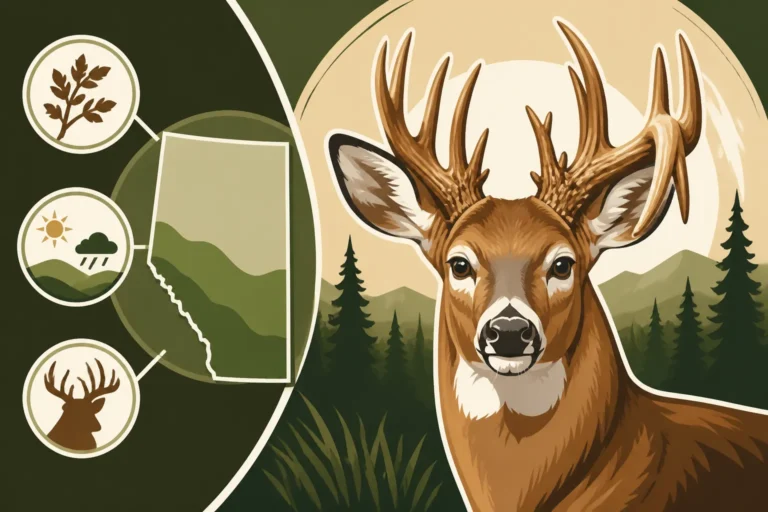
Alberta deer genetics, environment, and physical injuries cause unusual antler growth, creating unique drop tines and twisted points.
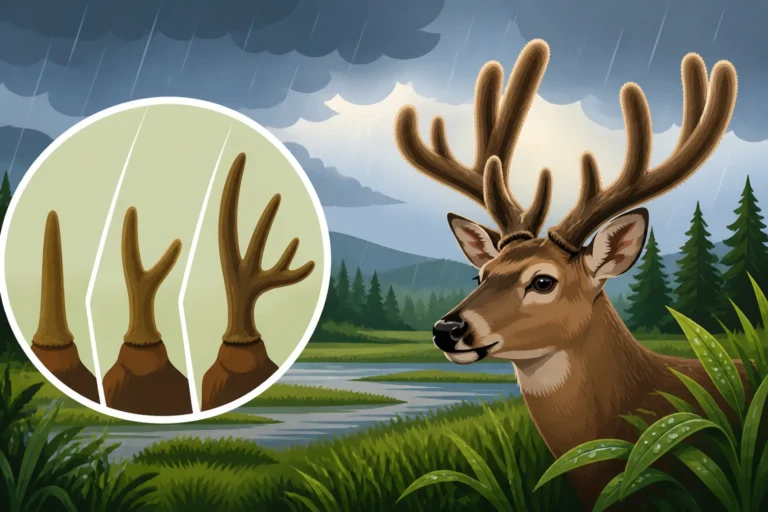
Abundant spring rainfall in Alberta improves forage quality and provides necessary minerals for deer and elk antler growth.
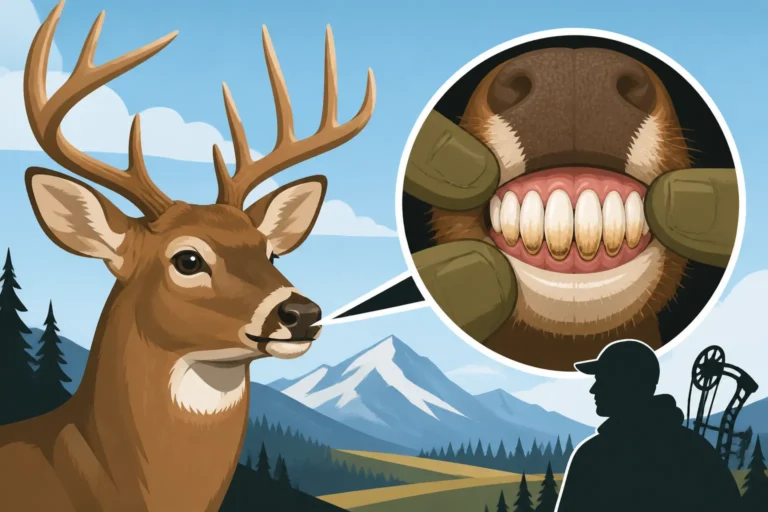
Deer tooth development, dental eruption sequences, and molar wear patterns explain how to accurately age a deer in the field.
Alberta whitetail deer antlers grow large due to abundant agricultural crops, native browse, and strong regional genetics.