Whether Alberta Has Wild Boar
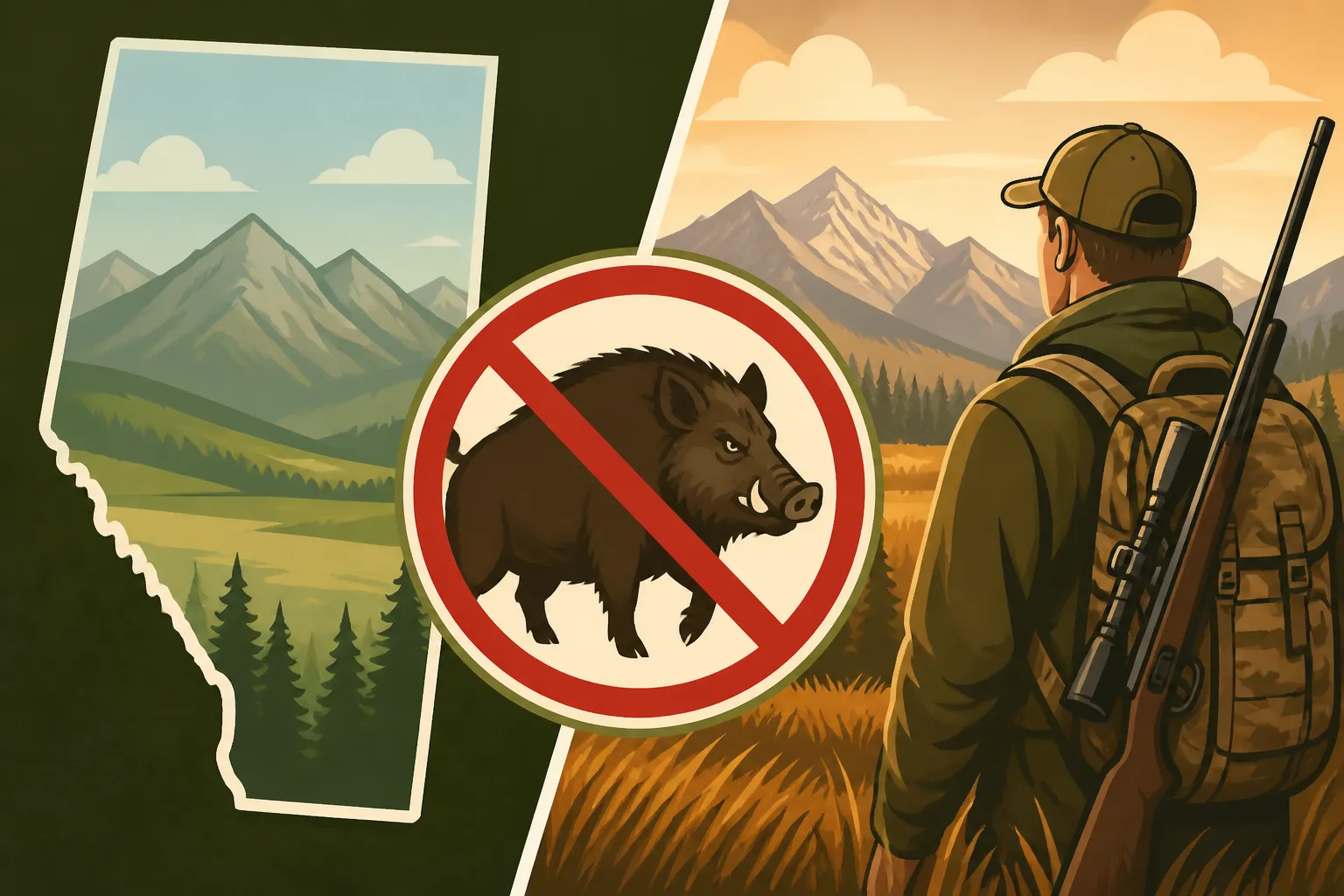
You're out scouting for deer, maybe near an old farmstead or a remote bush pocket in central Alberta, and you spot some suspicious rooting. Or perhaps you've heard the whispers, the 'sightings' from a buddy of a buddy who swears he saw something that just didn't look like a black bear or a domestic pig. The question inevitably surfaces: Does Alberta really have wild boar? The short answer is yes, they're here, and they're a growing concern for hunters, landowners, and wildlife managers alike. This guide is going to dig deep into the reality of wild boar in our province, explaining where they came from, why they're such a problem, and what's being done about them.
The Undeniable Presence: Yes, Wild Boar Are Roaming Alberta
For many years, the idea of wild boar roaming freely in Alberta felt like something out of a European hunting tale, or maybe a problem exclusive to our neighbours to the south. But the truth is, these incredibly resilient animals have established populations across various parts of our province. It's not a myth, it's a very real challenge, and if you haven't encountered them or their sign yet, it's increasingly likely you or someone you know will. Their presence is far more widespread and established than many might realize, turning from an isolated curiosity into an undeniable reality that demands attention.
From Farm Escapees to Feral Populations
The story of wild boar in Alberta isn't one of natural migration; it's a story of unintended consequences. These aren't indigenous animals. Their lineage traces back to European wild boar and domestic swine that were brought into the province decades ago for agricultural diversification, often for meat production or fenced hunting operations. These animals, hardy and intelligent, eventually escaped their enclosures. Whether it was through damaged fences, floods, or simply a lack of secure containment, once they were out, they proved remarkably adept at surviving and thriving in Alberta's diverse landscapes. Our climate, with its ample food sources and varied terrain offering cover, was surprisingly welcoming for these adaptable animals.
What makes them "wild boar" in the biological sense isn't necessarily their pure European lineage, but rather their feral nature. These are domestic pigs, or hybrids of domestic and European wild boar, that have reverted to a wild state. Over generations in the wild, they shed many of the traits of their farm-raised ancestors. They grow thicker coats, develop larger tusks, become much more aggressive, and adapt incredible survival instincts. This rapid evolution into a feral state has allowed them to colonize new areas, forming self-sustaining and ever-expanding populations, particularly in the central and north-central regions of Alberta where a mix of agriculture and bush provides ideal habitat. They've found niches in everything from aspen parkland to dense boreal forests.
Identifying Wild Boar Sign in the Field
Knowing that wild boar are out there is one thing; actually spotting them or their sign is another. These animals are notoriously secretive, often nocturnal, and incredibly wary. They're not like a whitetail deer that might stand broadside in an open field. Wild boar prefer dense cover and will use it to their advantage, making direct observation challenging. However, they leave behind very distinctive calling cards that, once you know what to look for, can confirm their presence in an area.
The most common and impactful sign you'll encounter is rooting. Wild boar are omnivores with powerful snouts, and they use them to literally "plow" through the soil in search of roots, tubers, grubs, insects, and anything else edible. This rooting behavior leaves behind disturbed patches of ground, often looking like someone took a rototiller to a field, forest floor, or even your meticulously kept lawn. The soil will be overturned, creating distinct furrows and craters, which can range from small disturbed areas to vast expanses of torn-up earth. This is distinctly different from the shallower digging you might see from a skunk or the more specific scrapes of a bear. If you're using a scouting app like GoHunt to analyze aerial imagery before hitting the field, look for irregular patterns of disturbed soil in agricultural fields or along forest edges. You might also want to consult Scouting With Satellite Imagery in Alberta to better understand how to interpret these signs from above.
Beyond rooting, look for wallows. Boar love to roll in mud and water, especially on hot days or to rid themselves of parasites. These wallows are typically shallow depressions filled with muddy water, often found near creek beds, sloughs, or low-lying areas. Trees or fence posts nearby might show rub marks, as boar will scratch themselves after a good wallow, leaving mud and hair behind. Their tracks are also identifiable: cloven hooves, similar to deer, but typically rounder and wider, with the dewclaws often showing in the print, especially in softer ground. Unlike deer or elk, their stride tends to be shorter and their gait often appears less refined due to their stocky build. When you're Reading Whitetail Sign in Alberta Aspen Bluffs or Hunting a Frozen Slough Crossing, keep an eye out for these subtle differences.
| Sign Type | Description | Key Differentiating Factors |
|---|---|---|
| Rooting | Extensive, deep soil disturbance, like a rototiller has been through. | Much deeper and more widespread than skunk digging; distinct from bear digs which are often focused on individual food sources. |
| Wallows | Muddy depressions where animals have rolled. | Often near water sources; typically larger and deeper than a small animal's mud bath. |
| Rub Marks | Mud and hair on trees, fence posts, or rocks. | Lower to the ground than most bear rubs; hair is coarse and dark, not soft like deer or shaggy like bear. |
| Tracks | Cloven hoofprints, rounder and wider than deer, dewclaws often visible. | Dewclaws almost always register in mud or snow; print is stockier, less elongated than deer. |
| Scat | Varies widely with diet; usually pellet-like when feeding on vegetation. | Can resemble deer scat but often larger and more irregular; very dark and dense when rich in protein (insects, carrion). |
A Booming Problem: Why Feral Swine Are a Major Threat
It's tempting for some to see wild boar as another game animal, a potential new hunting opportunity. But the reality is far more serious. These aren't just another species; they are an invasive, destructive force with the potential to wreak havoc on Alberta's ecosystems, agriculture, and native wildlife populations. Their prolific breeding, combined with their incredible adaptability and intelligence, makes them a nightmare to manage. They are, quite simply, a problem that grows exponentially.
Ecological Damage and Habitat Destruction
The ecological footprint of wild boar is incredibly damaging. Their incessant rooting behavior, while helping them find food, devastates natural habitats. They tear up vast tracts of grasslands, forest floors, and wetlands, destroying native vegetation and disrupting delicate ecosystems. Imagine a herd of these animals moving through a prime Hunting a Beaver Meadow in the Boreal or a pristine Hunting a Cypress Hills Timber Pocket, turning it into a pockmarked, churned-up mess. This not only destroys existing plant life but also creates opportunities for invasive weeds to take hold, further altering the landscape. The soil disturbance can lead to increased erosion, especially along waterways, impacting water quality and fish habitats. They also directly compete with native wildlife for critical food sources, particularly during lean times. Deer, elk, and even bears rely on roots, tubers, and insects that the boar also consume, leading to direct competition and potential stress on native populations.
Beyond the rooting, wild boar will prey on ground-nesting birds, their eggs, and even small mammals. They can disturb fawning and calving areas, potentially leading to increased stress or predation on vulnerable young ungulates. While they aren't primarily carnivores, they are opportunistic and will eat almost anything, including carrion, which can contribute to the spread of disease. Their heavy presence can also degrade water sources through wallowing and waste, making them less suitable for other species. This isn't just a nuisance; it's a fundamental disruption of the ecological balance that our native species depend on.
Disease Transmission Risks
Perhaps one of the most terrifying aspects of feral swine populations is their potential as vectors for disease. Wild boar are notorious carriers of a range of pathogens that pose significant threats to both domestic livestock and native wildlife. Diseases like Porcine Epidemic Diarrhea (PED), Pseudorabies (PRV), and Swine Brucellosis can be devastating to commercial pig farms, leading to massive economic losses. The nightmare scenario is the introduction of African Swine Fever (ASF), a highly contagious and often fatal disease for domestic and wild pigs, which would decimate Alberta's pork industry and feral populations alike. While not currently present in North America, the risk of its introduction, and subsequent spread by feral swine, is a constant and terrifying concern for veterinarians and agricultural experts.
These diseases don't just stop at pigs. Some can be transmitted to other wildlife, including deer, moose, and elk, although the impact on these species can vary. For hunters, this also presents a potential risk. While generally rare, some diseases carried by boar can be zoonotic, meaning they can jump to humans, particularly through handling infected meat or direct contact. This is why strict meat handling protocols and cooking temperatures are always advised, and why understanding the health of any game you harvest is paramount. The mere presence of feral swine complicates wildlife management and public health, adding another layer of concern for everyone who enjoys or works in Alberta's outdoors. This is part of the crucial information covered in Alberta's CWD Testing Requirements, as proper disease management is critical for all game animals.
Prolific Breeders and Rapid Spread
If wild boar were slow breeders, their impact might be easier to manage. But they are anything but. These animals are incredibly prolific, capable of breeding year-round and producing multiple litters in a single year. A sow can become sexually mature at a very young age and can have litters averaging 4-8 piglets, sometimes more, up to two or three times a year under ideal conditions. This translates to an exponential population growth rate that is almost unmatched by any other large mammal in Alberta. What starts as a small group of escapees can quickly balloon into hundreds, then thousands, in a remarkably short period.
Their reproductive success is further amplified by their intelligence and adaptability. Wild boar can thrive in a wide range of habitats, from dense bush to agricultural fringe areas. They learn quickly to avoid perceived threats, making traditional hunting methods often ineffective for significant population control. Their mobility allows them to spread rapidly into new areas, often following river corridors or moving between patches of cover. This makes containment incredibly difficult. One season, you might hear reports of them being in one WMU, and by the next, they've expanded into adjacent areas, making them a moving target for any management efforts. This rapid spread is precisely why the issue is so challenging and why early, aggressive intervention is critical, as detailed in Alberta's Wild Boar Control Program.
Alberta's Fight Against Feral Swine
Given the severe threats posed by wild boar, Alberta is not sitting idly by. There are dedicated efforts underway to monitor, control, and ultimately eradicate these invasive pests. The approach is multi-faceted, involving government agencies, landowners, and a plea for public cooperation. It's a challenging battle, but one that is absolutely necessary to protect Alberta's natural resources and agricultural industry.
Monitoring, Control, and Eradication Efforts
Alberta's strategy for dealing with wild boar is not about managing them as a game species; it's a dedicated effort to eliminate them. This is a critical distinction. The province implements what's often referred to as a "seek and destroy" mandate, meaning the goal is complete eradication, not just population reduction. Various government programs are in place, often involving specialists who deploy a range of sophisticated control methods. Trapping is a primary tactic, using large, often remotely monitored traps to capture entire sounders (groups of boar) at once. This "whole sounder removal" is considered the most effective way to address populations, as leaving even a few individuals behind can lead to rapid recovery. In some extreme situations, aerial culling might be considered, though this is often reserved for very specific, large-scale infestations in remote areas.
Public reporting plays a vital role in these efforts. Landowners and hunters are urged to report any sightings of wild boar or their sign. This data helps wildlife managers track their spread, identify hotspots, and deploy control measures more effectively. You can use resources like GoHunt to understand game distribution and potentially identify areas where boar might be, but for actual sightings, direct reporting to provincial authorities is crucial. The provincial government often has dedicated hotlines or online portals for reporting these animals, ensuring that the information goes directly to the teams responsible for management. This collaborative approach is essential because these animals are so elusive and widespread.
The Role of Hunters and Landowners
The role of hunters in the fight against wild boar is often misunderstood and can be a point of contention. While many hunters might see a new quarry, the provincial approach actively discourages sport hunting of wild boar. The reasoning is sound: recreational hunting, particularly individual efforts, can actually make the problem worse. When boar are hunted sporadically, survivors become even warier and more nocturnal, scattering into smaller, harder-to-find groups. This makes the "whole sounder removal" strategy, which is the most effective eradication method, significantly more difficult. In essence, traditional hunting pressure can "educate" the pigs, making them harder to trap or remove comprehensively. Therefore, the primary role of hunters is to be diligent observers and reporters. If you encounter wild boar while Hunting Alberta's September Archery Opener or Hunting Mule Deer After a Snowfall, the best course of action is to report the sighting with as much detail as possible (location, number of animals, direction of travel).
Landowners, however, are often on the front lines of the issue, dealing directly with crop damage and ecological destruction. They have a more direct role in active control measures on their own property, often working in conjunction with provincial programs. Asking an Alberta Landowner for Permission to access their land is not just about hunting other game; it's also about building relationships that can help identify and address wild boar issues if they arise. Landowners are often crucial partners in setting up traps and providing access for control teams. Understanding the Alberta Trespass Act and Hunting is vital here, as any actions on private land require permission. The provincial government recognizes the burden on landowners and may offer support or coordinate removal efforts. This collaborative effort between land managers, wildlife agencies, and an informed public is the only way to effectively tackle the widespread and destructive presence of wild boar in Alberta.
Disclaimer
This article is for general informational purposes only and does not constitute professional advice. Laws, prices and regulations vary by location and change over time. Consult a qualified professional for guidance on your specific situation.