Alberta Trespass Act and Hunting
One of the most anxiety-inducing parts of hunting in Alberta, especially for those new to the game or venturing into new areas, is the constant worry about land access. It’s a genuine frustration, constantly second-guessing if you’re on public ground or if you’ve somehow strayed onto private property where you shouldn't be. This guide is here to untangle the complexities of the Alberta Trespass Act and explain exactly what it means for hunters, helping you navigate the landscape with confidence and respect.
Understanding Alberta's Trespass Act
The Alberta Trespass Act is designed to protect landowners' rights and ensure that individuals do not enter or remain on private property without permission. For hunters, this legislation is paramount, as much of Alberta's productive hunting ground, particularly in the White Area (privately owned land), falls under its jurisdiction. Getting this wrong isn't just a minor infraction; it can lead to significant legal consequences and a black mark on your hunting record.
What Constitutes Trespassing in Alberta?
At its core, trespassing in Alberta is defined as entering private property without explicit or implied permission from the landowner or occupier. This might seem straightforward, but in the sprawling landscapes we hunt, it can get nuanced. For instance, just because a gate is open, or a fence is down, does not imply permission. The onus is entirely on the hunter to confirm they have legal access before stepping foot on the land. We’ve all been there, standing at a fence line, squinting at a map, trying to figure out if that next quarter section is fair game or forbidden. It's a valid concern, and ignoring it is simply not an option.
Understanding the difference between explicit and implied permission is key. Explicit permission is clear and direct, like a verbal "yes" from the landowner or a signed written agreement. Implied permission, on the other hand, is much rarer and usually applies to situations like delivery personnel approaching a house. For hunting, you should never rely on implied permission; always seek explicit consent. The law is clear: if you don't have permission, you're trespassing, regardless of your intent or whether you saw a sign.
The Role of Signs and Posting
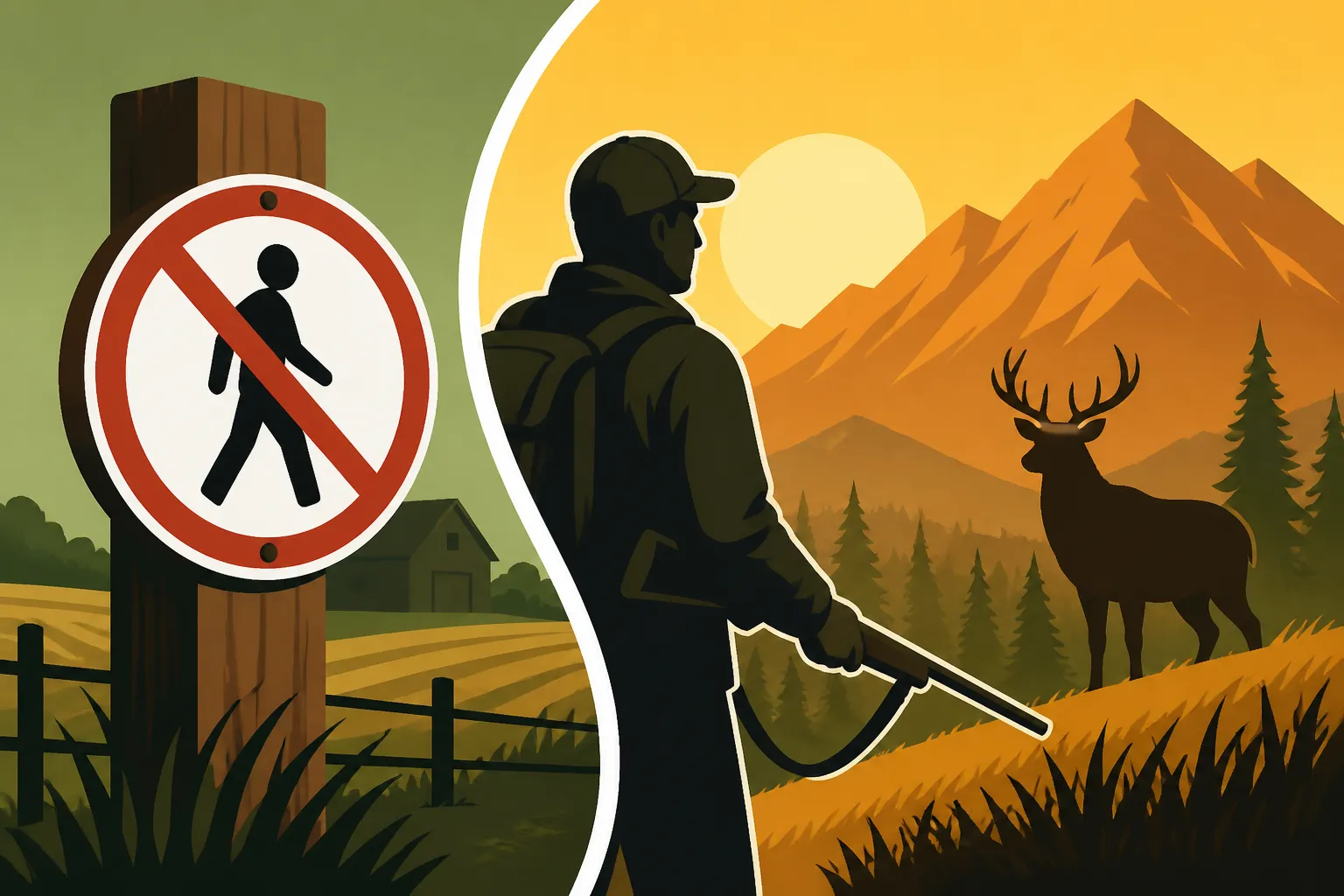
While not legally required for land to be considered private, signs and posting play a significant role in communicating a landowner's wishes. When land is "posted" with "No Trespassing," "Private Property," or "No Hunting" signs, the message is undeniable: stay out. These signs serve as a clear warning, removing any doubt about the property's status. Ignoring such signage is a direct violation of the Trespass Act and can lead to more severe penalties. It's not uncommon to see these signs on prime agricultural land or even around smaller bush pockets bordering fields, especially where there's been historical pressure from hunters.
However, it’s crucial to understand that even if there are no signs whatsoever, the land is still considered private property unless it is legally designated Crown land or another form of public access. Many hunters mistakenly assume that un-fenced or un-posted land is fair game, but this is a dangerous misconception. Always assume private until you can confirm otherwise. This proactive approach is your best defense against inadvertently breaking the law. Remember, ignorance of the law is no excuse. Always make it your mission to confirm ownership and permission, whether you're looking for a good spot for Hunting a Standing Canola Field Edge or considering access to a remote patch of bush.
Navigating Private Land for Hunting Access
Gaining access to private land for hunting in Alberta is often the golden ticket to a successful season, but it requires a strategic and respectful approach. Many of Alberta's biggest bucks and bulls call private land home, which means developing positive relationships with landowners is invaluable.
The Importance of Seeking Permission
Seeking explicit permission from landowners is not just a legal requirement; it's the foundation of ethical hunting and a cornerstone of maintaining good relationships between hunters and rural communities. Imagine being a farmer or rancher; your land is your livelihood and your home. Having strangers enter without asking is, understandably, a major point of contention. A simple conversation can bridge that gap. We've compiled a comprehensive guide on Getting Private Land Permission in Alberta that walks you through the process.
When you approach a landowner, whether in person, by phone, or through other means, be polite, respectful, and prepared. Clearly state who you are, what you're hoping to hunt, when you'd like to hunt, and that you understand and will respect their property and rules. Offer to share contact information and assure them you'll treat their land as if it were your own. Many landowners appreciate a hunter who shows respect and responsibility, and a "no" today might turn into a "yes" next year if you leave a positive impression.
Modern tools can help facilitate this. Mapping apps, like those provided by GoHunt or similar services, can sometimes offer landowner information, allowing you to reach out directly. While these tools are fantastic for research, nothing beats a face-to-face conversation. Building that personal rapport can open doors that simply looking at a map never will. Don't be shy about Knocking on Doors in Alberta Farm Country; it's often the most effective way to secure access.
Distinguishing Between Private and Public Land
One of the biggest headaches for hunters is telling the difference between private and public land, especially in areas where property lines can be unclear or not clearly marked. This ambiguity is a significant source of stress and contributes to unintentional trespassing. Alberta's landscape is a mosaic of deeded (private) land, Crown land (public), and various other designations like grazing leases or Indigenous lands, each with its own access rules. Understanding this distinction is fundamental to staying legal.
Tools like the Alberta government's Using Alberta's Recreational Access Mapping Tool are invaluable resources. These online maps overlay property boundaries, helping you identify Crown land, private parcels, and grazing leases. Specialized hunting apps, including offerings from GoHunt, also provide detailed land ownership data that you can use right in the field. This technology has revolutionized how hunters can scout and navigate, significantly reducing the guesswork. Always confirm the most up-to-date information, as property lines or access rules can sometimes change. Even with these tools, it's wise to carry a physical map and compass as a backup, especially when exploring areas like the Alberta's Wildlife Management Units that might have spotty cell service.
| Land Type | Access Requirement | Best Practice | Potential Consequences of Trespass |
|---|---|---|---|
| Deeded Private Land | Explicit permission from landowner | Always ask, even if un-fenced. Get contact info for future hunts. | Fines, licence suspension, equipment seizure, charges |
| Crown Land (General) | Generally open for hunting, subject to regulations | Confirm boundaries with mapping tools. Respect other users. | Violations of specific Crown land rules (e.g., OHV use) |
| Grazing Lease | Permission from leaseholder and potentially owner | Contact the leaseholder first. Clarify any specific rules. | Fines, loss of access. |
| Posted Private Land | Explicit permission from landowner | Do not enter under any circumstances without direct, clear permission. | Higher likelihood of enforcement and penalties |
Legal Ramifications and Hunter Responsibilities
The Alberta Trespass Act isn't just a suggestion; it carries real legal weight, and violating it can have serious repercussions for hunters. It's not a risk worth taking, especially when a little planning and respect can avoid all the trouble.
Penalties for Trespassing While Hunting
The penalties for trespassing in Alberta can range from substantial fines to more severe consequences, depending on the nature and severity of the offense. For instance, initial fines for trespassing can be hundreds of dollars, but repeat offenses or aggravating factors (like damaging property, hunting without permission, or ignoring posted signs) can escalate quickly. Under the Trespass Statutes (Property Rights Protection) Amendment Act, landowners have more power to deter and deal with trespassers. This means the province takes these violations seriously.
Beyond monetary fines, you could face administrative penalties from Alberta Environment and Parks, which might include the suspension or cancellation of your Alberta's WIN Card and Wildlife Certificate, meaning you lose the privilege to hunt in Alberta for a period. In extreme cases, hunting equipment (firearms, bows, vehicles) could be seized. Furthermore, a conviction for trespassing can impact your ability to cross international borders, particularly into the United States, as it can be considered a criminal offense. Always educate yourself on Alberta Penalties for Hunting Violations, as they can be steeper than many realize. It's a costly lesson to learn, both financially and in terms of your reputation as a responsible hunter.
Retrieving Game from Private Land
One of the most stressful scenarios a hunter can face is when wounded game crosses onto private land where they don't have permission. Your instinct might be to pursue the animal to ensure a humane harvest and recover your meat, but legally, you must still seek permission before entering that private property. Entering without permission, even to retrieve downed game, is still trespassing. This particular situation often leads to intense frustration, as you feel a moral obligation to recover the animal.
The best way to handle this is proactively. If you're hunting near private land, try to secure permission before you hunt, specifically discussing what to do if an animal crosses the property line. If it happens unexpectedly, immediately contact the landowner. Explain the situation calmly and respectfully, emphasizing your desire to recover the animal humanely. Offer to retrieve it quickly and efficiently, perhaps even offering to field dress it right where it fell to minimize disturbance. This is where good landowner relations become invaluable. Many landowners, when approached respectfully, will grant access for game retrieval. However, if they refuse, you must respect their decision and contact Fish and Wildlife Enforcement for guidance. They might be able to assist in retrieving the animal, or at least document the situation, preventing further issues.
Using Technology for Land Access
In today's hunting world, technology is an indispensable ally in navigating land access. Apps like GoHunt, onX Hunt, and the Alberta government's own access tools have transformed how hunters can confidently identify property boundaries. By utilizing these platforms, hunters can clearly see where Crown land begins and private property ends, often with colour-coded maps and GPS tracking. This foresight allows you to plan your hunt routes, identify potential access points, and avoid unintentional boundary crossings. For example, when you're Reading Alberta's Crown Land Layers on onX, you can pinpoint those small, huntable pockets of public land surrounded by private parcels.
While technology is powerful, it's not foolproof. GPS signals can be lost, batteries can die, and maps might not always be perfectly up-to-date. Always carry a backup, whether it's a downloaded offline map or a traditional paper map and compass. Furthermore, remember that the map shows boundaries, but it doesn't give you permission. It’s your responsibility to use these tools to identify private land, and then, if necessary, seek the required permission. Combining the power of these apps with respectful in-person conversations is the most effective strategy for ethical and legal hunting in Alberta.
Disclaimer
The information provided in this article is for general guidance only and does not constitute legal advice. Hunting regulations and trespass laws in Alberta can change, and interpretations may vary. It is the responsibility of every hunter to consult the most current Alberta Hunting Regulations, the Alberta Trespass Act, and any other relevant provincial and federal legislation to ensure full compliance. Always confirm land access with landowners or authorities before hunting.