Getting Private Land Permission in Alberta
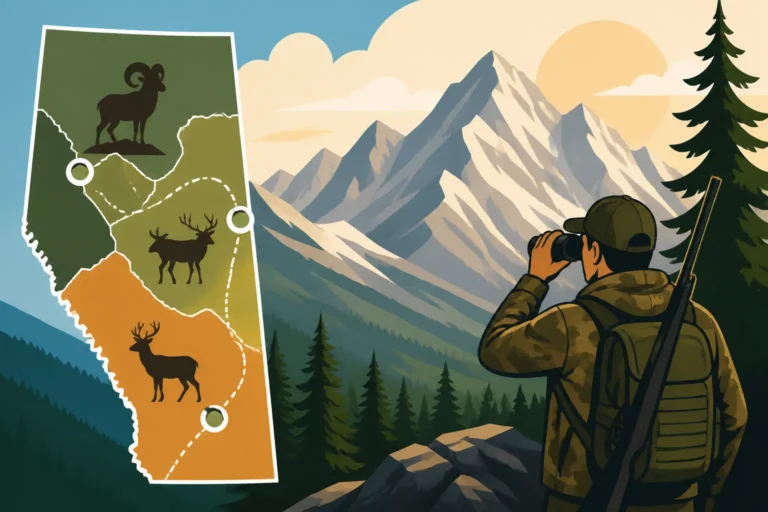
Navigating the world of private land for hunting in Alberta can feel like trying to solve a complicated puzzle, especially when you see prime habitat behind barbed wire fences and wonder how anyone ever gets access. It's a common frustration for many hunters, feeling like the best spots are always out of reach, but with the right approach and a solid understanding of the local landscape, gaining private land permission is absolutely achievable. This guide is here to walk you through the nuances of securing access to those coveted private parcels, from understanding the legalities to mastering the art of a respectful request, helping you unlock new hunting opportunities.
Understanding Alberta's Private Land Access Laws
It's easy to get discouraged when you see "No Trespassing" signs everywhere, but before you even think about approaching a landowner, it's absolutely crucial to understand the legal framework governing private land access in Alberta. This isn't just about avoiding trouble; it's about showing respect for the law and, by extension, for the landowners whose properties you hope to hunt. Knowing the rules demonstrates that you're a responsible hunter, and that goes a long way in building trust. Ignoring these laws, even unknowingly, can not only lead to fines and loss of hunting privileges but also burn bridges for all hunters in that area.
The Trespass Act and What It Means for Hunters
In Alberta, the Trespass Act is quite clear: you need permission to be on private land. It's not like some other jurisdictions where unposted land might be considered open for public access. Here, the default is that land is private, and entry requires explicit consent from the owner or occupier. This means that every single time you step foot on someone else's property, whether it's a small parcel bordering Crown land or a vast ranch, you need to have asked and received permission. This isn't just a courtesy; it's a legal requirement. Failure to obtain permission is considered trespassing, and it can carry significant penalties, including fines.
For hunters, this means that assumption is your enemy. Never assume a field or a bluffy quarter section is okay to hunt just because you don't see a sign. Always operate under the assumption that it's private and that you need to speak with the owner. This proactive approach not only keeps you legal but also builds a positive reputation for hunters in general. Landowners talk, and a reputation for respecting private property is invaluable, potentially opening doors for future access. Understanding Alberta Trespass Law and Posted Land is the first step in responsible hunting.
Landowner Rights vs. Hunter Responsibilities
Landowners in Alberta have fundamental rights to control who accesses their property, for what purpose, and when. This includes the right to refuse access, to revoke permission at any time, and to set specific conditions for entry. For hunters, this translates into a clear set of responsibilities. Your primary responsibility is to seek and obtain explicit permission before you enter private land. This permission should cover the specific activity (hunting), the specific area, and the timeframe. It's also your responsibility to understand and abide by any conditions the landowner sets, such as staying away from certain fields, avoiding specific times of day, or sticking to designated access points.
Beyond legal obligations, there's an ethical responsibility to treat the landowner's property as if it were your own, or even better. This means closing gates, not driving on wet fields, being mindful of livestock, and generally leaving no trace of your presence other than the tracks of your boots. Remember, you are a guest, and a good guest respects the host's rules and property. Landowners often have legitimate concerns about property damage, livestock disturbance, or even safety, and addressing these concerns through your responsible actions can make all the difference. Respecting these boundaries helps ensure future access for yourself and for other hunters.
Posted Land and "No Hunting" Signs
While the Trespass Act dictates that all private land requires permission, signs are still a common and clear way for landowners to communicate their wishes. "No Trespassing," "No Hunting," or "Private Property" signs serve as explicit warnings. If you see such a sign, it means the landowner does not want uninvited guests, and certainly not hunters. Respect these signs without question. Even if you feel you have a compelling reason to enter, such as retrieving wounded game, you must still seek permission first. Ignoring a sign is a direct affront to the landowner's wishes and a clear violation of the law.
Conversely, the absence of a sign does not imply permission. This is a critical point that many new hunters misunderstand. Just because a fence line isn't plastered with "No Hunting" notices doesn't mean it's open season. Always assume it's private and requires permission. Signs simply reinforce the Trespass Act and make the landowner's stance unmistakably clear. In Alberta, the responsibility to know if land is private and to obtain permission rests solely with the hunter. Always err on the side of caution: if in doubt, don't go in until you've spoken to the owner. It's a fundamental aspect of Alberta Landowner Permission Law.
The Importance of Respect and Relationship Building
Getting private land permission isn't just a transactional exchange; it's often the start of a relationship. The most successful private land hunters understand that it's not simply about getting a "yes" for one season, but about cultivating trust and respect that can lead to years of enjoyable hunting access. Landowners often have had bad experiences in the past, and your respectful demeanor and actions can go a long way in turning that around. This human element is arguably more important than any mapping tool or legal understanding.
Why a Good Impression is Your Best Tool
When you approach a landowner, you're not just representing yourself; you're representing all hunters. A polite, well-mannered, and articulate approach can make an immediate positive impression. Dress neatly and speak clearly, looking the landowner in the eye. Introduce yourself, explain why you're there, and be upfront about your intentions. Avoid showing up in muddy hunting gear, smelling of stale coffee, or with a truck full of loud dogs if you haven't discussed it first. Your appearance and initial words set the tone.
Beyond superficialities, demonstrate that you respect their property, their time, and their concerns. Ask about their land, their operations, and any specific areas they want you to avoid or be mindful of. Listen more than you talk. Showing genuine interest and respect will differentiate you from others who might have approached them in the past with a sense of entitlement. Remember, a landowner is doing you a favour, and approaching them with humility and gratitude can be incredibly persuasive. The goal isn't just to get access, but to be the kind of hunter they'd be happy to see again.
Building Long-Term Trust with Landowners
Once you've secured initial permission, the real work of building trust begins. This isn't a one-time thing; it's an ongoing commitment. Follow through on every promise you make. If you say you'll call when you leave, call. If you agree to hunt only certain areas, stick to those areas. If you accidentally leave a gate open, fix it immediately and apologize. Consider offering to help the landowner with a small task, like mending a fence or checking on livestock, when you're there for your hunt. These gestures, no matter how small, show that you value their property and their goodwill beyond just the hunting opportunity.
Regular, respectful communication is key. Don't just show up unannounced after the first time. A quick call or text before heading out can reinforce good relations. If you harvest an animal, let them know. If you see something concerning on their property – like a downed fence or suspicious activity – report it to them. This demonstrates that you're not just there for the hunt, but that you're a responsible person who cares about their property. Over time, this consistent positive behaviour builds a reputation that can lead to expanded hunting opportunities, or even referrals to their neighbours. The article on Asking an Alberta Landowner for Permission expands on these crucial tactics.
The Ripple Effect of Hunter Conduct
Every hunter's actions, good or bad, have a ripple effect on access for everyone else. A single negative experience with a disrespectful hunter can cause a landowner to shut down their property to all hunters indefinitely. This is a common story across Alberta, and it’s why it’s so vital to always be an ambassador for hunting. When you're respectful, clean, and considerate, you not only secure your own access but also help maintain or even improve the reputation of hunters in the community. This benefits future generations of hunters and helps preserve our cherished traditions.
Conversely, if you're careless, leave garbage, or violate conditions, you contribute to the negative stereotype that causes landowners to post their land. It's a collective responsibility. By consistently acting ethically and showing gratitude, you can help counteract the bad apples and demonstrate that the vast majority of hunters are responsible stewards of the land. This positive ripple effect is what ensures that private land remains a viable option for hunting in Alberta for years to come.
Researching and Identifying Potential Hunting Land
You can't ask for permission if you don't know who owns the land or where to find them. The research phase is critical for efficient and effective private land access. Gone are the days of simply knocking on every door; modern tools and techniques can help you pinpoint promising areas and identify landowners more precisely, saving you time and increasing your chances of success. This preparatory work demonstrates your seriousness and respect for the landowner's time.
Using Mapping Tools to Identify Private Parcels
Modern mapping applications have revolutionized how hunters research land. Tools like onX Hunt and GoHunt provide detailed property boundaries, landowner names (often with contact info, depending on the subscription level), and land classifications (Crown, private, lease). This is incredibly powerful. Instead of driving aimlessly, you can identify specific parcels that look promising for game, see who owns them, and even get an aerial view of the terrain. For instance, if you're looking for Hunting a Shelterbelt Between Two Fields or Hunting a Slough Edge for Whitetails, these apps can highlight such features and tell you exactly which property they're on.
Before you even leave your house, you can scout potential areas, looking for cover, food sources, and travel corridors on private land adjacent to public access or in areas known for good game populations. You can also identify which parcels are likely deeded land versus grazing leases, which often require a different approach. These digital maps are also fantastic for confirming if a piece of land you're interested in is actually private or public. Always double-check with the municipality or relevant government land use maps as well, as technology can sometimes have slight discrepancies or outdated information. For more on mapping, check out Scouting With Satellite Imagery in Alberta.
Identifying Landowner Contact Information
Once you've identified a promising parcel and its owner through mapping tools, the next step is finding their contact information. This can sometimes be the trickiest part. Many mapping apps, especially premium versions, will provide landowner names and sometimes even mailing addresses or phone numbers. If not, you might need to do a bit of detective work. Local county or municipal offices can sometimes provide public access to property tax records, which list owners' names and mailing addresses. Online searches for a specific name and area can also yield results.
Another effective, albeit less direct, method is to ask around locally. Local businesses, community members, or even other hunters (who are not competing for the same spot) might know the landowner or how to reach them. Be discreet and polite when asking. Remember, not all landowners are comfortable with their contact information being widely available, so respect their privacy. The goal is to make a respectful, direct contact, not to track them down using intrusive methods. Having accurate contact info allows you to make a professional first impression, rather than relying on a cold door knock.
Understanding Different Types of Private Land
Not all "private" land is the same, and understanding the distinctions can help you tailor your approach.
- Deeded Land: This is land owned outright by individuals or corporations. Permission must come directly from the legal owner. This is the most straightforward type of private land.
- Grazing Leases: These are Crown lands leased to private individuals (leaseholders) for grazing livestock. While technically Crown land, the leaseholder has significant control over access to protect their livestock and improvements. You absolutely need the leaseholder's permission to hunt on a grazing lease. Approaching these areas requires specific knowledge, as detailed in Asking a Grazing Leaseholder for Access.
- Community Pastures: These are often managed by a local board or agency, with multiple patrons grazing livestock. Access rules can vary, and you'll need to contact the managing body or the individual responsible for the specific pasture to inquire about hunting.
Knowing these distinctions helps you frame your request appropriately. You wouldn't approach a grazing leaseholder the same way you'd approach a retired farmer who owns a small quarter section. Each type of land comes with its own set of considerations, and demonstrating your awareness of this reflects positively on you as a hunter. This prior knowledge shows you've done your homework and understand their particular circumstances.
The Art of Asking for Permission
This is where many hunters falter. Asking for permission is more than just blurting out "Can I hunt your land?" It's a nuanced conversation that requires confidence, respect, and a genuine understanding of the landowner's perspective. Think of it as a sales pitch, where the product is your trustworthy and responsible character, and the reward is hunting access.
Best Practices for Initial Contact
Timing and method of initial contact are crucial. Generally, an in-person visit is best, but if the landowner lives far away or you're simply trying to get a feel for their openness, a phone call can be a good starting point. Avoid showing up unannounced on busy farm days, like during harvest or calving season. Mid-morning or late afternoon on a weekday, or a quiet weekend afternoon, can often be better. If you call, keep it concise and offer to meet in person at their convenience.
When meeting in person, ensure you're presentable and your vehicle isn't blocking their driveway or creating a nuisance. Start by introducing yourself and where you're from. Explain your interest in hunting, but don't jump straight to asking for access. Ask if this is a good time to chat for a few minutes. Offer to show them your hunting license and WIN card if they're curious. Your calm, respectful demeanor can disarm any initial apprehension they might have. Remember, they're likely busy people, so be mindful of their time. The advice in Knocking on Doors in Alberta Farm Country is invaluable here.
What to Say and What Not to Say
When you get the opportunity to speak with a landowner, be clear, concise, and respectful.
What to Say:
- "Hello, my name is [Your Name]. I'm a hunter from [Your Town] and I was wondering if you might consider allowing me to hunt deer on your property this fall."
- "I understand your time is valuable, so I'll be brief. I noticed you have some good habitat that looks like it holds deer/elk/etc., and I'm looking for a safe, responsible place to hunt."
- "I'm very respectful of private property. I always close gates, stay away from buildings, and I'm very careful about where I shoot."
- "I'm happy to provide my phone number and any references if you'd like. I can also share my vehicle make and license plate so you know who is on your land."
- "Are there any areas you'd prefer I avoid, or any specific rules you'd like me to follow?" (This shows you're proactive and considerate).
- "I'd be happy to share some of the meat if I'm successful." (This is a kind offer, but don't make it a condition. Let it be a genuine gesture of gratitude if you're comfortable).
What Not to Say:
- "I saw a huge buck on your land, can I hunt it?" (Focusing only on the trophy can make you seem self-serving).
- "I just need to retrieve a deer I shot that ran onto your property." (This implies you entered without permission first, which is a big no-no unless it's an emergency, and even then, permission is still needed for entry). Retrieving Game From Private Land in Alberta outlines the proper protocol.
- "All my buddies hunt here." (Don't use peer pressure or imply others are already getting access).
- "The government says I can hunt Crown land that borders your place." (While true, it can sound confrontational and doesn't build goodwill).
- "I'll pay you." (While some landowners might accept payment, leading with this can be off-putting. Focus on respect first. If they bring up a fee, then you can discuss it).
- "I'm just going to drive around and look." (Be specific about your intentions.)
Preparing for a "No" and What to Do Next
The reality is, you'll hear "no" more often than "yes." This isn't a reflection of you personally, but rather a reflection of the landowner's past experiences, current circumstances (e.g., too many hunters already, busy with farm work, safety concerns for family/livestock), or simply their preference. Be prepared for it, and react gracefully. A polite "Thank you for your time anyway, I understand completely" is the best response. Do not argue, plead, or complain. Leave them with a positive impression, even if you didn't get what you wanted.
Sometimes a "no" isn't a hard "never." It might be "not this year" or "not for deer, but maybe geese." If they offer a conditional "no" or suggest another time, listen carefully. Maybe they'd be open to a different species or a later season. If they seem hesitant, you can gently ask, "Is there anything I could do to make you feel more comfortable about allowing access?" This opens the door for them to voice concerns you might be able to address. But if it's a firm "no," simply thank them and move on. Remember, a good reputation, even in rejection, can sometimes lead to an unexpected "yes" down the road if circumstances change.
| Land Type | Primary Contact Needed | Key Considerations |
|---|---|---|
| Deeded Land | Legal Owner | Most common. Clear ownership. Owner sets all rules. |
| Grazing Lease | Leaseholder (Primary Operator) | Crown land, but leaseholder controls access for hunting. Livestock presence is a major factor. |
| Community Pasture | Managing Board or Designated Contact | Often large, multi-user areas. Rules vary by pasture. Need to understand their specific policies. |
| Rural Residential | Homeowner(s) | Often smaller parcels. Proximity to homes/buildings means heightened safety concerns. May only allow quiet hunting (e.g., archery). |
| Corporate Land | Corporate Office or Local Manager | Can be challenging to get direct permission. May have formal application processes or strict liability policies. |
Navigating Grazing Leases and Community Pastures
Alberta is home to vast tracts of land managed under grazing leases and community pastures. While technically different from deeded private land, they function very similarly in terms of hunting access: you absolutely need permission. Misunderstanding these types of land is a common mistake for hunters, and treating them like open Crown land can quickly lead to problems and ruined opportunities.
Understanding Grazing Lease Access Rules
Grazing leases are public (Crown) lands that have been leased to private individuals for agricultural purposes, primarily livestock grazing. While the land itself is publicly owned, the leaseholder has significant rights and responsibilities to manage the land, including controlling access to protect their livestock, fences, and other improvements. This means that for hunting purposes, you must obtain permission from the leaseholder before entering a grazing lease. Approaching a grazing lease without permission is essentially trespassing on the leaseholder's rights, and can be viewed as disrespectful to their livelihood.
The rules around recreational access to grazing leases can be a bit nuanced, but the core principle for hunting remains: get permission. Landholders often have specific concerns about hunters disrupting cattle, leaving gates open, damaging property, or creating safety hazards. They may grant permission with conditions, such as "only hunt certain areas," "no driving on wet trails," or "call me before you go." Always abide by these conditions. Understanding Alberta's Provincial Grazing Reserves Explained is crucial for anyone planning to hunt these areas.
Contacting the Leaseholder for Permission
Finding the leaseholder can sometimes be challenging, as their names may not always appear on standard mapping apps or land titles in the same way as deeded land. However, modern mapping tools often indicate when land is a grazing lease and sometimes provide contact information for the leaseholder or the managing authority. If you can't find direct contact info, you might need to contact the local municipal district office or the provincial land management agency (e.g., Alberta Agriculture and Forestry) to inquire about the leaseholder's contact details, explaining that you are seeking permission for recreational access.
When you contact the leaseholder, be polite and clearly state your purpose. Explain that you understand it's a grazing lease and that you're seeking permission to hunt. Reassure them of your commitment to respecting their livestock, property, and any specific rules they might have. Offer to provide your contact information and let them know when you'll be on the land. A good relationship with a leaseholder can provide access to large tracts of land that might otherwise seem inaccessible, but it hinges entirely on mutual respect and responsible behaviour.
The Role of Community Pastures and Hunting Access
Community pastures are typically larger tracts of land, often Crown-owned, managed by a local board or association for the grazing of livestock from multiple patrons. Access to hunt these areas can be variable and depends on the specific rules set by the managing body. Some community pastures might have general hunting seasons and rules that are publicly advertised, while others may require direct permission from the manager or the board. It's not a "one-size-fits-all" situation.
Your best approach is to research the specific community pasture you're interested in. Look for a website, contact information for the managing board, or inquire at the local municipal office. Clearly explain that you're a hunter seeking access and ask about their specific policies. Be prepared for potential restrictions related to livestock presence, specific hunting zones, or even periods when hunting is not allowed at all. Just like with grazing leases, showing respect for their operations and a willingness to follow their rules is paramount to securing access. These areas can offer excellent hunting opportunities, but only if approached with the correct understanding and permission.
Formalizing Your Permission: Agreements and Expectations
A verbal "yes" is a great start, but sometimes, especially with larger parcels or for extended periods, a more formal agreement can benefit both the hunter and the landowner. Clear communication about expectations, boundaries, and responsibilities prevents misunderstandings and fosters a healthier, long-term relationship. It's about ensuring everyone is on the same page before you ever step foot on the land with a firearm or bow.
Written Permission vs. Verbal Agreements
For many casual hunting opportunities, a verbal agreement with a landowner is perfectly acceptable and widely practiced in Alberta. A handshake and a conversation are often enough to secure access. However, for your own peace of mind and the landowner's, consider the benefits of written permission, particularly if you plan to hunt the land regularly, for multiple seasons, or if it's a significant parcel. A simple written note, signed by both parties, stating the agreed-upon terms, dates, and areas can prevent misunderstandings down the road.
This written agreement doesn't need to be a complex legal document. It could be as simple as: "I, [Landowner Name], grant permission to [Hunter Name] to hunt deer on my land, [Legal Land Description], from [Start Date] to [End Date], under the following conditions: [List conditions like no driving off trails, stay away from buildings, etc.]." This clarity protects both parties and demonstrates a professional approach to the landowner. It shows you're serious about respecting their property and rules, and gives them a tangible record should any issues arise.
Setting Clear Boundaries and Expectations
Before you begin hunting, it is absolutely vital to have a clear understanding of the boundaries of the permitted hunting area. Don't assume. Ask the landowner to show you on a map, or even better, walk or drive the boundaries with them. This avoids accidentally straying onto an unauthorized area or a neighbour's property, which could instantly jeopardize your access. Discuss specific landmarks, fence lines, or natural features that delineate the hunting zone. If using a mapping app like onX Hunt, you can often save these boundaries directly onto your map for easy reference.
Beyond boundaries, discuss all other expectations:
- Access Points: Where should you enter and exit?
- Vehicle Use: Are vehicles allowed, and if so, only on established trails?
- Time Restrictions: Are there specific hours they prefer you not hunt?
- Areas to Avoid: Are there pastures with livestock, active work sites, or residential areas that are off-limits? Rules on Hunting Near Buildings are very important here.
- Reporting: Do they want you to report back if you see certain things (e.g., unusual activity, downed fences, specific wildlife)?
- Harvest Reporting: Do they want to know if you've harvested an animal?
Having these conversations upfront, clearly and respectfully, removes ambiguity and sets the stage for a positive experience for everyone involved.
Offering Assistance and Giving Back to Landowners
One of the most powerful ways to build goodwill and secure long-term access is to offer assistance to the landowner, especially after you've been granted permission. This isn't about paying them for access, but about showing genuine appreciation and a willingness to contribute. Farmers and ranchers are often incredibly busy, and an extra set of hands, even for a few hours, can be invaluable.
Consider offering to help with tasks like:
- Mending Fences: Many properties have miles of fence lines that always need attention.
- Checking Waterers/Livestock: A quick check can be a huge help, especially in remote pastures.
- Clearing Brush: Removing fallen trees or clearing fence lines.
- Cleaning Up: Picking up any stray garbage you find on the property.
Even if they decline your offer, the gesture itself speaks volumes. It demonstrates that you view the relationship as a two-way street, not just an opportunity for you to hunt. Following a successful hunt, a small gift like a nice bottle of local preserves, a gift certificate to a local business, or even sharing some of your wild game meat (if they enjoy it) can be a fantastic way to show gratitude. These acts of reciprocity build strong bonds and ensure that when you call next year, you'll be welcomed back. The article on Alberta Landowner Hunting Privileges often highlights the close relationships that can form.
Ethical Considerations and Post-Hunt Etiquette
The hunt doesn't end when you pull the trigger; it extends to how you conduct yourself after the harvest and your ongoing relationship with the land and the landowner. Post-hunt etiquette is just as vital as the initial approach in securing and maintaining private land access. It's about demonstrating respect, responsibility, and ensuring the door remains open for yourself and others in the future.
Leaving No Trace and Respecting Property
This principle should guide every action you take on private land. "Leave no trace" means exactly that: when you leave, the property should look exactly as it did when you arrived, or ideally, even better. This includes:
- No Litter: Pack out everything you pack in, and if you see any trash left by others, consider taking it with you.
- Gate Protocol: Always leave gates exactly as you found them. If it was closed, close it. If it was open, leave it open (unless the landowner specified otherwise). Never assume.
- Road and Trail Damage: Avoid driving on wet fields or creating new tracks. Stick to established roads and trails. If you get stuck, fix any ruts or damage you create.
- Bullet Casings/Arrows: Collect all spent casings and retrieve any arrows.
- Carcass Disposal: Discuss with the landowner where they prefer you to field dress animals or dispose of gut piles. Never leave them in plain sight or near residences, livestock areas, or water sources.
- Avoiding Damage: Be mindful of fences, crops, irrigation equipment, and any other infrastructure. If you accidentally cause damage, report it immediately and offer to fix it or pay for repairs.
These actions show you value their property and are a responsible guest. A landowner will quickly revoke permission if they find their property damaged or littered after a hunter has been present.
Sharing Your Harvest (If Appropriate)
Sharing a portion of your harvest is a time-honored tradition and an excellent way to express gratitude, but it's important to approach it with sensitivity. Before offering, gauge whether the landowner would appreciate it. Some landowners might have their own hunting traditions, dietary preferences, or simply no need for wild game. You don't want to offer something that might be seen as an obligation or a burden.
If you feel it's appropriate, a respectful offer could be: "I was fortunate enough to harvest a deer/elk today, and I wanted to offer you some of the meat as a thank you for your generosity." If they accept, ensure the meat is well-processed, clean, and neatly packaged. A small, high-quality cut is often better received than a large, unmanageable quantity. This gesture not only provides them with delicious, natural protein but also creates a tangible link between your success and their kindness, reinforcing the positive relationship.
The Future of Private Land Access for Hunters
The ability to access private land is a privilege, not a right, and it rests heavily on the collective actions and reputation of hunters. Every positive interaction, every clean gate, every respectful request, contributes to a positive image of hunters within the agricultural community. Conversely, every negative interaction erodes that trust and makes it harder for everyone to gain access. As development encroaches on rural areas and landowner concerns grow, maintaining good relations becomes even more critical.
By consistently adhering to ethical hunting practices, respecting property rights, and building genuine relationships with landowners, we can help ensure that private land remains a viable and enjoyable hunting opportunity for generations to come. Be an ambassador for hunting, educate newer hunters on proper etiquette, and always prioritize respect and responsibility. The future of private land access in Alberta truly depends on it.
Disclaimer
This article is for general informational purposes only and does not constitute professional advice. Laws, prices and regulations vary by location and change over time. Consult a qualified professional for guidance on your specific situation.