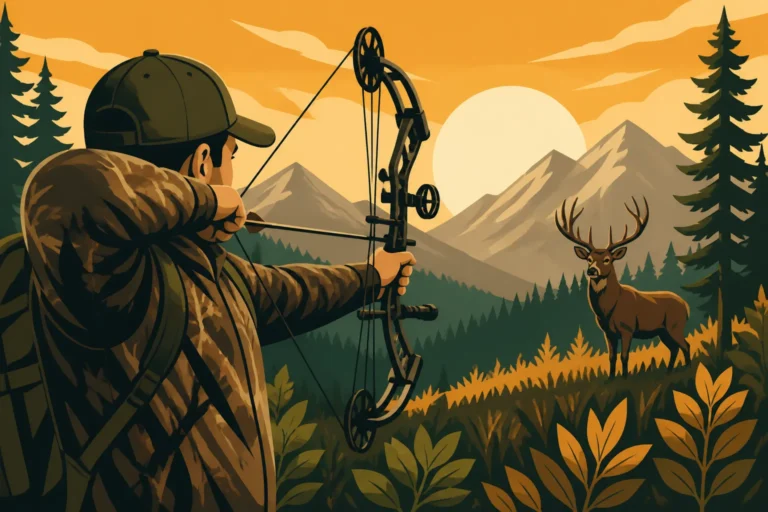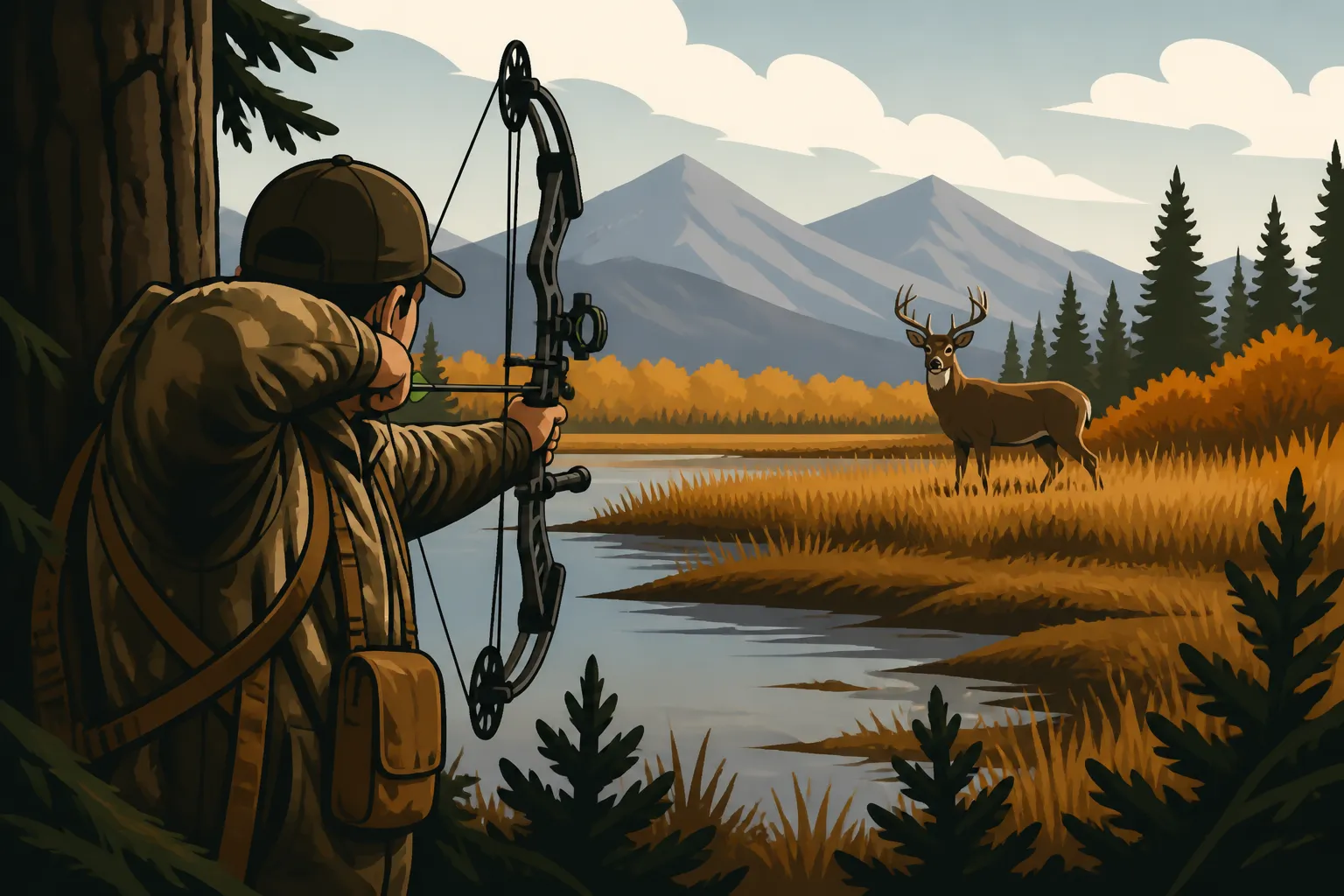
Hunting a Slough Edge for Whitetails
Finding those elusive Alberta whitetails can sometimes feel like solving a puzzle, especially when they seem to vanish into thin air between feeding times. Many hunters overlook one of the most consistent hotspots in agricultural and parkland areas: the humble slough edge. These often-wet, brushy pockets can be absolute magnets for deer, offering everything they need to survive and thrive. This guide will walk you through how to pinpoint, scout, and effectively hunt these productive, yet sometimes challenging, pieces of whitetail habitat.
Why Alberta Slough Edges Are Whitetail Magnets
Alberta's landscape, particularly in the white and green areas, is dotted with countless sloughs. These aren't just stagnant puddles; they are vital oases in areas that might otherwise seem devoid of significant cover or water sources. For whitetails, a slough represents a complete package – food, water, and security, all rolled into one.
Understanding Deer Behavior Around Water
Whitetails, like all living creatures, require a consistent water source. While they can get a lot of their hydration from the plants they eat, especially in lush seasons, a readily available slough provides a reliable drink, particularly during dry spells or in late fall when other surface water might freeze. Think about a warm November day after a heavy morning feeding in a stubble field; that deer is likely heading for a drink.
But it's more than just water. Sloughs are often surrounded by dense thickets of willows, dogwood, and cattails, creating an impenetrable fortress of cover. This dense vegetation offers incredible thermal protection from Alberta's harsh winds, relentless sun in summer, and even deep snow in winter. Deer can bed down deep within these tangles, feeling completely safe from predators and out of sight from human intrusion. Many times, you'll walk right past a slough that's holding multiple deer, completely unaware of their presence due to the incredible cover these spots provide. They are vital corridors and safe havens, connecting different parts of the landscape.
The Ecosystem of a Slough Edge
A slough isn't just a body of water; it's a dynamic micro-ecosystem that produces a smorgasbord of forage for whitetails. The transition zone, where the standing water meets the dry land, is incredibly rich. Here, you'll find a mix of aquatic plants, lush grasses, various forbs, and browse species like willow and aspen shoots. These plants provide diverse nutrition throughout the year, making slough edges a consistent food source. It's often where deer will browse contentedly before heading to a nearby crop field.
Beyond food, the unique structure of a slough edge creates natural funnels and travel corridors. Deer tend to skirt the edge of the water or push through the densest cover, following the path of least resistance. These natural travel lanes become hotspots for deer movement, especially during low-light hours. If a slough is situated between a bedding area (like Hunting Alberta's Aspen Parkland Bluffs) and a feeding area (like a canola field), its edges become a highway for whitetails. Even a small slough can serve as a vital transition point, directing deer movement right where you want it. This understanding is key to successful hunting, as it allows you to anticipate where deer will be and when.
Decoding the Slough Edge: Reading Whitetail Sign
You can’t just walk up to any slough and expect to find deer. Success hinges on being able to read the land and identify which slough edges are actively being used by whitetails. It’s about becoming a detective, piecing together the subtle clues they leave behind.
Scouting for Active Travel Corridors
The first thing you want to look for are well-worn trails. Whitetails are creatures of habit, and they'll take the easiest and safest route between bedding, feeding, and watering areas. Scan the edges of the slough, particularly where dense cover meets more open ground, or where the water narrows, creating a pinch point. These trails will often be beaten down, especially if multiple deer are using them. Don’t just look at the most obvious spots; deer will often have subtle trails leading directly into the thickest part of the slough, which might be their primary bedding entrance.
Once you find trails, dig deeper. Look for fresh tracks in the mud or soft ground along the water's edge. Droppings can tell you how recent the activity is and if deer are bedding or feeding nearby. Rubs on small trees and scrapes in the dirt along these trails are undeniable proof of buck activity, especially as the rut approaches. Pay close attention to these signs; a slough edge with fresh sign is a prime candidate. Using modern mapping tools like GoHunt can be incredibly helpful here. You can identify potential slough complexes on satellite imagery, mark them as waypoints, and then verify them on foot. This allows you to cover more ground virtually and focus your physical scouting efforts on the most promising areas. You can also use GoHunt to overlay property lines, helping you understand where deer might be moving on and off available hunting land.
Identifying Key Bedding and Feeding Areas
Whitetails are experts at finding secure bedding cover, and the dense, often wet, vegetation around sloughs provides just that. Look for depressions in the thick cattails or willow patches that indicate where a deer has recently been lying. These bedding areas will often be sheltered from the prevailing wind and offer good visibility for the deer to detect danger before it gets too close. If you find multiple beds, you might have located a core bedding area for a group of does or even a cautious buck.
Beyond bedding, slough edges also serve as direct feeding grounds. Examine the vegetation along the edge for signs of browsing. Are there clipped willow branches, gnawed aspen shoots, or signs of grazing on grasses and forbs? This indicates that deer aren't just passing through; they're actively utilizing the slough for sustenance. Understanding What Whitetails Eat Through Winter and other seasons can help you identify preferred forage. Often, these feeding areas will be close to the bedding cover, minimizing the deer's exposure in open areas. The combination of bedding, feeding, and water makes a slough edge a self-contained habitat unit, making them exceptionally productive. Reading Whitetail Sign in Alberta Aspen Bluffs offers more insight into interpreting these subtle cues.
Strategic Approaches to Hunting Slough Edges
Once you've identified an active slough edge, the next step is figuring out how to hunt it effectively. These aren't always easy spots, with thick cover and often unpredictable wind currents, but with the right strategy, they can be incredibly rewarding.
Stand Placement and Wind Considerations
This is where many hunts are won or lost. Whitetails have an incredible sense of smell, and the swirling winds common around dense cover can be your biggest challenge. Your primary goal is to set up downwind of where you expect deer to travel or bed. This often means carefully observing the wind direction throughout the day and choosing a stand site that offers a consistent wind advantage for your target hunting window (morning or evening). Don't just rely on a general weather forecast; use a wind checker frequently.
Elevated stands, like a tree stand, are often ideal as they get your scent above the primary deer level. Look for sturdy trees along the edge that offer good shooting lanes into the slough or along its main trails. If suitable trees are scarce, a well-placed ground blind, brushed in naturally, can also be highly effective. The key is stealth and scent control. Place your stand early in the season, allowing deer to get accustomed to its presence, and approach it only when the wind is in your favour. For more specific guidance on setting up, check out Hanging a Stand on an Alberta Bush Edge. Remember, understanding how wind behaves in different terrain features, even small ones like slough edges, is paramount.
Still-Hunting and Stalking Techniques
For the more adventurous hunter, still-hunting or stalking slough edges can be an incredibly exciting and effective method. This approach works best in larger slough complexes or those with varying degrees of cover that allow for slow, deliberate movement. The trick is to move exceptionally slowly, taking one or two steps, then stopping and thoroughly glassing the area ahead. Look for any horizontal lines, unusual shapes, or flicking ears that betray a deer's presence in the vertical cover.
This method requires patience, keen observation, and the ability to move silently through brush and potentially wet ground. Early archery season, when vegetation is still thick, can be a great time for this, as deer are often less pressured and less wary. Hunting Alberta's September Archery Opener provides a good foundation for this type of close-quarters hunting. Always pay attention to the wind, keeping it in your face or quartering. Use the natural contours and cover of the slough edge to conceal your movements. A good pair of binoculars is indispensable for picking apart the dense cover.
Driving and Pushing Sloughs (with caution)
While less common and certainly requiring more logistical planning and strict safety protocols, driving or pushing smaller, isolated sloughs with a group can be an effective strategy, particularly in late season when deer are concentrated. This involves one or more hunters (the "drivers" or "pushers") moving through the slough to push deer out, while other hunters (the "standers" or "blockers") are positioned on known escape routes.
Safety is the absolute priority here. Everyone involved must be aware of each other's positions, wear appropriate Alberta Blaze Orange Requirements, and have a clear understanding of shooting zones. This method works best on sloughs with defined boundaries and clear escape routes, often toward an adjacent bush line or another cover block. It's crucial to know the surrounding property lines to avoid pushing deer onto unhuntable private land without permission; using a GoHunt app can help keep everyone aware of boundaries in real-time. This method is often employed for species like whitetails that prefer to hold tight in cover before flushing. Understanding Hunting a Cutline Intersection for Whitetails can offer insights into how deer might move when pressured, which can be applied to setting up standers.
Essential Gear for Slough Edge Success
Hunting slough edges often means dealing with wet, muddy, and thick conditions. Having the right gear isn't just about comfort; it's about staying safe and effective in the field.
Footwear and Clothing for Wet Conditions
First and foremost, waterproof footwear is non-negotiable. Rubber boots are often the best choice for slough hunting, as they provide excellent waterproofing and minimal scent transfer. Depending on the depth of the water you expect to encounter, knee-high rubber boots might suffice, but hip waders or even chest waders could be necessary for crossing or navigating deeper sections of the slough. There's nothing worse than cold, wet feet in Alberta's variable conditions, which can quickly turn a hunt miserable or even dangerous. For late season, consider insulated rubber boots to combat the chill, especially when you might encounter Hunting a Frozen Slough Crossing.
Your clothing should also be layered and quiet. You'll be moving through brush, so durable, snag-resistant outer layers are key. The internal layers should allow you to adjust to temperature fluctuations, as you might be working hard to get into position and then sitting still for hours. Alberta weather can change on a dime, so packing for all possibilities is always a good idea. And, of course, during rifle season, ensuring you meet all Alberta Blaze Orange Requirements is not just a rule, it's a critical safety measure, especially if hunting with a group. For really tough conditions, refer to tips for Hunting Alberta Winter Weather Safely.
Optics, Scent Control, and Other Necessities
Beyond footwear, a few other items are critical for slough edge success. High-quality binoculars are your best friend for picking apart the dense cover. They allow you to scan for deer without moving your body, minimizing the chance of being spotted. A good pair of 8x or 10x binoculars will let you identify subtle movements or deer parts hidden within the willows.
Scent control is another absolute must. Sloughs are often pockets of stagnant air, making scent dispersal unpredictable. Use scent-eliminating sprays, wash your hunting clothes in scent-free detergent, and most importantly, always play the wind. Even with all the sprays in the world, a direct scent cone to a deer will bust you every time.
Don't forget the basics: a reliable rangefinder for accurate shots, a sharp hunting knife, a small first-aid kit, plenty of water, and your appropriate hunting tags and licences. For bowhunters, a solid pair of clippers for opening shooting lanes can be invaluable. Modern hunting apps, such as GoHunt, can further enhance your preparation. They allow you to scout remotely, mark stand locations, plot ingress/egress routes to minimize disturbance, and even track current wind conditions, giving you a comprehensive advantage when targeting these whitetail havens. Keeping an eye on Late Season Whitetail Dates by WMU on your GoHunt map can also help you plan your hunts for optimal timing around these slough systems.
| Strategy | Ideal Conditions | Pros | Cons | Best Time to Use |
|---|---|---|---|---|
| Stand Hunting | Defined trails, consistent wind | High stealth, less physical exertion | Limited mobility, wind-dependent | Morning/Evening, any season |
| Still-Hunting/Stalking | Larger slough complexes, less pressured deer | Dynamic, covers more ground | High skill, patience required, easy to spook deer | Early season, archery hunts, during light precipitation |
| Driving/Pushing | Small, isolated sloughs, group of hunters | Can move stubborn deer, covers thick cover | Safety critical, requires coordination, limited scenarios | Late season, deep snow, smaller sloughs |
Disclaimer
Hunting is an inherently dangerous activity. This guide provides general information for educational purposes only and is not a substitute for professional instruction, adherence to local laws, or personal judgment. Always prioritize safety, respect wildlife, and obtain proper licensing and permissions before hunting. Conditions and regulations can change, so always consult the latest Alberta hunting regulations.