Hunting Alberta Winter Weather Safely
Trying to punch your deer tag in late November or December in Alberta often means facing some truly brutal winter conditions that can turn a great hunt into a dangerous ordeal if you're not prepared. From sudden blizzards to bone-chilling cold snaps that drop to minus 30 degrees Celsius or lower, Mother Nature in Alberta doesn't mess around. This comprehensive guide will walk you through everything you need to know to hunt safely and effectively when the mercury plummets, ensuring you're ready for whatever the Canadian winter throws your way.
Understanding Alberta's Winter Conditions
Alberta's winters are legendary for a reason, and if you plan to hunt through them, you need to deeply respect their power. It's not just about cold; it's about the combination of factors that can quickly lead to hypothermia, frostbite, or getting stranded. The prairie, parkland, and northern boreal regions each present unique challenges, but one thing is constant: things can change on a dime.
Snowfall and Drifting Hazards
When the snow starts falling in Alberta, it often doesn't stop gracefully. Blizzards can dump feet of snow in a matter of hours, especially in the foothills and mountain regions, but even the open prairie can get buried. This isn't just an inconvenience; it can render roads impassable, cover up trails, and make it incredibly difficult to track game or find your way back to your vehicle. Deep snow saps energy rapidly, turning a short walk into an exhausting slog, and hiding potential hazards like rocks, logs, or unseen ditches. Drifting snow, especially in open areas, can completely alter the landscape, making familiar routes unrecognizable and trapping vehicles if you venture off main roads. Always monitor local weather forecasts closely, especially if you're venturing into a remote area, and be prepared to hunker down or cut your hunt short if a major snow event is on the horizon.
Extreme Temperature Swings
One of the most deceptive aspects of an Alberta winter is its volatility. You might start your day with a crisp, manageable -10°C, only for a cold front to blow in and drop temperatures to -30°C or colder within hours. These extreme temperature swings are dangerous because they can quickly overwhelm inadequate gear or a lack of preparation. What felt comfortable an hour ago can become life-threateningly cold. Chinooks, those warm, dry winds that sweep down from the Rockies, can bring temporary relief, melting snow rapidly and making for a pleasant day. However, they're often followed by equally swift and severe cold snaps as soon as they pass, creating icy conditions and slush that then refreezes, making travel treacherous. You absolutely must prepare for the worst-case temperature scenario, not just what the forecast predicts for the start of your hunt.
Wind Chill Factor
The raw temperature on the thermometer never tells the whole story in an Alberta winter. The wind chill factor is what truly determines how quickly exposed skin will freeze and how fast your core body temperature can drop. A seemingly mild -10°C day with a strong 30 km/h wind can feel more like -25°C, accelerating heat loss significantly. In open areas like the prairie or along frozen lakes and rivers, the wind can be relentless, penetrating even the best insulated clothing if there's no windproof outer layer. Hunters often underestimate the wind, focusing only on the ambient temperature. Always factor in the wind chill when planning your layers and ensure your outerwear provides excellent wind protection. A good rule of thumb is that if the wind is blowing, you need significantly more insulation than the thermometer might suggest, especially if you'll be stationary for any period.
Essential Gear and Clothing for Cold Weather Hunting
Your gear is your first line of defense against the unforgiving Alberta winter. Skimping here isn't just uncomfortable; it can be downright dangerous. Every item, from your base layers to your boots, needs to be chosen with extreme cold, moisture management, and durability in mind.
Layering for Success
The key to staying warm and dry in fluctuating winter conditions is a proper layering system. This allows you to add or shed clothing as your activity level and the ambient temperature change, preventing overheating and sweating (which leads to chilling), or getting too cold.
- Base Layer: This is your moisture-wicking layer, worn directly against the skin. Merino wool or synthetic fabrics are excellent choices because they move sweat away from your body, keeping you dry. Cotton is an absolute no-go; once it gets wet, it loses all insulating properties and stays wet, leading to rapid heat loss. For severe cold, consider a heavy-weight base layer.
- Mid-Layers: These provide the bulk of your insulation. Fleece, down, or synthetic puff jackets are great options. You might wear one or multiple mid-layers depending on the temperature and your activity. A lightweight fleece might be enough for active hiking, but a thick down jacket is crucial for sitting still on a stand or glassing for extended periods. When glassing an Alberta coulee for mule deer, for instance, you'll want to pile on the insulation.
- Outer Layer/Shell: This is your protective barrier against wind, snow, and rain. It should be waterproof, windproof, and breathable. Look for durable fabrics that can stand up to bushwhacking and sitting in rough terrain. A quiet material is also important for hunting. Brands like Sitka, Kuiu, or First Lite offer excellent hunting-specific outer layers designed for extreme conditions, providing both warmth and stealth. Remember, even if it's not snowing, strong winds can penetrate less robust materials, robbing you of precious body heat.
Footwear and Hand Protection
These extremities are often the first to suffer from cold and frostbite, so investing in high-quality protection is non-negotiable.
- Boots: Look for insulated, waterproof boots with aggressive traction for snow and ice. Depending on how cold it gets, you'll want boots rated for extreme temperatures, often measured in grams of Thinsulate insulation (400g to 1200g+ for serious cold). Ensure they are slightly oversized to accommodate thick wool socks and allow for good circulation. Don't cinch them too tight! Nothing contributes to cold feet like restricted blood flow. Consider bringing a second pair of boots or insulated liners to swap out if one gets wet. When Hunting Alberta Winter Weather Safely, your boots are your lifeline.
- Socks: Layering applies here too. A thin merino wool liner sock topped with a thick, heavy-weight merino wool sock will wick moisture and provide warmth. Again, avoid cotton. Carry spare socks; dry feet are warm feet.
- Gloves/Mitts: This is often a multi-layer system. Thin, dexterous gloves allow you to handle your firearm or bow, while warmer, insulated mitts can be worn over them or kept handy for when you're stationary. Many hunters opt for fingerless gloves with a mitt cover for versatility. For extreme cold, chemical hand warmers tucked into your gloves or mitts can make a significant difference. Be sure your outer gloves are waterproof and windproof.
Shelter and Sleeping Systems
If your hunt involves overnight stays or even extended periods far from your vehicle, proper shelter and a warm sleeping system are critical. Getting caught out in a sudden cold snap without these can be fatal.
- Emergency Shelter: Even if you plan on being back at camp or your vehicle, always carry a lightweight emergency shelter. This could be a bivy sack, an emergency blanket, or a lightweight tarp. In a true emergency, even a large garbage bag can provide some protection from wind and snow. These can be crucial if you find yourself stranded or need to tend to an injured hunting partner.
- Sleeping Bag: Choose a sleeping bag rated significantly colder than the lowest anticipated temperature. For Alberta winters, a bag rated to -20°C or -30°C is often a good minimum. Down is lighter and more compressible, but synthetic insulation performs better if it gets wet. Consider a waterproof stuff sack to protect your bag.
- Sleeping Pad: A good insulated sleeping pad is just as important as your sleeping bag, as you lose a significant amount of heat to the frozen ground. Look for pads with a high R-value (insulation rating). A closed-cell foam pad combined with an inflatable insulated pad offers maximum protection. Remember, cold ground can quickly draw heat from your body, even through a warm sleeping bag.
Staying Hydrated and Fueled in the Cold
The cold can be deceptive; you might not feel as thirsty as you would in warmer weather, but dehydration is a serious risk that can impair judgment and increase your susceptibility to hypothermia. Similarly, your body burns more calories to maintain core temperature, so proper nutrition is vital.
Preventing Dehydration
In winter, the air is often very dry, and your body expends moisture just breathing and through perspiration, even if you don't feel like you're sweating.
- Drink Regularly: Don't wait until you're thirsty. Sip water or warm drinks consistently throughout the day. Warm beverages like tea or hot chocolate are excellent choices as they also provide internal warmth.
- Insulated Water Bottles/Reservoirs: Keeping water from freezing is a challenge. Wide-mouth insulated bottles (like a Hydro Flask or Nalgene in an insulated carrier) work best. Avoid hydration pack hoses unless they are heavily insulated, as they tend to freeze easily. Keep bottles upside down in your pack, as ice forms from the top down. If carrying a water bladder, blow air back into the tube after each sip to clear water from the hose.
- Melting Snow: If you run out of water and have a heat source, you can melt snow. However, this is very energy-intensive, both for you and your fuel source. Never eat snow directly to hydrate, as it will lower your core body temperature. Always melt it first. Planning is key to avoid this scenario.
High-Calorie Nutrition
Your body is working overtime to stay warm in cold weather, burning through calories at an accelerated rate. You need to replenish these stores to maintain energy and prevent your body from dipping into critical reserves.
- Dense, Portable Foods: Pack high-calorie, easily digestible foods. Nuts, trail mix, energy bars, jerky, chocolate, and dried fruit are excellent choices. Fats and proteins provide sustained energy. Bring more food than you think you'll need; better to have extra than run out.
- Warm Meals: If possible, bring a small stove and dehydrated meals or instant noodles for a warm lunch. A hot meal can provide an incredible morale boost and internal warmth on a frigid day. Even a thermos of hot soup or stew can make a world of difference. When Hunting Deep Cold Late in the Season, a warm meal isn't just a luxury, it's a necessity.
- Snack Often: Don't wait for designated meal times. Graze throughout the day to keep a steady stream of calories entering your system. This helps maintain a consistent internal furnace.
Warm Drinks and Soups
The psychological and physiological benefits of warm liquids cannot be overstated on a cold hunt.
- Thermos: A good quality insulated thermos is an absolute must. Fill it with hot coffee, tea, hot chocolate, or soup before you head out. Sipping a warm drink can instantly raise your core temperature and lift your spirits.
- Instant Options: Pack instant coffee, tea bags, or soup mixes that can be quickly prepared with hot water if you have a stove. These are lightweight and provide quick warmth and hydration.
- Sugar Boost: Don't be shy about adding a bit of sugar or honey to your warm drinks for an extra calorie boost and quick energy when you're feeling sluggish.
Navigation and Communication in Winter
Winter conditions can dramatically reduce visibility and make navigation incredibly challenging. Snow can obscure trails, landmarks, and even entire landscapes. Reliable navigation tools and communication methods are critical for safety, especially when you might be Hunting Whitetails at Thirty Below in unfamiliar areas.
GPS and Mapping Tools
Even if you know an area well, heavy snowfall or a whiteout can disorient you in minutes.
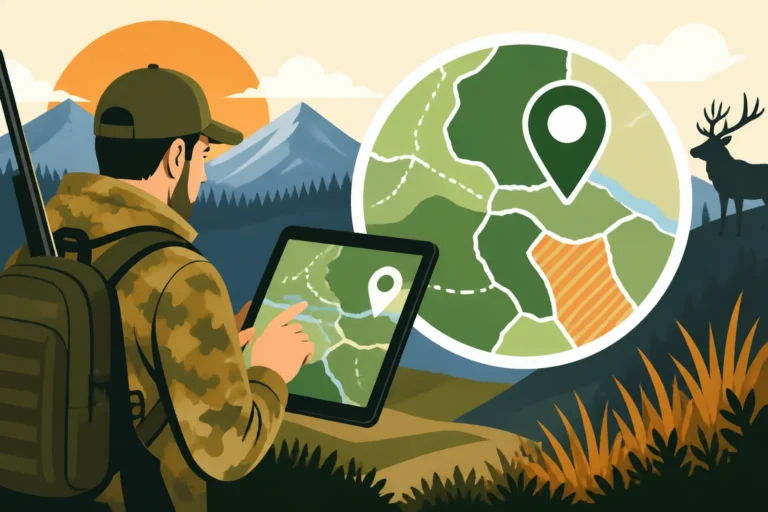
- Dedicated GPS Device: A robust, waterproof GPS unit with extra batteries is invaluable. Pre-load your hunting area maps, mark your vehicle's location, and any key waypoints like treestands, water sources, or access points.
- Digital Mapping Apps: Smartphone apps like GoHunt or BaseMaps offer incredible detail with satellite imagery, public land boundaries, and topographic lines. Crucially, download offline maps before you leave cell service. This is absolutely essential as cell signal is unreliable in many remote Alberta hunting areas. Use these apps to mark your travel routes and potential game funnels.
- Paper Map and Compass: Technology can fail. Always carry a physical, waterproof map of your area and a reliable compass. Learn how to use them, even if you primarily rely on GPS. This old-school backup could literally save your life if your electronics die due to cold or battery drain. Being able to read an Alberta WMU map before you go is a fundamental skill.
Satellite Communicators and Emergency Devices
Cell service is sparse or non-existent in many of Alberta's prime hunting grounds, making satellite communication a critical safety tool.
- Satellite Messengers/PLBs: Devices like Garmin inReach or Zoleo allow you to send and receive text messages via satellite, share your location, and most importantly, trigger an SOS call to emergency services if needed. These are not luxuries; they are essential safety equipment for any remote winter hunt. Ensure it's fully charged and has an active subscription.
- Whistles and Signaling Mirrors: Simple but effective. A loud whistle can attract attention over long distances, especially if you're injured or disoriented. A signaling mirror can catch the eye of a passing aircraft or search party. Keep these easily accessible.
- Regular Check-ins: If hunting alone, inform someone back home of your exact hunting area and expected return time. Establish a check-in schedule via your satellite messenger. If you miss a check-in, your contact knows to initiate a search. This is a core component of Emergency Plans in Alberta's Backcountry.
Group Hunting Protocols
If you're hunting with a partner or a group, establish clear communication and safety protocols before you head into the field.
- Stay Together: In severe conditions or unfamiliar terrain, it's best to stay within sight or voice command of your partners. If you split up, agree on clear meeting points and times.
- Shared Knowledge: Everyone in the group should know the general plan, the location of vehicles, emergency gear, and basic first aid. Share important waypoints on digital maps.
- Buddy System: Assign partners, especially if covering larger areas. Check in with each other regularly. In the event of an emergency, having a buddy immediately aware of the situation drastically improves response time.
Emergency Preparedness for Winter Hunts
No matter how well you plan, emergencies can happen. Vehicles get stuck, injuries occur, or weather can suddenly trap you. Being prepared for these contingencies is crucial for survival in Alberta's harsh winter.
First Aid Kit Essentials
Your first aid kit needs to be tailored for cold weather injuries and general backcountry mishaps.
- Beyond the Basics: In addition to standard bandages, antiseptic wipes, and pain relievers, include specific items for cold weather. Moleskin for blisters (more common with heavy winter boots), extra-large bandages or trauma dressings, and a splint for potential fractures on slippery terrain are good additions.
- Hypothermia/Frostbite Treatment: Pack chemical heat packs (larger body warmers are great), a space blanket, and maybe even some high-energy glucose tablets. Know the signs and symptoms of hypothermia and frostbite, and how to treat them. Mild hypothermia can quickly escalate if not addressed immediately.
- Personal Medications: Ensure you have a sufficient supply of any personal prescription medications, stored in a waterproof container.
- Knowledge: A well-stocked kit is useless if you don't know how to use it. Consider taking a wilderness first aid course.
Fire Starting and Signaling
The ability to start a fire in wet, cold conditions can be a lifesaver, providing warmth, drying clothes, and a signal for help.
- Multiple Fire Starters: Carry at least three reliable ways to start a fire: waterproof matches, a lighter (or two), and a ferro rod with tinder. Store them in waterproof containers.
- Prepared Tinder: Don't rely on finding dry tinder in a blizzard. Bring your own, such as cotton balls soaked in petroleum jelly, fire starter cubes, or even dryer lint.
- Signaling: In addition to fire for warmth, a smoke signal can attract attention during the day, especially if you're What to Do If You Get Stuck in the Bush. At night, bright flames are easily spotted. Flares, brightly colored tarps, or even blaze orange flagging tape can also be used to signal for help. Remember, Alberta Blaze Orange and Safety Rules apply to hunters in most areas, making you more visible to other hunters, but also potentially to rescuers.
Vehicle Emergency Kit
Your vehicle is often your base camp, and getting stuck in a remote area in winter can quickly become a survival situation.
- Recovery Gear: Shovel, traction mats, tow strap, and jumper cables are vital. A high-lift jack can also be useful. Ensure your tires are in good condition and consider winter-rated tires for better traction.
- Survival Supplies: Beyond the standard vehicle emergency kit, include a separate "bail-out bag" in your vehicle that contains enough survival gear for at least 24-48 hours. This includes extra warm clothes, sleeping bag, food, water, and fire-starting materials, in case you have to leave your vehicle or if it gets stuck far from help.
- Communication: Keep a fully charged cell phone (with a power bank), and ideally, a satellite messenger in your vehicle. Inform someone of your route and expected return. When planning a hunt, checking the road conditions on GoHunt or local government websites is always a good idea before heading out. A well-prepared Winter truck kit for an Alberta hunt is non-negotiable.
Meat Care and Wildlife Considerations in Deep Cold
Successfully harvesting an animal in the deep cold adds another layer of complexity: preserving the meat and understanding how wildlife behaves in these extreme conditions. Proper field dressing and storage are paramount to prevent spoilage and ensure a quality harvest.
Proper Field Dressing in the Cold
While cold temperatures might seem like a natural refrigerator, proper field dressing is still critical. The goal is to cool the meat rapidly and prevent contamination.
- Speed is Key: Even in cold weather, residual body heat can cause meat to spoil quickly, especially in larger animals like moose or elk. Get the hide off and gut the animal as quickly as possible. This allows the internal organs to cool and prevents bacterial growth.
- Cleanliness: Use clean knives and gloves. Avoid getting dirt, hair, or gut contents on the meat. If possible, rinse out the cavity with clean snow or water. For smaller animals like deer, you might be able to drag them to a more suitable cleaning spot before skinning. When Getting a deer out on a frozen trail, getting it cleanly field dressed first makes the task much easier.
- Airflow: Once field dressed, prop open the cavity with sticks to allow maximum airflow. Hang the carcass if possible, or lay it on a clean tarp or branches to keep it off the snow and allow air to circulate around it. This is particularly important for Meat care in Alberta's cold and warm swings, as temperatures can fluctuate above freezing during the day, creating prime conditions for bacteria.
Protecting Meat from Predators
Winter often means hungry predators. Once you've harvested an animal, its scent can attract wolves, coyotes, and even bears (if they're not denned up) to your kill site.
- Secure the Carcass: If you have to leave the meat overnight, hang it high in a tree if possible, or cover it with a tarp secured with ropes. The goal is to make it as inaccessible and scent-contained as possible.
- Return Quickly: Plan to return to retrieve your meat as soon as possible, ideally within 24 hours. The longer it sits, the higher the chance of scavengers finding it.
- Be Prepared: When you return to retrieve your meat, especially in bear or wolf country, be aware and vigilant. Carry bear spray and your rifle, and make noise to announce your presence. These animals can be territorial around a fresh kill. Understanding Calling Wolves Along a Frozen Cutline might give you insight into their movements.
Wildlife Behavior in Winter
Understanding how game animals adapt to winter conditions can significantly improve your chances of success and ensure your safety.
- Energy Conservation: Animals move less in deep winter, trying to conserve precious energy. They will often be found in sheltered areas, out of the wind, and close to food sources. This might mean south-facing slopes that get more sun, thick timber, or dense willow runs.
- Food Sources: Deer, moose, and elk will concentrate on browse (twigs, buds, bark) or whatever forage is exposed. Knowing Where Alberta Whitetails Bed in Deep Snow or How Mule Deer Use Coulees in Winter can guide your search to areas with less snow and available food.
- Limited Movement: Game animals will often follow established trails through deep snow, creating tunnels or packed paths. These can be excellent places to focus your efforts. Be aware that deeply crusted snow can make travel difficult for animals, pushing them to specific areas.
- Predator Presence: Deep snow and cold often concentrate predators as well, as they follow their prey. Be extra vigilant for tracks and signs of wolves or coyotes, especially around known game wintering areas.
Disclaimer
Hunting involves inherent risks. This guide provides general information for safe hunting in Alberta's winter conditions and is not a substitute for formal training, experience, or professional advice. Always prioritize safety, respect wildlife, and adhere to all Alberta hunting regulations. Conditions can change rapidly, and personal preparedness is paramount.