Hunting Whitetails at Thirty Below
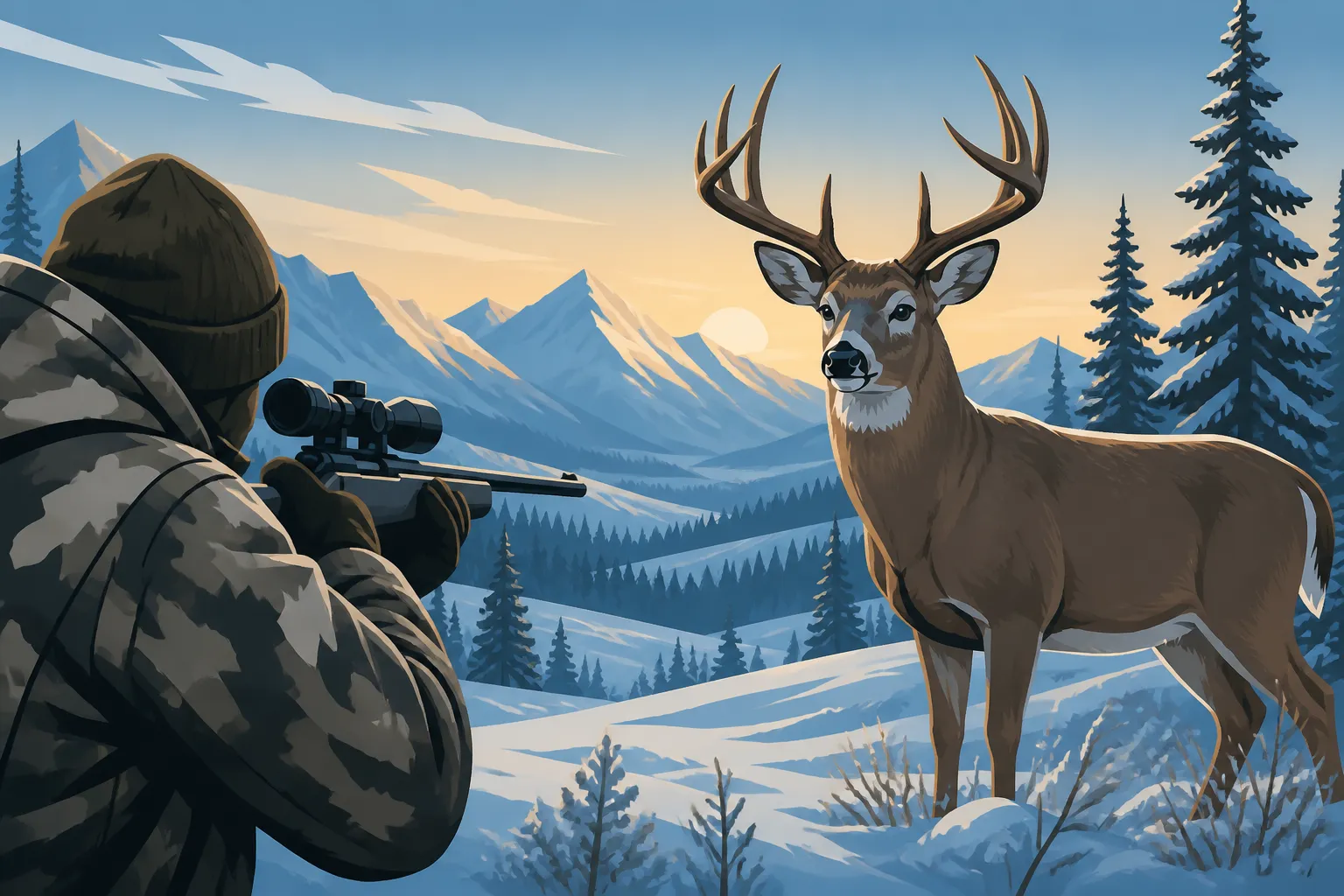
Hitting the whitetail woods when the mercury plunges to thirty below is an experience that truly tests a hunter's resolve, gear, and knowledge. Many of us have faced those bitter mornings, staring out the window, wondering if it's even worth it or if we're just asking for trouble. But for those dedicated few, hunting whitetails in Alberta's deep freeze offers unique opportunities, as deer behavior changes drastically in survival mode. This guide will walk you through the essential preparations, tactics, and safety measures you need to not only endure but thrive when pursuing whitetails in truly arctic conditions.
Understanding Whitetail Behavior in Extreme Cold
When the temperature drops to a bone-chilling -30°C or colder, every living creature in Alberta's wild is focused on one thing: survival. Whitetails, despite their incredible resilience, are no exception. Their movements become highly predictable, driven solely by the need to conserve energy, find food, and seek thermal cover. This extreme cold can actually be your ally, if you know how to read the signs and understand their shifts in behavior.
Deer Movement and Bedding Patterns in Deep Freeze
In normal conditions, whitetails might roam vast areas, browsing here and there, but in sub-zero temperatures, that changes dramatically. They become incredibly efficient with their energy expenditure. You'll find them reducing unnecessary movement, often hunkering down for extended periods. Their bedding areas shift from open fields or sparse brush to the densest thermal cover they can find. Think thick stands of spruce, pine, or even dense willow thickets along river bottoms. These spots offer a crucial buffer against the biting wind and provide overhead cover that traps what little warmth the sun might offer. South-facing slopes are also prime real estate, as they catch the sun's rays for longer durations, offering a precious few degrees of warmth.
Deer in these conditions are primarily moving between these thermal bedding areas and their most accessible, high-energy food sources. This often means browsing on woody stems, or digging through light snow for residual crops like peas or canola if they are on farmland. Understanding these direct, energy-saving travel corridors is paramount. They won't expend energy to go far if they don't have to, making their routes much more concentrated and easier to predict. This is where scouting, even just with a good map and satellite imagery like that found on GoHunt, becomes incredibly valuable to pinpoint those critical connections between shelter and sustenance.
Physiological Adaptations and Stress Responses
Whitetails have evolved incredible adaptations to survive harsh winters. Their winter coats are thick and dense, providing exceptional insulation. They also undergo physiological changes, increasing their metabolic rate to generate more body heat and reducing non-essential activities. However, even with these adaptations, extreme cold places immense stress on their systems. Their fat reserves, built up during the fall, are burned through rapidly. This stress means they are constantly seeking opportunities to minimize heat loss and maximize energy intake. This vulnerability can be a key factor for hunters. A deer that is stressed by extreme cold will be less wary and more focused on its immediate needs, potentially making it more approachable or less likely to flee at the first sign of danger.
However, a stressed animal is also a fragile one. If you wound a deer in these conditions, recovery becomes even more critical. The deer's weakened state means it might not travel as far, but it also means it succumbs to its injuries and the elements much faster. This adds an ethical imperative to make the cleanest shot possible and to follow up swiftly.
The Impact of Snow Depth on Deer Movement
Snow depth plays a massive role in how whitetails navigate the deep cold. Shallow, crusty snow might not impede them much, but deep, powdery snow is a different story. If the snow is belly-deep or deeper, it becomes a significant energy drain for deer to move through. This forces them to stick to established trails, plowed roads, seismic lines, or areas with less snow accumulation, like under dense evergreen canopies.
These natural funnels created by deep snow are goldmines for hunters. Deer will often follow the path of least resistance, creating well-worn trails that become obvious travel corridors. Identifying these paths and setting up an ambush point along them can be highly effective. Conversely, areas with very deep snow might be completely avoided, pushing deer into more accessible, often smaller, pockets of habitat. Knowing where Alberta Whitetails Bed in Deep Snow can give you a significant advantage, guiding your hunt plan to areas where they are concentrated and conserve energy.
Essential Gear and Preparation for Surviving -30°C
Hunting in truly frigid temperatures isn't just about bagging a deer; it's about survival. The cold is an unforgiving opponent, and improper preparation can quickly turn a memorable hunt into a dangerous situation. Your gear choices, from the layers you wear to the food you pack, are critical to ensuring your safety and comfort.
Layering Systems for Arctic Conditions
Forget your standard hunting jacket; in -30°C, you need a serious layering system. This isn't just about throwing on warm clothes; it's about smart, breathable, and adaptable layers that manage moisture and trap heat.
- Base Layer: Start with a good quality, moisture-wicking base layer. Merino wool is king here, as it insulates even when damp and doesn't retain odour like synthetics. Avoid cotton at all costs; it holds moisture and will chill you to the bone.
- Mid-Layers: This is where you add insulation. Multiple thinner layers are better than one thick one, as they create more air pockets to trap heat. Fleece jackets, down vests, or synthetic insulated jackets are excellent choices. For truly brutal cold, a heavier down or synthetic mid-layer is non-negotiable.
- Outer Shell: Your outermost layer needs to be windproof and water-resistant (or waterproof if snow is falling). Wind is your biggest enemy in extreme cold, stripping away body heat rapidly. Look for quiet fabrics that won't spook game. A good outer parka and insulated bibs or pants are essential.
Don't forget the extremities. Hands, feet, and head lose heat rapidly. Invest in an excellent pair of insulated, waterproof boots, perhaps a size larger to allow for thick wool socks and air circulation. Bring multiple pairs of socks. For hands, a system of thin liner gloves, warm mittens with a finger slot for shooting, and hand warmers is often best. A heavy-duty balaclava or a warm hat with a neck gaiter is crucial for protecting your face and head.
Cold-Weather Hunting Equipment Considerations
The cold doesn't just affect you; it impacts your equipment too. Planning for this is part of your crucial Winter Truck Kit for an Alberta Hunt.
- Firearms and Bows: Gun oil can thicken in extreme cold, leading to sluggish actions or misfires. Use dry lubricants or specific cold-weather oils. For bows, ensure strings and cams are well-maintained and free of ice buildup. Be mindful of stiff limbs and how they might affect draw weight. Batteries in red dot sights, rangefinders, and flashlights drain rapidly in the cold. Carry spares and keep them warm (e.g., in an inside pocket).
- Optics: Binoculars and scopes can fog up. Use anti-fog treatments and try to keep them covered when not in use. Be gentle with adjustments, as plastic components can become brittle.
- Communication & Navigation: Cell service is often unreliable in the backcountry. A satellite messenger or GPS device like a Garmin inReach is a lifesaver for emergencies. Ensure batteries are fully charged and consider a portable power bank. A device like the GoHunt app on your phone can still be invaluable for navigating and pinpointing locations, but have a paper map and compass as a backup.
- Emergency Kit: This is non-negotiable. Include a fire starter, extra high-energy food, a first-aid kit with extra trauma bandages, a headlamp with spare batteries, and a small emergency blanket or bivy sack. Hypothermia can set in quickly, and being prepared could save your life.
Nutrition, Hydration, and Emergency Shelter
Fueling your body properly is vital in the cold. Your body burns more calories just to stay warm. Pack high-calorie, easily digestible snacks like nuts, energy bars, and chocolate. A thermos of hot coffee, tea, or broth can be a huge morale booster and help warm you from the inside out. Don't forget to hydrate; even in cold weather, you lose moisture through respiration. Warm water is easier to drink and helps maintain core temperature.
When out in extreme cold, always have a plan for emergency shelter. This could be as simple as a heavy-duty tarp and some cordage, or a dedicated emergency bivy. Knowing how to quickly build a debris shelter or utilize natural features can be a game-changer if you get stranded or injured. Remember, it's not just about going for the hunt; it's about Hunting Alberta Winter Weather Safely.
Strategic Approaches to Hunting Whitetails in the Deep Freeze
Hunting in -30°C requires a different mindset and strategy than milder weather. Whitetails are operating on an absolute survival instinct, and your tactics need to reflect that. Patience, precision, and understanding their most basic needs will be your keys to success.
Locating Cold-Weather Havens
Forget wide-open areas where deer would normally feed in milder conditions. In extreme cold, whitetails are looking for refuge. This means focusing your efforts on specific types of terrain:
- Dense Evergreen Cover: Thick stands of spruce, pine, or fir trees provide excellent thermal cover by blocking wind and trapping warmth. Deer will often bed directly in these stands or along their edges, especially on south-facing slopes that absorb more solar radiation.
- Sheltered River Bottoms and Coulees: The banks and bottoms of river valleys, especially those with dense tree growth and thick brush, offer significant protection from the wind. These natural depressions can be several degrees warmer than exposed ridges. Look for deep coulees, particularly those that offer a clear path between bedding and a food source. You can gain valuable insights by exploring areas near water bodies as described in Hunting a Frozen Slough Crossing.
- Thick Brush and Willow Thickets: While not as good as evergreens, dense thickets of willow, alder, or dogwood can also provide a decent windbreak and cover, especially when combined with south-facing exposure. Deer will often yard up in these areas when snow is deep.
Your goal is to find where the deer are conserving energy. They won't be far from these havens, and their movements will be directed towards the easiest and most calorie-rich food sources available within close proximity.
Patience and Low-Impact Hunting
Aggressive, fast-paced hunting is generally less effective in extreme cold. Deer are already under stress, and excessive movement or noise will send them deeper into cover. This is a time for patience and precision.
- Still-Hunting: Moving incredibly slowly, pausing often to scan and listen, is highly effective. The crunchy snow might make silent movement difficult, but by taking your time and picking your steps carefully, you can often surprise bedded deer or catch them moving between cover. Focus on moving into the wind or crosswind, never directly downwind.
- Stand Hunting in Ambush Points: Setting up on a travel corridor between known bedding cover and a food source is a classic tactic that works exceptionally well in the cold. Deer will use these routes predictably. Choose a stand that is well-sheltered from the wind and consider using an enclosed blind if possible, as it can significantly extend your time in the field. When Hanging a Stand on an Alberta Bush Edge, prioritize wind protection.
- Short, Focused Drives: If you're hunting with a partner or a small group, a very slow, quiet drive through a specific patch of dense cover can push deer out to a waiting shooter. The key is slow and controlled to avoid simply scattering the deer.
Remember, your body heat depletes quickly in -30°C. Plan for shorter hunting sessions with breaks to warm up, or focus on periods of peak deer movement like early morning and late afternoon. This is a battle of attrition against the cold, and conserving your own energy is just as important as conserving the deer's.
Tracking and Recovery in Deep Snow
Deep snow, while making movement harder for deer, can be a hunter's best friend when it comes to tracking. Fresh tracks stand out clearly, and you can learn a lot about a deer's size, gait, and direction of travel.
- Blood Trails: A wounded deer will often leave a clear blood trail in the snow, making recovery significantly easier than in bare ground. However, blood flow can decrease in extreme cold, and the blood itself might freeze quickly. Mark the last spot you saw blood and take your time.
- Quick Follow-Up: In these conditions, a wounded deer is at a severe disadvantage. Their energy reserves are already low, and the trauma of a shot combined with the brutal cold will weaken them rapidly. This means a quick follow-up is critical. Give the deer enough time to expire, but don't wait hours if the shot was marginal. Use your GPS or a mapping app to mark the exact spot of the shot and the last sign, so you can backtrack if needed.
- Identifying Sign: Beyond tracks, look for disturbed snow, broken branches, or even rubs and scrapes that may indicate a buck's presence, though bucks are less inclined to rub or scrape in the deep freeze. Reading Whitetail Sign in Alberta Aspen Bluffs helps you find these key indicators.
Using Technology to Your Advantage
Modern hunting technology can be a huge asset when hunting Whitetails at Thirty Below.
- Mapping Applications: Tools like the GoHunt app are invaluable. You can pre-scout areas from home, identifying potential thermal cover, south-facing slopes, and pinch points between bedding and feeding areas. Layers showing topography, satellite imagery, and even public vs. private land access can help you plan your approach and escape routes efficiently. Knowing your exact location and where you're headed is crucial in conditions where landmarks can be obscured by snow.
- Thermal Imagers: While an investment, a handheld thermal imager can be a game-changer in low light conditions or thick cover. It allows you to spot the heat signature of an animal that would otherwise be invisible, helping you confirm if a patch of timber is holding deer or to recover a downed animal after dark.
- Two-Way Radios/Satellite Communicators: If hunting with a partner, reliable two-way radios are essential. In remote areas, a satellite messenger (like an InReach or Zoleo) is crucial for emergency communication, allowing you to send messages even without cell service. Ensure these devices are fully charged and kept warm as much as possible to preserve battery life.
Field Care and Transporting Game in Extreme Cold
Harvesting a whitetail in -30°C brings its own set of challenges, particularly when it comes to field care and meat preservation. While in warmer weather, rapid cooling is paramount to prevent spoilage, in extreme cold, the risk often shifts from spoilage to the meat freezing solid before you can properly process it.
Rapid Field Dressing
Getting the deer field dressed quickly is still important, but for different reasons. In milder cold, removing the entrails helps the carcass cool down to prevent bacterial growth. In -30°C, the internal organs actually hold a significant amount of heat. Removing them allows the body cavity to begin cooling, but it also means the meat starts to freeze. The trick is to find a balance.
- Initial Gutting: As soon as the deer is down, get to work. Remove the entrails cleanly. This is uncomfortable work in extreme cold, so wear appropriate layers, but have dedicated "dirty" gloves.
- Consider Timing: If you're going to quarter the animal on site, you might want it to cool just enough to handle, but not freeze solid. A carcass can freeze incredibly fast at -30°C, making it incredibly difficult, if not impossible, to butcher in the field. Sometimes, especially if you can get the deer out quickly, it’s better to transport it to a warmer location (like a heated garage) to allow for easier quartering.
Preventing Meat from Freezing Solid
This is the primary challenge for meat care in deep cold. Imagine trying to saw through a block of granite – that's what a frozen deer carcass feels like.
- Keep it Insulated (Initially): Paradoxically, after field dressing, you might need to prevent the meat from freezing too quickly, especially if you plan to process it at home within a day. Wrapping the carcass in a tarp or placing it in a game bag can help slow the freezing process down enough for transport and initial butchering.
- Transport Quickly: The faster you can get the deer out of the field and to a location where it can be properly processed, the better. This minimizes the time it spends freezing solid in the open air. This is a critical aspect of Meat Care in Alberta's Cold and Warm Swings.
- Quartering Challenges: If you must quarter in the field, do it immediately after gutting, before the muscle tissue seizes up and freezes. Use a sharp knife and a bone saw. Expect a tougher job than in moderate temperatures.
Transport and Storage Considerations
Once field dressed, protecting the meat is your next priority.
- Protect from Predators and Snow: If you have to leave the deer for any period, cover it completely with a tarp or snow to protect it from scavengers like coyotes or magpies. Avoid dragging it directly on the ground if possible; use a sled or game cart to keep it clean.
- Proof of Sex and Tagging: Ensure your tag is properly affixed to the carcass and that proof of sex (if required for your licence) remains with the animal. This is crucial for compliance with Alberta's hunting regulations.
- Transporting Home: Get the meat into a truck box or sled for transport. If possible, avoid direct exposure to road grit and exhaust fumes. At home, transfer it to a cool, protected area, like a garage, where it can continue to hang and cool slowly without freezing entirely, or be processed immediately. If you have to store it outdoors, ensure it's protected from animals and direct sunlight, which can cause thawing and refreezing, impacting meat quality.
Hunting in Alberta's deep freeze for whitetails is an ultimate test, but also an incredibly rewarding experience. By understanding how deer adapt, meticulously preparing your gear, employing smart hunting strategies, and handling your harvest with care, you can make the most of those frigid days in the field.
Disclaimer
The information provided in this guide is for general informational purposes only and does not constitute legal advice. Hunting regulations and conditions can change rapidly. Always consult the most current Alberta hunting regulations from official government sources before planning or engaging in any hunting activities. Safety is paramount; be prepared for extreme weather conditions and prioritize your well-being in the field.