Hunting a Milk River Ridge Coulee
Milk River Ridge coulees in Alberta shelter mule deer and whitetails within deep terrain featuring brush, springs, and glacial meltwaters.
Close the distance.
Archery, muzzleloader, and firearm techniques — calling, stand placement, still-hunting, spot-and-stalk, and the weapon rules that change at the state line.
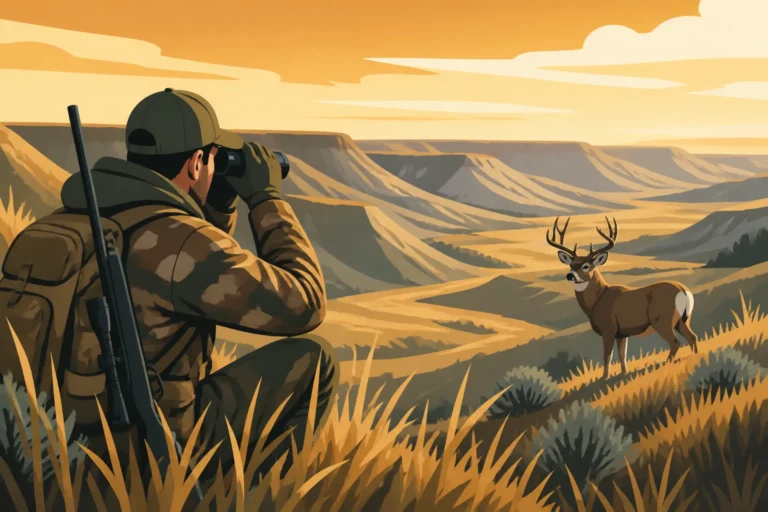
Milk River Ridge coulees in Alberta shelter mule deer and whitetails within deep terrain featuring brush, springs, and glacial meltwaters.
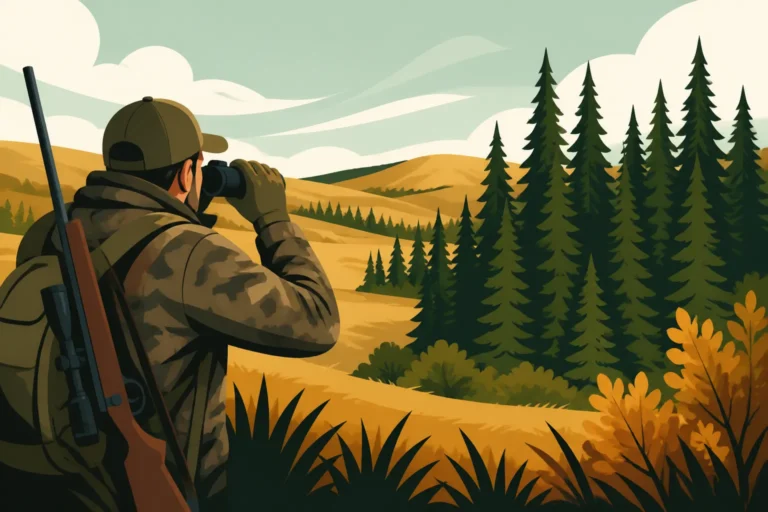
Cypress Hills timber pockets provide isolated deer cover, requiring specific strategies to locate and hunt mule deer and whitetails.
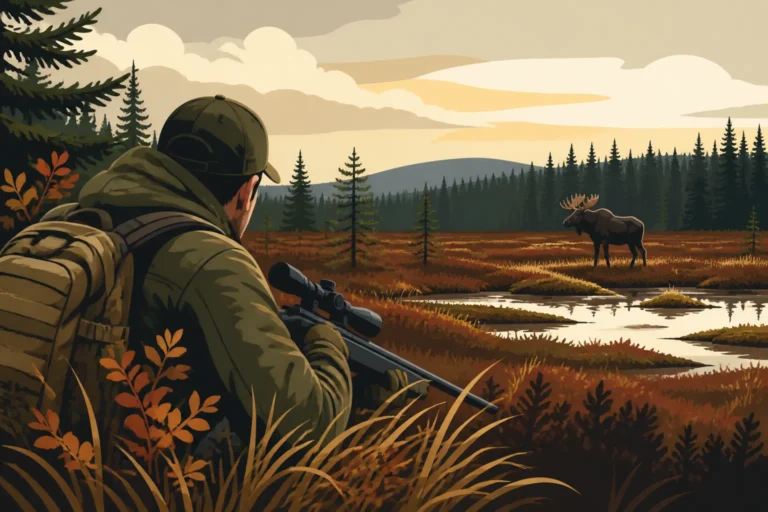
Alberta peat bog edges provide big game with food and security cover, offering hunters access to elusive moose and bears.
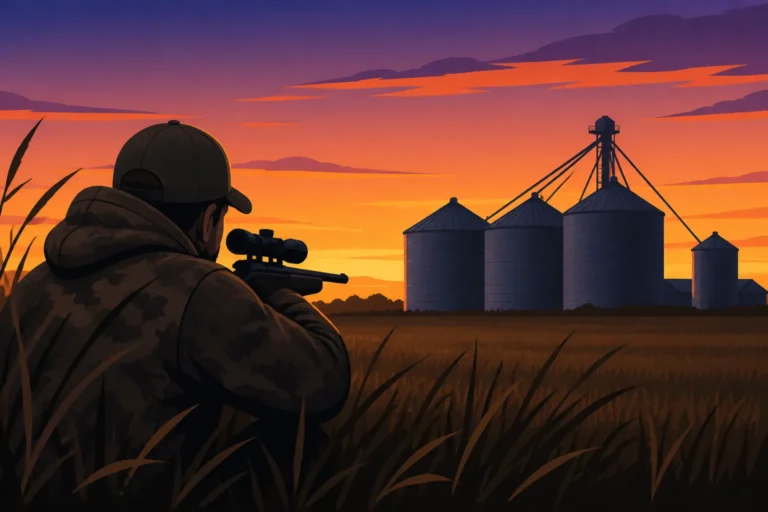
Alberta grain bin yards attract whitetails and mule deer at dusk using spilled grain, shelterbelts, and secure travel corridors.
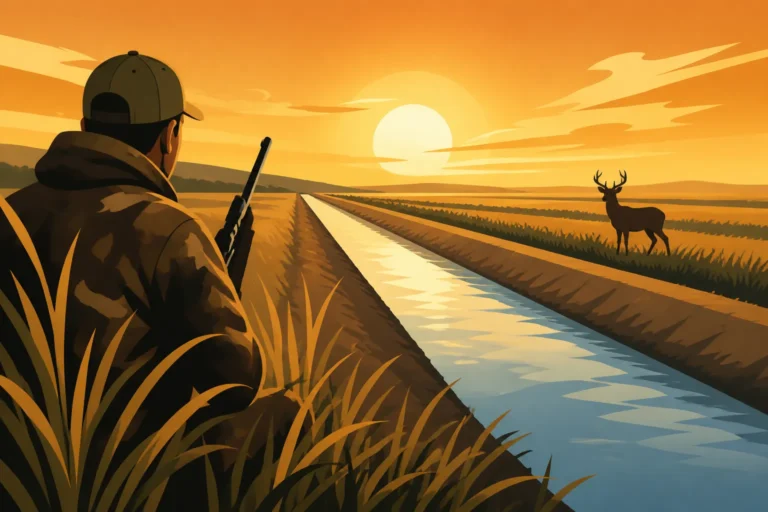
Alberta irrigation canal corridors offer game animals water and cover, serving as reliable travel routes for local wildlife.
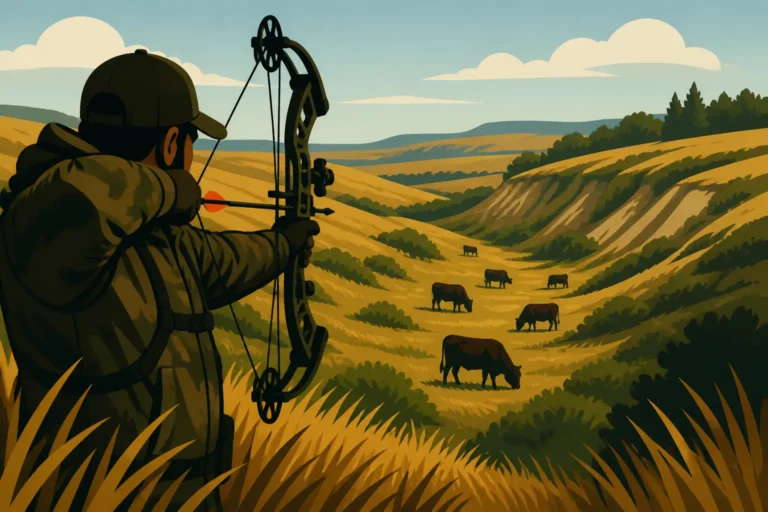
Cattle pasture draws provide Alberta deer with cover and travel corridors, offering hunters productive spots in wide open terrain.
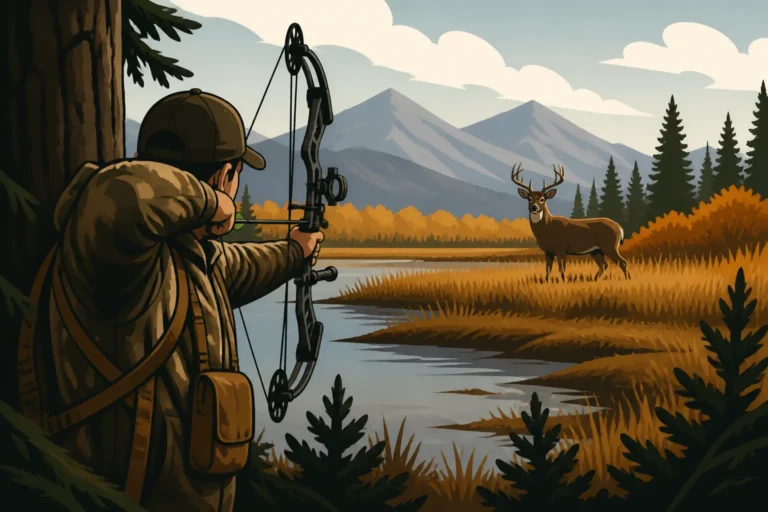
Alberta slough edges offer whitetails food, water, and dense willow cover, creating reliable hotspots for locating deer.
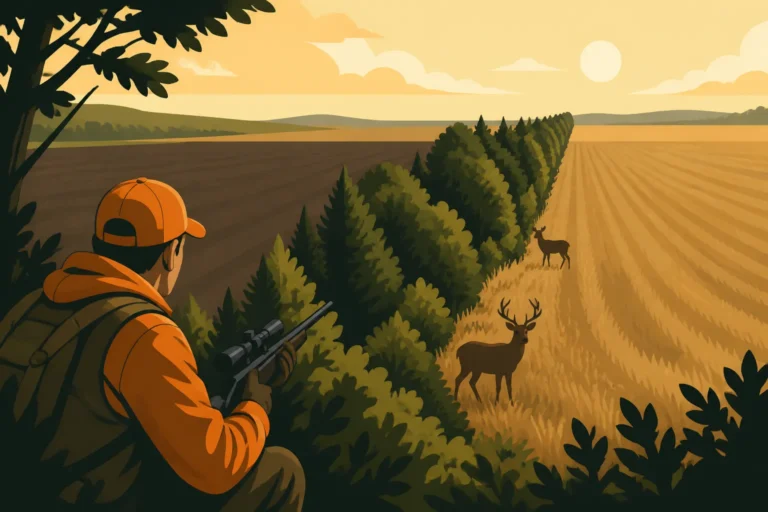
Alberta shelterbelts offer deer security and travel corridors between fields, helping hunters predict and intercept animal movement.
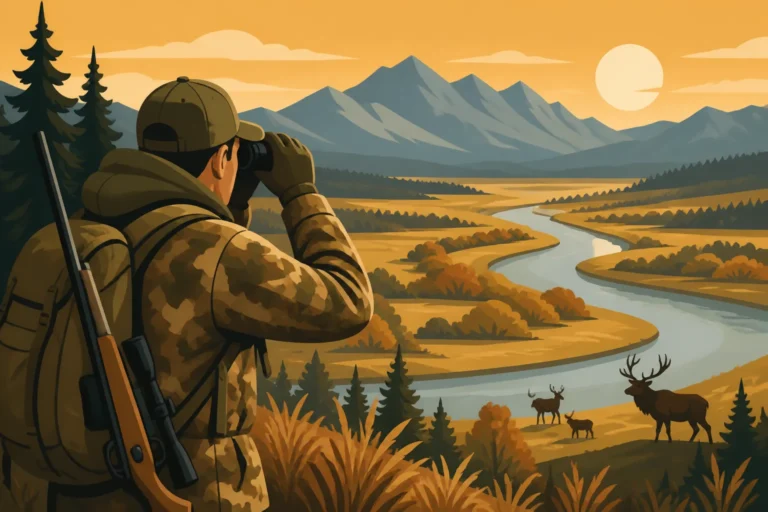
Alberta river valley deer hunting strategies explain how to navigate terrain challenges, dense cover, and unpredictable winds.
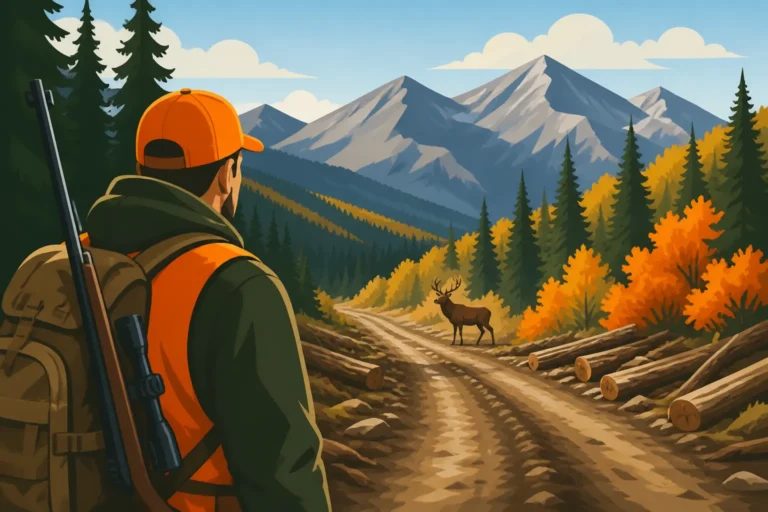
Old logging roads in Alberta foothills act as travel corridors for elk and deer, offering hunters easier access to wildlife.