Hunting a Cypress Hills Timber Pocket
Hunting those unique timber pockets scattered across Alberta's Cypress Hills can feel like trying to find a needle in a haystack, especially when you're used to more expansive forest or open prairie. It's frustrating to drive past these intriguing patches of trees, knowing they hold deer, but not having a clear strategy to approach them. This guide aims to break down the complexities of hunting these distinct pockets, offering practical, boots-on-the-ground advice to turn those elusive timber blocks into successful hunting opportunities.
Understanding the Unique Cypress Hills Ecosystem
The Cypress Hills stand as a truly unique geographical anomaly, rising out of the surrounding prairie. Unlike the vast boreal forest or the rolling foothills, the timber pockets here are distinct, isolated islands of cover, and understanding this ecosystem is paramount to hunting them successfully.
The Island of Timber in a Sea of Prairie
Imagine an elevated plateau, untouched by the last glaciation, creating a haven for flora and fauna distinctly different from the shortgrass prairie below. That's the Cypress Hills. These timber pockets, often a mix of lodgepole pine, aspen, and spruce, are critical thermal and escape cover for wildlife in an otherwise open landscape. They can range from small, dense bluffs of a few acres to larger, more connected stands covering hundreds of acres, often nestled into coulees or along higher ridges. The deer here, both mule deer and whitetails, have adapted their behaviour to this fragmented habitat. They learn quickly that these timber islands are their safe zones, and they'll use them extensively for bedding, shelter from harsh winds or sun, and as travel corridors between feeding areas. Ignoring the distinct characteristics of these timber pockets is a common mistake; they're not just mini-forests, they're strategic strongholds. For a broader overview of the region, check out our guide on Hunting Alberta's Cypress Hills.
Deer Behavior and Movement in Isolated Pockets
Deer in the Cypress Hills timber pockets operate on a pattern often dictated by the size and location of the pocket, as well as the proximity to food and water. In smaller, more isolated pockets, deer might bed down for the day, only moving out to feed in adjacent fields at dusk and returning before dawn. They become incredibly adept at melting into the thickest cover, often holding tight until you're nearly on top of them. In larger, more complex pockets, especially those connected by coulees or brushy draws, deer movement can be more extensive, utilizing internal trails and dense cover to traverse between different parts of the pocket or transition zones. You'll often find mule deer preferring the higher, more open timber edges and south-facing slopes, while whitetails will gravitate towards the denser, thicker underbrush, especially along creek bottoms or in the aspen stands. Understanding these subtle preferences is key. For a deeper dive into deer habits in the region, consider our article on Mule Deer Hunting Alberta's Prairie and Badlands or Whitetail Hunting in Alberta. It’s a constant chess match, and the deer here have learned to play it well.
Strategic Scouting for Cypress Hills Pockets
Effective hunting in the Cypress Hills starts long before you ever step foot in the woods. These elusive timber pockets demand thorough scouting, both from the comfort of your home and with boots on the ground. Rushing into a new pocket blindly is a recipe for frustration.
Digital Reconnaissance with Modern Mapping Tools
Before you even load up your truck, dedicated time with digital mapping tools is non-negotiable for hunting these timber pockets. Platforms like GoHunt are invaluable for understanding the lay of the land without leaving your couch. Start by identifying the timber pockets within your chosen WMU. Look for areas where dense forest transitions into open fields or coulees. Pay close attention to elevation changes, as deer will often utilize terrain for travel and thermal regulation. Identify potential pinch points, saddles, or natural funnels where deer movement might be concentrated. Look for water sources, old homesteads, or agricultural fields bordering the timber – these are often key indicators of where deer are feeding.
The beauty of these digital tools, like those offered by GoHunt, is that you can layer different maps, from satellite imagery to topographic lines, and even identify Crown land boundaries or grazing lease access points. This helps you develop a game plan before you drive hundreds of kilometers. You can literally drop pins on potential bedding areas, travel corridors, and advantageous stand locations. It helps you prioritize which pockets to scout in person, saving valuable time and fuel. This kind of homework is crucial, much like when you're Scouting an Alberta WMU Before Season. Don't underestimate the power of a few hours spent digitally navigating the landscape; it can be the difference between a successful hunt and a wasted trip.
Boots-on-the-Ground: Reading the Timber and Terrain
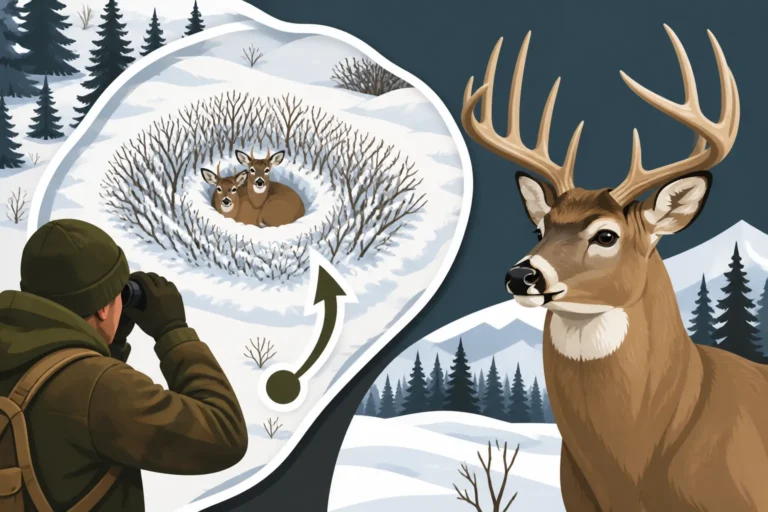
Once you’ve done your digital homework, it’s time to hit the ground. Nothing beats physically walking the timber pockets to confirm your theories and uncover fresh sign. Look for heavily used deer trails entering and exiting the timber, especially those leading to feeding areas in adjacent stubble fields or winter wheat. Pay close attention to rub lines and scrapes, particularly during the pre-rut and rut, as these indicate active bucks. Bedding areas will often be identifiable by matted-down grass or depressions in the snow, usually in the thickest cover where deer feel secure.
Focus your ground scouting efforts on the transition zones – the edges where the timber meets open ground, or where different types of timber meet. These are high-traffic areas. Also, don't neglect the less obvious spots, like small isolated clumps of trees within a larger pocket that might be overlooked, or the bottom of a steep coulee that offers hidden travel. Remember, deer are masters of camouflage, and these pockets offer excellent cover. Walk slowly, observe, and listen. Take note of prevailing wind directions and how they might affect scent disbursement in specific areas. Use your phone’s GPS to mark every piece of sign you find. This boots-on-the-ground intelligence is vital for creating a detailed picture of deer activity within the pocket. You're trying to figure out where they live, eat, and travel, and that means reading every clue the land offers.
Proven Hunting Methods and Tactics
Once you've done your scouting, it's time to translate that knowledge into effective hunting strategies. The Cypress Hills timber pockets, with their unique structure, lend themselves to specific approaches that maximize your chances of success.
Still Hunting and Stand Placement for Secluded Deer
For smaller, denser timber pockets, still hunting can be incredibly effective. This involves moving slowly, taking a few steps, and then pausing for several minutes to observe and listen. The goal is to detect deer before they detect you. Pay meticulous attention to wind direction, always hunting into the wind or with a crosswind. Use the terrain and available cover to break up your silhouette. Think about how the deer will react when they hear or see you; will they bolt into the open, or try to circle downwind to get your scent?
When it comes to stand placement, aim for areas where multiple trails converge, or along pinch points that naturally funnel deer movement. The edges of the timber pockets are often prime locations, especially if they overlook a feeding field or a water source. Inside larger pockets, look for natural clearings or saddles between ridges that deer might use as travel routes. Consider a mobile setup, like a climber or lightweight hang-on stand, so you can adapt to fresh sign or changing conditions. Setting up near a scrape or a rub line can be deadly, particularly during the rut. For advice on specific setups, our guide on Hanging a Stand on an Alberta Bush Edge might offer some useful perspectives, even though the context is slightly different, the principles of edge placement hold true. Remember, the deer in these pockets are often mature and wary, so stealth and patience are your best allies.
Coordinated Drives and Push Tactics
For larger, more expansive timber pockets, especially those with multiple entry and exit points, a well-executed drive or push can be a highly productive tactic. This usually involves a small group of hunters, with "drivers" slowly moving through the timber towards "standers" positioned at strategic exits. Communication is absolutely critical here – ensure everyone knows the boundaries, safety zones, and specific roles. Drivers should move deliberately, stopping frequently to listen and scan, pushing deer out naturally rather than spooking them into an all-out run. They should also pay attention to fresh tracks or trails that might indicate deer attempting to slip around the edges.
Standers need to be positioned where they have good visibility of expected escape routes, often on the downwind side of the pocket, or overlooking coulees and draws that deer will naturally follow. Visibility can be limited in dense timber, so finding a slightly elevated position, even if it's just a small knoll, can make a huge difference. Safety is paramount: know where every hunter in your party is at all times. This method works well for pushing both whitetails and mule deer, as they will often try to sneak out ahead of the drivers rather than blast through the middle. While not specific to Cypress Hills, tactics discussed in Hunting a Cutline Intersection for Whitetails share common principles with positioning standers and drivers at strategic bottlenecks.
Overcoming Cypress Hills Hunting Challenges
Hunting in the Cypress Hills isn't without its unique set of challenges. From unpredictable weather to navigating land access, a prepared hunter anticipates these obstacles and plans accordingly.
Weather, Terrain, and Access Considerations
The weather in the Cypress Hills can be notoriously fickle, shifting rapidly from warm, sunny days to bitter cold and heavy snowfall, sometimes all within a single hunt. Being prepared for anything is key. Pack layers, waterproof outerwear, and good quality insulated boots. The terrain, while not as dramatic as the Rockies, can still be deceptively steep, especially within the coulees and draws that often dissect the timber pockets. These areas can become slick and muddy with rain or treacherous with snow and ice, so sturdy footwear with good traction is essential.
Access can be another major hurdle. Many timber pockets, especially the larger, more desirable ones, are on private land or grazing leases. Gaining permission is non-negotiable. Always check land ownership maps (which you can often do through GoHunt or by consulting provincial recreational access tools like Using Alberta's Recreational Access Mapping Tool) and secure permission well in advance. Don't assume. Some areas are managed by the Alberta Parks system and may have specific regulations or closures you need to be aware of. Road conditions can also deteriorate quickly with adverse weather, turning a short drive into a stuck vehicle scenario. Always let someone know your hunting plans, including your route and expected return time. Planning for these variables is just as important as knowing how to stalk a buck.
Respecting Landowners and Securing Permission
The Cypress Hills region is a patchwork of private land, Crown land, and grazing leases. Building relationships with landowners is the cornerstone of successful and ethical hunting here. Without access, those prime timber pockets are effectively off-limits. Start by identifying the landowners of the parcels you're interested in using digital mapping tools. Then, approach them well before the season, or at least a few weeks out. A face-to-face conversation, where you introduce yourself, explain your intentions, and ask politely for permission, goes a long way.
Be respectful of their time and property. Offer to help with chores, share your harvest, or simply be a good steward of their land. Ask about specific rules they might have, such as no driving off established trails, where to park, or which gates to close. If you get permission, leave the property cleaner than you found it. Follow up with a thank-you note or a small token of appreciation after your hunt, regardless of success. This builds trust and ensures future access for you and other hunters. Remember, getting permission from a grazing leaseholder is also critical, as they manage the land even if it's technically Crown land. Our article on Asking a Grazing Leaseholder for Access provides more detailed advice on this important topic. Your reputation, and the reputation of all hunters, depends on your conduct.
| Hunting Tactic | Ideal Cypress Hills Scenario | Target Species Preference | Key Considerations |
|---|---|---|---|
| Still Hunting | Small, dense timber pockets, thick coulees, low hunting pressure | Whitetail, Mule Deer | Wind direction, slow movement, stealth, patience, good visibility |
| Stand Hunting | Near feeding areas, pinch points, heavily used trails, water sources | Whitetail (especially during rut), Mule Deer | Pre-scouted locations, quiet setup, thermal cover, scent control |
| Coordinated Drive | Larger, expansive timber blocks, multiple access points, group of 2-4 hunters | Mule Deer, Whitetail | Clear communication, safety, strategic stander placement, understanding deer escape routes |
Disclaimer
Hunting is an inherently risky activity. Always prioritize safety, adhere to all provincial and federal hunting regulations, and ensure you have the necessary licenses and permits. The information provided here is for educational purposes and should not replace professional guidance or your own due diligence. Conditions in the field can change rapidly, and hunters must exercise their own judgment and take responsibility for their actions.