Mule Deer Hunting Alberta’s Prairie and Badlands
Mule deer hunting in Alberta's vast prairie and striking badlands can be an incredibly rewarding experience, but let's be honest, it's also a hunt that can quickly test your patience, your optics, and your boots. Many hunters find themselves overwhelmed by the sheer scale of the landscape, struggling to locate deer in what often feels like an endless sea of grass and breaks, or misjudging stalks in the wide-open country. This comprehensive guide is here to walk you through everything you need to know, from understanding the unique habitats of these regions to mastering the art of the spot-and-stalk, ensuring your next mule deer adventure isn't just a walk in the park, but a truly successful endeavor.
Understanding Alberta's Mule Deer Country
Alberta's prairie and badlands offer some of the most unique and challenging mule deer hunting in North America. Unlike the forested regions, here the land dictates everything, from how deer move to how hunters must approach them. You're not just looking for deer; you're looking for deer habitat within the vastness, often small pockets that hold the key to success.
Prairie Topography and Habitat
The rolling grasslands of Alberta's prairie stretch for miles, punctuated by subtle undulations, coulees, and shelterbelts that provide critical cover for mule deer. These deer aren't just out in the open; they rely heavily on these natural features to evade predators and harsh weather. Imagine the subtle dips and rises that might not look like much from a distance but can completely hide a herd of deer, especially when they're bedded down. It's a land of hidden opportunities, where what seems flat is actually a mosaic of draws, high points, and often, agricultural fields that provide abundant food sources.
Successful hunters on the prairie quickly learn to "read" the land for these subtle changes. They understand that a small patch of willows in a low spot could be a bedding area, or that a long, winding coulee offers a natural travel corridor. The edges of cultivated fields, especially those with standing crops or swathed grain, are magnets for deer, offering both forage and security cover, particularly at dawn and dusk. This is where your glassing skills become paramount, as deer can seemingly materialize out of thin air if you're not meticulously scanning every inch of potential habitat. Think about those chilly mornings when the frost hangs heavy, and you're staring at what looks like an empty landscape, only to slowly pick apart a small group of muleys feeding along a distant field edge that’s barely visible above the horizon.
Moreover, water sources, even small dugouts or sloughs, become critical attractors, especially during drier periods. These aren't just places for deer to drink; they are often the focal points of their daily movements. Knowing where these water sources are, and how deer might approach or leave them, can provide a significant advantage. It's a frustrating reality when you spend hours glassing vast, open ground, only to realize later that the deer were consistently using a small, overlooked depression with a hidden water source. The prairie mule deer are masters of using every contour, every bit of brush, and every food source to their advantage, making a hunter's understanding of the terrain as important as their shooting skills.
Badlands Features and Deer Behavior
The badlands, with their dramatic eroded coulees, steep banks, and hoodoo formations, present an entirely different challenge. This isn't flat prairie; it's a labyrinth of draws and breaks that can make spotting deer both easier and harder simultaneously. The rugged terrain provides ample bedding areas, shaded pockets, and escape routes, allowing mule deer to disappear with incredible speed. Unlike the open prairie where deer might be visible for miles, in the badlands, they can be a hundred yards away and completely out of sight in the next fold of land.
The verticality and intricate nature of the badlands mean that deer often traverse steep slopes and navigate tight corridors. You'll find them bedded high on a sun-drenched ridge overlooking a vast expanse, or tucked deep into a shaded ravine, seeking refuge from the wind or heat. This is where a deep understanding of mule deer habits comes into play. For instance, in the heat of midday, deer will often seek out north-facing slopes or shaded overhangs. During colder weather, south-facing slopes, which capture more sun, become prime bedding spots. Their movements are largely dictated by these micro-climates and the availability of cover and browse.
The badlands are also known for their incredible isolation in certain areas, providing a sanctuary for mature bucks that have learned to use the terrain to their advantage. A hunter might spend days glassing, feeling like they're seeing every rock and shadow, only to have a monster buck materialize from a seemingly impossible spot. The challenge here isn't just finding them, but figuring out a stalk through the treacherous and broken ground without being spotted or winded. This means often long hikes, careful planning, and a keen eye for every potential hiding spot a deer might use to disappear. You might find a buck bedded in a small pocket of timber at the bottom of a deep coulee, seemingly invisible until you're right on top of him.
Winter Range and Seasonal Movements
Mule deer movements are heavily influenced by the seasons, particularly the transition into and out of winter. As the snow deepens and temperatures drop, deer will naturally seek out areas that offer more shelter and accessible food sources. This often means a shift from wide-open summer grazing lands to more timbered areas within the prairie or sheltered coulees and river bottoms in the badlands. Understanding these shifts is crucial for timing your hunt and focusing your efforts.
During the late fall and early winter, often when most general seasons are open, deer will be focused on feeding heavily in preparation for the harsh winter months. This is when agricultural fields, particularly those with standing corn, peas, or canola, become absolute hotspots. Deer will often commute from their secure bedding areas in brushy coulees to these fields at first and last light. You'll find that hunting the edge of a standing canola field edge can be incredibly productive during this time. As the season progresses and the snow gets deeper, these food sources might become harder to access, forcing deer into more sheltered river valleys or heavy brush.
The rut, which typically peaks in November for Alberta's mule deer, also causes significant changes in behavior and movement patterns. Bucks become much more active, ranging widely in search of does, often exposing themselves in areas they would typically avoid. This is a prime time for hunters, but it also requires an understanding of how the rut influences deer concentrations. Does will still gravitate to good food and cover, and bucks will follow. Identifying these key staging areas and travel corridors during the rut can be the difference between seeing a few does and encountering a trophy buck. Knowing how mule deer use coulees in winter can be a huge advantage for hunters willing to brave the colder temperatures and deeper snow.
Scouting Strategies for Prairie and Badlands Muleys
Scouting is paramount for mule deer hunting in Alberta's prairie and badlands. The vastness of the landscape means you can't just wander aimlessly; you need a strategic approach to narrow down high-probability areas. This isn't just about finding deer; it's about finding where they consistently are and how they use the terrain.
Pre-Season Digital Scouting
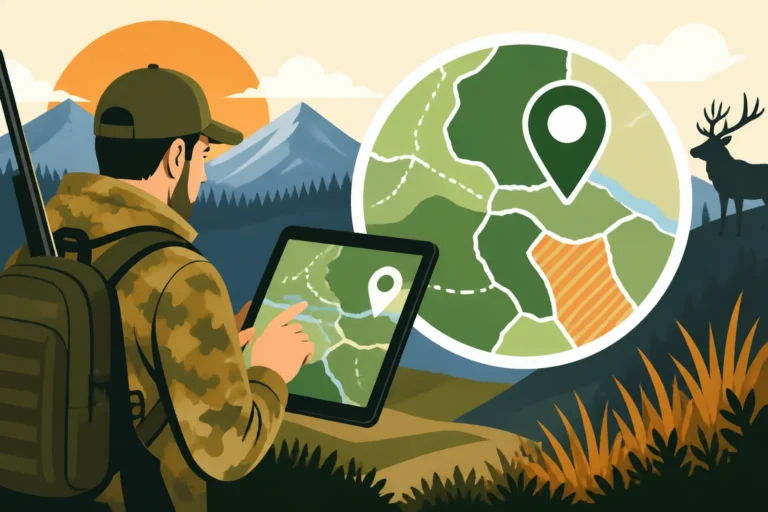
Before you even step foot in the field, modern digital scouting tools can give you a massive advantage. Satellite imagery and topographic maps are your best friends for breaking down vast landscapes into manageable chunks. Platforms like GoHunt, which offer detailed satellite views, landowner information overlays, and public land boundaries, are invaluable for identifying potential bedding areas, travel corridors, and feeding grounds from the comfort of your home. You can spend hours pouring over maps, marking promising draws, isolated bluffs, small patches of timber, or water sources that might otherwise go unnoticed during a quick drive-by.
Using these tools, I often start by looking for a combination of food, water, and cover. For the prairie, this means identifying agricultural fields adjacent to coulees or shelterbelts. I'll zoom in on topo lines to find the subtle dips and rises that could hide deer. In the badlands, I'm looking for the deepest, most intricate coulee systems, paying close attention to benches, north-facing slopes for summer shade, and south-facing slopes for winter sun. I also mark potential access points and plan my glassing locations. This digital reconnaissance allows you to enter the field with a solid game plan, focusing your physical scouting efforts on specific areas rather than blindly covering ground. Remember, a good map doesn't just show you where to go, it shows you where the deer might be, giving you a massive head start before hunting Alberta's September archery opener.
The beauty of digital scouting is the ability to analyze terrain features that might be impossible to see from ground level. You can identify potential pinch points between two fields, isolated stands of trees, or hidden spring-fed draws that hold moisture even in dry conditions. Many times, I've found overlooked small pockets of public land, Crown land, or even unleased grazing land using these mapping systems, leading to successful hunts in areas others ignore. It's about finding those often-missed, small pieces of habitat that can hold big deer, especially when you're hunting in areas that receive higher pressure. This detailed analysis helps in determining the best vantage points to glass from and potential routes for a stalk, long before you load your truck.
Boots-on-the-Ground Reconnaissance
As valuable as digital scouting is, nothing beats putting boots on the ground. Once you've identified promising areas on your maps, it's time to physically explore them. This doesn't necessarily mean stomping through every piece of cover; rather, it's about confirming what you saw digitally and looking for fresh sign. Walk the edges of potential bedding areas, check for tracks along fence lines, and inspect feeding areas for droppings and disturbed ground. The goal is to verify deer presence and understand their current patterns of movement.
During this phase, I focus on identifying active rubs and scrapes, particularly as the season draws closer to the rut. Fresh rubs on small trees or bushes indicate that bucks are in the area and actively marking their territory. Scrapes, often found along travel corridors or near bedding, are also strong indicators of buck activity. Pay attention to the size and freshness of tracks; larger, deeper tracks usually belong to mature bucks. It’s a frustrating experience to finally find a promising area only to realize all the sign is old and the deer have moved on. You want to find fresh sign.
Additionally, pay close attention to the wind patterns in the area. Wind in open prairie country can be incredibly unpredictable, swirling through coulees and around bluffs. Understanding these local wind currents is crucial for planning stalks. Observe how deer enter and exit feeding areas, and identify natural funnels or pinch points that they consistently use. This firsthand knowledge of deer behavior in specific locations, combined with your digital map data, will allow you to develop a more effective hunting strategy once opening day arrives. Finding a good spot to hang a stand on an Alberta bush edge might just be the ticket.
Reading Sign and Rutting Activity
Mule deer leave an abundance of clues, and learning to read them tells a story of their daily lives. Beyond tracks and droppings, rubs and scrapes become increasingly important as the rut approaches. A rub, where a buck has polished his antlers on a tree or shrub, tells you a buck is in the area. The size and height of the rub can give you an indication of the buck's maturity. Fresh rubs, with sap still oozing or wood freshly exposed, are gold. Scrapes, on the other hand, are pawed-out patches of bare earth, often with an overhanging branch (a "licking branch") that the buck has chewed or rubbed his preorbital glands on. These are communication hubs for deer.
As the rut heats up, bucks become bolder and more active, often making scrapes more frequently. You might find a whole line of scrapes along a field edge or a specific travel route. This tells you bucks are actively cruising for does. Does, in turn, will be frequenting bedding areas with good cover and prime feeding zones. Finding these doe groups is key during the rut, as the bucks won't be far behind. Learning to read whitetail sign in Alberta aspen bluffs can also apply to mule deer where their ranges overlap, giving clues about the type of cover and food sources deer are utilizing.
Don't forget about deer trails. Over time, deer will create discernible paths, especially when moving between bedding and feeding areas, or to water. Identifying these primary travel routes, and understanding how deer use them in different wind conditions, can allow you to position yourself effectively for an encounter. In the badlands, these trails often follow the contours of the coulees, making them natural ambush points if you can approach undetected. It's all about piecing together the puzzle that the deer leave behind, telling you where they've been, where they're going, and what they're up to.
Effective Hunting Techniques for Open Landscapes
Hunting mule deer in Alberta's prairie and badlands is often a game of patience, stealth, and keen observation. The expansive nature of the terrain demands different tactics than hunting in dense timber. You can't just walk and hope to stumble upon a deer; you have to actively seek them out with your eyes before ever thinking about a shot.
Spot-and-Stalk Excellence
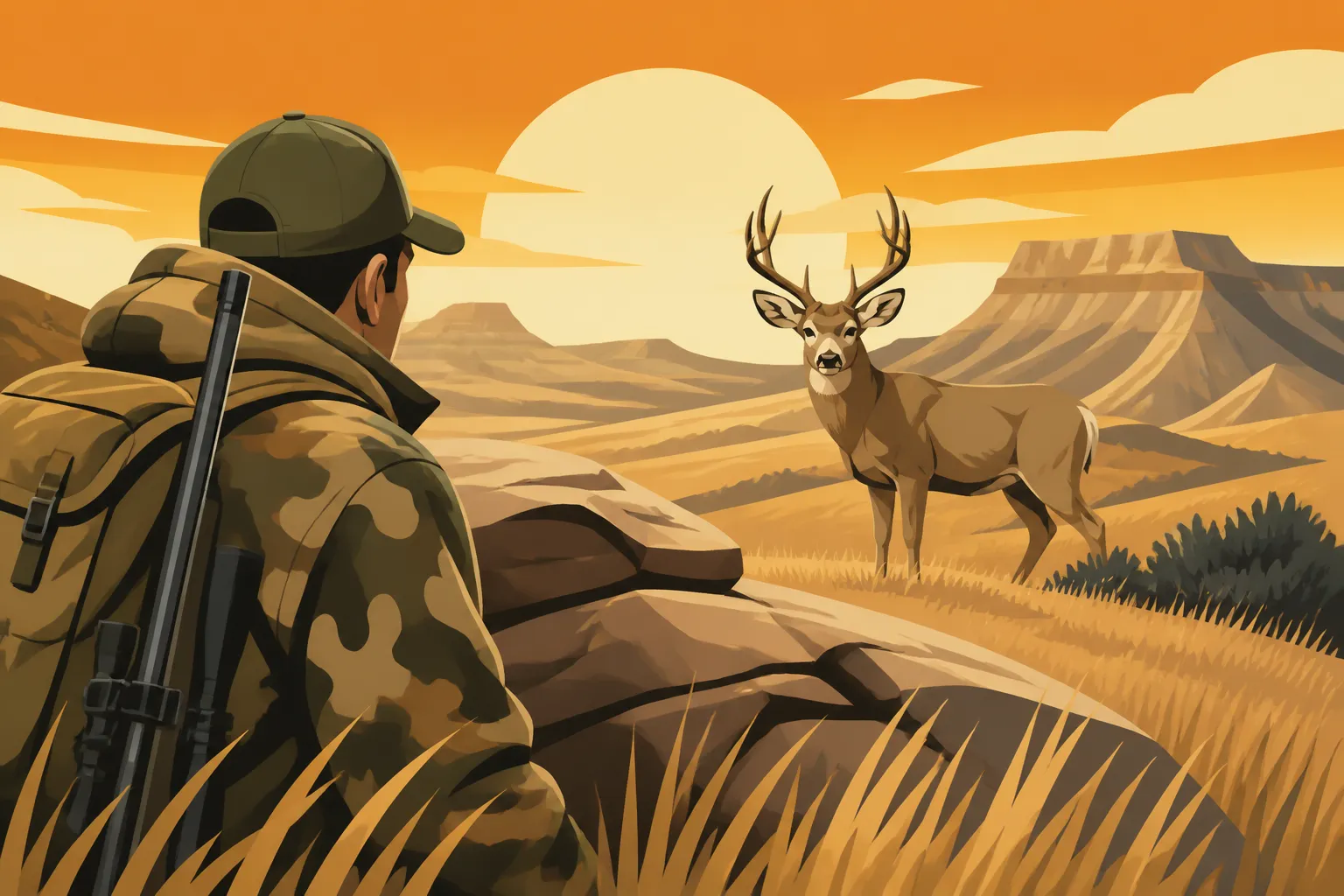
The spot-and-stalk method is king in open country, and for good reason. It’s the most effective way to hunt mule deer across the vast prairies and broken badlands. This technique involves finding deer from a distance, usually with high-powered optics, then carefully planning and executing a stalk to get within shooting range. The real skill lies in the "planning" and "executing" parts, as the open terrain offers little room for error. You need to use every available piece of cover, no matter how small, and understand how the wind is behaving.
A successful spot-and-stalk often starts by finding a high vantage point that offers an expansive view of the surrounding landscape. From here, you'll systematically glass every fold, draw, and patch of cover. Once a deer is spotted, the real work begins. Before moving an inch, you need to analyze the terrain between you and the animal, the direction of the wind, and the deer's current behavior. Are they feeding, bedded, or moving? Is there a depression, a ridge, or a stand of trees that you can use to approach undetected? What's your escape route if things go sideways? All these questions need answers before you commit. Stalking mule deer in badlands breaks requires extreme caution and patience, as sounds can travel far and the deer have excellent hearing.
The stalk itself needs to be slow, deliberate, and quiet. Often, you'll be crawling, duck-walking, or taking advantage of any small bush or rise in the ground for cover. Constantly check the wind with a wind indicator, and frequently re-evaluate the deer's position. Many a stalk has been ruined by a sudden shift in wind or an impatient move that spooks the deer. It's better to take an extra 30 minutes for a cautious approach than to blow the entire opportunity. Sometimes, waiting for the deer to move into a more favorable position or waiting out a tricky wind is the best strategy. The goal is to reach a comfortable shooting position without the deer ever knowing you were there, making every step count.
Glassing for Mule Deer
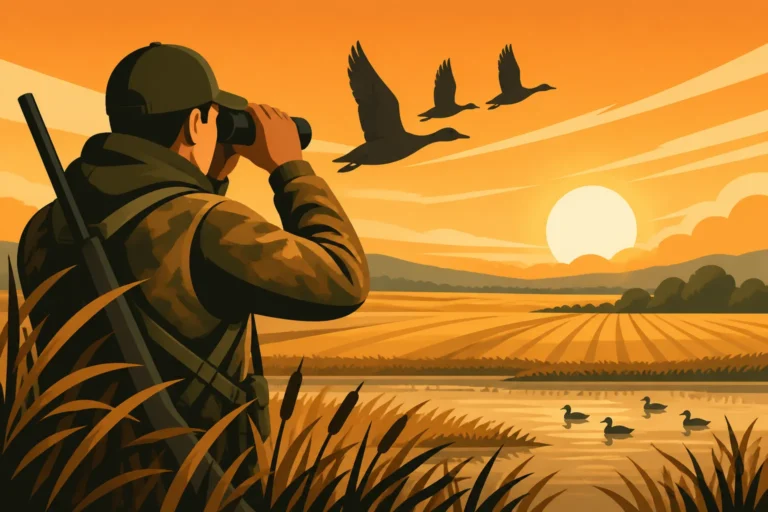
In open country, your binoculars and spotting scope are arguably more important than your rifle. Glassing is the art of methodically scanning the landscape with optics to locate animals. It's not just a quick sweep; it's a slow, deliberate process of picking apart every shadow, every cluster of brush, and every contour of the land. Most hunters glass too fast, missing deer that are bedded or partially obscured. Patience is crucial here.
To effectively glass for mule deer, find a comfortable position on a high point with a clear view. Set up your spotting scope on a tripod and use binoculars (10x or 15x are popular choices for this type of hunting) to do your initial wide sweeps. Then, switch to your spotting scope for more detailed examination of promising areas. Divide the landscape into grids and scan each section thoroughly, slowly working from near to far, side to side, or top to bottom. Don't just look for an entire deer; look for parts of a deer – an ear, an antler, a patch of hide that looks out of place, or the horizontal line of a back in a sea of vertical grass. Glassing an Alberta coulee for mule deer from a high vantage point is an excellent way to cover a lot of ground effectively.
The best times to glass are early morning and late evening, when deer are most active and visible. However, don't underestimate midday glassing. Deer often bed down on open slopes or in sparse cover, and a keen eye with good optics can pick them out. Sun angle also plays a huge role; sometimes, glassing an area with the sun at your back can reveal deer that were invisible minutes before due to glare. It's a continuous process that requires discipline and practice, but mastering it will dramatically increase your success rate. A quality tripod for your binoculars can also make a huge difference in reducing fatigue and allowing for longer, more stable glassing sessions, which is vital when you're spending hours staring at distant terrain.
Still-Hunting Coulees and Breaks
While spot-and-stalk and long-range glassing are primary methods, still-hunting through coulees and breaks can be very effective, especially during midday when deer are bedded, or when the wind is swirling, making long-distance stalks challenging. Still-hunting involves moving very slowly and deliberately, stopping frequently to glass and observe your surroundings. You're essentially stalking without a specific animal in sight, hoping to jump a bedded deer or catch one moving stealthily through cover.
When still-hunting coulees, move with the wind in your face or crosswind, never with it at your back, as your scent will travel ahead of you. Take small steps, pausing often (every 10-20 yards) to scan ahead and to the sides. Use your binoculars to pick apart every bit of cover before you move into it. Deer often bed just over a ridge or around a bend, relying on their senses and the terrain to avoid detection. You want to be the one spotting them first, giving you an opportunity for a quick shot or to plan a short, fast stalk. Remember, deer will often hold tight in thick brush, allowing you to walk right by if you're not paying attention.
Focus on terrain features that offer concealment and funnel deer movement. In the badlands, this might be a narrow draw leading to a more open basin, or a series of benches on a steep hillside. On the prairie, it could be a brushy bottom of a coulee or a shelterbelt running along a field. Always be ready for a shot, as encounters can be sudden and close. This method demands extreme stealth and constant vigilance. It's physically demanding, requiring you to navigate often uneven and brushy terrain quietly, but it can pay off by catching a mature buck off guard in his sanctuary.
Gear and Equipment for Success
Hunting Alberta's prairie and badlands demands specific gear to ensure comfort, effectiveness, and safety. The conditions can be extreme, from scorching sun and biting winds to sudden snow squalls. Your equipment choices can make or break your hunt.
Optics: The Hunter's Best Friend
As emphasized, optics are not just an accessory; they are a fundamental tool for mule deer hunting in open country. You'll need an excellent pair of binoculars, ideally 10×42 or 12×50, for general glassing and spotting animals at medium distances. For serious long-range work and evaluating antler size, a high-quality spotting scope is indispensable. Look for scopes with magnifications ranging from 20-60x or even higher, paired with a sturdy, lightweight tripod. Brands like Swarovski, Zeiss, Leica, and Vortex are top contenders, known for their clarity and low-light performance, which are critical when glassing at dawn and dusk.
Disclaimer
This article is for general informational purposes only and does not constitute professional advice. Laws, prices and regulations vary by location and change over time. Consult a qualified professional for guidance on your specific situation.