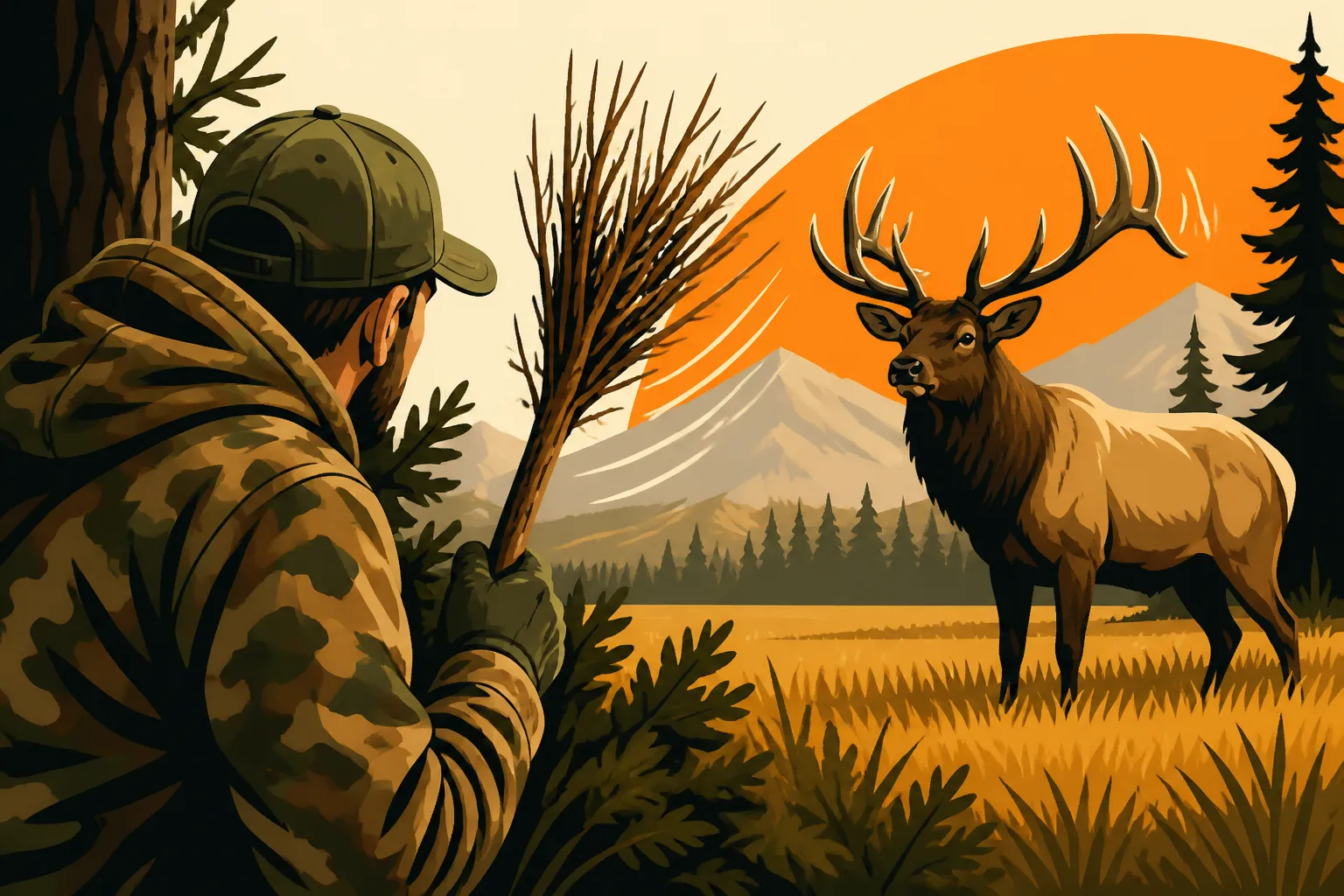
Raking Brush to Bring in a Bull
There's nothing quite like the silence of the deep Alberta bush, but during the moose rut, that silence can quickly become frustrating when you're trying to locate a bull. Many hunters rely solely on calling, but sometimes a bull needs more than just a vocal invitation. That's where the age-old, incredibly effective technique of raking brush comes into play, creating the sound and visual disturbance of a challenging bull to draw in that wary monarch of the forest.
The "Why" Behind Raking Brush for Moose
When you're out there, rattling sticks and grunting into a tube, it’s easy to forget what you're actually trying to accomplish: convincing a 1,000-pound animal that there’s another moose nearby, ready to compete. Raking brush isn't just about making noise; it’s about speaking a language that resonates deeply with a bull’s primal instincts.
Simulating a Dominant Bull's Presence
Think about a big bull moose in the peak of the rut. He’s feeling his oats, full of testosterone, and constantly sizing up the competition. He communicates his presence not just through grunts and bawls, but through physical displays of dominance. When a bull rakes brush, he's rubbing his antlers on trees and shrubs, tearing bark, and breaking branches. This isn't just a casual scratch; it's a declaration. It says, "I'm big, I'm strong, and I'm here."
By mimicking this sound, you're tapping into that inherent rivalry. A bull hearing your raking doesn't just hear a sound; he visualizes another bull physically demonstrating his power. This can be incredibly effective, especially if you're trying to pull a bull away from an area he's been quietly holding a cow in. The idea isn't just to make noise, but to create the impression of a physical presence that demands attention. It's a psychological game, and when played right, it works.
The Visual and Auditory Stimulus Combo
One of the greatest advantages of raking brush over just vocalizations is the combined sensory input it provides. A moose's hearing is phenomenal, but they also rely on sight, even in dense cover. A simple bull grunt might pique a bull’s interest, but if he doesn’t see or hear any follow-up, he might dismiss it as a distant call or even a non-threat.
When you rake brush, you're providing both a strong auditory cue and a subtle visual disturbance. The snapping of twigs, the tearing of bark, the rustling of leaves – these sounds are authentic to a bull actively working its antlers. If you're raking close enough to the edge of an opening, or within a semi-open stand of timber, you might even create enough movement to catch a bull’s eye. This visual confirmation, however slight, reinforces the auditory message. It's like adding proof to your claim. A bull that might be wary of a lone vocalization often responds more aggressively to the full sensory experience of a challenging bull. This realism is what can make a hesitant bull decide to investigate.
Mastering the Art of the Rake: Technique and Timing
Raking brush isn't just randomly thrashing branches. There's an art to it, a rhythm and a purpose that, when executed correctly, can draw in a bull that's otherwise playing hard to get. The goal is always to sound as natural and convincing as possible.
Choosing the Right "Rake" and Location
To truly mimic a moose, you need to understand their environment. Ideal trees for a bull to rake are often small, flexible conifers like spruce or pine, or deciduous shrubs like willow and alder, especially those with some denser branch structure. These allow for that characteristic "tearing" and "snapping" sound without sounding like you're breaking a two-by-four. Using a shed antler is the gold standard for authenticity – the rough texture and weight perfectly replicate a bull’s movements. If you don't have an antler, a sturdy, dead branch with some smaller tines or a fork can work well. Avoid using your rifle stock or anything that makes an unnatural metallic clang.
Location is just as critical. You want to rake in an area that feels natural for a bull to be, and where the sound will carry effectively. The edge of a muskeg opening, a dense willow run, or a cluster of small trees within a larger timber stand are excellent choices. If you’re hunting the open country, look for areas where the trees are dense enough to provide good cover, like the edge of a timber patch or a dense willow island. When you're Hunting Moose Around Alberta Beaver Ponds, the small, flexible saplings found there are perfect for realistic raking sounds. Consider where a dominant bull might choose to mark his territory or challenge another male. Often, this is just inside the tree line, near a travel corridor, or where two types of cover meet.
The Sequence: Rake, Call, Listen
Effective raking isn’t a continuous performance; it’s a strategic sequence that demands patience and attention to the bull’s responses. Here’s a typical pattern that often proves successful:
- Initial Rake (Moderate Intensity): Start with a series of deliberate rakes. Mimic the sound of antlers scraping bark, snapping smaller branches, and pushing through foliage. Make it sound like a large animal. This initial burst should last for about 15-30 seconds.
- Bull Grunt (Optional but Recommended): Immediately after your raking, follow up with a deep, guttural bull grunt. This adds the vocal component of the challenging bull, making the scenario far more convincing. It’s like the bull saying, "And I'm not just raking, I'm here too!"
- Silence and Listen (Crucial): This is where many hunters go wrong. After your rake and grunt, go completely silent for at least 5-10 minutes, sometimes even longer, especially if it’s thick cover. Moose are incredibly curious and often circle downwind to investigate. Listen for any return grunts, the snapping of branches as a bull approaches, or even the subtle swish of antlers through dense brush. Companies like GoHunt offer detailed mapping overlays that can help you identify strategic listening posts, allowing you to predict a bull's approach path.
- Repeat (Adjusting Intensity): If you don't hear a response, repeat the sequence, perhaps with slightly increased intensity in your raking. If you do hear a response, gauge its proximity and aggression. A close, aggressive grunt might warrant a softer, more subtle rake and grunt, drawing the bull in further without spooking him. Conversely, a distant, hesitant grunt might require a more assertive, prolonged raking session to convince him to close the distance.
Remember, you're engaging in a conversation. Don't be afraid to mix in a soft cow call occasionally during your silence, especially if you think a bull might be looking for a cow that's being harassed by a challenger. For more advanced calling techniques, check out our guide on Calling a Bull Moose in the Rut.
Common Mistakes and How to Avoid Them
Even with the right technique, it's easy to fall into traps that can undermine your efforts. Moose are intelligent and wary animals, and an unnatural sound or sequence can send them running in the opposite direction.
Over-Raking and Under-Raking
Finding the sweet spot for raking intensity is key.
- Over-raking: This is a common mistake for eager hunters. If you're constantly thrashing branches and making too much noise, it sounds unnatural. A real bull, even a dominant one, doesn't just continuously destroy the forest. He'll rake, perhaps grunt, then pause to listen, asserting his presence without overdoing it. Over-raking can make you sound like a desperate, erratic animal, or worse, like a human trying too hard. It can also alert a bull too early, giving him ample time to circle downwind and scent you.
- Under-raking: On the flip side, not making enough noise or making it too subtly can mean your efforts go completely unnoticed. Especially in dense boreal forest where sound gets absorbed quickly, a timid rake might not carry far enough to even reach a bull. You need to create enough disturbance to be heard from a distance, but not so much that it sounds like a continuous cacophony.
The trick is to listen to the forest around you. How far do natural sounds carry? What is the wind doing? Adjust your intensity based on these factors, and always err on the side of realism. Observe how real moose interact with their environment, either through video or past experiences, to get a feel for the rhythm.
Ignoring Wind and Terrain
This might seem obvious, but it’s amazing how often hunters get caught up in the excitement of calling and forget the fundamentals.
- Wind: Wind direction is paramount. Moose have an incredible sense of smell. If you're raking and calling, and a bull decides to investigate, his first instinct will often be to circle downwind to catch your scent before committing to a visual. If you don't pay attention to the wind, you'll likely get busted. Always try to position yourself so that any approaching bull will have to come within shooting range before he can get downwind of you. If you're Hunting a Cutline for Moose at First Light, consider which way the thermals are moving as the day warms up or cools down.
- Terrain: The terrain dictates how sound carries and how a bull might approach. In thick timber, sound is muffled, so you might need to rake a bit more aggressively. In more open country, like some parts of the parkland or along wide cutlines, sound can carry a long way, so subtlety might be more effective. Think about travel corridors: where would a bull naturally move through? Position yourself with good shooting lanes and a clear view of potential approach routes, especially if you're trying to pull a bull out of deep cover. GoHunt's detailed topographical maps can be invaluable for analyzing terrain and planning your setup.
Remember, a successful raking sequence isn't just about making noise; it's about intelligent application within the context of the environment and the moose's likely behavior.
Integrating Raking with Other Calling Strategies
Raking brush is a powerful tool on its own, but its true potential shines when it's seamlessly woven into a broader calling strategy. Think of it as part of an orchestra, where each instrument plays a vital role in creating a compelling performance.
Combining Raking with Bull Grunts
The bull grunt is the definitive vocalization of a male moose. When combined with raking, it creates an incredibly realistic and aggressive portrayal of a challenging bull.
- Adding Authenticity: A raking session followed by a deep, throaty bull grunt sends a clear message: "I'm here, I'm big, and I'm ready to fight." This combination mimics exactly what a bull would do in nature as he asserts dominance or tries to attract a cow. The grunt adds the vocal punch that often triggers a response from a nearby bull.
- Varying Grunt Intensity: Just like raking, your grunts should vary. A soft, contented grunt might indicate a bull in possession of a cow, daring others to approach. A louder, more aggressive grunt after a furious raking session signals a direct challenge. Pay attention to how the bull responds. A hesitant, distant grunt might warrant a stronger, more confident grunt from your end, while a bull charging in might only need a subtle grunt to keep him coming. Knowing When Alberta's Moose Rut Peaks can help you fine-tune your aggression levels, as bulls are often more responsive to challenge calls during the peak.
Using Raking to Pull Bulls Out of Thick Cover
One of the most frustrating scenarios is knowing a bull is in thick cover but he just won't come out. This is where raking brush can be your secret weapon.
- Intimidation and Curiosity: A bull in thick cover might be perfectly happy to stay hidden, especially if he has a cow or is feeling wary. The sounds of raking, particularly when combined with an aggressive grunt, can tap into his instincts. It might be out of sheer curiosity, wondering who dares to challenge him in his domain, or pure intimidation, prompting him to come out and confront the perceived rival.
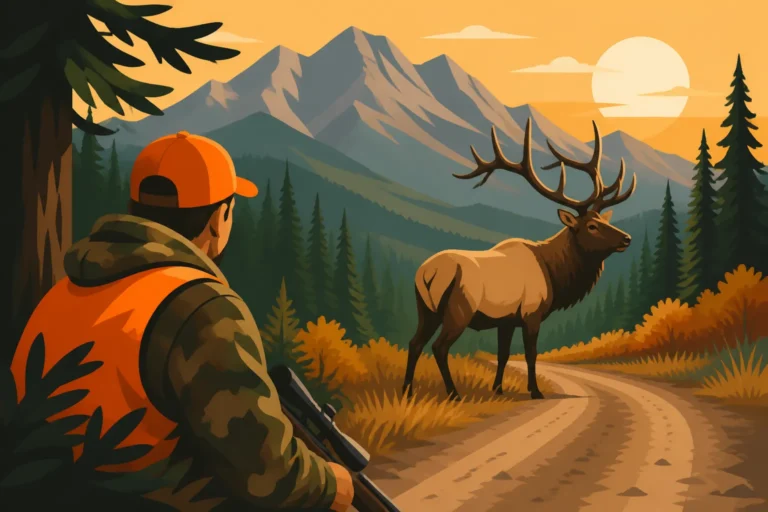
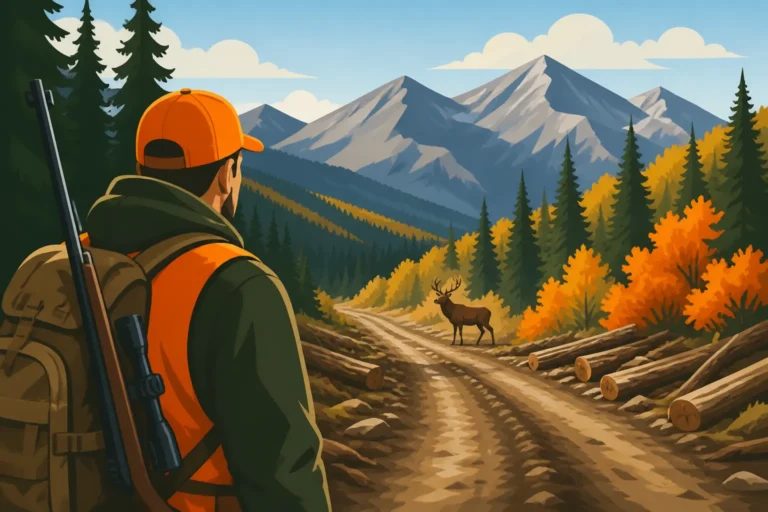
- Strategic Setup: When trying to pull a bull from dense cover, your setup is paramount. Position yourself near an opening, a clear cutline, or a small meadow where you can see a bull emerge. Rake and call from just inside the timber, then go silent. The bull will often approach cautiously, trying to pinpoint the source of the sound. As he steps into the open, that's your window of opportunity. Companies like GoHunt can help you scout these critical transition areas from cover to open ground, giving you a tactical advantage. For an idea of the size of the animal you're hoping to call in, consider What a Big Bull Moose Weighs.
This strategy requires patience. A bull might take a long time to commit, circling, testing the wind, and trying to get a visual. Remain absolutely still and quiet during the listening phases. If you're Hunting Alberta's Boreal Forest Country, you'll often encounter dense patches where this tactic really shines.
Here's a quick overview of raking scenarios:
| Scenario | Raking Intensity | Vocalization | Common Bull Response | Strategy |
|---|---|---|---|---|
| Distant Call (No Response) | Moderate to High | Aggressive Grunt | Curiosity, may grunt back | Long, deliberate rakes, aggressive grunts, long listening periods. |
| Hesitant Grunt (Distant) | Moderate | Confident Grunt | Slow approach, circling | Match intensity, maybe add soft cow call, focus on wind. |
| Close Grunt (Aggressive) | Soft to Moderate | Defensive Grunt | Charges in, looking to fight | Less raking, deeper grunts, prepare for quick shot. |
| Silent Bull in Cover | High | Aggressive Grunt | May emerge slowly, cautiously | Rake near openings, go silent, focus on spotting approach. |
| Possessive Bull (Wary) | Aggressive | Challenge Grunt | May come to investigate threat | Strong, sustained raking and grunting, be ready to move. |
Remember, every moose is an individual, and flexibility in your approach is key. But when you add the dynamic and realistic element of raking brush to your calling arsenal, you significantly increase your chances of bringing that bull moose into range in the vast Alberta wilderness.
Disclaimer
Please ensure you consult the most current Alberta Hunting Regulations before planning any hunt. Seasons, rules, and licensing requirements can change, and it is the hunter's responsibility to be fully informed and compliant with all provincial regulations.