Hunting Moose Around Alberta Beaver Ponds
It can be incredibly frustrating trying to find moose in Alberta’s vast, dense boreal forests or expansive foothills. These animals are masters of cover, often disappearing into thick timber or deep muskeg, leaving hunters feeling like they're searching for a needle in a haystack. But if you’re willing to think a little differently and focus on a specific, high-potential habitat, hunting around Alberta’s countless beaver ponds can be an absolute game-changer for consistently encountering these magnificent animals. This guide will walk you through exactly why and how these watery havens can become your secret weapon for success.
Why Beaver Ponds are Moose Magnets
Beaver ponds aren't just scenic spots; they are ecological powerhouses that create an irresistible buffet and sanctuary for moose. These industrious rodents, true engineers of the wild, fundamentally alter the landscape, transforming small streams into rich, marshy wetlands. This transformation is key to understanding why moose are so drawn to them.
The Ideal Habitat Mix: Food, Water, and Cover
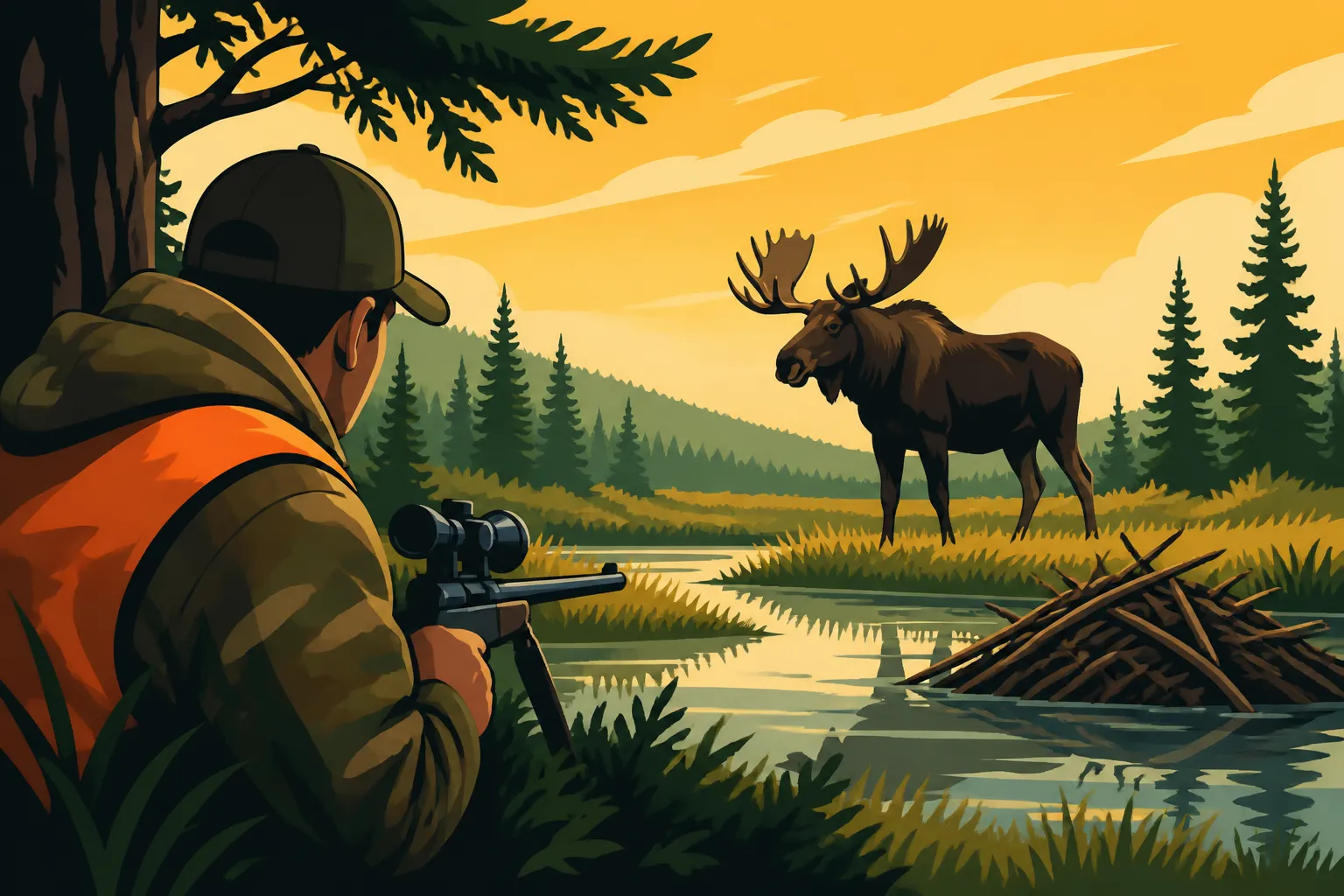
Think about what a moose needs to thrive: abundant food, ready access to water, and dense cover for security and bedding. Beaver ponds provide all of this in spades. The damming activity floods low-lying areas, killing off existing timber and creating standing deadfall that eventually falls, leading to a flush of new, tender growth around the edges. This includes succulent aquatic vegetation that moose absolutely crave, like pond lilies, horsetails, and various grasses. Beyond the aquatic menu, the disturbed soil and increased moisture around the pond perimeter promote the growth of willow, aspen, and birch – prime browse for moose, especially in the cooler months.
The water itself is crucial, not just for drinking but also as a means of escape from predators and biting insects. Moose will often wade into deeper sections to cool down or to escape the relentless swarms of mosquitoes and black flies that plague the Alberta bush in summer and early fall. And let's not forget the sheer density of cover. The flooded timber, emergent vegetation, and surrounding thickets of willow and spruce provide excellent concealment, allowing moose to feel secure while feeding or bedding down nearby. It's a self-contained ecosystem designed for moose comfort and sustenance, making it a prime location for hunters to focus their efforts.
Natural Travel Corridors and Edge Habitat
Beyond being a dining room and bedroom, beaver ponds often serve as critical hubs within a moose’s territory, acting as natural travel corridors and creating valuable edge habitat. Moose, like many large ungulates, are creatures of efficiency. They will naturally follow the path of least resistance, and the open water or slightly less dense vegetation along the edges of a beaver pond can often be easier to navigate than battling through thick, unbroken forest.
These ponds frequently connect different areas of a moose’s range – perhaps linking a dense bedding area to a higher-elevation feeding ground, or providing a path across a particularly boggy section of forest. The "edge" where the water meets the land, or where different types of vegetation meet, is famously productive in wildlife biology. It concentrates activity, offering a transition zone where moose can browse on both aquatic and terrestrial plants, utilize cover, and access water all within a small area. When scouting an Alberta WMU before season, look for these edge environments on maps or satellite imagery. The distinct lines where water meets timber or where a dense willow thicket gives way to open marsh are key indicators of potential moose movement.
How to Locate and Identify Productive Beaver Ponds
Finding the right beaver pond isn't about stumbling upon any old puddle. You need to be strategic in your search, using modern tools and old-school bushcraft to pinpoint the most promising locations. Not all beaver ponds are created equal when it comes to moose hunting potential.
Satellite Imagery and Topographic Maps
Before you even think about lacing up your boots, your best friends for locating productive beaver ponds are satellite imagery and topographic maps. Services like Google Earth or dedicated hunting apps like GoHunt are invaluable. Start by identifying areas within your chosen Wildlife Management Unit (WMU) that have perennial water sources – small creeks, streams, or low-lying areas prone to flooding. Look for the tell-tale signs of beaver activity: irregular-shaped ponds that don't quite follow natural contours, or areas where timber appears flooded and dead. You'll often see distinct dam structures, lodges, and even flowages or channels created by the beavers themselves.
Pay close attention to the surrounding topography. Ponds situated in lower drainage areas or nestled within larger blocks of dense timber are often more secluded and less disturbed, making them more attractive to moose. Also, look for connections to other features like cutlines, old logging roads, or natural game trails. These could indicate established travel routes that moose use to access the pond. Use the topographical information to identify subtle elevation changes around the pond, which might reveal higher ground that moose use for bedding or to gain an advantage against the wind. Mark these potential spots, noting any access points or natural barriers that might make your approach easier or more challenging.
Ground Scouting for Fresh Sign
While satellite imagery gives you a bird's-eye view, nothing beats boots-on-the-ground scouting for confirming moose presence and understanding their current patterns. Once you’ve identified potential ponds from your mapping, it’s time to hit the bush. Focus on finding fresh sign around the perimeter of the pond and along any connecting trails.
Look for moose tracks in the soft mud along the water's edge, or where game trails approach the pond. Fresh tracks, especially those with sharp edges, are a good indicator of recent activity. Droppings (pellets) are another excellent sign; fresh droppings will be moist and shiny, whereas older ones will be dry and dull. Also, keep an eye out for browse lines on willows, aspen, and other vegetation. Moose are heavy browsers, and you’ll see broken branches and stripped bark where they’ve been feeding. The height of the browse can often tell you if it's moose (typically higher than deer browse) and how recently they've been feeding. Don’t forget to scan for rub marks on trees, particularly smaller evergreens, where bulls might have rubbed their velvet or challenged saplings during the rut. Finding good moose sign is one of the most exciting parts of the scouting process, confirming that your satellite research is paying off.
Effective Hunting Strategies Around Beaver Ponds
Once you’ve found a promising beaver pond, the next step is to develop a solid hunting strategy. Moose hunting around these unique features requires patience, a keen understanding of moose behaviour, and a willingness to adapt to the terrain.
Still-Hunting and Stand Placement
Still-hunting is often one of the most productive methods around beaver ponds. This involves moving slowly and deliberately, taking a few steps, then stopping for several minutes to scan, listen, and glass the area. Moose blend into their surroundings incredibly well, and their dark coats can look just like shadowed timber or a clump of willows. The key is to be methodical, especially along the pond edges, watching for any movement, a flick of an ear, or the glint of an antler. Move into the wind, if possible, to keep your scent from drifting into the area where moose might be present. Consider the direction of the sun; approaching with the sun at your back can make it easier to see into shadowed areas.
For stand placement, if the terrain allows, look for elevated positions that offer a good view of the pond and its approaches. A sturdy tree stand or ground blind overlooking a well-used trail or a known feeding area can be highly effective. The dense cover often found around beaver ponds can make traditional ground hunting challenging due to limited visibility, so gaining an elevated perspective can be a huge advantage. Position yourself downwind from where you expect moose to appear, and ensure your shooting lanes are clear. Remember to consider the sun's position throughout the day to avoid being silhouetted or having glare obstruct your view.
Calling Strategies for Moose
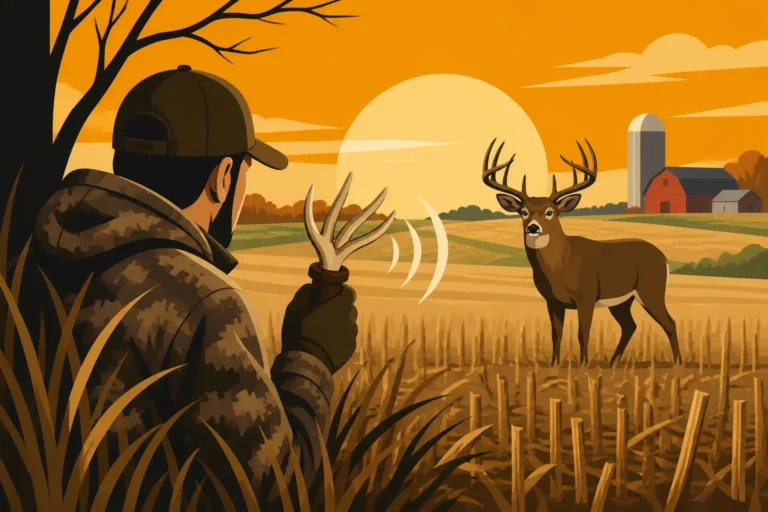
Calling can be incredibly effective around beaver ponds, especially during the rut. The acoustics over water can carry calls farther, and the open nature of some pond areas can make it easier for a bull to pinpoint the source. The classic moose call is a cow moan, mimicking an estrous cow looking for a bull. During the peak of the rut, this can bring in an inquisitive bull from a surprising distance. Combine cow moans with aggressive bull grunts and even raking brush to simulate a bull moving through the forest.
When calling, be patient. Moose don't always respond immediately. Sometimes, they'll circle downwind to scent-check the area before showing themselves. Position yourself strategically, perhaps concealed in a thicket near the pond edge, with clear shooting lanes in the direction you expect a moose to approach. If you get a response, be ready. A bull could come in quickly or take his time. Vary your calling, mimicking both excited and calm cow sounds, and don't be afraid to add some realistic grunts and rakes. Knowing when the moose rut peaks and practicing your calls beforehand will significantly increase your odds.
| Strategy Type | Best Use Case | Key Considerations |
|---|---|---|
| Still-Hunting | Early morning, late evening, quiet conditions | Move slowly, stop frequently, use wind, look for subtle movement, clear shooting lanes. |
| Stand Placement | Overlooking feeding areas, travel corridors, water | Elevated view, downwind position, clear shooting lanes, consider sun, safe entry/exit. |
| Calling (Cow) | Rutting season, drawing out curious bulls | Mimic estrous cow, use varied intensity, be patient, position for approach, good cover. |
| Calling (Bull) | Challenging existing bull, late rut | Aggressive grunts, raking brush, be ready for direct approach, consider bull's size. |
Wading and Accessing Boggy Areas
Beaver ponds, by their very nature, mean water and often extensive boggy, marshy areas. Don’t be afraid to get wet, but do so safely and prepared. High-quality waterproof boots or waders are essential. Sometimes, the easiest or most strategic way to navigate around a pond, particularly for a quiet approach, is by wading along the shallower edges or through the marsh. This also helps mask your scent and sound compared to crashing through dry brush.
However, safety is paramount. Always be aware of water depth, especially when crossing channels or areas near the dam. The bottom can be uneven and treacherous, with submerged logs, deep mud, or sudden drop-offs. In colder temperatures, the risk of hypothermia increases dramatically if you get soaked. Consider using a sturdy walking stick to probe the depth and stability of the bottom ahead of you. These boggy approaches can be where moose feel most secure, so being able to access them quietly gives you a distinct advantage. Remember to check regulations for quad and side-by-side rules on Crown land if considering vehicle access, as many sensitive wetland areas are restricted.
Seasonal Considerations for Beaver Pond Hunting
The success of your beaver pond hunt can vary significantly depending on the time of year. Each season presents unique opportunities and challenges that you’ll need to account for in your planning.
Early Archery and Rifle Seasons
The early archery and rifle seasons, typically in September and early October, can be prime time for beaver pond hunting. During these warmer months, moose are still very active, feeding heavily to build up fat reserves for winter. The aquatic vegetation in beaver ponds is at its peak, providing an irresistible food source. Moose are also seeking out water to cool down and escape insects, so you’ll often find them wading or standing in the pond itself.
One key advantage of this period is the rut, which often kicks off around mid-September and continues into October. Bulls will be actively seeking cows, and calling can be incredibly effective. A cow moan might just bring a bull charging through the willows to investigate. However, be prepared for warmer temperatures, which means extra challenges for meat care in Alberta's cold and warm swings. You’ll need to have a plan for quick processing and cooling of your harvest. Also, dense foliage can limit visibility, making it crucial to scout for open shooting lanes. Consider focusing your efforts around dawn and dusk, when moose are most active.
Late Season and Winter Hunting
As the calendar turns to late October, November, and into the deep cold of winter, beaver pond hunting takes on a different character. The aquatic vegetation dies back, and moose will shift their focus to woody browse like willow and aspen, which are still abundant around the pond edges. Water sources that were open earlier in the year will begin to freeze over, but the ponds themselves can still be productive as they offer dense cover and often sheltered pockets from the biting wind.
In the late season, fresh snow can be your best friend. Moose tracks in deep snow are easy to follow, allowing you to identify active travel routes to and from the beaver pond. This is an excellent time for tracking a moose in fresh snow, especially around the timbered edges of a pond where they might be bedding. As temperatures drop, moose will conserve energy, often moving less and bedding in thick cover for longer periods. Your strategy might shift from active calling to more patient still-hunting or watching known travel corridors, like a frozen slough crossing that leads to the pond.
When hunting Alberta winter weather safely, remember to layer up, carry emergency supplies, and be extra cautious about ice thickness on the pond. While the surface might appear solid, thin spots can exist, especially around dam structures or where currents flow. A fall through thin ice in freezing temperatures can be life-threatening. Despite these challenges, the late season can offer incredible opportunities, especially after a fresh snowfall, when the landscape is quiet, and moose are easier to spot against the white backdrop. The boreal forest around places like Whitecourt or Lac La Biche has countless beaver ponds that become excellent late-season moose habitat.
Disclaimer
Hunting is a challenging and rewarding activity that requires careful preparation and adherence to all regulations. The information provided in this guide is for informational purposes only and should not be taken as legal advice. Always consult the most current Alberta Hunting Regulations, available through Alberta Environment and Protected Areas (AEP), before heading into the field. Ensure you have all necessary licenses, permits, and landowner permissions. Prioritize safety, ethical hunting practices, and respect for wildlife and the land.