Colour Phase Black Bears in Alberta
One of the most common surprises for new hunters coming to Alberta, or even seasoned locals who haven't spent much time in bear country, is discovering that not all "black bears" are actually, well, black. It's easy to picture a big, dark silhouette, but the reality is much more colourful. This guide will dive deep into the fascinating world of colour phase black bears in Alberta, helping you understand why they come in such a beautiful array of hues, how to identify them, and what to consider when you're hunting these unique animals.
Understanding Black Bear Colour Phases in Alberta
It's a bit of a misnomer, isn't it? "Black bear" suggests a single, uniform colour, but Mother Nature had other plans, especially here in Alberta. You see, the term "black bear" (Ursus americanus) refers to the species, not necessarily their coat colour. These variations are purely genetic, like how humans have different hair colours. It's not about what they eat, or where they live, or how much sun they get; it's all in their DNA.
The Genetics Behind the Gorgeous Hues
At its heart, the presence of colour phase bears is a genetic quirk. A bear's fur colour is determined by genes, specifically those that control pigment production. While black is the dominant colour, recessive genes can lead to a whole spectrum of other shades. These recessive genes might have been more prevalent in certain historical populations, or perhaps environmental factors over generations allowed specific colour variants to thrive and reproduce. It's a natural evolutionary tapestry that results in these stunning coats. What's truly interesting is that a single litter of cubs can often display multiple colour phases, with some being black, others chocolate, and maybe even a blonde or cinnamon cub right alongside them, all from the same sow. It really drives home the point that it’s all about those underlying genetics. This genetic diversity is a testament to the adaptability and natural variation within the species, making every encounter with an Alberta black bear a potential surprise.
A Spectrum of Shades from Black to Blonde
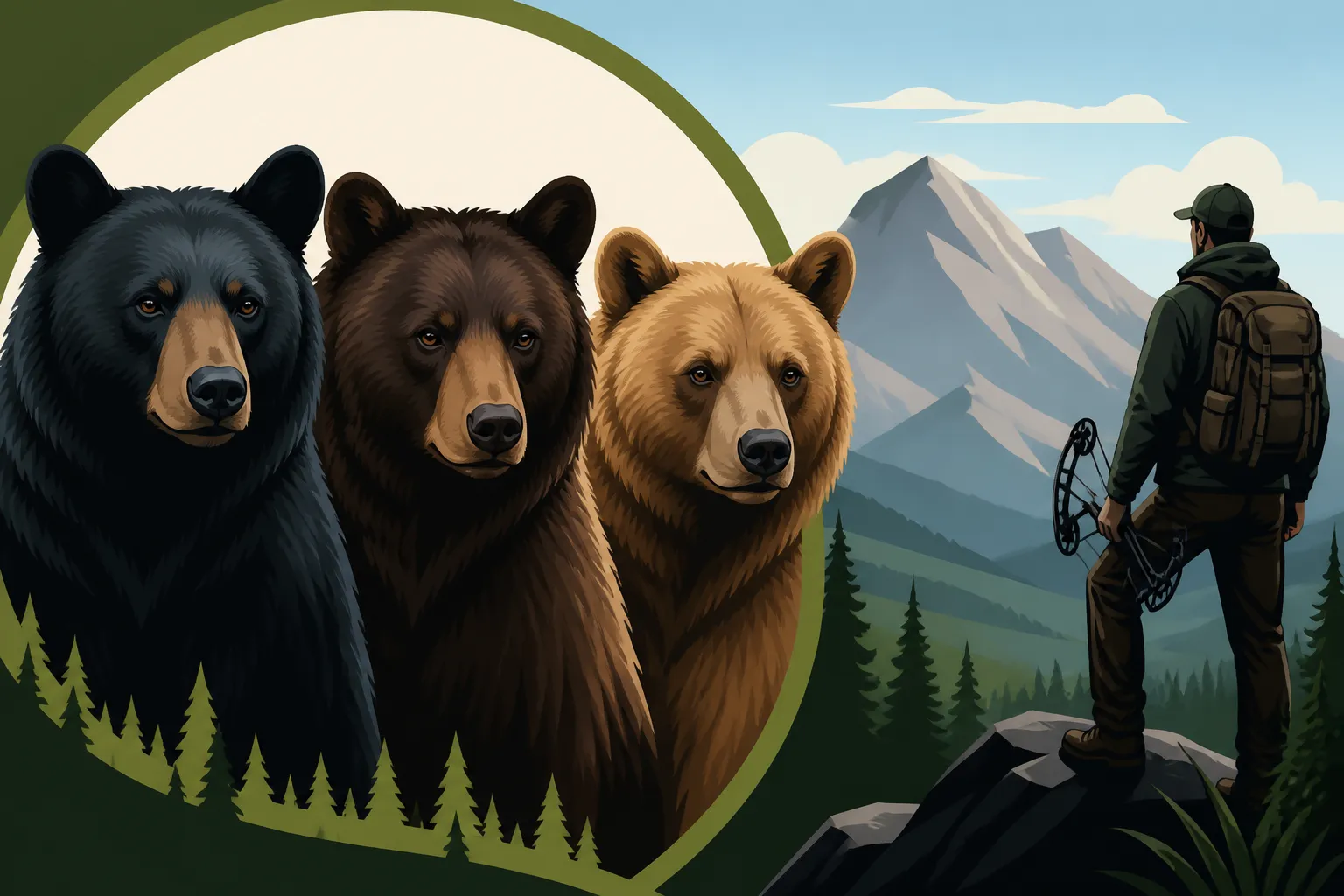
When you head into the forests and foothills of Alberta, you might be lucky enough to spot more than just the traditional jet-black bear. The most common alternative is the chocolate phase, a deep, rich brown that can sometimes look almost black in certain light conditions. Then there’s the cinnamon phase, which is often a lighter, reddish-brown, reminiscent of the spice it’s named after. Moving further along the spectrum, you might encounter blonde bears, which can range from a very light, creamy brown to an almost golden hue. There are even rare instances of white black bears, sometimes mistakenly associated with the Kermode bear (spirit bear) found in coastal British Columbia, which has its own distinct genetic anomaly. While true Kermode bears are generally confined to BC, Alberta's white-phased black bears are equally captivating, though incredibly rare. Each of these variations makes for a truly unique and memorable sighting, whether you're hunting or just enjoying the backcountry. The light conditions, especially in the early morning or late evening, can also play tricks on your eyes, making a chocolate bear look darker or a blonde bear appear more golden than it truly is, adding another layer to the identification challenge.
Identifying Different Colour Phases
Being able to accurately identify a bear's colour phase is more than just an interesting observation; it can be important for safety and, for hunters, for proper game management. While distinguishing between a chocolate and a cinnamon might seem subtle, knowing the full spectrum helps appreciate the animal. The critical skill, however, is being able to tell a colour phase black bear from a grizzly, which is a different species altogether with specific hunting regulations and inherent dangers.
Chocolate, Cinnamon, and Blonde Bears
Let's break down the more common colour phases you'll encounter here in Alberta.
- Chocolate: These bears are a deep, dark brown. Sometimes they can look nearly black, especially in low light or from a distance. Up close, or in bright sunlight, you'll clearly see the rich, dark brown tone. They might have lighter brown muzzles or ears. Many hunters are drawn to the chocolate phase for its striking richness and how the fur often shimmers.
- Cinnamon: A lighter, often reddish-brown hue. Think of the spice, and you'll have a good idea of this colour. Cinnamon bears are quite common in some areas of Alberta, particularly in the foothills and boreal regions. Their coats can be quite uniform or have lighter patches, often on the chest or belly. They tend to stand out against green foliage more than their darker counterparts.
- Blonde: These are the lightest of the colour phases, ranging from a pale, creamy tan to a light golden-brown. Blonde bears are less common than chocolate or cinnamon but are truly a sight to behold. They are often mistaken for grizzlies by inexperienced observers, which highlights the critical need for proper identification. The fur often has a softer, almost diffuse look to it compared to the darker bears.
When you're out scouting, having a good pair of binoculars and patience is key to accurately judging these colours. Different lighting conditions, from the dappled sunlight under a canopy to the bright open clearings, will make a huge difference in how a bear's coat appears. Using a mapping tool like GoHunt can help you identify areas known for varied bear populations, increasing your chances of spotting one of these unique colour phases.
Differentiating Colour Phase Black Bears from Grizzlies
This is arguably the most crucial skill for anyone spending time in Alberta's bear country. While a jet-black bear is unlikely to be confused with a grizzly, a blonde or cinnamon black bear can look remarkably similar to a young grizzly, or even a mature one, especially at a distance or in poor light. Making a mistake here can have serious consequences, both for your safety and in terms of wildlife regulations, as grizzly bears are a protected species with very limited, draw-only hunting opportunities in specific regions. If you are ever in doubt, err on the side of caution.
Here’s a table outlining the key differences to look for:
| Feature | Black Bear (Any Colour Phase) | Grizzly Bear (Any Colour) |
|---|---|---|
| Shoulder Hump | Absent or very slight | Prominent, muscular hump |
| Facial Profile | Straight from forehead to nose tip | Dish-shaped face, concave profile |
| Ears | Relatively large, rounded, upright | Relatively small, often rounded |
| Claws | Shorter, more curved, dark | Longer, straighter, lighter colour |
| Size | Generally smaller (though large individuals exist) | Generally larger, more robust |
| Track | Front paw print usually wider than long, claws closer to toe pads | Front paw print often longer than wide, significant gap between toe pads and claws |
Remember, these aren't always definitive on their own. For example, a young grizzly might not have a huge hump, and a very old black bear might develop a more sloped forehead. Always look for a combination of these characteristics. Pay particular attention to the shoulder hump – it’s a very reliable indicator. The facial profile is also a strong clue; black bears have a "Roman nose" or straight profile, while grizzlies have a more dished face. When you are looking for Black Bears in Alberta's Forests and Foothills, understanding these distinctions is paramount. Getting to know Where Alberta's Grizzlies Live Now can also help inform your bear identification efforts, though you should never rely solely on location.
Hunting Considerations for Colour Phase Bears
For many hunters, the prospect of harvesting a colour phase black bear is incredibly exciting. It offers a unique trophy and a beautiful hide that stands out from the traditional black. However, this excitement can also bring its own set of challenges and considerations.
How Colour Phases Impact Judging Size and Trophy Quality
It's a common hunter's dilemma: you spot a bear, and its stunning cinnamon or blonde coat immediately captures your attention. The vibrant colour makes the bear seem bigger, more robust, and more impressive than it might actually be. This is a real psychological phenomenon. A black bear with a unique colour phase often appears larger and more mature than a jet-black bear of the exact same size. The lighter coat can make the body look fuller, and the overall profile more commanding. This can lead to misjudgments, especially when you're trying to assess the bear's skull size or overall age. When you're Judging a Boar From a Sow With Cubs, this visual bias can become a significant factor. You might find yourself overestimating a younger bear simply because its coat is so captivating. It’s crucial to slow down, use your optics, and focus on physical characteristics like head-to-body ratio, ear size relative to the head, and overall body mass, rather than letting the beauty of the colour phase sway your judgment. A big-bodied black bear is a big-bodied black bear, regardless of its coat colour, so stick to your tried-and-true judging methods.
The Allure of a Unique Trophy
There's no denying the appeal. A rug or a full mount of a chocolate, cinnamon, or blonde black bear is a truly exceptional trophy. It tells a story and stands as a testament to the diverse wildlife found in Alberta. Many hunters specifically target areas known for higher percentages of colour phase bears, hoping to bring home one of these magnificent animals. Imagine a beautiful cinnamon bear rug displayed in your home, its rich reddish-brown fur a constant reminder of your successful Black Bear Hunting in Alberta adventure. This desire for a unique trophy often adds an extra layer of challenge and excitement to the hunt. For those who enjoy Setting a Bear Bait Site in Alberta, strategically placing baits in areas with known colour phase populations can increase your odds. Remember, though, the ethics of the hunt remain paramount, regardless of the colour of the animal. Enjoy the beauty, but always prioritize a clean shot and respectful harvesting practices.
Ethical Considerations and Conservation
While the pursuit of a colour phase bear is thrilling, it's vital to maintain ethical hunting practices and be mindful of conservation. All black bears, regardless of colour, are managed under the same regulations. There are no special tags or limits based on coat colour in Alberta. This means that if you choose to pursue a colour phase bear, you're doing so within the general framework for black bear hunting. Ensuring you make a clean, humane shot is always the priority. Also, it's imperative to confirm that what you're seeing is indeed a black bear and not a grizzly, as mistakenly harvesting a grizzly bear has severe legal consequences. Participating in the CWD testing program for bears, if required in your specific WMU, also contributes to overall wildlife health monitoring. Your commitment to ethical hunting ensures that future generations can continue to appreciate the rich diversity of Alberta's wildlife, including these stunning colour phase black bears. Always be familiar with the Fall Bear Season Dates and WMUs and other regulations specific to the area you are hunting.
Where to Find Colour Phase Bears in Alberta
While black bears of all colours can be found across Alberta's forested regions, certain areas seem to produce a higher percentage of colour phase animals. Understanding these tendencies can help you focus your scouting efforts and increase your chances of encountering one.
Regions Known for Higher Colour Phase Prevalence
Generally speaking, colour phase black bears are more common in the western and northern parts of Alberta. The foothills, particularly areas like the Hunting the Livingstone-Porcupine Hills and the regions west of Rocky Mountain House and Nordegg, are known for their healthy populations of black bears, including a good percentage of chocolate and cinnamon animals. As you move north into the vast boreal forest, especially in areas like the Peace Country and around Whitecourt and Fox Creek, you'll also find a significant number of colour phase bears. This is often attributed to the historical genetics of the bear populations in these more remote and expansive forest systems. Conversely, bears in the more fragmented parkland and agricultural areas, while present, might have a slightly lower prevalence of the lighter colour phases, though you can certainly still find them anywhere. Utilizing detailed maps, perhaps even with a platform like GoHunt, to identify prime habitat in these regions, can give you an edge in finding potential bear activity.
Habitat Preferences of Colour Phase Bears
It's important to clarify that colour phase black bears don't have different habitat preferences because of their colour. A blonde bear and a black bear from the same litter will generally seek out the same types of food, cover, and denning sites. They are still black bears, after all. However, what we sometimes observe is that certain habitats that support healthy, thriving bear populations overall, often also happen to be the regions where the genetic traits for colour phases are more prevalent. So, instead of looking for specific habitat for a cinnamon bear, you should focus on excellent black bear habitat in general, within those regions known for higher colour phase occurrences. This means looking for dense cover, berry patches, cutblocks, natural corridors along creeks and rivers, and areas with good mast crops. During the Spring Bear Hunting Alberta's Cutblocks season, these regenerating areas are absolute magnets for bears of all colours looking for early greens. Focusing on quality habitat in the right general region is your best bet for encountering a variety of colours. Always consider how habitat changes affect game movement, and remember that Hunting Alberta Winter Weather Safely requires extra precautions, regardless of your target species' color.
Disclaimer
This guide is intended for informational purposes only and is not a substitute for the official Alberta hunting regulations. Always consult the most current Alberta Hunting Regulations Guide and other relevant provincial and federal laws before planning any hunting trip. Regulations, season dates, and specific rules can change annually. The information provided herein is general in nature and may not apply to all specific situations or locations. Hunting carries inherent risks; always prioritize safety and ethical practices.