Fall Bear Season Dates and WMUs
Trying to pin down the exact dates for Alberta's fall bear season, especially with all the various Wildlife Management Units, can feel like navigating a dense forest. It's a common frustration, leaving many hunters scratching their heads. This comprehensive guide is designed to shed light on Alberta's fall bear season dates and the specific WMUs where you can pursue these incredible animals, making your planning straightforward and successful.
Understanding Alberta's Fall Bear Season Basics
Many hunters are familiar with the excitement of a spring bear hunt, but Alberta's fall bear season offers a truly distinct experience that often flies under the radar. Unlike spring, when bears are emerging from hibernation, looking for fresh greens and bait, fall bears are in a completely different phase. They are actively feeding to pack on crucial fat reserves for the upcoming winter denning period, making them highly focused on food sources like berries, nuts, and agricultural crops. This metabolic drive can make them predictable, but also incredibly elusive if you're not in the right area or haven't done your homework.
The general timeframe for Alberta's fall bear season typically begins around September 1st and can extend well into November in many areas, though specific dates are always tied to individual Wildlife Management Units (WMUs). This extended period gives hunters ample opportunity to pursue bears, from the warm early fall days to the crisp, colder conditions as winter approaches. Hunting methods in the fall often revolve around scouting for natural food sources, glassing open areas, or still-hunting through timber. For those interested in deeper insights into bear behavior and hunting techniques, our guide on Black Bear Hunting in Alberta offers a wealth of information that's applicable year-round.
One significant difference from spring is the maturity of cubs. By fall, cubs born earlier in the year are larger and much more independent, but a sow with cubs is still a critical ethical and legal consideration. Hunters must be vigilant to identify their target correctly, especially if a sow appears alone but has cubs nearby in the thick cover. Bear activity can also be influenced by the availability of natural forage; a good berry crop in one area might mean bears are plentiful and less visible near traditional bait sites, while a poor crop might push them toward agricultural fields or into areas where baiting is permitted.
Navigating the detailed regulations for a fall bear hunt means understanding more than just dates. It involves grasping the nuances of Alberta Hunting Licences and What They Cost, specific WMU boundaries, and any special conditions that might apply. For instance, while baiting is common in the spring, fall baiting has its own set of considerations and is not universally permitted or practiced. Always consult the official Alberta hunting regulations each year to confirm details, as they can change. Many hunters find platforms like GoHunt invaluable for cross-referencing this information with real-time mapping to plan their excursions.
Navigating Wildlife Management Units (WMUs) for Fall Bear
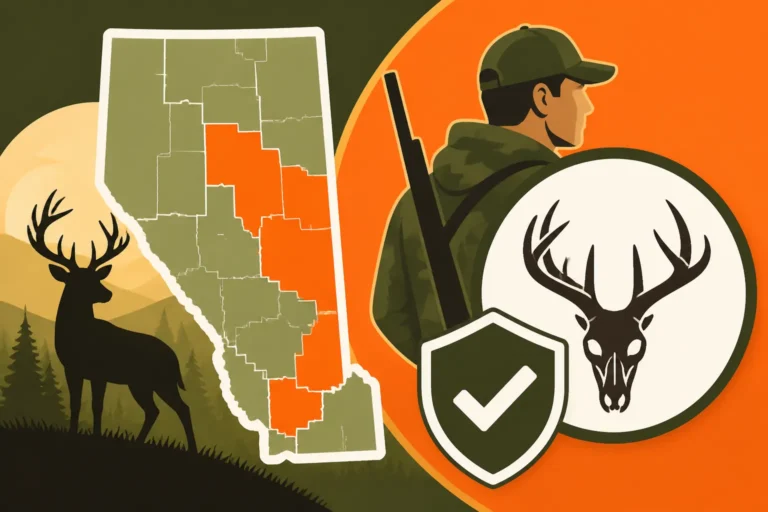
Understanding Alberta's Wildlife Management Units (WMUs) is absolutely non-negotiable for any hunter, and for fall bear season, it’s paramount. WMUs are geographical areas that define specific hunting seasons, bag limits, and regulations for various species. Without knowing which WMU you're in, you can't be sure of the legal dates for your hunt, potentially leading to fines or loss of hunting privileges – a frustration no one wants to experience after all the effort put into scouting. Our comprehensive resource on Alberta's Wildlife Management Units can provide a more in-depth explanation of how these areas are structured.
For fall bear, WMUs are especially crucial because season dates can vary significantly from one unit to another, even for adjacent areas. A WMU in the northern boreal forest might have different dates than one in the foothills, reflecting differences in bear populations, habitat, and management goals. For example, a WMU with a healthy, expanding bear population might have a longer or more liberal season, while another with specific conservation concerns might be more restrictive. This localized approach allows for more precise management of wildlife resources.
To successfully plan your fall bear hunt, you'll need to locate your target area on a WMU map and then cross-reference it with the official Alberta Guide to Hunting Regulations. These regulations clearly list the fall bear season dates for each individual WMU. It's not enough to simply know the general provincial season; you must know the specific dates for the WMU you intend to hunt. This is where tools that offer digital mapping capabilities combined with regulatory overlays, such as GoHunt, prove to be incredibly useful for pinpoint accuracy.
When you're trying to pinpoint the best WMU for a fall bear hunt, resources like detailed maps from Alberta Environment and Parks, or digital mapping applications, are your best friends. Pay close attention to WMUs that border agricultural areas, as fall bears are often drawn to fields of oats, peas, or canola for calorie-dense feed. WMUs within the province's "Green Area" (primarily public forest lands) will also often have robust bear populations, offering extensive access. However, remember to always verify land ownership, whether it's Public Hunting Land in Alberta or private, before venturing out.
Specific Fall Bear Season Dates and Considerations by Region
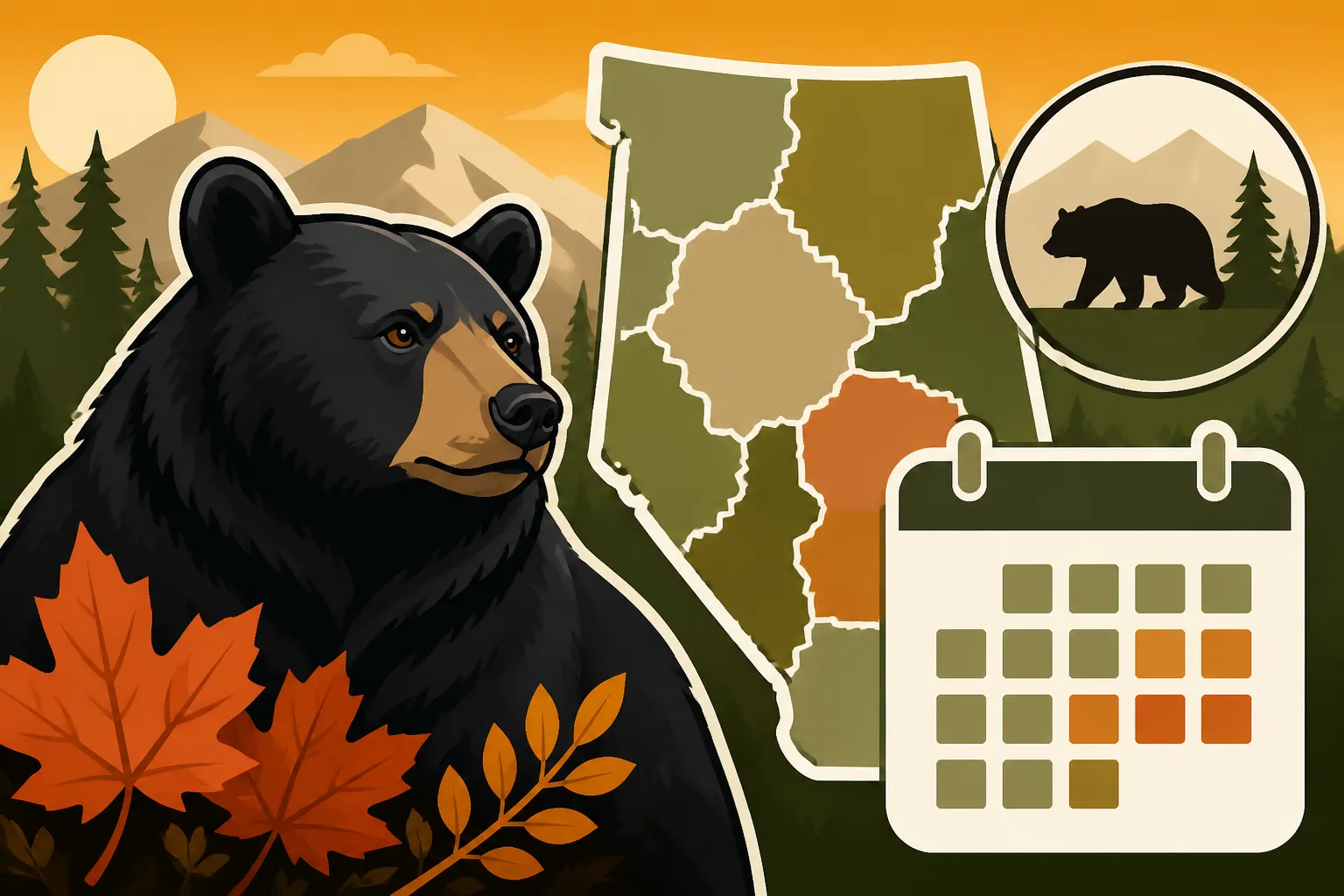
Alberta's fall bear seasons are typically structured to begin in early September and run through late October or even into November, depending on the specific WMU and the management objectives for that area. This extended season provides hunters with varied opportunities, from pursuing bears still focused on berry crops in the early fall to targeting those foraging in agricultural fields or around remote clearcuts as the weather cools. Knowing these dates is key, as is understanding the subtle differences between WMUs. For instance, the Alberta fall bear season dates and WMUs table below offers a generalized overview, but checking the precise dates for your chosen WMU in the annual regulations is non-negotiable.
Here's a general idea of how fall bear season dates can look across different regions, keeping in mind that these are typical ranges and specific dates fluctuate annually:
| Region/WMU Group | General Fall Season Start | General Fall Season End | Common Harvest Areas |
|---|---|---|---|
| Boreal Forest | September 1 | November 30 | Cutlines, clearcuts, berry patches, remote bush |
| Foothills | September 1 | October 31 | River valleys, logging roads, high country berry zones |
| Parkland | September 1 | October 31 | Aspen bluffs, agricultural field edges, riparian zones |
| Prairie/Badlands | September 1 | October 31 | Coulees, river breaks, agricultural areas |
It's important to note that while many WMUs offer a continuous fall bear season, some might have earlier closures or specific conditions, particularly in areas with higher human population density or where bear-human conflicts are more prevalent. For example, some WMUs within the "White Area" (settled agricultural land) may have shorter seasons compared to the expansive "Green Area" (forested public lands). Always consult the official Alberta Guide to Hunting Regulations for the current year to ensure you have the most up-to-date and accurate information for the WMU you plan to hunt.
Beyond the dates, consider the local conditions. In early fall, bears might still be heavily reliant on natural food sources like saskatoon, chokecherry, and buffaloberries. As these dry up or are consumed, bears often shift their focus to grains in agricultural fields or mast crops like acorns (though less common in Alberta compared to other regions). Later in the season, colder temperatures can make bears less active, but a persistent hunter might find them concentrated around the last available food sources or seeking sheltered areas before denning. This time of year, correctly Judging a Boar From a Sow With Cubs becomes even more crucial, as sows and cubs might be preparing to den and are easily mistaken in diminishing daylight.
For specific details, consider WMUs in the northern Boreal Forest, like those around Grande Prairie or Fort McMurray, where seasons often extend longer, reflecting the vast wilderness and healthy bear populations. In the Foothills, areas west of Rocky Mountain House or Cochrane often provide excellent opportunities, with seasons usually running through October. Platforms like GoHunt allow hunters to filter by species and WMU, giving a clear visual representation of season dates on interactive maps, which can save a tremendous amount of research time. Don't forget to account for your What a Black Bear Licence Costs and any other associated fees when planning your hunt.
Essential Tips for a Successful Fall Bear Hunt
A successful fall bear hunt in Alberta isn't just about knowing the dates; it's about preparation, strategy, and understanding bear behavior during this unique time of year. Unlike spring, when bears are often more predictable around bait sites or emerging from dens, fall bears are on a mission to put on weight for winter. This means their movements are dictated by food sources, which can vary greatly depending on the year's berry crop, mast production, or agricultural harvest schedules. Scouting is absolutely critical; focus on finding areas with abundant natural forage or active crop fields, paying attention to tracks, scat, and rubbed trees.
When it comes to gear, fall conditions in Alberta can be highly variable. Early September might feel like summer, while late October and November can bring snow and freezing temperatures. Layering is key, as is having appropriate footwear for potentially wet, muddy, or snowy terrain. Durable rain gear is a must, and a good pair of binoculars or a spotting scope is invaluable for glassing distant clearcuts, river breaks, or field edges. Remember that safety is paramount when hunting any big game, and particularly bears. Always carry bear spray, know how to use it, and hunt with a partner if possible. For insights on managing cold conditions, our guide on Hunting Alberta Winter Weather Safely offers valuable advice.
Ethical hunting and legal compliance are fundamental. Always carry your Alberta's WIN Card and Wildlife Certificate, hunting license, and bear tag. Upon harvesting a bear, immediate tag attachment and proper reporting are mandatory. Alberta's regulations also mandate specific rules for transporting game, including proof of sex. Ensure you are familiar with these requirements to avoid any issues. For hunters looking to understand more about specific hunting methods, exploring topics like Baiting Black Bear in Alberta or Spring Bear Hunting Alberta's Cutblocks can offer comparative insights, even if specific rules for fall differ.
Finally, while securing your tags and understanding the WMU specifics is step one, success often hinges on adapting to the conditions and remaining persistent. Fall bear hunting can be challenging, but it's incredibly rewarding. The opportunity to harvest a prime, well-fed bear with a beautiful coat, possibly even a stunning Colour Phase Black Bears in Alberta, is a fantastic experience. Leverage every resource available, from provincial regulations to community forums, and consider using advanced mapping tools like GoHunt to overlay land access, WMU boundaries, and satellite imagery to give you the ultimate advantage in the field.
Disclaimer
The information provided in this guide is for general informational purposes only and is not a substitute for the official Alberta hunting regulations. Hunting regulations, season dates, and WMU boundaries can change annually. Always consult the current Alberta Guide to Hunting Regulations published by Alberta Environment and Parks before planning and undertaking any hunting activity. Failure to comply with regulations can result in penalties.