Cougar Season Dates and Quota
The world of cougar hunting in Alberta can feel a bit like a high-stakes chess match, especially when you’re trying to keep track of constantly changing season dates and the elusive quotas. It's frustrating to plan a trip, only to discover the season has closed due to quota limits, or to miss a window entirely because the information wasn't clear. This comprehensive guide is here to untangle the complexities of Alberta's cougar seasons, demystify the quota system, and provide you with the solid information you need to pursue these incredible big cats successfully and responsibly.
Understanding Alberta's Cougar Management Framework
Hunting cougars in Alberta isn't just about heading into the bush with a rifle; it's a carefully managed endeavor designed to ensure healthy populations while providing hunting opportunities. Unlike many other big game species with fixed season dates, cougar seasons are often dynamic, fluctuating based on annual quotas. This system, while sometimes challenging for hunters to navigate, is crucial for sustainable management.
The Role of Quotas in Cougar Conservation
The primary reason for Alberta's quota system on cougars is conservation. Cougars are apex predators, and their populations, while robust in many areas, can be sensitive to overhunting. A quota acts as a ceiling, limiting the total number of animals that can be harvested within a specific Wildlife Management Unit (WMU) or group of WMUs during a given season. Once that number is met, the season for that particular area closes immediately, regardless of the published end date. This proactive approach helps prevent localized population declines and ensures a stable future for Alberta's cougars.
It’s easy to get caught up in the excitement of the hunt, but understanding that these quotas are a tool to maintain ecological balance is key. Alberta Fish and Wildlife officers are constantly monitoring harvest numbers, and the system is designed to be responsive. This means hunters need to be diligent about checking updates, sometimes even daily, to ensure they’re hunting legally and ethically.
General Season Dates Versus WMU-Specific Rules
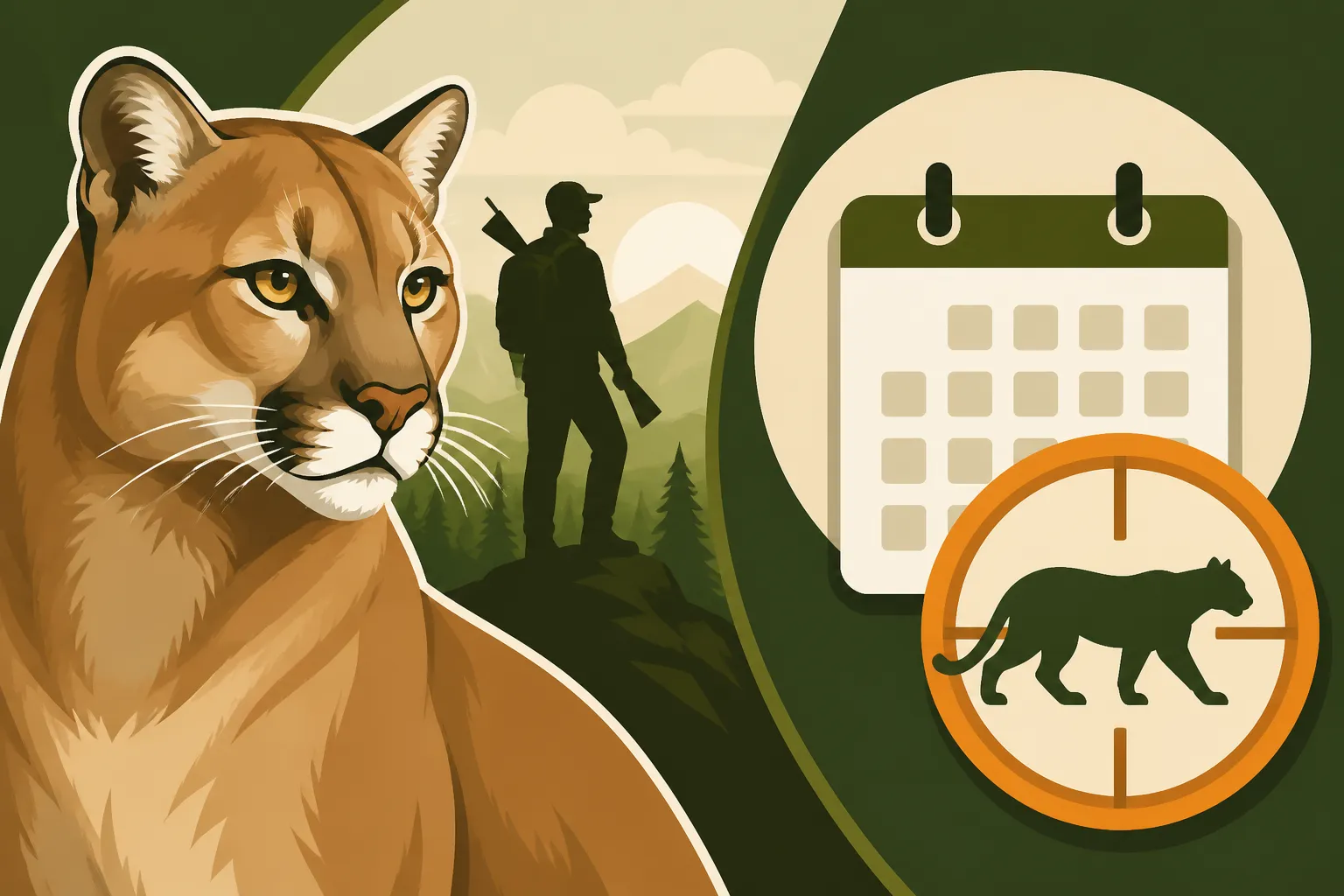
While cougars are generally huntable in Alberta during specific periods, it's vital to recognize that "general season dates" are just a starting point. The true heart of cougar hunting lies in the WMU-specific rules and, more critically, the individual quotas applied to those units. For residents, cougar season typically runs from December 1 to February 28, but many WMUs will close well before that date once their individual quota is met. For instance, a WMU in the foothills might have a quota of five cougars, and if those five are taken by mid-January, the season in that specific area is done, even if other WMUs remain open.
This WMU-specific management means that what applies in the Crowsnest Pass area might be completely different from the rules in the Peace River Breaks. Some WMUs might not even have a quota, or they might have a very generous one, while others in more heavily hunted or sensitive areas will have strict limits. Always refer to the most current Alberta Guide to Hunting Regulations for the overarching season dates, and then dive into the specific WMU details.
How Cougar Quotas Work in Practice
The quota system for cougars in Alberta is probably one of the most unique and demanding aspects of hunting in the province. It requires constant vigilance and quick action, often turning a planned long hunt into a sprint if the quota is reached early.
Checking the Quota Line: The Daily Ritual
For any serious cougar hunter in Alberta, calling the Quota Line is as essential as checking your rifle scope or sharpening your knife. This dedicated phone line provides real-time updates on cougar harvests and quota statuses for each WMU. It's not an exaggeration to say that many hunters call this line daily, sometimes even multiple times a day, especially as the season progresses and quotas start to get close to being filled. Imagine you're out in the backcountry, maybe Hunting a Foothills Bench Above a Creek, and you're nearing the end of your hunt. A quick call to the line before heading out each morning could save you from an accidental violation.
The frustrating part for many is that the information isn't always instant; there can be a slight delay between a cougar being harvested and the information being updated on the line. This means there's always a small risk of a "walk-up" or "over-quota" situation, where a hunter harvests an animal unknowingly after the quota has technically been met. While authorities understand the nature of the system, it doesn't negate the violation. This inherent uncertainty is precisely why diligence is paramount. You can find the contact information for the Cougar Quota Line in the Alberta Guide to Hunting Regulations.
Understanding Quota Management and WMU Groups
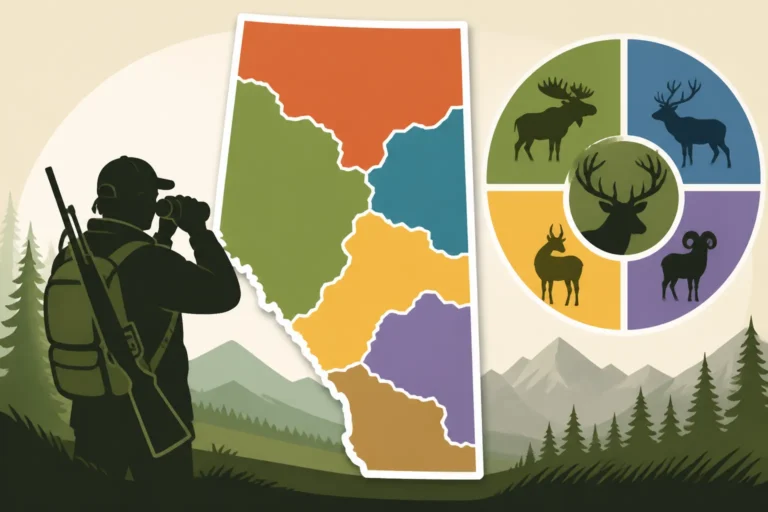
Alberta's WMUs are grouped or managed in various ways for cougar hunting. Some WMUs have individual quotas, meaning their specific harvest limit is tracked independently. Others might be part of a larger "quota group," where several WMUs share a collective quota. If the combined quota for that group is met, all WMUs within that group close simultaneously. This grouping strategy aims to balance hunting pressure across broader geographic areas and protect populations that might move between adjacent WMUs.
For example, WMUs 400-series (Foothills) might have different quota rules than WMUs in the 500-series (Boreal Forest). The specific details of these groupings and their quotas are always laid out clearly in the regulations, which is why a thorough read-through is non-negotiable before heading into the field. This can feel like a lot of homework, but it’s critical. Using online tools or apps like GoHunt can sometimes help visualize these WMU boundaries and their associated regulations, making it easier to plan your hunt around specific quota areas.
Key Considerations for Cougar Hunters
Beyond just understanding season dates and quotas, there are several other critical factors to consider when pursuing cougars in Alberta. These range from the legal requirements for harvesting to the ethical considerations of hunting such an elusive and powerful animal.
Licensing and Tagging Requirements
Before you even think about stepping into cougar country, you need the proper licenses. As an Alberta resident, you'll need a valid Wildlife Certificate and a cougar licence. Non-residents, especially non-resident aliens, face additional requirements, often needing to hunt with a licensed outfitter or through the Alberta's Hunter Host Rule program. Make sure all your paperwork is in order before the season begins. Details on Alberta Hunting Licences and What They Cost are readily available, and it's essential to understand the specific fees for cougar tags.
Once you harvest a cougar, the tagging requirements are strict. You must immediately attach your tag to the animal in the prescribed manner and report your harvest to Fish and Wildlife. The specific timeline and method for reporting are outlined in the regulations, and failure to comply can result in serious penalties. Remember, proof of sex must remain naturally attached to the carcass, typically the hide, until it's processed at your home or a taxidermist. This is crucial for conservation officers to verify the legality of your harvest.
Hunting Methods and Restrictions
Cougar hunting in Alberta often involves the use of hounds, a method that requires specialized dogs and handlers. While not the only method, it is a highly effective way to track these secretive animals through dense bush or difficult terrain. For those who don't hunt with dogs, still-hunting or calling can also be effective, particularly in areas with fresh sign or during periods when cougars are actively moving.
However, there are restrictions to be aware of. For instance, baiting big game, including cougars, is generally not permitted in Alberta. Understanding these nuances is essential to ensure your hunt remains within legal boundaries. Always consult the most recent regulations for specific rules on Legal Firearms and Bows for Big Game and other hunting methods. A well-placed game camera can help with scouting, but remember to adhere to Trail Camera Rules on Alberta Public Land.
Safety and Ethical Hunting Practices
Hunting cougars, by its very nature, can be demanding and potentially dangerous. These are powerful predators that inhabit rugged landscapes. Safety should always be your top priority. This includes being properly equipped for the weather and terrain, hunting with a partner if possible, and being proficient with your firearm. Always ensure you are familiar with Wildlife Safety in Alberta Bear Country protocols, as cougar country often overlaps with bear habitats.
Ethical hunting practices are equally important. This means making every effort to recover any wounded animal, ensuring a clean kill, and respecting the animal and its habitat. Responsible cougar hunting contributes positively to the public perception of hunting and helps sustain opportunities for future generations.
Navigating the Seasons and Staying Informed
Staying on top of cougar season dates and quota changes requires more than just a passing glance at the regulations. It demands proactive engagement and utilizing available resources to ensure you're always operating within the legal framework.
Utilizing Online Resources and Mobile Apps
In this digital age, staying informed is easier than ever, but it still requires effort. The official Alberta Environment and Parks website is your primary source for the latest Alberta Guide to Hunting Regulations. They also publish updates and advisories that can affect cougar seasons. However, calling the quota line remains the most definitive way to get real-time quota status.
Mobile applications like GoHunt or similar mapping and regulation apps can be incredibly valuable tools. They often integrate WMU boundaries, land ownership layers (Crown vs. private), and sometimes even real-time regulation updates, though you should always cross-reference with official sources. These apps can help you pinpoint exactly which WMU you are in and which specific rules apply, which is particularly useful when you are Scouting With Satellite Imagery in Alberta or trying to understand Finding Alberta Public Land Boundaries. GoHunt can make planning much more efficient, allowing you to filter by species and visualize potential hunting zones.
The Importance of Pre-Season Planning
Successful cougar hunting, especially with the quota system, hinges on thorough pre-season planning. Don't wait until December 1st to start figuring things out. Begin by studying the previous year's harvest data, if available, to get an idea of which WMUs tend to fill their quotas quickly. This can help you prioritize areas or have backup plans.
Understanding the terrain and access points for your chosen WMUs is also crucial. Whether you're planning to hunt in the rugged Hunting the Livingstone Range or more accessible Hunting an Old Logging Road in the Foothills, having a solid understanding of the area will save you precious hunting time. Pre-season scouting, even without a weapon, can help you identify areas with good cougar sign, potential travel corridors, and suitable spots for setting up. This detailed preparation will significantly increase your chances of a successful and legal hunt.
Snapshot of Alberta Cougar Season Details
While specific dates and quotas fluctuate, here's a general overview to help you orient yourself. Always verify with current regulations and the quota line.
| Aspect | Resident Hunters (General Season) | Non-Resident Hunters (General Season) | Quota System | WMU Variations |
|---|---|---|---|---|
| Typical Dates | Dec 1 – Feb 28 (approx.) | Dec 1 – Feb 28 (approx.) | Yes | Significant |
| Licence Required | Wildlife Certificate & Cougar Tag | Wildlife Certificate & Cougar Tag | N/A | N/A |
| Reporting Harvest | Mandatory, immediate | Mandatory, immediate | N/A | N/A |
| Daily Check-in | Quota Line calls essential | Quota Line calls essential | N/A | N/A |
| Hunting Methods | Still-hunting, calling, hounds | Still-hunting, calling, hounds | N/A | N/A |
| Access Rules | Crown Land, permitted Private Land | Guided or Hunter-Hosted, Crown Land, permitted Private Land | N/A | N/A |
Note: This table provides a simplified overview. Consult the current Alberta Hunting Regulations and the official Quota Line for precise, up-to-the-minute details.
Staying informed about The Cougar Quota Phone Line Explained is arguably the most critical piece of advice for cougar hunters. It's the difference between a successful, legal hunt and a potentially problematic situation. The information provided by the quota line is authoritative and should be your ultimate guide once the season is underway. With careful planning and diligent checking, hunting cougars in Alberta can be a truly rewarding and challenging experience, offering a glimpse into the wild heart of the province.
Disclaimer
The information provided in this guide is for general informational purposes only and is subject to change. Hunting regulations, season dates, and quotas are set by Alberta Environment and Parks and can be updated without prior notice. Hunters are responsible for consulting the most current official Alberta Guide to Hunting Regulations and confirming all details, including current quota statuses via the designated Quota Line, before participating in any hunting activity. Failure to do so may result in legal penalties.