Wildlife Safety in Alberta Bear Country
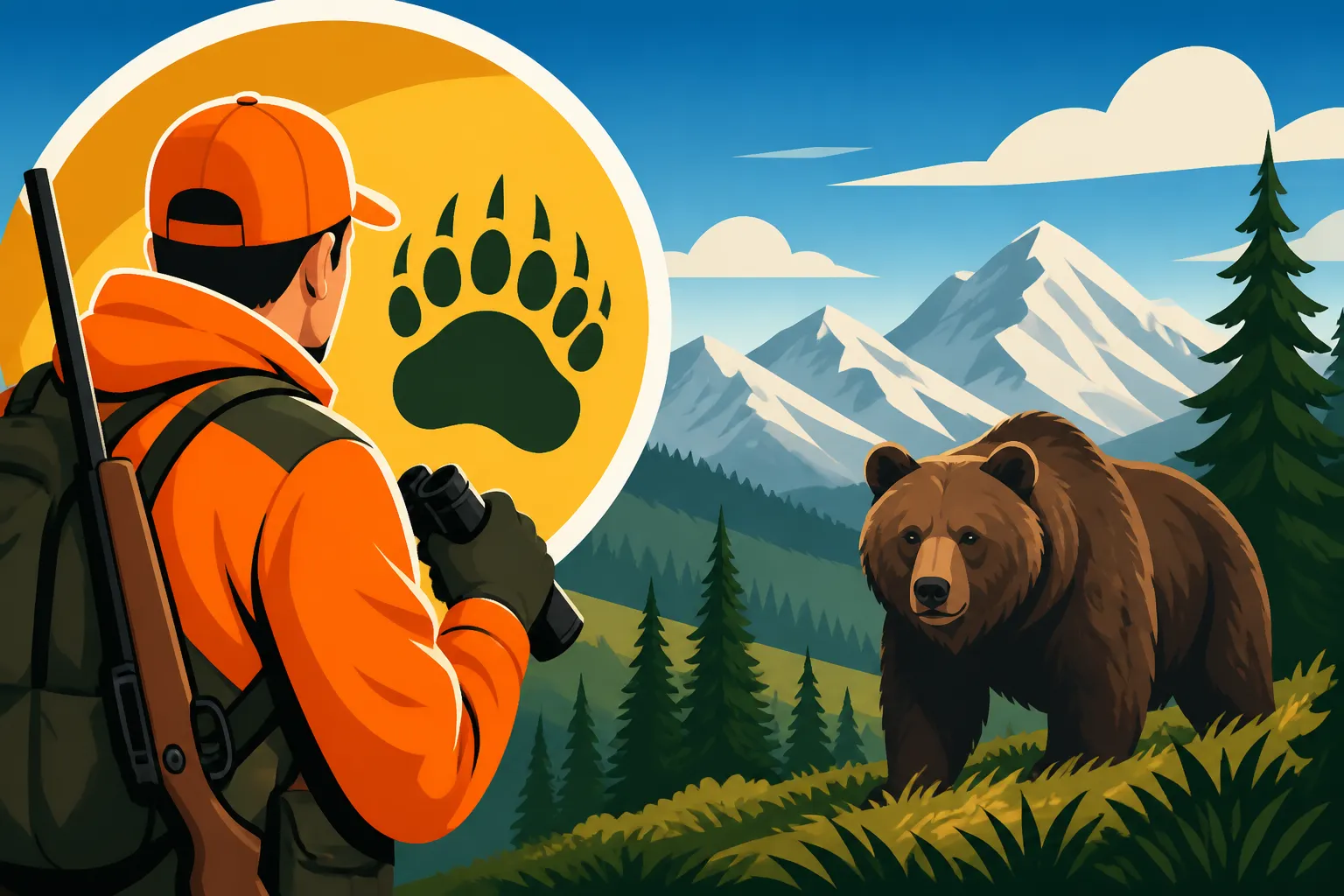
Venturing into Alberta's breathtaking wild spaces is an incredible experience, whether you're chasing big game, exploring backcountry trails, or simply enjoying the peace of nature. But let's be honest, there's always that little flicker of worry about wildlife encounters, especially with bears. It’s a very real concern for many of us, and understanding how to stay safe and what to do if you come face-to-face with one of these magnificent animals is absolutely crucial. This guide is all about equipping you with the knowledge and confidence to navigate Alberta's bear country safely, so you can focus on the adventure, not the anxiety.
Understanding Alberta's Bears: Black Bears and Grizzlies
Alberta is home to two primary species of bears: the ubiquitous black bear and the iconic grizzly bear. While both can be found throughout many of our forested and mountainous regions, understanding their differences in behavior, habitat, and even physical appearance is your first line of defense in staying safe. It’s not about fear, it’s about respect and preparedness.
Distinguishing Between Black Bears and Grizzly Bears
It can be surprisingly tricky to tell a black bear from a grizzly bear, especially if you only catch a fleeting glimpse or the bear is a "colour phase" black bear, which can be brown, cinnamon, or even blonde. Many hunters have been in a situation where they see a brown bear and immediately jump to conclusions, but knowing the key identifiers can make all the difference. Grizzly bears typically have a prominent shoulder hump, a dish-shaped face, and smaller, more rounded ears. Their claws are longer and straighter, designed for digging. Black bears, on the other hand, usually lack a shoulder hump, have a straighter facial profile, and larger, more pointed ears. Their claws are shorter and more curved, better suited for climbing trees. Size isn't always a reliable indicator, as a large black bear can easily outweigh a smaller grizzly. This is especially important in areas like the foothills or parts of the Boreal Forest where both species might overlap. For a deeper dive into their characteristics, you can check out Telling a Black Bear From a Grizzly.
Seasonal Bear Behavior and Habitat
Bear behavior changes dramatically with the seasons, driven by their biological clocks and the availability of food. In spring, as bears emerge from their dens, they're often hungry and seeking easily accessible food sources. This means they might be found in valley bottoms, along south-facing slopes, or near recent green-ups, where fresh vegetation is emerging. This is a critical time for sows with new cubs, and they can be particularly protective. As summer progresses, berries, insects, and other forage become more abundant, spreading bears across wider ranges. Fall is perhaps the most crucial time for hunters to be extra vigilant. Bears, both black and grizzly, enter a hyperphagia phase, meaning they are intensely focused on eating as much as possible to build fat reserves for winter hibernation. This can make them less tolerant of human presence and more determined to access any food source, including hunter-harvested game. Whether you're Hunting Alberta's Foothills Country or deep in Hunting Alberta's Boreal Forest Country, understanding these seasonal shifts in behavior is paramount.
Essential Gear and Preparedness for Bear Country
Stepping into bear country without the right gear and a solid plan is akin to going fishing without a hook – you're simply not ready. Preparedness isn't about paranoia; it's about responsibility and maximizing your safety, as well as the safety of those you're with.
Bear Spray: Your Non-Lethal Defense
Bear spray is, without a doubt, the single most important piece of safety equipment you can carry in bear country. It is a highly effective deterrent when used correctly, and countless real-world encounters have proven its value. But just owning it isn't enough. You need to know how to deploy it quickly and accurately. This means carrying it in an accessible holster on your hip or chest, not buried in your backpack. Practice drawing it and removing the safety clip so that muscle memory kicks in during a high-stress situation. Make sure it's not expired, as the propellant can lose its potency over time. Think of it like your seatbelt; you hope you never need it, but you're profoundly glad it's there if you do. For those planning a trip, resources like BookYourHunt or GoHunt often provide gear lists and advice, underscoring the importance of items like bear spray.
Food Storage and Camp Management
Bears have an incredible sense of smell, and they are opportunistic feeders. Any human food, scented toiletries, or even cooking odors can attract them from a considerable distance. Improper food storage is one of the most common reasons for bear encounters and habituation. In the backcountry, this means using bear-resistant canisters or bags, or hanging food securely from a tree branch at least 10-12 feet off the ground and 4 feet from the trunk. Never, ever store food in your tent. Cook away from your sleeping area, and immediately clean up all food scraps, grease, and dishes. Pack out all garbage. Even something as small as a candy wrapper or an empty energy bar can draw a bear's attention. Think about the entire lifecycle of your food and scent, from what you bring in to what you take out. Many experienced hunters planning trips, especially to remote areas, consult resources to ensure their camp protocols are top-notch.
Communication and Emergency Planning
Even with all the preparation in the world, things can go sideways. A twisted ankle, a sudden storm, or an unexpected encounter can turn a great trip into a desperate situation. That's why a robust communication and emergency plan is non-negotiable. Cell service is unreliable or nonexistent in much of Alberta's remote hunting and recreation areas. Carrying a satellite messenger or a satellite phone is highly recommended for any trip into the backcountry. These devices allow you to send SOS messages, communicate with loved ones, and receive critical weather updates. Ensure someone back home knows your exact itinerary, your expected return date, and who to contact if you don't check in. Pack a comprehensive first-aid kit, and know how to use it. When you're Backpacking Into Alberta Sheep Country or exploring other remote areas, these tools are your lifeline.
Encountering Bears: What to Do
The moment you encounter a bear can be disorienting and frightening, but how you react in those crucial seconds can dictate the outcome. Panicking is natural, but having a clear plan is what will keep you safe. The strategies differ significantly depending on the type of bear and its behavior.
Dealing with Black Bears
Most black bear encounters are uneventful. Often, a black bear will simply leave the area if it detects you. If you see a black bear at a distance, make noise, make yourself look large, and slowly back away, giving it plenty of space. If a black bear approaches you, especially if it seems curious or habituated, stand your ground, make loud noises, and act aggressively. Throw rocks or sticks at it. The goal is to make the bear understand that humans are not to be messed with. If a black bear attacks, fight back aggressively with anything at your disposal – bear spray, rocks, fists, feet. Black bear attacks are usually defensive or predatory, and fighting back demonstrates you are not easy prey. This differs from a grizzly attack, where often you are advised to play dead first. Always carry your bear spray ready for immediate deployment in these situations.
Responding to Grizzly Bears
Grizzly bears demand a different approach due to their sheer power and territorial nature. If you spot a grizzly at a distance, the same advice applies: make noise, make yourself look large, and slowly back away, allowing the bear to move off. If a grizzly charges, especially if it's a "bluff charge" (which can be hard to distinguish from a real attack), deploy your bear spray when the bear is within 10-20 feet. If the grizzly makes physical contact and you believe it's a defensive attack (e.g., a sow with cubs, or you've surprised it), play dead. Lie on your stomach, protect your head and neck with your arms, and spread your legs to prevent the bear from rolling you over. Remain still until you are absolutely certain the bear has left the area. If a grizzly attack is clearly predatory (rare, but it happens), then fight back as you would with a black bear, targeting the face and eyes. Knowing What Happens If You See a Grizzly and how to react is critical, as a wrong move could escalate the situation.
| Bear Species | Initial Reaction (Distant) | Initial Reaction (Close/Approaching) | Reaction (Physical Contact – Defensive) | Reaction (Physical Contact – Predatory) |
|---|---|---|---|---|
| Black Bear | Make noise, appear large, back away slowly. | Stand ground, yell, act aggressive, throw objects. | Fight back with everything you have. | Fight back with everything you have. |
| Grizzly Bear | Make noise, appear large, back away slowly. | Stand ground, talk calmly, prepare bear spray, do NOT run. | Play dead (protect head/neck), remain still. | Fight back with everything you have. |
Group Dynamics and Staying Together
When traveling in bear country, sticking together as a group is one of the most effective preventative measures. A group of people makes more noise, looks larger, and is generally perceived as a greater threat by a bear than a lone individual. This significantly reduces the likelihood of a surprise encounter and can deter a bear from approaching. If you're hunting with a party, ensure everyone is on the same page regarding bear safety protocols. Designate someone to carry bear spray at all times, and agree on how to react in an encounter. If someone needs to scout ahead or break off, establish clear communication methods and rendezvous points. You'll find great tips for trip planning and ensuring group safety on platforms like GoHunt, which often have community forums where hunters share their experiences and strategies.
Avoiding Encounters and Staying Safe in Bear Country
The best bear encounter is the one that never happens. Prevention is always better than reaction, and by adopting smart habits and respecting the wild, you can significantly reduce your risk while enjoying Alberta's incredible outdoors.
Making Noise and Being Visible
The vast majority of bear encounters happen because a person surprises a bear. Bears generally want nothing to do with humans, but a sudden, close-range surprise can trigger a defensive reaction. One of the simplest and most effective ways to avoid this is to make noise, especially when moving through dense bush, around blind corners, or along noisy stream beds. Talking, singing, or calling out "Hey bear!" every so often gives bears an auditory warning that humans are in the area, allowing them to move off unnoticed. Wearing bright clothing can also increase your visibility, particularly in thick cover. This is especially important if you are Hunting Alberta's September Archery Opener or other early seasons when vegetation is thick.
Understanding Bear Sign and Avoiding Attractants
Being able to read the landscape for bear sign is a crucial skill. Look for fresh tracks, scat (droppings), claw marks on trees, overturned rocks, or diggings. If you come across fresh bear sign, it means a bear is or was recently in the area. This is your cue to increase your vigilance, make more noise, and possibly alter your route. Avoid areas with obvious bear attractants, such as berry patches during late summer and fall, or animal carcasses. If you stumble upon a carcass, back away slowly and leave the area immediately. Bears can be very possessive of food sources, and surprising one on a kill is extremely dangerous. Also, be acutely aware of any unusually strong, foul smell, which could indicate a carcass nearby.
Proper Game Care and Handling
For hunters, proper game care and handling after a harvest are paramount to bear safety. Bears are highly attracted to the smell of blood and gut piles. Whenever possible, field dress your animal away from trails and campsites, and drag the carcass away from your kill site before quartering or boning. If you must leave meat unattended for any reason, hang it high in a tree, out of reach of bears, and separate from your camp. Plan your extraction method carefully, whether it's by quad after Getting a Moose Out With a Quad or by pack on your back. If you're hunting an area with high bear activity, consider quartering the animal and removing it from the site as quickly as possible. This is particularly relevant when you're hunting species like moose or elk in areas known for a healthy bear population. For those planning a hunt, it’s always a good idea to research Alberta Bear and Cougar Seasons and understand the specific risks in your chosen WMU.
Respecting Wildlife and Their Space
Ultimately, safety in bear country comes down to respect. We are guests in their home, and understanding that gives us the best chance of coexisting peacefully. Never feed bears, either intentionally or unintentionally. A fed bear is a dead bear, as habituated bears often become a danger to humans and are eventually put down. Never approach a bear, especially a sow with cubs. Give them a wide berth, and if they are blocking your path, wait patiently or find an alternative route. By recognizing that these animals have a right to exist and thrive in their natural habitat, and by taking proactive steps to minimize our impact and maximize our safety, we can continue to enjoy the wild beauty of Alberta for generations to come.
Disclaimer
This article is for general informational purposes only and does not constitute professional advice. Laws, prices and regulations vary by location and change over time. Consult a qualified professional for guidance on your specific situation.