What a Guide Does When Someone Gets Hurt
Hunting in Alberta's wild landscapes offers incredible adventures, but let's be realistic: it's not without its risks. The vastness of our prairies, the ruggedness of our foothills, and the dense boreal forests can present unexpected challenges. A top concern for many hunters, especially those new to the province or venturing into truly remote areas, is what happens if someone gets hurt far from help. This guide will walk you through the comprehensive steps and crucial responsibilities a professional hunting guide takes when an emergency injury occurs in the field, providing clarity and reassurance for your next outdoor excursion.
The Guide's Primary Role: Prevention and Preparedness
Before any boots hit the ground or calls echo through the timber, a professional guide's most important job is to minimize risk and be thoroughly prepared for the worst. It's not just about knowing where the animals are; it's about knowing how to keep everyone safe.
Pre-Hunt Safety Briefings and Risk Assessment
Any good hunting trip starts long before the sun rises on opening day. A reputable guide will always conduct a comprehensive pre-hunt safety briefing, laying out all the essential protocols and managing expectations. This isn't just a formality; it's a critical discussion where your guide will outline the specific hazards of the terrain you'll be hunting, whether it's the slippery river rocks while hunting Elk in Alberta's Foothills, the dense underbrush of the boreal forest while Hunting Moose Along Cutlines and Seismic Lines, or the treacherous coulees when Hunting Mule Deer in the Badlands Coulees. They'll discuss everything from potential wildlife encounters to weather changes and what to do if you get separated.
Part of this crucial preparation includes a thorough risk assessment. Your guide will likely ask about your physical fitness, any pre-existing medical conditions, allergies, or medications you're taking. This isn't being nosy; it's about understanding individual vulnerabilities and tailoring the hunt to ensure everyone's safety. For instance, knowing if a hunter has a history of knee problems might influence the choice of a hiking trail or the pace of the stalk. Establishing clear communication plans, including hand signals, radio protocols, and rendezvous points, are all part of this initial phase, ensuring everyone is on the same page. You might even find that many outfitters listed on platforms like BookYourHunt explicitly detail their commitment to pre-hunt safety, giving you a good indication of their professionalism.
Essential Gear and Emergency Communication
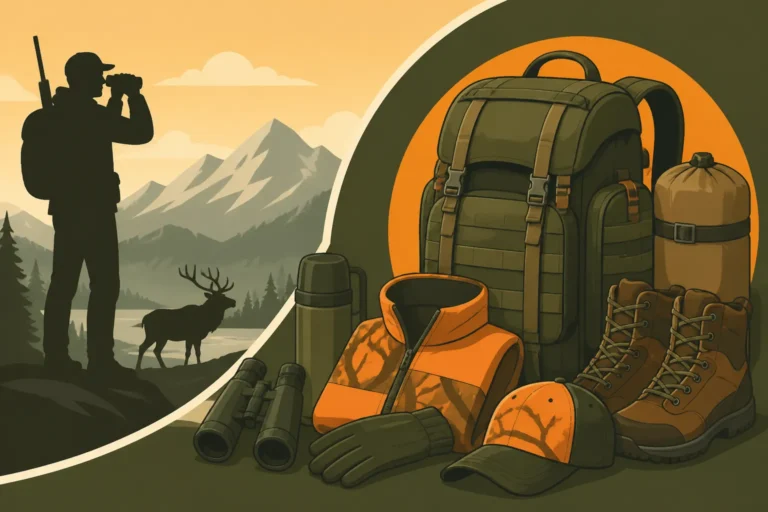
A guide's backpack isn't just for lunch and extra layers; it's a mobile emergency station. A professional guide will always carry a comprehensive first-aid kit, well beyond a few band-aids. This kit will be stocked with supplies for everything from severe bleeding and fractures to allergic reactions and shock. More importantly, the guide will be trained in advanced wilderness first aid, knowing how to use those supplies effectively under pressure. They understand that immediate and competent care can be the difference between a minor incident and a life-threatening situation.
Beyond medical supplies, robust emergency communication devices are non-negotiable in Alberta's often vast and signal-dead zones. This means carrying satellite phones or satellite messengers, such as a Garmin inReach or a Zoleo device, which allow for two-way communication and GPS tracking even when cell service is nonexistent. These devices are critical for contacting emergency services and relaying precise coordinates. Additionally, a guide will always have detailed maps, a compass, and a GPS unit, often with pre-loaded waypoints for emergency extraction points. They'll know how to read the landscape, understand the best routes for egress, and be equipped to handle adverse conditions with emergency shelters, fire-starting tools, and extra provisions. Understanding What to Bring to a Hunting Camp as a client should also include familiarity with your guide's emergency setup.
Immediate Actions and First Response
When an injury occurs, panic is the enemy. A professional guide, however, is trained to remain calm, assess the situation quickly, and take immediate, decisive action. This isn't just about applying first aid; it's about managing the entire scene to ensure the best possible outcome.
Scene Assessment and Stabilizing the Victim
The very first step a guide takes when someone gets hurt is to assess the scene for any ongoing dangers. Is there still a threat from an animal? Is the terrain unstable? Is the weather deteriorating rapidly? Ensuring the safety of both the injured person and the rest of the hunting party is paramount. You can't help anyone if you become a casualty yourself. For example, if a fall occurs near a steep drop-off, securing the area before approaching the victim is critical.
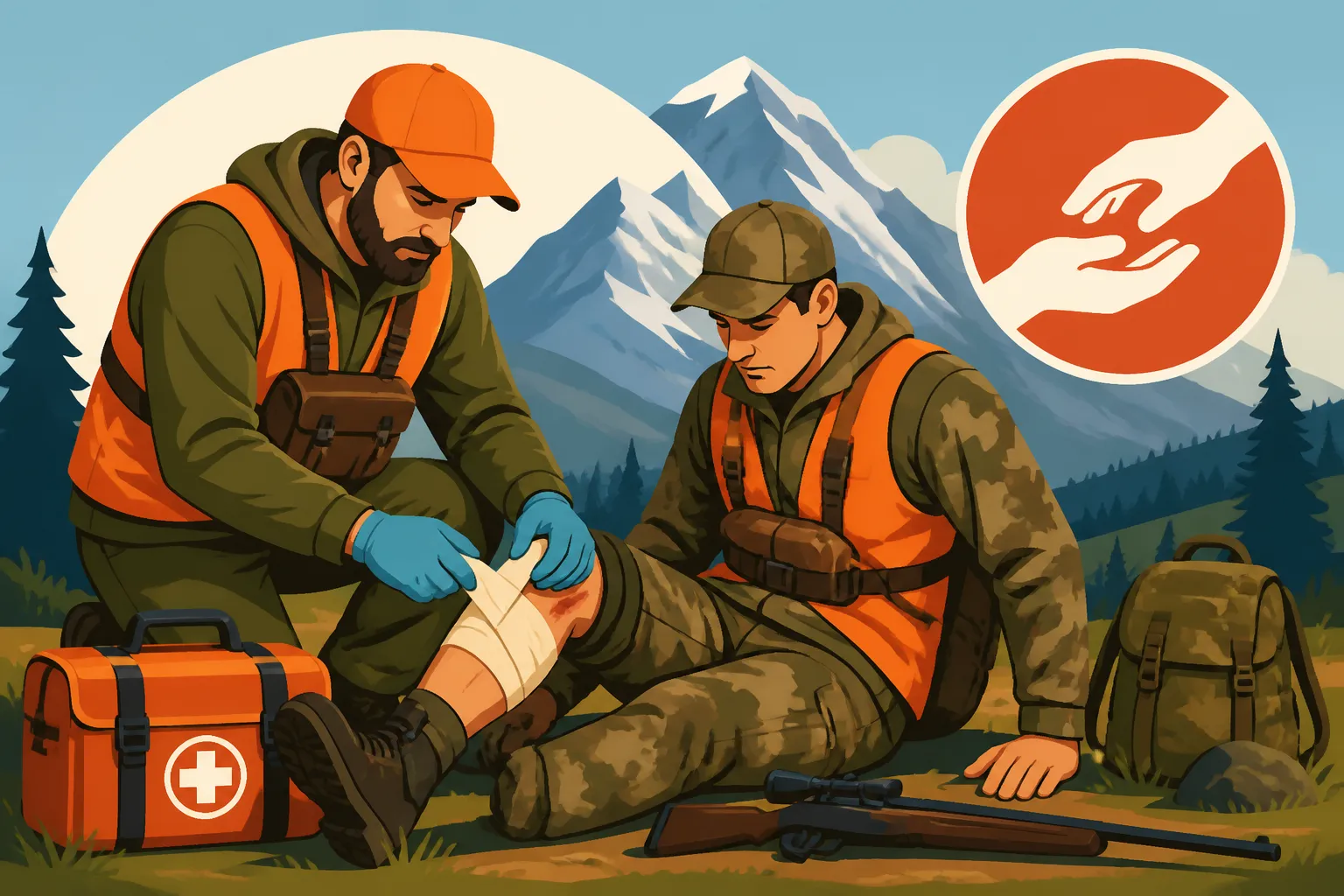
Once the scene is safe, the guide immediately turns their attention to the injured hunter. This involves a rapid assessment of the injury, often following a systematic approach to prioritize life-threatening conditions. Is the person breathing? Are they conscious? Is there severe bleeding? Based on their wilderness first aid training, the guide will then administer appropriate immediate care. This might involve controlling bleeding with direct pressure, stabilizing a suspected fracture with a makeshift splint, or managing symptoms of shock. Their goal is to stabilize the victim as much as possible, minimize further injury, and keep the person warm and as comfortable as circumstances allow, all while providing reassurance and calm leadership. Having a clear Emergency Plans in Alberta's Backcountry is integral to this process.
Establishing Communication and Calling for Help
With the immediate scene secured and the victim stabilized, the guide's next crucial step is to establish communication with external emergency services. In Alberta's remote hunting areas, this almost always means utilizing a satellite communication device. They will activate the SOS function or send a detailed message to a monitoring service or designated emergency contact, relaying critical information: the precise GPS coordinates of the incident, the nature and severity of the injury, the number of people in the party, and any specific challenges of the terrain.
This communication is a two-way street. The guide will be prepared to answer questions from rescue coordinators, providing updates on the victim's condition, the weather, and any changes in the situation. They act as the vital link between the injured party and the outside world, coordinating the rescue effort until professional help arrives. Resources like GoHunt often emphasize the importance of having these communication tools and understanding their operation, reminding hunters that even if guided, knowing how they work can be beneficial. Your guide will also manage the rest of the hunting party, ensuring everyone remains calm, safe, and ready to assist if needed, while waiting for the cavalry. Satellite Messengers in the Backcountry are truly lifelines in these situations.
Evacuation and Follow-Up Procedures
Once emergency services are contacted, the guide's role shifts to facilitating the evacuation and handling the necessary follow-up, ensuring the injured hunter receives proper care and all protocols are met.
Coordinated Evacuation Plans
The method of evacuation will depend heavily on the severity of the injury, the remoteness of the location, and the prevailing weather conditions. A guide is skilled in assessing these factors and working with rescue personnel to determine the most effective and safest extraction strategy. For a minor injury like a sprained ankle in accessible terrain, it might involve hiking out to a waiting vehicle or using an ATV. If the injury is more serious or the location is extremely remote, air evacuation via helicopter might be necessary.
| Injury Severity | Immediate Actions by Guide | Communication Needs | Likely Evacuation Method |
|---|---|---|---|
| Minor (e.g., sprain, small cut) | First aid, rest, pain management, support | Satellite text to check-in/inform | Walk-out, ATV, truck |
| Moderate (e.g., broken bone, severe laceration) | Advanced first aid, stabilization, shock prevention | Satellite phone/messenger for detailed emergency call | Ground stretcher carry, ATV, possibly helicopter |
| Severe (e.g., head trauma, internal bleeding, critical condition) | Advanced first aid, constant monitoring, life support if trained | Immediate SOS activation, continuous detailed updates to emergency services | Helicopter Medevac, rapid ground transport to nearest medical facility |
The guide's in-depth knowledge of the Alberta's Public Land Use Zones Explained or specific WMU you're hunting can be invaluable here. They know the nearest access points, the condition of old logging roads, or where a helicopter might safely land. They'll also be responsible for directing rescue teams to the precise location, often by activating a strobe light, setting up signal fires, or maintaining radio contact with incoming aircraft or ground crews. This intricate coordination ensures that rescue efforts are swift and efficient, minimizing further risk to the injured person.
Post-Incident Reporting and Support
The guide's responsibilities don't end once the injured hunter is safely off the mountain or out of the bush. There's a vital follow-up process that ensures accountability, learning, and support. Professional guides and outfitters are required to file detailed incident reports with relevant authorities, often including Fish and Wildlife or their outfitting association. This report documents the specifics of the incident, the actions taken, and the outcome, contributing to safety records and potentially informing future regulations or best practices.
Furthermore, a compassionate guide will offer ongoing support to the injured hunter and their family. This might involve liaising with medical staff, helping with logistics like transport to a hospital or accommodation, and providing updates to worried family members. They understand the emotional toll an accident can take and often go above and beyond to ensure their client feels supported. This aspect of client care is a hallmark of truly professional operations, distinguishing them from less experienced outfits. When you're Booking an Alberta Hunt Off-Season, it's always wise to inquire about their post-incident protocols and support systems.
Legal and Ethical Responsibilities of an Alberta Guide
Beyond the immediate practical steps, guides operate under a clear set of legal and ethical obligations that dictate their conduct and responsibilities to their clients.
Duty of Care and Negligence
In Alberta, and indeed across Canada, a professional guide has a legal "duty of care" towards their clients. This means they are expected to take all reasonable steps to prevent foreseeable harm and ensure the safety of those under their supervision. This duty is amplified in the context of wilderness hunting, where inherent risks are higher. Failing to uphold this duty, through actions or inactions that fall below the expected standard of care, can lead to claims of negligence. For example, knowingly leading a client into an obviously dangerous situation without proper warning or equipment, or failing to administer basic first aid when clearly required, could be considered negligence.
This isn't about blaming the guide for every accident that occurs, as accidents do happen. It's about ensuring they have taken all reasonable precautions, are properly trained, and respond competently when an incident arises. The guide's license and the outfitter's permit are contingent on upholding these standards. Clients often expect their guides to be experts, not just in tracking game, but in all aspects of wilderness safety, and this includes a profound understanding of their legal obligations. Checking Whether an Alberta Outfitter Is Licensed is a fundamental step for any hunter booking a trip, as it confirms they meet the provincial standards of professionalism and accountability.
Insurance, Waivers, and Transparency
A responsible guide or outfitter will always carry comprehensive liability insurance. This insurance is critical not only for protecting the guide and their business but also for providing a layer of protection for clients in the event of an accident where negligence might be a factor. It covers potential costs associated with medical treatment, legal fees, or other damages arising from an incident during the hunt. Before a hunt begins, it's standard practice for clients to sign liability waivers. These waivers acknowledge the inherent risks involved in hunting activities and typically release the outfitter and guide from liability for injuries that occur without negligence on their part. It's important to understand what you're signing and to ask questions if anything is unclear.
Transparency is key in this whole process. A professional outfitter will be open about their safety protocols, emergency plans, and insurance coverage. They won't shy away from discussing potential risks or the worst-case scenarios, because they understand that an informed client is a safer client. It's perfectly reasonable for hunters to ask their guide about their wilderness first aid certifications, the type of emergency communication devices they carry, and their specific plan for evacuating an injured person. These are all part of the Questions to Ask Before Booking any guided hunt, ensuring you feel confident in the safety measures in place. Understanding Alberta Guide Insurance and Liability can help you make an informed decision when selecting a guide.
Disclaimer
This article is for general informational purposes only and does not constitute professional advice. Laws, prices and regulations vary by location and change over time. Consult a qualified professional for guidance on your specific situation.