Questions to Ask Before Booking
The excitement of booking an Alberta hunting adventure is truly special, but before you hand over that deposit and start packing your bags, there's a crucial step many hunters overlook: asking the right questions. It’s easy to get swept up in the dream of a trophy animal, but failing to clarify the details upfront can lead to frustration, unexpected costs, or even a less-than-ideal experience in the field. This guide is here to equip you with all the essential questions you need to ask your potential outfitter or guide, ensuring you have a clear picture of what to expect and can make the most informed decision for your Alberta hunt.
Unpacking the Details of Your Alberta Hunt
You’ve likely got a target species in mind, maybe even a specific WMU, but digging into the specifics of how that hunt will unfold is paramount. Don't assume anything; what seems obvious to you might be entirely different in the outfitter's standard operating procedure.
Confirming Species, Seasons, and Success Rates
First and foremost, you need to verify that the outfitter can deliver on the core of your hunting dream. This isn't just about what they say they hunt, but the precise details of that hunt.
What specific game species are you targeting, and in which Wildlife Management Unit (WMU)? This might seem basic, but it’s critical to confirm. Alberta is vast and diverse, offering opportunities for everything from White-Tailed Deer, Alberta's Most Hunted Big Game to Mule Deer in Alberta's Open Country, Moose Across Alberta's Boreal and Foothills, and Elk in Alberta's Mountains and Farmland. Make sure the outfitter specializes in your chosen species and has a proven track record in the specific area you'll be hunting. Some outfitters might offer combination hunts, but often, focusing on one species means a more dedicated and potentially more successful effort.
Next, get the exact season dates for your chosen species in that particular WMU. Alberta's hunting seasons can vary widely by region and species. An outfitter might advertise "fall bear hunts," but those dates can differ significantly between the northern boreal forest and the foothills. Confirming the precise dates ensures you're applying for the correct draw (if applicable) and that your travel plans align perfectly with the legal hunting period. You can cross-reference this with the official Alberta Big Game Season Dates to ensure accuracy.
Finally, inquire about their historical success rates for that specific hunt, not just their overall outfitter success rate. A general "90% success rate" means little if you're chasing a specific type of animal in a challenging area where their actual success rate is much lower. Ask about variables that might affect this, such as weather, specific time of year, or previous season’s game populations. Also, importantly, clarify what "success" means to them. Does it mean a shot opportunity, or a harvested animal? There's a big difference between getting a chance at a deer and actually putting one in the truck. Understanding this distinction sets realistic expectations. Websites like BookYourHunt often show reported success rates from other hunters, which can be a good cross-reference, but always ask the outfitter directly for their figures and how they define them.
Delving into Hunting Methods and Expectations
Every outfitter has a preferred style, and every hunter has their own preferences and physical capabilities. Matching these up is vital for an enjoyable and productive hunt.
What hunting methods will be primarily used on your trip? Will you be primarily stand hunting over bait, like for Baiting Black Bear in Alberta? Or will it be spot-and-stalk in open country, still-hunting through thick timber, or calling during the rut? If you're envisioning a physically demanding backcountry hunt, but the outfitter primarily hunts from trucks and blinds, you might be disappointed. Conversely, if you're not in peak physical condition, you want to avoid an outfitter who expects long, arduous hikes daily. Understand how they typically conduct their hunts and if that aligns with your experience and desires.
Crucially, what’s the typical physical demand of the hunt? This involves elevation changes, terrain type (e.g., mountains, prairie, dense bush), and the average distances you'll be expected to cover daily, either on foot or by ATV. Be honest with yourself and the outfitter about your fitness level. There’s no shame in admitting you’re not an ultramarathon runner if it means you’ll be placed in a hunting scenario where you can actually succeed and enjoy yourself. A good outfitter will have options for varying fitness levels, but only if they know your capabilities upfront.
What is the average trophy quality expected for the area, and are there specific antler restrictions? Some WMUs or outfitters might have "three-point or better" rules, or a general expectation of maturity for deer, like with Alberta's Three-Point Mule Deer Rules. You don't want to pass on a legal animal because you misunderstood the outfitter's internal guidelines, or conversely, be pushed to shoot something you're not happy with. Discuss trophy expectations openly. This helps manage expectations for both sides. And finally, what's the hunter-to-guide ratio? Is it One-on-One Versus Two-on-One Guiding, or even more hunters per guide? This directly impacts the amount of personalized attention and guidance you'll receive in the field. More hunters per guide often means less flexibility and less specific scouting for your preferences.
Logistics: Getting There, Living There, and Staying Ready
The actual hunt is only one part of the adventure. The logistics of travel, accommodation, and preparation can make or break the overall experience. Asking about these details will help you plan effectively and avoid any last-minute surprises.
Travel, Accommodations, and Camp Life
Getting to camp and living there for a week or more requires careful planning. Don't leave these details to chance.
How do I get to the camp? Clarify the nearest major airport, whether the outfitter offers shuttle services, or if you're expected to rent a vehicle and drive yourself to a specific meeting point. If driving, ask about road conditions – is it highway all the way, or will you be navigating rough gravel roads or even active logging roads that might require a high-clearance 4×4? This information is vital for budgeting travel costs and deciding on vehicle rentals.
What are the camp accommodations like? Be specific. Are you staying in a heated lodge with running water and flush toilets, or is it a more rustic setup, like Alberta Hunting Lodges and Wall Tents? Will you be in a permanent structure, a canvas Wall Tent Camps in Alberta's Backcountry, or possibly even moving spike camps daily? Understanding the level of comfort (or ruggedness) is key to packing appropriately and setting personal expectations. Some hunters relish the challenge of a true backcountry spike camp, while others prefer a hot shower and a comfortable bed at the end of a long day.
What kind of food is provided, and can they accommodate dietary restrictions? Most outfitters provide hearty meals, but if you have allergies, specific dietary needs (vegetarian, gluten-free, etc.), or simply strong preferences, you must communicate this well in advance. Asking upfront ensures they have time to plan and procure appropriate food. No one wants to hunt on an empty stomach because of a communication breakdown.
Lastly, ask about utilities and communication: power, water, heating, and cell service. Is there electricity for charging devices? Hot water for showers? What's the heating source in the accommodations? Is there any cell service in camp, or should you plan for complete disconnection? If communication is critical, inquire about the availability of satellite phones or other emergency communication devices, like those mentioned in Satellite Messengers in the Backcountry. Knowing about Cell Service in a Backcountry Camp is important not just for personal use, but for emergencies.
Gear, Clothing, and Personal Items
Proper gear can be the difference between a successful, comfortable hunt and a miserable one. Get a comprehensive list and specific recommendations.
Is there a recommended packing list provided by the outfitter? This is often the best resource, as they know the specific conditions and requirements of their hunting area. If not, ask for general guidance on clothing layers, footwear, and essential personal items. A good packing list, like one for What to Bring to a Hunting Camp, will save you headaches.
Are there any specific gear requirements, such as blaze orange, specific boot types, or specialized equipment? For instance, Alberta has regulations regarding blaze orange during general seasons, and certain hunts might require specialized footwear like sturdy, waterproof Boots for a Foothills Hunt or insulated pac boots for cold weather. Don't show up unprepared.
What is the climate typically like during the hunt dates? Alberta's weather can be highly unpredictable, especially in the fall. Early season might be warm, but late season can see extreme cold, as discussed in Hunting Alberta Winter Weather Safely. Ask about average temperatures, precipitation, and typical weather patterns for your specific hunt dates and WMU. This will help you pack the correct clothing for conditions like Hunting Alberta in November Cold.
Finally, discuss your weapon: transporting firearms across borders (if applicable) or archery equipment. If you're flying into Alberta from another country, you'll need to know the specific rules for Transporting Firearms Into Alberta and correctly filling out forms like the Non-Resident Firearm Declaration Form at the border, as detailed in Declaring a Firearm When You Cross. If you plan to rent a rifle from the outfitter, confirm availability and cost. Make sure your bow meets legal draw weight requirements if you're an archer.
The Financial Landscape: Costs, Payments, and Policies
Money matters can often be the source of friction or disappointment if not addressed thoroughly upfront. Be meticulously clear about all financial aspects of your hunt.
Understanding All-Inclusive vs. Additional Costs
Many hunters get caught off guard by hidden costs or things they assumed were included. Clarify every penny before you sign on the dotted line.
What exactly is included in the base price of the hunt? This should cover guiding services, food, lodging, and perhaps initial transportation from a meeting point. But verify everything. Does it include the cost of your Alberta hunting license and species tags? Many outfitters will help you acquire them, but the cost itself is usually extra, so ask about Alberta Hunting Licences and What They Cost.
What are the additional costs you can expect? This is where many hunts get expensive. Common exclusions include: all government fees (licenses, tags, WIN card), meat processing, taxidermy services, transportation of trophies and meat (especially across borders), gratuities for guides and camp staff, flights, hotels outside of the hunt dates, alcoholic beverages, and personal expenses. Sometimes, even CWD testing or specific equipment rentals (like a satellite phone) can be extra. Make sure you understand the potential total cost, not just the base price. Thinking about What an Alberta Guided Hunt Costs means looking beyond the sticker price.
Are there any hidden fees or charges that might pop up unexpectedly? Ask about fuel surcharges, unexpected permit fees, or costs for services that might become necessary (e.g., specialized recovery of an animal in difficult terrain). A reputable outfitter will be transparent about all potential costs, but it’s your responsibility to ask.
Deposits, Payments, and Cancellation Policies
Understanding the payment structure and what happens if plans change is vital for financial security.
What is the deposit required, and when is it due? Most outfitters require a significant deposit to secure your booking, often 50% of the total hunt cost. Knowing the timing helps you budget. Also, clarify if the deposit is refundable under any circumstances.
What are the payment schedules for the balance of the hunt? When is the remainder due? Is it due upon arrival, 30 days prior, or another schedule? Understand their preferred payment methods (e.g., credit card, bank transfer, check, cash).
What is the cancellation policy? This is crucial. What happens if you have to cancel due to unforeseen circumstances (illness, family emergency)? Are there options for refunds, rescheduling, or transferring your hunt to another person? Conversely, what happens if they have to cancel due to unforeseen circumstances like severe weather, wildfires, government land closures, or issues with outfitter allocations? As highlighted in Getting a Refund When a Guide Cancels, it’s not always straightforward. This is a critical area for discussion.
Do they recommend or require trip insurance? Given the often substantial investment in a guided hunt, many outfitters strongly recommend or even require hunters to purchase Travel Insurance for a Hunting Trip or Alberta Hunt Cancellation Insurance. This can protect your financial investment if you have to cancel or if events beyond your control disrupt the hunt.
Vetting Your Outfitter: Trust, Experience, and Accountability
Choosing an outfitter isn't just about finding someone with an open date; it's about entrusting your valuable time, money, and hunting dreams to a professional. Due diligence here is non-negotiable.
Licensing, Insurance, and References
Don't just take their word for it. Verify their credentials and seek out honest feedback from previous clients.
Is the outfitter properly licensed and bonded in Alberta? Alberta's regulations for outfitters are robust, and they must hold specific permits and licenses to operate legally. You can and should ask for proof of their current licensing. As discussed in Checking Whether an Alberta Outfitter Is Licensed, this is a fundamental requirement. You want to ensure you're dealing with a legitimate operation.
What kind of insurance do they carry? This is for your protection. They should have liability insurance that covers incidents in the field. Ask for details on their coverage, as outlined in Insurance an Alberta Outfitter Should Carry. While no one expects an accident, knowing they are prepared provides peace of mind.
Can they provide references from past clients? Ideally, you want references from the last year or two, and specifically from clients who hunted the same species in the same area you plan to hunt. Don't be shy about contacting these references and asking direct questions about their experience, the guide, the camp, and the overall hunt. This is one of the most reliable ways to gauge an outfitter's true performance. As part of Asking an Alberta Outfitter for References, consider asking for references who didn't harvest an animal, to see how they felt about the overall experience despite not filling a tag.
How long have they been operating in this specific WMU? Longevity and experience in a particular area are strong indicators of an outfitter's knowledge of the local game, terrain, and weather patterns. Someone new to an area might not have the same depth of insight.
Hunter Host and Non-Resident Rules
For non-residents, especially those from outside Canada, understanding the specific rules around guiding or hosting is absolutely critical.
If you're a non-resident of Alberta (or Canada), is this a fully guided hunt or a hunter-hosted hunt? The rules vary dramatically, as explained in Why Non-Residents Need a Guide in Alberta. Generally, non-residents of Canada must hunt with a licensed outfitter, while non-residents of Alberta (but Canadian residents) might have more options, including using a hunter host.
If it's a hunter-hosted hunt, what are the responsibilities of the host, and what is your role? A hunter host is an Alberta resident who accompanies and assists a non-resident Canadian hunter. As detailed in What a Hunter Host Is Responsible For, the host has significant responsibilities, and you need to understand their duties and limitations to ensure a legal and ethical hunt.
Are there specific rules for non-resident aliens (non-Canadians)? Yes, absolutely. Non-resident aliens have the strictest requirements, almost always requiring a licensed outfitter and specific permits, as outlined in Alberta Non-Resident Alien Licence Rules. Don't assume the rules are the same as for other non-residents.
How do they handle the special license draw if applicable? For certain species or WMUs, special licenses are allocated through a draw system. If your hunt requires one, ask the outfitter how they manage this. Do they apply for you? Do they allocate tags they've already secured? Understanding How Alberta's Draw Application Works and how the outfitter navigates it is crucial for securing your tag. Tools like GoHunt can be invaluable for researching draw odds and outfitter allocations, but always confirm with your chosen outfitter directly.
Beyond the Kill: Handling Your Harvest and Safety Protocols
The hunt isn't over when the animal is down. What happens next is just as important, from meat care to safety in the backcountry. These questions ensure a responsible and complete hunting experience.
Meat Care, Trophy Handling, and Logistics
You've successfully harvested an animal – congratulations! Now, what's the plan to ensure that hard-earned meat and trophy are properly cared for?
What's the plan for field dressing and meat care immediately after the kill? Time is of the essence, especially in warmer weather. How quickly will they get to the animal? What are their procedures for cooling and quartering? This is essential for preserving the quality of the meat, especially when dealing with Meat Care in Alberta's Cold and Warm Swings.
How will the meat be transported from the field to a processor or cold storage? Is there an ATV, truck, horses, or specialized gear involved? For larger animals like moose, extracting them from the bush can be a significant undertaking, as covered in Getting a Moose Out With a Quad. You need to understand the logistics and potential time frames.
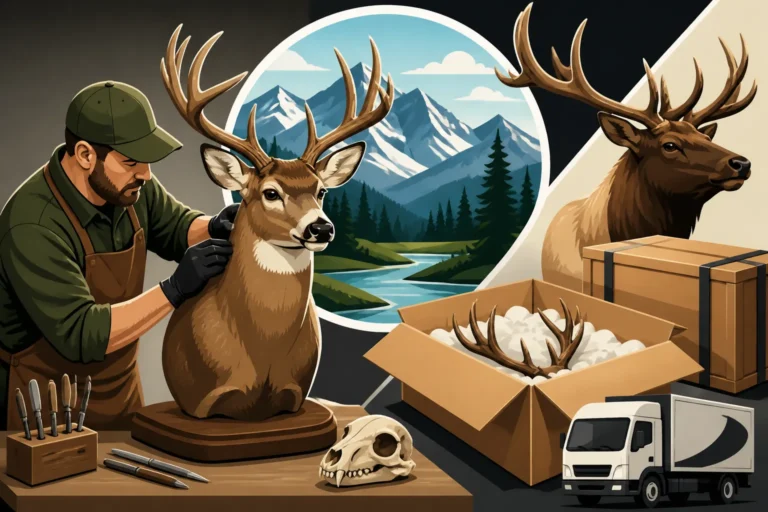
Do they have a preferred meat processor or taxidermist, or can they recommend one? Many outfitters work with local businesses and can facilitate these services for you. It's helpful to know if these are additional costs and what the typical turnaround times are. Information on Getting Meat Processed After the Hunt and Alberta Taxidermists and Their Wait Times can vary wildly, so ask for specifics.
What are the rules and costs for shipping meat and trophies home, especially across borders? This can be complex and expensive. If you're a non-resident, understand the regulations for importing game meat and trophies back into your home jurisdiction. Ask about crating, shipping methods, and estimated costs for services like Shipping Meat Home From Alberta and Taking a Cape Across the Border.
What are the CWD testing requirements for the WMU you're hunting, and how is that handled? Chronic Wasting Disease (CWD) is a serious concern in Alberta, and mandatory submission zones require hunters to provide samples. As detailed in Alberta's CWD Testing Requirements and CWD Testing on an Outfitted Alberta Hunt, you need to know if your animal will require testing and how the outfitter assists with that process.
Safety, Contingency Plans, and Ethical Hunting
Your safety is paramount. A responsible outfitter will have clear protocols and emergency plans in place.
What are their safety protocols in the field? This includes everything from firearm safety rules, communication protocols between guides and hunters, to awareness of local wildlife (bears, cougars). Ensure you feel comfortable with their approach to safety. Consider Alberta Blaze Orange and Safety Rules and other specific regulations.
What's their emergency plan in case of injury, severe weather, or other unforeseen incidents? This is a critical question. Do they carry a first-aid kit? Are guides trained in wilderness first aid? What's the protocol for medical evacuation? Is there a satellite phone or emergency beacon available? As explained in Emergency Plans in Alberta's Backcountry, knowing this plan can literally be life-saving.
What's their policy on wounded animals? Will they dedicate time to track a wounded animal, even if it means sacrificing hunting time for another animal? A reputable outfitter will prioritize recovering a wounded animal ethically. Discuss this upfront to understand their commitment.
Finally, how do they ensure ethical hunting practices and fair chase? A good outfitter operates with the highest ethical standards, respecting wildlife, habitat, and local regulations. This might seem like a given, but it's always worth asking about their philosophy on fair chase and conservation.
| Category | Key Questions to Ask | Why It Matters |
|---|---|---|
| Hunt Details | What species, WMU, and exact dates? | Ensures legality and specific target alignment. |
| What are the historical success rates for this hunt? | Sets realistic expectations and clarifies what "success" means. | |
| What hunting methods will be used? | Matches your preferences and physical capabilities to the hunt style. | |
| Logistics & Camp | How do I get to camp, and what are accommodations like? | Important for travel planning, packing, and comfort expectations. |
| What kind of food is provided? Dietary needs? | Ensures you're well-fed and special needs are met. | |
| What's on the packing list? Any specific gear requirements? | Guarantees you're prepared for weather, terrain, and regulations. | |
| Financials | What's included and excluded from the base price? | Prevents unexpected costs (licenses, processing, tips, shipping). |
| What are the deposit, payment, and cancellation policies? | Protects your financial investment if plans change. | |
| Do you recommend trip insurance? | Offers financial security against unforeseen disruptions. | |
| Vetting Outfitter | Are you licensed and insured in Alberta? | Verifies legitimacy and provides liability coverage. |
| Can you provide recent references for this hunt? | Offers independent verification of the outfitter's reputation and performance. | |
| How are non-resident rules handled (guide/host)? | Ensures legal compliance for your hunter status. | |
| Post-Harvest/Safety | What's the plan for meat care, processing, and trophy handling? | Preserves meat quality and facilitates legal transport of your harvest. |
| What are your CWD testing requirements? | Ensures compliance with important wildlife health regulations. | |
| What are your safety protocols and emergency plans? | Critical for your well-being in the field. |
By asking these comprehensive questions, you'll not only gain a deep understanding of your potential Alberta hunting trip but also build a foundation of trust and clear communication with your outfitter. This diligence upfront can transform a good hunt into a truly exceptional and memorable one. Happy hunting!
Disclaimer
This article is for general informational purposes only and does not constitute professional advice. Laws, prices and regulations vary by location and change over time. Consult a qualified professional for guidance on your specific situation.