Alberta’s CWD Testing Requirements
Navigating the ever-evolving landscape of hunting regulations can feel like trying to hit a moving target, and when it comes to Chronic Wasting Disease (CWD), the rules often come with extra layers of complexity and concern. It's a genuine worry for many of us who cherish Alberta's wildlife, and the thought of unwittingly contributing to its spread or consuming potentially infected meat is daunting. This comprehensive guide is here to unravel the ins and outs of Alberta's CWD testing requirements, ensuring you're fully prepared and compliant when you head out into the field.
Understanding Chronic Wasting Disease CWD in Alberta
For any hunter, understanding CWD isn't just about following rules; it's about protecting the very resource we love. This isn't just a regulatory hurdle; it's a critical part of being a responsible steward of Alberta's incredible big game populations.
What is CWD and Why Should Hunters Care
Chronic Wasting Disease (CWD) is a nasty, always-fatal neurological disease that affects cervids – that's deer, elk, moose, and caribou. It's caused by abnormal proteins called prions, which slowly build up in the brain and other tissues, essentially turning the animal's brain into a sponge. It’s not caused by a bacteria or a virus, but by these misfolded proteins, which makes it particularly insidious and difficult to combat. Animals infected with CWD might not show symptoms for a long time, often a year or more, which makes detection in the field incredibly challenging. When symptoms do appear, they include severe weight loss (hence "wasting"), stumbling, drooling, excessive thirst and urination, behavioral changes, and ultimately, death.
The reason hunters should care deeply about CWD goes beyond just avoiding potentially infected meat, though that's a significant concern. CWD poses a grave threat to the long-term health and sustainability of Alberta's cervid populations. Imagine a future where the deer and elk herds we cherish are severely diminished or riddled with disease. Our hunting heritage, passed down through generations, relies on healthy wildlife. By participating in CWD testing, hunters become active participants in monitoring the disease, providing critical data that helps wildlife managers understand its spread and implement effective strategies to protect our game animals. It’s a collective effort, and your contribution, though it might feel like an extra step after a successful hunt, is absolutely vital.
How CWD Spreads and Its Presence in Alberta
CWD spreads primarily through direct animal-to-animal contact, but here's the really tricky part: it also spreads through contact with contaminated environments. Prions are shed by infected animals through saliva, urine, and feces, and they can persist in the soil for years, even decades. This means that a healthy animal can pick up the prions from the environment long after an infected animal has passed through. Carcass parts, especially brain and spinal cord tissue, also contain high concentrations of prions, making proper disposal incredibly important to prevent further contamination.
CWD first made its appearance in Alberta in 2002, detected in white-tailed deer. Since then, it has slowly but steadily spread across various regions of the province, particularly in the southeastern and central prairie and parkland zones. We've seen an increase in Alberta's CWD Positive Rate Last Season, which is a stark reminder of its persistent and expanding threat. Initially concentrated in specific areas, CWD has continued to appear in new Alberta's Wildlife Management Units (WMUs), affecting not just white-tailed deer but also mule deer and, to a lesser extent, elk. The presence of CWD has significant implications for our deer populations, potentially leading to reduced herd health, lower recruitment rates, and a shift in age structures as the disease takes its toll on older animals. Understanding How CWD Spreads Through a Deer Herd is key to appreciating the efforts to contain it.
Alberta's Mandatory CWD Submission WMUs
One of the most direct ways Alberta Environment and Parks (AEP) fights CWD is through mandatory testing in specific areas. It’s a system designed to gather as much data as possible from areas where the disease is most prevalent or where it's establishing a foothold.
Identifying Mandatory Submission Zones
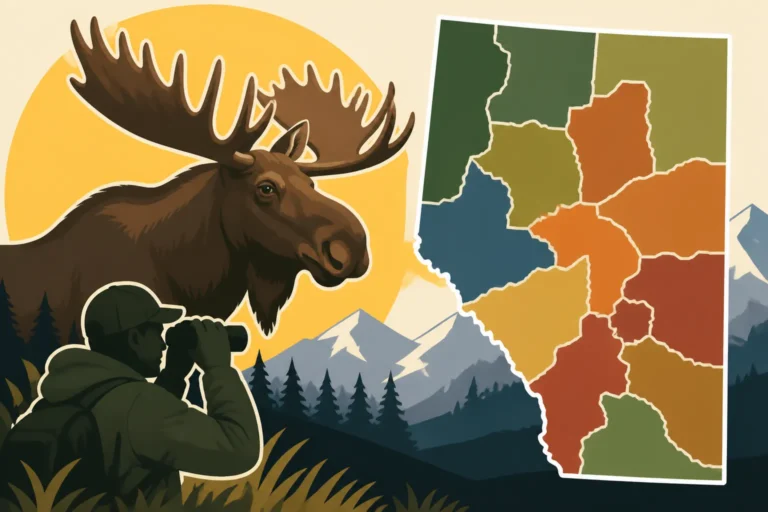
If you're heading out to hunt big game in Alberta, one of the first things you need to do, after checking Alberta Big Game Season Dates, is to identify if the WMU you're planning to hunt in is a mandatory CWD submission zone. These zones are specific Wildlife Management Units (WMUs) where hunters are required to submit the heads of certain harvested cervid species for CWD testing. These aren't arbitrary designations; they are typically areas where CWD has been detected and is known to be circulating, or where AEP wants to intensively monitor its presence and spread.
For instance, many WMUs in southeastern Alberta, such as the 100-series (e.g., WMU 102, 104, 110, 116), and extending into some central prairie and parkland WMUs (like parts of the 200-series), have historically been, or are currently, designated as mandatory submission zones. These are the front lines of CWD detection. It's absolutely crucial to remember that these zones can change from year to year based on disease prevalence and monitoring needs. You cannot rely on last year's map! Always, always check the current Alberta Guide to Hunting Regulations and the AEP website before your hunt. Tools like the GoHunt app often have updated mapping overlays that can show you these specific zones, which is a huge help when you're planning your trip or in the field trying to confirm your location. Knowing Which WMUs Require a Deer Head Submission is your responsibility as a hunter.
Species Subject to Mandatory Testing
In these mandatory submission WMUs, not all species are required for testing, but certain key cervids are. The primary species targeted for mandatory CWD testing are white-tailed deer and mule deer. Given their widespread distribution and often higher population densities, these species are considered significant carriers and indicators of CWD prevalence. If you harvest an antlered or antlerless white-tailed deer or mule deer in a mandatory CWD submission WMU, you must submit its head for testing.
Elk are also often included in mandatory submission requirements, particularly in certain WMUs where their populations are known to be affected or where CWD surveillance is critical. While moose and caribou are also cervids and can contract CWD, their prevalence rates are generally much lower in Alberta, and they are not typically subject to the same broad mandatory submission rules as deer and elk, though voluntary submissions are always encouraged. The rationale behind targeting these specific species is rooted in scientific data regarding disease transmission, prevalence rates, and the importance of these animals to Alberta's hunting economy and ecosystem. It's a strategic effort to gather the most impactful data to protect the broader cervid populations.
The CWD Sample Submission Process
Okay, you've successfully harvested an animal in a mandatory CWD zone – congratulations! Now comes the critical, yet often daunting, step of CWD sample submission. It might seem like a chore after a long hunt, but doing it correctly is vital.
Preparing Your Specimen for Submission
Preparing your specimen correctly is paramount for accurate testing and to prevent further contamination. It's not just about tossing a head into a freezer; there's a specific method to ensure the best sample.
First, you'll need to remove the head and about 4-6 inches of the upper neck, ensuring you leave the brainstem intact, as this is the primary tissue tested for CWD. Many hunters choose to do this after field dressing the animal. When doing this, it's a good practice to wear disposable gloves to minimize potential exposure to fluids and prions, although CWD isn't known to be transmissible to humans through consumption, it's always wise to exercise caution. Use sharp, clean tools and try to keep the cut clean. If you're planning a shoulder mount, a taxidermist can often help with the proper head removal for CWD submission while ensuring the cape remains suitable for mounting.
Once the head is removed, the next step is crucial: proper tagging. You need to clearly attach a tag with your legal name, your WIN card number, the date of harvest, and the exact WMU where the animal was taken. Some hunters even jot down the quarter section if they know it, which is fantastic for pinpointing disease hotspots. This information is critical for tracking and linking the sample back to you and the specific harvest location. Without it, your sample might not be processed. Place the head in a durable plastic bag, making sure it’s securely tied to prevent leakage. This helps maintain the sample's integrity and keeps the freezer sites clean. You can find detailed guides on the AEP website or via helpful apps like GoHunt that walk you through this process visually.
Where Alberta's CWD Freezers Are Located
Once your specimen is properly prepared and tagged, the next challenge is getting it to the right place. Alberta has established a network of designated CWD drop-off freezers strategically located throughout the province, particularly within or adjacent to the mandatory submission WMUs. These aren't just any old freezers; they are part of a coordinated collection effort to ensure samples are stored correctly before being transported to labs for testing.
You'll typically find these freezers at various locations, including some Fish and Wildlife offices, specific designated private businesses like general stores, gas stations, or meat processors in key hunting communities. For example, you might find a drop-off freezer in towns like Brooks, Medicine Hat, Hanna, Provost, or Lloydminster, which are often central to high-prevalence CWD areas. The exact locations are published annually in the Alberta Guide to Hunting Regulations and are usually updated on the AEP website and through online mapping platforms. Checking Where Alberta's CWD Freezers Are before your hunt is a smart move, so you know exactly where to go once you've made a harvest.
When you arrive at a drop-off site, follow the instructions carefully. Ensure your bagged and tagged head is placed in the designated freezer. It's all about maintaining a clean and organized system for efficient collection. If you have any questions, the staff at these locations are often knowledgeable, or you can contact your local Fish and Wildlife office.
Receiving Your CWD Results and What They Mean
After submitting your sample, the waiting game begins. The time it takes to get your CWD results can vary, but generally, How Long CWD Results Take is typically a few weeks to a couple of months. It largely depends on the volume of samples being processed and the time of year. Peak hunting seasons, especially early November when deer harvests are highest, can lead to longer turnaround times.
You'll typically be notified of your results through the AlbertaRelm website. This is why having an active WIN card and up-to-date contact information is so important. You can log into your account to check the status of your submission. Sometimes, depending on local protocols, you might also receive an email or a letter.
So, what do the results mean?
- Negative Result: This is what every hunter hopes for. A negative result means no CWD prions were detected in the sample. For practical purposes, you can consume the meat from your animal with confidence.
- Positive Result: If your sample comes back positive for CWD, it’s certainly not the news you want to hear. What Alberta Does With a Positive CWD Result is to provide you with recommendations. While there have been no documented cases of CWD transmission to humans through consumption of infected meat, public health agencies (like Health Canada and the World Health Organization) generally advise against consuming meat from CWD-positive animals as a precautionary measure. AEP will contact you directly to discuss the implications and recommend proper disposal of the meat and remaining carcass. This information is also vital for AEP's ongoing surveillance and management efforts.
Handling Carcasses from CWD-Positive or High-Risk Areas
Successfully harvesting an animal is just part of the journey; how you handle the carcass afterward, especially in CWD-prone areas, is incredibly important for limiting the disease's spread.
Moving a Carcass Out of a CWD Zone
This is a big one, and it's where many hunters, especially those from outside Alberta or who haven't dealt with CWD before, can get caught up. The regulations around Moving a Carcass Out of a CWD Zone are designed to prevent the geographical spread of prions, particularly those concentrated in high-risk tissues. If you harvest an animal in a mandatory CWD submission WMU or an area known for CWD prevalence, there are strict rules about what parts of the carcass you can transport out of that zone.
Generally, only deboned meat, the skull cap with antlers (if you're keeping them as a trophy), a cleaned skull (without brain matter or spinal cord), and the hide are allowed to leave a CWD risk area. What this means in practice is that you cannot simply load a whole or partially field-dressed carcass into your truck and drive it home if your home is outside that designated zone. The brain, spinal cord, spleen, and lymph nodes are considered high-risk tissues because they harbor the highest concentrations of prions. These parts must be left behind in the CWD risk area or disposed of in an approved manner (like a designated CWD collection site or municipal landfill within the CWD zone).
It's a hassle, I know, especially after a long and successful hunt, but these rules are critical. Transporting high-risk carcass parts across WMU boundaries could inadvertently introduce CWD into new, healthy populations. Non-compliance can result in significant penalties, including fines and potential suspension of hunting privileges. Always check the current regulations and map your route to ensure you're compliant with these carcass transport rules.
Recommendations for Processing and Disposal
When you're dealing with an animal harvested in a CWD-prone area, whether you're taking it to a professional butcher or processing it yourself at home, certain recommendations can help mitigate risk.
For professional butchers, they are often well-versed in CWD protocols. Many will process animals from CWD zones separately or take extra precautions. It’s always good to communicate upfront where the animal was harvested and if it's from a mandatory testing zone. This allows them to manage their equipment and waste appropriately.
If you're a home processor, extra vigilance is key.
- Wear Gloves: Always wear disposable gloves when handling any part of the animal, especially when deboning or separating tissues.
- Clean Tools Thoroughly: Prions are incredibly tough and resistant to conventional disinfectants. Use separate knives, cutting boards, and saws for CWD-risk animals if possible. After processing, clean all tools and surfaces thoroughly with a strong bleach solution (e.g., a 40% bleach solution for at least 5 minutes) or commercial prion decontaminants.
- Identify High-Risk Tissues: Focus on identifying and separating the brain, spinal cord, eyes, spleen, and lymph nodes (often found near major muscle groups and along the digestive tract).
- Proper Disposal: These high-risk tissues should be double-bagged in heavy-duty garbage bags and disposed of in a municipal landfill, preferably within the CWD-affected WMU or designated disposal sites. Do not discard them in the environment, as prions can persist in the soil and infect other cervids.
- Meat Consumption: As mentioned earlier, Whether CWD Meat Is Safe to Eat is a common question. While no human cases have been linked to CWD, public health advice from health authorities like Health Canada recommends against consuming meat from an animal that tests positive for CWD. If you receive a positive CWD result, it's best to follow this cautionary advice and properly dispose of the meat.
By following these recommendations, you're not only protecting yourself but also playing a crucial role in preventing the environmental spread of this devastating disease.
The Impact of CWD on Alberta's Deer Herds and Management Strategies
CWD isn't just a concern for individual hunters or individual animals; it's a systemic threat that impacts entire ecosystems and demands a coordinated, long-term management approach.
How CWD Spreads Through a Deer Herd
Understanding how CWD moves through a deer herd is fundamental to appreciating why regulations are structured the way they are. The spread isn't always obvious or quick, making it a "silent killer" in many respects. CWD transmission is primarily density-dependent. This means that in areas with high deer densities – where animals are frequently congregating – the disease can spread more rapidly. Imagine a favorite feeding area, a natural mineral lick, or even a popular water source. These are all places where deer are in close contact, exchanging saliva, urine, and feces, and thus, potentially shedding and picking up prions.
The disease has a long incubation period, often 18-24 months, during which an infected animal appears healthy but is actively shedding prions into the environment. This makes it incredibly difficult to spot and remove infected animals before they contribute to the disease's spread. As prions accumulate in the environment, they create "hot zones" where the risk of transmission to healthy animals becomes significantly higher. This persistence in the soil means that even if all infected deer were somehow removed, the environment itself could remain a source of infection for new animals for many years to come. This environmental contamination aspect is why How CWD Spreads Through a Deer Herd is such a complex problem, making eradication virtually impossible once it's established. Over time, CWD can lead to declines in herd numbers, particularly among older, more productive animals, altering the population's age structure and overall health.
Alberta's Management Efforts and Hunter's Role
Alberta Environment and Parks (AEP) has a multi-pronged strategy to manage CWD, recognizing the long-term challenge it presents. This strategy includes intensive surveillance (like the mandatory testing program), research into the disease, public education, and targeted herd reduction efforts in areas with high CWD prevalence. The goal isn't necessarily eradication, which is largely considered unfeasible, but rather to control the spread, minimize its impact on cervid populations, and buy time for potential scientific breakthroughs.
Hunters are absolutely essential to this management effort. You are literally the frontline monitors in the field. Every head you submit from a mandatory WMU provides invaluable data about the geographical spread and prevalence of CWD. This information directly informs AEP's decisions about which WMUs require focused attention, where to implement targeted culls, and how to adjust regulations. Without hunter participation, wildlife managers would be working in the dark, unable to accurately track the disease's progression. It's a true partnership between hunters and conservation agencies. By diligently adhering to testing requirements and reporting observations of sick animals, you are contributing directly to the health and future of Alberta's wildlife. Your involvement helps confirm Alberta's CWD Positive Rate Last Season and shape future strategies.
Future Outlook and Hunter Considerations
CWD is a persistent challenge, and it's something Alberta hunters will need to contend with for the foreseeable future. Staying informed and upholding ethical practices are your best tools moving forward.
Evolving Regulations and Staying Informed
Just like the antlers on a trophy buck grow and change each year, so too do the regulations surrounding CWD. The science behind CWD is continually evolving, with researchers constantly learning more about its transmission, persistence, and potential impacts. This ongoing research directly influences how wildlife agencies like AEP adapt their management strategies. Therefore, it's not enough to just know the rules from last year or even last month.
Hunters must make it a habit to consult the most current Alberta Guide to Hunting Regulations every single year, before the season starts. This official document is your bible for all things legal and regulatory. Beyond that, the AEP website is regularly updated with news releases, maps, and specific CWD-related advisories. Many hunters also find immense value in using digital tools like the GoHunt app, which often provides real-time updates on WMU boundaries, CWD zones, and drop-off freezer locations, making it easier to stay informed while you're planning or even out in the field. Engage with your local hunting community, participate in online forums, and attend information sessions if available. The more informed you are, the better equipped you'll be to navigate the landscape of CWD management responsibly.
Ethical Hunting Practices and Personal Responsibility
Beyond simply following the law, being an ethical hunter in the age of CWD means taking personal responsibility for the health of the wildlife resource. This extends to several key areas:
- Rigorous Compliance: Consistently complying with all CWD testing and carcass handling regulations isn't just about avoiding a fine; it's about protecting the future of hunting in Alberta. Every sample submitted, and every properly disposed-of carcass, is a step towards limiting the disease's spread.
- Minimizing Environmental Contamination: Be mindful of where you field dress your animal, especially in CWD-positive areas. If possible, leave high-risk tissues (brain, spinal cord, etc.) at the kill site or transport them directly to an approved landfill within the CWD zone. Avoid discarding them near water sources or in areas where other cervids congregate.
- Avoiding Illegal Practices: Practices like illegal baiting can concentrate deer and other cervids, which, in turn, can accelerate the spread of CWD. Ethical hunters understand that such practices, even if seemingly harmless, can have devastating long-term consequences.
- Reporting Suspect Animals: If you observe an animal showing signs of CWD – severe emaciation, abnormal behavior, excessive drooling – report it to your local Fish and Wildlife office. This early detection can be critical for monitoring and management efforts.
- Supporting Research and Conservation: Staying engaged with organizations like the Alberta Conservation Association or participating in voluntary CWD testing programs (even outside mandatory zones) are additional ways to demonstrate your commitment to wildlife health.
The presence of CWD adds a layer of complexity and responsibility to hunting in Alberta. But by staying informed, diligently following regulations, and embracing ethical practices, hunters continue to be invaluable partners in safeguarding our province's incredible wildlife for generations to come. Think of every properly submitted CWD sample as a testament to your dedication to conservation.
Alberta CWD Submission Guidelines At-A-Glance
| Category | Detail | Important Notes |
|---|---|---|
| Mandatory WMUs | Varies annually. Primarily 100-series and some 200-series WMUs in southeastern/central Alberta. | ALWAYS check current Alberta Hunting Regulations and AEP website/GoHunt for annual updates. |
| Targeted Species | White-tailed Deer (antlered & antlerless), Mule Deer (antlered & antlerless), Elk. | Moose/caribou are usually voluntary. Check for specific WMU exceptions. |
| Submission Specimen | Head with 4-6 inches of upper neck/brainstem intact. | Wear gloves. Tag clearly with WIN #, WMU, harvest date. Bag securely. |
| Drop-Off Locations | Designated CWD freezers at Fish & Wildlife offices, authorized private businesses (e.g., Brooks, Hanna, Lloydminster, Medicine Hat). | Verify freezer locations on AEP website or GoHunt app before hunting. |
| Result Notification | Typically via your AlbertaRelm account (online). | Allow several weeks to months for processing. |
| Positive Result | Consult AEP for guidance. Health Canada advises against consuming CWD-positive meat. Proper disposal of meat and carcass parts is critical. | Prions persist in the environment; responsible disposal prevents further spread. |
| Carcass Transport | Only deboned meat, skull cap, cleaned skull, and hide can leave a CWD risk zone. High-risk tissues (brain, spinal cord, etc.) must remain or be properly disposed of. | Non-compliance carries penalties. This rule is crucial to contain disease spread. |
| Processing | Use gloves, clean tools thoroughly (bleach solution recommended), dispose of high-risk tissues in municipal landfill (within CWD zone if possible). | Communication with butchers is important if using professional services. |
| Hunter's Role | Essential for data collection, monitoring, and mitigating disease spread through compliance and ethical practices. | Your participation directly impacts wildlife management and the health of Alberta's herds. |
Disclaimer
The information provided in this guide is for general informational purposes only and is based on current understanding and publicly available regulations for Alberta hunting. Hunting regulations, including those related to CWD, can change frequently. It is the sole responsibility of the hunter to consult the most recent Alberta Guide to Hunting Regulations, Alberta Environment and Parks (AEP) advisories, and the AlbertaRelm website before participating in any hunting activity. Failure to do so may result in penalties. This guide does not constitute legal advice.