How Long CWD Results Take
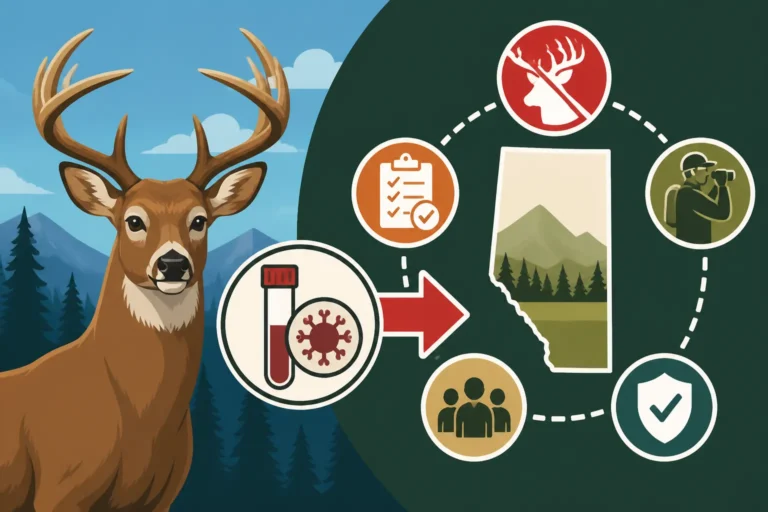
One of the most nerve-wracking parts of a successful hunt in Alberta, after all the hard work in the field and the joyous tagging of your animal, can be the waiting game for Chronic Wasting Disease (CWD) test results. That uncertainty, especially when you're itching to get that hard-earned venison into the freezer or planning for taxidermy, is a real frustration. This guide is here to walk you through the entire CWD testing process in Alberta, from submission to receiving your results, giving you a realistic understanding of the timelines involved and what to expect.
Understanding Chronic Wasting Disease in Alberta
Let's face it, CWD is a buzzkill no one wants to deal with, but it's an unfortunate reality in many hunting landscapes, including parts of Alberta. Knowing what it is and why it's so important to our wildlife is the first step in understanding the testing process.
What CWD Is and Why It Matters for Hunters
Chronic Wasting Disease is a transmissible neurological disease that affects cervids—that's deer, elk, moose, and caribou. It's caused by abnormal proteins called prions, which slowly damage the brain and nervous system. Think of it like a zombie disease for deer, slowly wasting them away until they eventually die. The real kicker is that it's always fatal, and there's no cure. As hunters, we have a vital role in managing this disease, not just for the health of our herds but also for the peace of mind concerning the game meat we put on our tables. While there's no direct evidence of CWD transmitting to humans, health authorities generally advise against consuming meat from CWD-positive animals. For many of us, knowing our meat is safe is paramount, making CWD testing an essential part of responsible hunting. You can learn more about What CWD Is Doing to Alberta Deer in our comprehensive guide.
Alberta's Proactive Approach to CWD Management
Alberta has been dealing with CWD for a while now, and our provincial Fish and Wildlife division has a robust surveillance program in place to monitor its spread and prevalence. This isn't just a recommendation; in certain Wildlife Management Units (WMUs), particularly in central and eastern Alberta where the disease is more established, submitting the heads of harvested deer (whitetail and mule deer) for testing is mandatory. Even outside these mandatory zones, voluntary submissions are highly encouraged for all cervid species. This extensive testing helps wildlife biologists track the disease, understand its hotspots, and inform management strategies to protect healthy herds. It's a massive undertaking, and every hunter who submits a sample plays a crucial part in the bigger picture of wildlife conservation. Hunters can check Which WMUs Require a Deer Head Submission to ensure they are compliant.
The Journey of Your CWD Sample: From Field to Lab
So, you've successfully harvested an animal, and now it's time to get that head submitted for CWD testing. This part of the process is critical, as proper collection and submission directly impact how smoothly and quickly your results will be processed.
How to Properly Collect and Submit Your Sample
First things first, after you've field dressed your animal, you'll need to remove the head. The general instruction is to remove the head at the first cervical vertebra (the "atlas joint") to ensure the lymph nodes and brainstem, which are critical for CWD testing, remain intact. Once the head is off, it needs to be kept cool. If you can't get it to a freezer depot immediately, keep it on ice in a cooler or even freeze it whole if you have the space. Each sample needs to be tagged with a CWD submission form, which you can usually print off online from AlbertaRELM or pick up at a drop-off site. This form requires your WIN card number, contact information, species, sex, and the WMU where the animal was harvested. Accuracy here is key!
Once your form is filled out and securely attached, you'll drop the head off at one of the designated CWD freezer locations across Alberta. These freezers are typically located in various towns and communities, often at gas stations, co-op stores, or Fish and Wildlife offices. You can find a detailed list of Where Alberta's CWD Freezers Are online. Make sure the head is in a clear plastic bag to keep things tidy and prevent contamination. Double-check your tag is legible and firmly attached. An improperly prepared or tagged sample can lead to delays or even rejection, forcing you to go through the hassle all over again.
What Happens Once Your Sample is Submitted
After you've placed your prized buck or bull's head into a CWD freezer, it begins its journey to the lab. Periodically, Fish and Wildlife staff or their contractors will collect the accumulated heads from these depots. This collection isn't daily; it's usually on a schedule determined by the volume of submissions and the logistics of transportation.
Once collected, the samples are transported to a central facility, typically in Edmonton, where they are initially sorted and processed. This involves checking the submission forms for completeness and accuracy, assigning a unique lab identifier, and entering the information into a tracking database. This data entry phase is crucial for ensuring that your results can be correctly matched back to your specific submission. During peak hunting season, especially for popular species like white-tailed deer and mule deer, this initial sorting and data entry can become quite a bottleneck due to the sheer volume of samples pouring in. This initial administrative work, though seemingly small, is a vital cog in the machine that ultimately impacts the overall wait time for your CWD results.
The Lab Process: Dissecting the Timeline for CWD Results
The moment your sample officially enters the lab is when the clock really starts ticking, but several factors can influence just how long that clock runs.
Average Processing Times and Influencing Factors
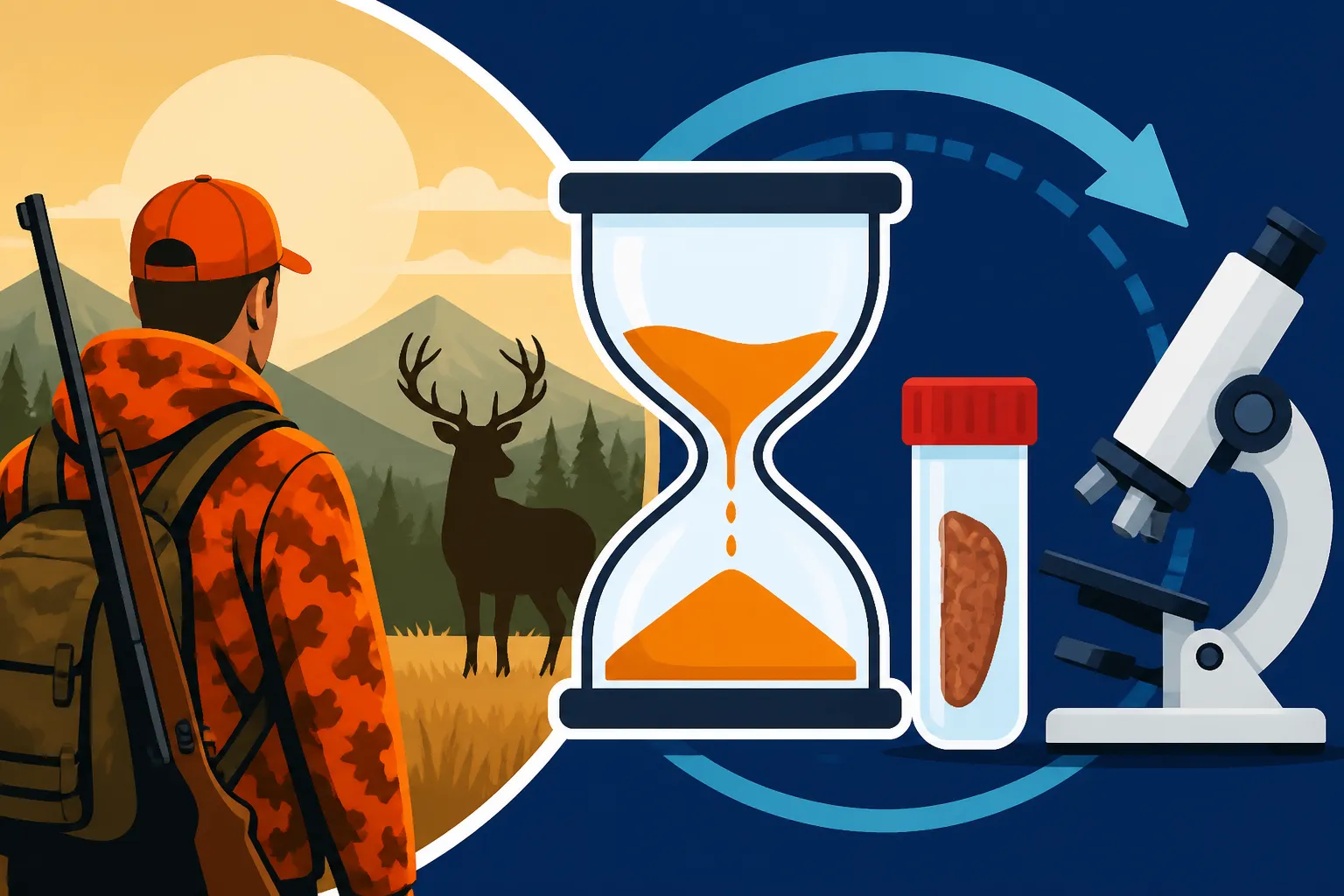
Generally speaking, once your CWD sample has been collected from a freezer depot and successfully registered at the central lab, you can anticipate receiving results within 2 to 6 weeks. However, and this is a big "however," this timeline can fluctuate quite a bit. The biggest influencing factor is the volume of samples the lab receives. Imagine thousands of deer, elk, and moose heads coming in from across the province during the peak fall rifle seasons, particularly from popular WMUs. The labs simply get swamped. If you submit your sample right at the beginning of the archery season in September, for instance, you're likely to get your results back quicker than someone who submits a buck in the middle of November when the whitetail rut is in full swing and everyone is out hunting.
Other factors include staffing levels at the lab, equipment availability, and even unexpected delays like holidays or unforeseen technical issues. For example, if you submit your animal just before the Christmas holidays, expect an extended wait as staff numbers might be reduced. Alberta's CWD testing is conducted through specialized laboratories, using methods like immunohistochemistry (IHC) or enzyme-linked immunosorbent assay (ELISA) to detect the prions. These are not instant tests; they require meticulous preparation, multiple steps, and often multiple checks to ensure accuracy. If you're a diligent hunter who uses mapping and planning tools like GoHunt, you might already have a good sense of when certain WMUs experience peak hunting pressure, which can help you anticipate potential CWD testing delays.
How to Access Your CWD Results in Alberta
Once your sample has been processed and analyzed, the results are typically uploaded to your AlbertaRELM account. This is the primary and most efficient way to check your CWD status. You simply log into your account, navigate to your hunting history or CWD submissions, and you should see the result associated with your specific sample. This online portal provides a clear "positive" or "negative" indication.
Sometimes, if you don't have internet access or prefer a different method, you might receive notification via mail, though this is less common and significantly slower. If you're concerned about delays and haven't seen your results after the expected timeframe, you can contact the Alberta Fish and Wildlife office directly. They can look up your submission by your WIN card number or the unique sample ID. Tools like GoHunt can help you keep track of your hunt dates and submission dates, making it easier to follow up if results seem to be taking longer than expected. It’s always a good idea to record your submission details right after drop-off.
Understanding Your CWD Test Results (Positive or Negative)
Receiving your CWD test results can bring a mix of relief or, unfortunately, disappointment. If your result comes back as "negative," congratulations! This means no CWD prions were detected in the sampled tissues. You can confidently proceed with processing and consuming your meat. This is the outcome every hunter hopes for, validating the safety of your harvest.
However, if the result is "positive," it means CWD prions were found. In this scenario, Alberta Fish and Wildlife will typically contact you directly to discuss the implications. The general recommendation is not to consume meat from a CWD-positive animal. You’ll be advised on how to dispose of the carcass appropriately, usually by burying it deeply or taking it to a designated landfill, to prevent further environmental spread of the prions. A positive result also triggers important data collection for wildlife managers, as it helps them monitor the disease's progression and What Alberta Does With a Positive CWD Result. While a positive result is certainly disheartening, remember that by submitting your sample and following guidelines, you've contributed valuable data to the ongoing efforts to manage this disease. It's also important to remember that Whether CWD Meat Is Safe to Eat is a public health concern that guides these recommendations.
Planning Your Hunt Around CWD Testing Timelines
Knowing the CWD testing process and potential delays can significantly impact your hunting strategy, especially when it comes to meat care and season planning.
When to Submit for Timely Results
To minimize your waiting time, consider submitting your CWD samples as early as possible in the season. If you harvest an animal during the early archery opener in September, getting that head to a freezer depot within a few days will likely get you a quicker turnaround than waiting until November. During the peak of the Hunting the Rut in Early November, CWD freezer depots fill up fast, and lab processing times inevitably lengthen. If you know you're hunting in a mandatory submission WMU, or even if you plan on voluntarily submitting, try to prioritize getting that sample in. This allows you to plan your meat processing with less uncertainty. It's often easier to deal with temporary meat storage (like professional butchering and freezing) if you anticipate a delay, rather than having the meat hanging in limbo, unsure if it's safe to consume. For advice on handling meat while you wait, check out our guide on Meat Care in Alberta's Cold and Warm Swings.
The Impact of CWD on Alberta's Deer Herd Trends
CWD isn't just a concern for individual hunters; it's a significant factor in the long-term health and trends of Alberta's deer herds. In WMUs with high CWD prevalence, scientists have observed impacts on herd densities and age structures. The disease disproportionately affects older bucks, which are often the prime targets for hunters. Continuous monitoring of Alberta's CWD Positive Rate Last Season helps wildlife managers understand disease hotspots and implement targeted management strategies, such as specific antlerless draws to reduce overall herd density and slow disease transmission. This data is also crucial for organizations like GoHunt, which compile and analyze hunting statistics, allowing hunters to see how CWD prevalence might affect future hunt planning or success rates in specific areas. Understanding these trends can influence where you choose to hunt and what species you pursue.
Strategic Considerations for Hunters
For hunters, CWD testing adds another layer to an already complex pursuit. If you're planning a hunt in an area known for CWD, it's wise to factor potential delays into your plans. This might mean having a contingency plan for meat storage – perhaps a local butcher shop that offers freezing services for a few weeks, or ensuring you have ample freezer space at home. If you're traveling a long distance, especially for a special draw tag, knowing the CWD status of your harvested animal before embarking on the journey home is crucial, particularly if you need to adhere to regulations on Moving a Carcass Out of a CWD Zone. Tools like GoHunt's mapping features can assist in identifying CWD-prone WMUs, helping you make informed decisions about where to focus your efforts. Ultimately, integrating CWD awareness into your overall hunting strategy ensures you're not just a successful hunter, but a responsible and informed conservationist.
CWD Sample Submission & Result Timeline Summary
| Step | Description | Estimated Timeframe | Key Considerations |
|---|---|---|---|
| Harvest & Sample Collection | Remove head properly, keep cool. Fill out submission form accurately. | Immediate | Head must be intact with brainstem/lymph nodes. Accuracy of info is critical. |
| Submission to Freezer Depot | Drop off sample at a designated CWD freezer location. | Within 1-3 days | Find closest depot. Ensure proper tagging and bagging. |
| Collection from Depot | Fish & Wildlife collects samples from depots. | 1-2 weeks (varies) | Depends on depot volume, location, and collection schedules. |
| Lab Registration & Data Entry | Samples checked, logged, and assigned unique ID at central facility. | 1-2 weeks (peak season) | Major bottleneck during high volume times. Correct forms speed this up. |
| Lab Analysis | Samples prepared and tested for CWD prions (IHC/ELISA). | 2-4 weeks | Specialized lab processes. Can be influenced by lab capacity and staffing. |
| Results Posted/Notification | Results uploaded to AlbertaRELM account, or mailed. | Typically 2-6 weeks total | Check AlbertaRELM online for fastest access. Peak season extends this. |
Disclaimer
The information provided in this guide is for general informational purposes only and is subject to change. Always consult the most current Alberta hunting regulations and official government resources for precise and up-to-date information regarding Chronic Wasting Disease, testing requirements, and timelines. Wildlife management policies are dynamic, and it is the hunter's responsibility to stay informed and compliant with all provincial regulations.