What Alberta Does With a Positive CWD Result
The moment you get that phone call or email notifying you that a deer you harvested has tested positive for Chronic Wasting Disease (CWD) can be incredibly disheartening, not to mention confusing. It throws a wrench into your plans for the meat and raises a lot of questions about what comes next, both for you and for the wider deer population. This guide aims to clear up that confusion, explaining exactly what Alberta does when a CWD result comes back positive, and what that means for hunters.
Understanding CWD and Its Serious Impact in Alberta
Chronic Wasting Disease is a serious concern for hunters and wildlife managers across North America, and Alberta is no exception. It’s a disease that brings with it a lot of anxiety, and for good reason.
What is Chronic Wasting Disease?
Let's start with the basics. CWD isn't caused by a bacteria or a virus like many other diseases we're familiar with. Instead, it's a fatal neurological disease caused by abnormal proteins called prions. These prions affect the brains of cervids – animals like deer, elk, and moose – slowly degrading their nervous system. Imagine an animal literally wasting away, becoming emaciated, exhibiting abnormal behaviour like listlessness, excessive salivation, and a lack of coordination, until it eventually dies. It’s a truly terrible way for an animal to go, and unfortunately, it's always fatal.
The insidious thing about CWD is how long the incubation period can be. An infected animal might look perfectly healthy for months, or even years, while the disease is silently progressing. This means you could harvest an animal that appears fine, only to find out later it was CWD positive. These prions are also incredibly resilient; they can persist in the environment – in soil, plants, and even water – for years, making them difficult to eradicate once a landscape is contaminated. They spread through direct animal-to-animal contact, as well as indirectly through contact with contaminated bodily fluids like urine, feces, and saliva. Understanding what CWD Is Doing to Alberta Deer is crucial for every hunter operating in the province.
Why Alberta Takes CWD Seriously
Alberta's wildlife managers and conservationists take CWD extremely seriously because of its potential to decimate cervid populations and, by extension, impact the future of hunting in our province. The implications are far-reaching. For one, it directly affects the health of our deer, elk, and moose herds. As the disease spreads and prevalence rates increase, we could see declines in animal numbers, particularly in areas with higher CWD rates. This could lead to reduced hunting opportunities and changes to Alberta Big Game Season Dates.
Beyond the direct impact on wildlife, there are also significant concerns about potential transmission. While there have been no documented cases of CWD transmission to humans, the scientific community generally advises against consuming meat from CWD-positive animals. This creates a dilemma for hunters who rely on their harvest for meat. The ethical responsibility of ensuring the game meat we consume is safe is paramount, and it's why Alberta's CWD Testing Requirements are so important. The province closely monitors Alberta's CWD Positive Rate Last Season to understand the spread and inform management strategies. This diligent monitoring is critical for protecting both the wildlife resource and public confidence in wild game meat.
The Process When a CWD Sample Tests Positive
So, you've submitted your sample, perhaps dropped it off at one of Where Alberta's CWD Freezers Are, and now you get the news: it's positive. What happens then? Alberta Fish and Wildlife has a clear protocol to follow.
Notification and Hunter Responsibility
First and foremost, if your CWD sample tests positive, Alberta Fish and Wildlife will contact you directly. This notification usually comes via phone or email, letting you know the results and explaining the next steps. It's a critical moment, and it's important to understand your responsibilities as a hunter at this stage. You might be curious about How Long CWD Results Take, but rest assured, if it's positive, you'll hear from them.
One of the immediate questions you’ll likely have is about the meat. The official recommendation from Alberta Health and the Canadian Food Inspection Agency (CFIA) is not to consume meat from a CWD-positive animal. This advice is rooted in an abundance of caution, even though no human cases have ever been linked to consuming CWD-infected meat. Hunters should consider this recommendation very carefully. It can be a tough pill to swallow, especially if you've invested time, effort, and resources into your hunt. However, adhering to these guidelines helps ensure your safety and minimizes any potential (though currently unproven) risks. If you want to know more about Whether CWD Meat Is Safe to Eat, the current consensus remains cautious.
Implications for the Specific Carcass
Once a positive result is confirmed, the specific carcass becomes subject to certain rules regarding its disposal and movement. If you've already butchered the animal and have meat in your freezer, the recommendation is to dispose of it appropriately. This isn't just about personal safety; it's also about preventing the further spread of CWD prions. Improper disposal, such as leaving infected remains in a field, could contaminate the environment and expose other cervids to the disease.
The best way to dispose of CWD-positive meat and carcass parts is to send them to a licensed landfill. Alberta Fish and Wildlife will often provide specific guidance on this, and in some cases, may even assist with or coordinate the proper disposal. It's especially crucial to avoid Moving a Carcass Out of a CWD Zone if it's CWD-positive, as this directly contributes to the spread of the disease to new areas. You might be asked to provide details on where and how you’ve stored or processed the animal. Full cooperation with Fish and Wildlife is essential to manage the disease effectively. These measures are designed to contain the prions and protect the wider wildlife population from exposure to this persistent disease.
Broader Management Actions
A positive CWD test isn't just about one animal; it triggers broader management actions aimed at understanding and controlling the disease's spread within Alberta. Wildlife managers use this data to identify hotspots, track prevalence rates, and adjust management strategies for specific areas. This could include modifying hunting regulations, increasing sampling efforts in certain WMUs, or even implementing targeted culls in areas with extremely high prevalence, though this is a measure of last resort.
The provincial government continually updates its CWD surveillance zones based on these findings. If your animal tested positive in a previously unaffected area, that region might see increased testing requirements and public awareness campaigns. It's all part of a comprehensive effort to manage what is a very challenging and persistent wildlife disease. Organizations like GoHunt provide resources and up-to-date information that can help hunters stay informed about these ever-evolving management zones and requirements. Knowing Which WMUs Require a Deer Head Submission is a key part of participating in these efforts. Understanding How CWD Spreads Through a Deer Herd informs these broader actions, emphasizing containment and population health.
Mitigating CWD Risk and Supporting Wildlife Management
As hunters, we have a significant role to play in the fight against CWD. Our actions, from how we field dress an animal to our willingness to submit samples, are crucial in helping Alberta manage this disease.
Best Practices for Hunters
Being a responsible hunter in Alberta means being proactive about CWD. Here are some key practices that can make a real difference:
- Test Your Harvest: This is paramount. Always submit samples from any cervid you harvest in CWD-affected areas. It’s the only way to know if an animal is positive, and it contributes vital data to wildlife management efforts. Refer to current regulations for Alberta's CWD Testing Requirements.
- Proper Carcass Disposal: If you butcher your animal in the field, leave the high-risk parts (brain, spinal cord, spleen, lymph nodes) at the kill site, especially if you're in a CWD-positive zone. This minimizes the chance of transporting prions to new areas. If you bring the carcass home, ensure proper disposal of remains in a licensed landfill, not just in your backyard.
- Avoid Spreading Prions: Never transport whole carcasses or high-risk parts across WMU boundaries, especially from CWD-endemic areas to those with low or no known prevalence. If you hunt in a CWD zone and plan to take your meat elsewhere, debone it thoroughly and discard all brain, spinal, and lymph node tissue before leaving the area. This practice is specifically designed to avoid Moving a Carcass Out of a CWD Zone.
- Report Sick Animals: If you see any cervid exhibiting CWD-like symptoms – looking emaciated, disoriented, or extremely thirsty – report it immediately to Alberta Fish and Wildlife. These observations are critical early warning signs.
- Clean Your Tools: Thoroughly clean all knives, saws, and processing equipment after each animal. Prions are tough, so good hygiene helps prevent cross-contamination.
These practices aren't just recommendations; they are vital steps that every hunter can take to protect our wildlife heritage and ensure sustainable hunting opportunities for future generations. GoHunt can be a valuable tool for finding current regulations and CWD zones, helping you make informed decisions before and during your hunt.
How Hunters Contribute to CWD Management
Hunters are truly on the front lines of CWD management. Without your active participation, the province would have a much harder time tracking and understanding the disease. Every sample submitted provides a piece of the puzzle, allowing wildlife biologists to map the disease's spread, identify areas of high prevalence, and monitor its trends. This data helps inform decisions about Alberta's Wildlife Management Units and specific regulations.
Think of each submitted sample as a vote for healthy wildlife populations and a sustainable hunting future. Your commitment helps ensure that conservation efforts are targeted and effective. It’s not just about compliance; it’s about being a steward of the land and its animals. Organizations like the Alberta Conservation Association (ACA) also play a significant role in providing resources and drop-off locations, making it easier for hunters to contribute. By taking these steps, we actively work against the spread of Diseases Alberta Game Managers Watch and protect the integrity of our wild game resources. The more hunters engage with testing and responsible practices, the better equipped Alberta will be to face the long-term challenges of CWD.
Summary of CWD Management Actions
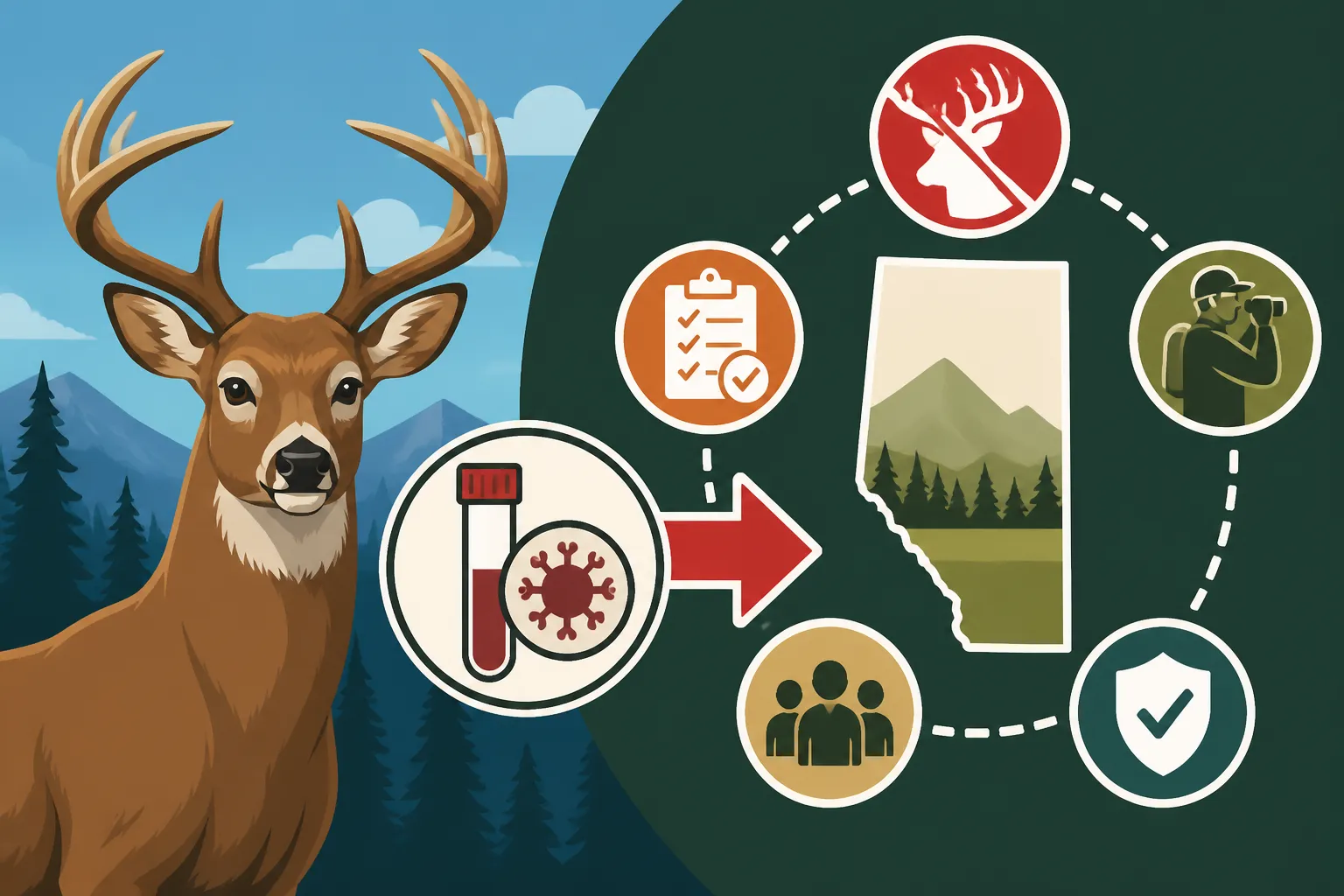
Here's a quick overview of what typically happens when an animal tests positive for CWD in Alberta:
| Action Category | Description | Hunter's Role/Responsibility |
|---|---|---|
| Notification | Alberta Fish and Wildlife contacts the hunter directly with the positive result. | Receive notification, understand implications, ask questions. |
| Meat Consumption | Recommendation is not to consume meat from a CWD-positive animal. | Adhere to health recommendations for safety. |
| Carcass Disposal | Proper disposal of all carcass parts (meat, bone, organs) at a licensed landfill to prevent environmental contamination. | Follow specific disposal instructions from Fish and Wildlife, avoid improper disposal. |
| Carcass Movement | Strict restrictions on moving carcass parts, especially high-risk materials, out of the WMU where the animal was harvested, particularly from CWD-positive zones. | Debone thoroughly at the kill site or in the WMU of harvest, dispose of high-risk materials locally before transporting meat. |
| Data Collection | The positive test contributes to provincial surveillance data, mapping disease spread and prevalence rates. | Your submitted sample is crucial data; continued testing helps management. |
| Management Response | May trigger increased surveillance, altered hunting regulations, or targeted management actions in the affected WMU or surrounding areas. | Stay informed about regulation changes, continue to practice responsible hunting and submit samples. Check resources like GoHunt for current information. |
Disclaimer
The information provided in this guide is for general informational purposes only and does not constitute legal advice. Hunting regulations and CWD management protocols in Alberta can change. Always consult the official Alberta Hunting Regulations, the Alberta Fish and Wildlife website, and other relevant government resources for the most current and accurate information before planning your hunt or taking any action related to a CWD-positive animal.