Alberta Game Bird Seasons and Limits
Hunting game birds in Alberta can feel like navigating a maze of dates, zones, and species-specific rules. It's easy to get overwhelmed trying to keep up with what's open, where, and for how long, not to mention the crucial bag and possession limits. This comprehensive guide is designed to cut through that confusion, giving you a clear, detailed understanding of Alberta's game bird seasons and limits, empowering you to plan your hunts with confidence.
Understanding Alberta's Rich Game Bird Landscape
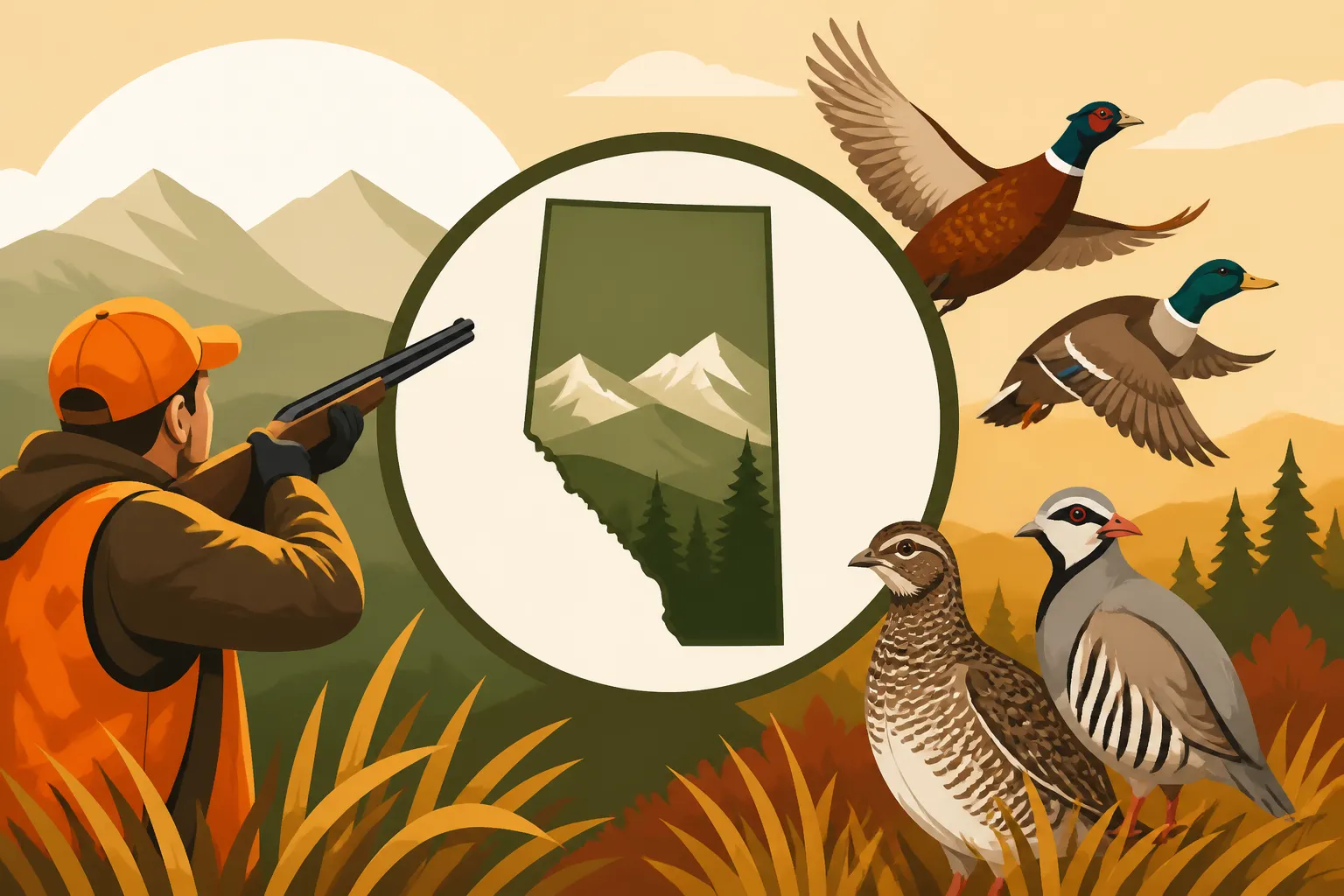
Alberta is an absolute haven for bird hunters, offering an incredible diversity that ranges from the thunderous flush of a ring-necked pheasant to the acrobatic flight of a pintail, or the subtle whistle of a Huns covey. However, this abundance also comes with a mosaic of regulations, meticulously designed to manage populations, ensure sustainable harvest, and provide ample opportunity for hunters across the province's varied landscapes. Understanding the big picture of why and how these regulations are structured is the first step to becoming a successful and responsible bird hunter here.
A Hunter's Paradise: Diversity and Opportunity
From the vast stubble fields of the south, teeming with ducks and geese, to the rolling aspen parkland holding ruffed grouse, and the high country where ptarmigan thrive, Alberta truly lives up to its reputation as a "duck factory" and a prime upland bird destination. We've got species that migrate through in incredible numbers, like the massive flights of snow geese, and resident populations of grouse and partridge that provide consistent action throughout the fall. This sheer variety means that whether you're a hardcore waterfowler or prefer walking up birds with a flushing dog, there’s an adventure waiting for you. The province's unique geography, encompassing prairies, parklands, foothills, and boreal forests, creates diverse habitats that cater to a wide array of game bird species, making it a dream destination for many wingshooters.
Key Regulatory Bodies and Their Roles
Navigating the rules starts with knowing who sets them. In Alberta, game bird hunting regulations are a collaborative effort between provincial and federal authorities, which can sometimes be a source of confusion. The provincial government, through Alberta Environment and Protected Areas (specifically the Fish and Wildlife division), sets the rules for most resident upland game birds and dictates general hunting conduct. Then, for migratory birds – think ducks, geese, and cranes – the federal government, through Environment and Climate Change Canada and its Canadian Wildlife Service, sets the overarching frameworks, including national bag limits and season lengths. These federal regulations are then interpreted and implemented by the province, often resulting in specific dates and bag limits tailored to Alberta's various hunting zones. You'll need to consult both the Alberta hunting regulations and the federal migratory bird regulations guide annually, as details can shift.
Navigating Migratory Bird Seasons and Limits
Migratory bird hunting in Alberta is a calendar event that many hunters eagerly await. From the bustling potholes of the prairie to the vast grain fields, the province sees millions of ducks and geese pass through, and many choose to make Alberta their temporary home during the breeding and migration seasons. Understanding the specific seasons and limits for these species is absolutely crucial, as they vary not just by species, but also by zone within the province.
Ducks: Species, Zones, and Daily Bags
Alberta's duck hunting is world-class, attracting hunters from far and wide. We host a stunning array of species, including mallards, pintails, canvasbacks, redheads, wigeon, teal, and many more. The province is divided into three migratory game bird hunting zones: North, Central, and South, each with slightly different season opening and closing dates. Generally, the North Zone opens earliest, followed by Central, and then the South. This phased opening helps spread out hunting pressure and aligns with the birds' natural migration patterns.
For instance, early in the season, you might find teal and pintails in abundance, while later in the fall, mallards and diving ducks become more prevalent as colder weather pushes them south. The daily bag limit for ducks is a total of eight per day, but there are species-specific restrictions within that eight. For example, you might only be allowed two canvasbacks or two pintails within your daily limit. The possession limit, which is the total number of birds you can have on your person or in your freezer, is typically three times the daily bag limit. It's vital to correctly identify your ducks to ensure you stay within these specific limits. Be sure to check the specific Duck Daily Bag Limit by Species for the current year, as these numbers can change.
Geese: Large and Small, Spreads and Strategies
Goose hunting in Alberta is an experience unto itself, with immense flocks of Canada geese, snow geese, and specklebellies descending upon the province's rich agricultural lands. Like ducks, geese seasons are broken down by the same three zones. Canada geese (often referred to as large geese) typically have a daily bag limit of eight, while white-fronted geese (specklebellies) often have a daily limit of eight as well. Snow geese, due to their booming populations, usually have a much more generous daily bag limit, sometimes up to 50 or more, especially during special conservation seasons.
These seasons are also often longer than for other species, sometimes extending into the spring or late fall to help manage their numbers. Hunting geese often involves extensive scouting, setting large decoy spreads, and calling, particularly when you're Field Hunting Geese in Alberta Stubble. Many hunters target Snow Goose Limits and Late Seasons as these birds offer incredible volume. Remember, you'll need permission to hunt on private agricultural land, which often involves Getting Permission for a Goose Field well in advance. Understanding Goose Season Dates by Zone is paramount to a successful outing, especially when trying to intercept birds during their peak migration.
Sandhill Cranes: A Unique Opportunity
For those looking for a unique migratory bird challenge, Alberta also offers a season for sandhill cranes. These majestic birds, often called "ribeye of the sky," provide a distinct hunting experience, often found foraging in grain fields similar to geese. Their season is usually shorter and more localized than ducks or geese, typically focusing on specific regions where they stage during migration.
The daily bag limit for sandhill cranes is generally five, with a possession limit of fifteen. Hunting cranes requires a federal migratory game bird permit, just like ducks and geese. They are large birds, offering a substantial amount of meat, and their distinct calls and flight patterns make them a memorable quarry. If you've never hunted them before, it's a fantastic experience worth trying, but make sure to confirm Alberta Sandhill Crane Season Dates and any special regional restrictions before heading out.
Exploring Upland Bird Seasons and Limits
Beyond the wetlands and agricultural fields, Alberta's diverse landscapes offer fantastic opportunities for upland bird hunting. These resident species provide a different kind of challenge, often requiring more walking, keen eyes, and sometimes the help of a good bird dog.
Grouse: Ruffed, Spruce, and Sharp-tailed
Alberta is home to several species of grouse, each with its preferred habitat and unique hunting experience.
- Ruffed Grouse: Often found in aspen forests, along bush trails, and in mixed woods, these "partridge" are notorious for their explosive flush. They offer fast-paced action and are a favorite for many. Ruffed Grouse Hunting Alberta's Bush Trails can be a fantastic way to spend a crisp autumn day.
- Spruce Grouse: As their name suggests, these birds prefer dense spruce and pine forests. They tend to be more docile, often holding tight, making them a good target for hunters looking to fill a pot.
- Sharp-tailed Grouse: These birds are found in more open prairie and parkland habitats, especially in native grasslands and brushy edges. Walking Up Sharp-Tailed Grouse in Alberta often involves covering a lot of ground, but the reward of a covey flush is exhilarating.
The general season for grouse typically opens in early September and runs until late December or even into January, depending on the WMU. Daily bag limits usually sit at five of each species, with a possession limit of ten. These generous limits reflect the healthy populations across much of the province.
Hungarian Partridge and Pheasants: Farm and Release Sites
For hunters who enjoy working open fields and shelterbelts, Hungarian partridge (Huns) and pheasants offer exciting opportunities.
- Hungarian Partridge: These small, fast-flying birds are typically found in agricultural areas, along field edges, and in shelterbelts. They often hold in tight coveys, exploding into the air when disturbed. Hunting Hungarian Partridge on Alberta Farms requires good dog work or careful walking patterns to get them to flush within range. Their season usually opens in early September and runs well into December. The daily bag limit for Huns is generally eight, with a possession limit of sixteen.
- Pheasants: While not native, pheasants are released annually at designated sites across the province to provide hunting opportunities. These release sites are managed by organizations like the Alberta Conservation Association (ACA) and offer accessible hunting, especially for new hunters or those without extensive private land access. Hunting Alberta's Released Pheasants is a popular activity, and these birds provide exciting flushes and excellent table fare. The pheasant season usually starts later, often in October, and continues into November or December. Daily bag limits are typically two roosters, with a possession limit of four.
Ptarmigan: High Country Pursuits
For the adventurous hunter willing to earn their birds, ptarmigan hunting in Alberta's high alpine country offers a truly unique experience. These hardy birds, including Willow, Rock, and White-tailed Ptarmigan, change their plumage to match the seasons, turning pure white in winter. They live above the treeline in rugged, often snowy, mountainous terrain.
Hunting ptarmigan involves backpacking into the mountains, often at high elevations, and can be physically demanding. The season typically opens in September and can extend into March, providing a fantastic late-season opportunity for those prepared for cold weather. Daily bag limits are usually five, with a possession limit of ten. If you're looking for a challenging hunt in breathtaking scenery, consider Ptarmigan Hunting High in the Alpine. This is not a hunt for the faint of heart, but the rewards are truly spectacular.
Essential Licences and Stamps for Bird Hunters
Before you even think about loading your shotgun or grabbing your bird dog, you need to ensure you have all the proper licences and stamps. This is one of the most critical aspects of legal and ethical hunting in Alberta, and getting it wrong can lead to serious penalties.
Provincial vs. Federal Requirements
As mentioned earlier, there's a dual system for game bird hunting licences in Alberta.
-
Provincial Requirements: All hunters, regardless of whether they are residents or non-residents, must purchase an Alberta Wildlife Certificate. This certificate is your foundational provincial hunting credential. On top of that, you'll need specific general licences for upland game birds. For example, a "Game Bird Licence" covers all resident upland species like grouse, partridge, and pheasants. These are purchased through the AlbertaRELM system, either online or through authorized licence issuers. These provincial licences are crucial for all upland bird pursuits.
-
Federal Requirements: For any migratory game birds (ducks, geese, sandhill cranes), you will also need a federal Migratory Game Bird Hunting Permit. This is a separate permit issued by the Canadian Wildlife Service. This permit is absolutely mandatory for hunting any ducks, geese, or cranes.
Failing to possess either the correct provincial or federal documentation means you are hunting illegally. Always verify your Alberta Migratory Bird Permits are up to date before heading afield.
The Federal Migratory Game Bird Permit and Stamp
The federal Migratory Game Bird Hunting Permit is a yearly requirement for anyone hunting ducks, geese, or sandhill cranes anywhere in Canada. It's not expensive, but it's non-negotiable. When you purchase this permit, it automatically includes The Canadian Wildlife Habitat Conservation Stamp. This stamp, often simply referred to as the "Duck Stamp," is more than just a piece of paper; it's a vital contribution to conservation. The funds generated from the sale of these stamps go directly towards projects that protect, restore, and enhance wetland habitats across Canada – the very places these birds need to survive and thrive.
You can purchase the Federal Migratory Game Bird Hunting Permit online through Environment and Climate Change Canada's website, or sometimes through Canada Post outlets. It’s a quick and straightforward process, but make sure to do it well in advance of your hunt. Keep a physical or digital copy of your permit with you at all times while hunting migratory birds, as conservation officers will often check for it alongside your provincial licences. Understanding the Federal Migratory Game Bird Permit Cost is a small investment for the incredible opportunities it unlocks.
Key Regulations Beyond Seasons and Limits
Beyond knowing when and how many birds you can harvest, there are several other critical regulations that every Alberta game bird hunter must be intimately familiar with. These rules are in place for safety, conservation, and ethical hunting practices. Ignoring them isn't just irresponsible; it's illegal.
Non-Toxic Shot Requirements
This is a big one, especially for waterfowl hunters. Federal regulations mandate the use of non-toxic shot when hunting migratory game birds anywhere in Canada. This means lead shot is strictly prohibited for ducks, geese, and sandhill cranes. The reason is environmental: lead shot, when deposited in wetlands, can be ingested by birds, leading to lead poisoning, which is a slow and painful death.
Common non-toxic alternatives include steel, bismuth, and tungsten-based shot. Each has different ballistic properties, so it’s essential to practice with your chosen non-toxic loads before the season to understand their patterns and effective range. Don't just assume your lead shot patterns will translate directly. While non-toxic shot is only federally mandated for migratory birds, many hunters opt to use it for all game birds as a matter of environmental stewardship, especially in areas where waterfowl and upland birds may share habitat. Always double-check the Non-Toxic Shot Requirements for Migratory Birds each year, as specifications or approved materials can be updated.
Decoys, Blinds, and Hunting Methods
Alberta's regulations also cover how you can hunt. For waterfowl, decoys and blinds are perfectly legal and are, in fact, essential tools for success. Whether you’re deploying a massive spread of full-body goose decoys or simply hiding in natural cover for ducks, these methods are permitted. However, it is illegal to hunt from a power boat that is under power. Your boat must be either beached, moored, or drifting, or paddled (non-motorized).
For upland birds, common methods include walking up birds, often with the aid of a pointing or flushing dog. Baiting big game is generally prohibited in Alberta, but for some species like doves or crows (which are not regulated game birds in the same way), specific baiting rules might apply, so always clarify. The use of electronic calls is illegal for migratory game birds, but can be used for predators like coyotes. Always ensure your chosen hunting method adheres to the rules.
Ethical Hunting and Retrieval
Alberta's hunting regulations also emphasize the ethical treatment of game. This includes making every reasonable effort to retrieve any wounded game bird. Wasting game meat is illegal and unethical. If you shoot a bird, it's your responsibility to find it and ensure it's utilized. This means being proficient with your shotgun and understanding its effective range with your chosen ammunition.
It also means respecting other hunters and landowners. Always identify your target clearly and ensure you have a safe backdrop before taking a shot. Practicing good Meat Care in Alberta's Cold and Warm Swings is also crucial, especially if you're hunting early in the season when temperatures can still be warm. Proper field dressing and cooling will ensure your harvest doesn't spoil.
Planning Your Alberta Game Bird Adventure
Planning is the cornerstone of any successful and enjoyable hunting trip, and game bird hunting in Alberta is no exception. With diverse landscapes and varied species, a bit of forethought can make all the difference between a frustrating outing and a memorable day afield.
Scouting and Access for Waterfowl
Waterfowl hunting success often hinges on good scouting. Birds move constantly based on food sources, weather patterns, and hunting pressure. You'll want to spend time Scouting Fields for Alberta Waterfowl to identify where ducks and geese are feeding and loafing. This often means driving rural roads at dawn and dusk, looking for concentrations of birds. Pay attention to stubble fields – barley and peas are often favorites for geese, while ducks might prefer wheat or flooded potholes.
Access is also paramount. Much of Alberta's prime waterfowl habitat is on private land. You absolutely need to Getting Permission for a Goose Field or duck hunt on private property. Always ask permission respectfully, well in advance if possible, and leave the property cleaner than you found it. The use of digital mapping tools, like the ones offered by GoHunt, can be incredibly helpful for identifying potential public access points, Crown land, or understanding property lines when you're looking to ask for permission. These tools can save you hours of driving and knocking on doors in the dark.
Upland Bird Hotspots and Habitat
Upland birds have different habitat requirements, so your scouting approach will change.
- Grouse: For ruffed grouse, focus on areas with young aspen growth, mixed bush, and along forest edges or old logging roads. Spruce grouse will be deeper in coniferous stands. Sharp-tailed grouse are found in native grasslands, brushy coulees, and shelterbelts in parkland and prairie regions. Look for areas with a mix of cover and food.
- Partridge and Pheasants: For Huns, target field edges, shelterbelts, and weedy patches in agricultural areas. These birds often use linear features for cover. For pheasants, focus on the Hunting Alberta's Released Pheasants sites, which are publicly accessible and managed for hunting opportunities. These areas typically have dense cover, food plots, and water sources.
- Ptarmigan: These require venturing into Alberta's mountain WMUs, above the treeline. Look for rocky alpine basins with dwarf willows and other low-lying vegetation. A good pair of binoculars is essential for spotting them against the rocks. This is definitely a hunt where detailed Scouting With Satellite Imagery in Alberta using tools like GoHunt can help you identify high-probability areas and plan your approach long before you hit the trail.
Utilizing Digital Tools like GoHunt
In today's age, digital mapping and scouting tools have revolutionized how hunters plan and execute their trips. Platforms like GoHunt are invaluable resources for Alberta bird hunters. These tools allow you to overlay property lines, public land boundaries, and even identify different types of habitat from satellite imagery.
For waterfowl, you can mark potential feeding fields, visualize approach routes, and keep track of permission contacts. For upland birds, you can identify promising bush edges, walking trails, or dense cover areas. GoHunt can also help you understand the topography, find water sources, and assess access roads. It's like having a bird's-eye view of your hunting area before you even set foot on it. This greatly streamlines the scouting process and ensures you're spending your valuable hunting time in the most productive spots, rather than just aimlessly wandering. These platforms can also help you confirm which Alberta WMU you are in, which is crucial for understanding specific season dates and limits.
Conservation and Responsible Hunting
Hunting game birds in Alberta is not just about the harvest; it's deeply intertwined with conservation. Every hunter plays a critical role in ensuring the health and sustainability of these vibrant bird populations for future generations.
The Role of Hunters in Conservation
Hunters are often the first and most dedicated conservationists. Through licence fees, the purchase of federal stamps, and active participation in various conservation organizations, hunters directly fund habitat restoration, scientific research, and wildlife management efforts. Organizations like Ducks Unlimited Canada, the Alberta Conservation Association (ACA), and others rely heavily on hunter contributions and volunteerism. By following regulations, reporting harvests, and adhering to ethical hunting practices, you are directly contributing to the long-term health of Alberta's game bird populations. It's a privilege to hunt these birds, and with that privilege comes the responsibility to ensure they thrive.
Wildlife Health Concerns and Responsible Practices
While Chronic Wasting Disease (CWD) is primarily a concern for cervids (deer, moose, elk), staying informed about general wildlife health is part of responsible hunting. For game birds, outbreaks of avian influenza or other diseases can sometimes occur. Staying updated through provincial Fish and Wildlife advisories is crucial.
Responsible practices include proper carcass disposal (not leaving gut piles in easily accessible areas where disease could spread to other wildlife or domestic animals), and being aware of any unusual behavior or appearance in the birds you harvest. If you notice anything out of the ordinary, contacting Alberta Fish and Wildlife is the responsible thing to do. Always ensure you're practicing good hygiene when handling game meat and be aware of any advisories regarding consumption.
Alberta Game Bird Season Overview Table
To give you a clearer picture, here’s a general overview of typical season dates and limits for some popular game bird species in Alberta. Always confirm exact dates and limits in the current year's Alberta Hunting Regulations and the Federal Migratory Game Bird Hunting Regulations before heading out, as they can change annually.
| Species | Season Zone | Typical Season Start | Typical Season End | Daily Bag Limit | Possession Limit | Required Permit(s) |
|---|---|---|---|---|---|---|
| Ducks (General) | North | Sept. 1 | Dec. 15 | 8 (species-specific) | 24 (species-specific) | Prov. Game Bird, Fed. Migratory |
| Central | Sept. 8 | Dec. 24 | 8 (species-specific) | 24 (species-specific) | Prov. Game Bird, Fed. Migratory | |
| South | Sept. 15 | Jan. 10 | 8 (species-specific) | 24 (species-specific) | Prov. Game Bird, Fed. Migratory | |
| Canada Geese | North | Sept. 1 | Dec. 15 | 8 | 24 | Prov. Game Bird, Fed. Migratory |
| Central | Sept. 8 | Dec. 24 | 8 | 24 | Prov. Game Bird, Fed. Migratory | |
| South | Sept. 15 | Jan. 10 | 8 | 24 | Prov. Game Bird, Fed. Migratory | |
| Snow Geese | All Zones | Sept. 1 | Dec. 15 (plus special conservation seasons) | 50 | 150 | Prov. Game Bird, Fed. Migratory |
| Sandhill Cranes | All Zones | Sept. 1 | Nov. 15 | 5 | 15 | Prov. Game Bird, Fed. Migratory |
| Ruffed Grouse | All Zones | Sept. 1 | Dec. 31 | 5 | 10 | Prov. Game Bird |
| Spruce Grouse | All Zones | Sept. 1 | Dec. 31 | 5 | 10 | Prov. Game Bird |
| Sharp-tailed Grouse | All Zones | Sept. 1 | Dec. 31 | 5 | 10 | Prov. Game Bird |
| Hungarian Partridge | All Zones | Sept. 1 | Dec. 31 | 8 | 16 | Prov. Game Bird |
| Pheasants (Rooster) | All Zones | Oct. 1 | Dec. 31 | 2 | 4 | Prov. Game Bird |
| Ptarmigan | All Zones | Sept. 1 | Mar. 31 | 5 | 10 | Prov. Game Bird |
Disclaimer
The information provided in this guide is for general informational purposes only and is not legal advice. Hunting regulations in Alberta are subject to change annually and without notice. It is the sole responsibility of the hunter to review and comply with the most current Alberta Hunting Regulations, the Federal Migratory Game Bird Hunting Regulations, and any municipal bylaws or land-specific restrictions before engaging in any hunting activities. Always prioritize safety and ethical hunting practices.