Getting Permission for a Goose Field
There’s nothing quite like the sight of a thousand geese descending into a stubble field, but for many hunters, that excitement quickly turns to frustration when they realize those prime feeding grounds are almost always on private land. Trying to get access can feel like an impossible maze, often leaving you driving past perfect spots with no idea how to even begin. This guide is all about demystifying that process, giving you the practical steps and insider tips you need to confidently approach landowners and secure permission for those incredible field hunts in Alberta.
The Unique Challenge of Field Hunting Geese
Hunting geese in Alberta's agricultural areas presents a very different set of circumstances compared to heading into the bush for big game. While we often think of hunting as being tied to vast tracts of Crown land, the reality for waterfowl, especially geese, is that the best hunting almost always occurs on private property. Understanding this fundamental difference, and the specific needs and concerns of landowners, is your first step toward success.
Why Goose Fields are Different from Bush Hunting
When you're chasing deer or moose, you're often focused on identifying public access points, navigating forestry roads, and understanding regulations for land use zones. For goose hunting, however, the target species dictates a much more direct interaction with private property. Geese are drawn to specific agricultural fields—barley, wheat, pea, or silage stubble—for their food source. Their daily routines involve flying from roosting water bodies to these feeding fields, often in large, predictable patterns. This means that if you want to be where the geese are, you almost exclusively need to be on the land where they are feeding. It's not about finding a hidden corner of public land; it's about gaining entry to the specific few acres that are holding hundreds, or even thousands, of birds. This immediate and undeniable reliance on private property makes landowner relations paramount.
Furthermore, unlike big game, which might utilize large swaths of a quarter section, geese often concentrate in very specific areas within a single field. This hyper-localization means that even if a landowner grants general hunting permission, you'll want to discuss specific field access and timing. The dynamic nature of goose feeding—they move fields daily based on pressure and available food—also means that establishing a good relationship with one landowner could open doors to other fields they own or manage, or even lead to introductions to neighboring farmers. This interconnectedness is a defining characteristic of field hunting.
Understanding Landowner Concerns
Approaching a landowner isn't just about asking; it's about addressing their potential anxieties and building trust. Farmers and ranchers work incredibly hard, and their land is their livelihood. They've likely dealt with careless hunters, trespassers, and damaged property in the past, making them naturally wary. Your job is to alleviate these concerns, not add to them. One of the biggest worries for landowners is liability. They might fear someone getting hurt on their property, even if they've granted permission. They also worry about property damage, whether it's fences being cut, gates left open, ruts in wet fields, or litter being left behind.
Think about the time and effort a farmer puts into their crops. The last thing they want is a hunting party trampling immature fields, driving through wet stubble, or shooting too close to livestock or buildings. Safety is another huge factor; they might have children, pets, or other family members working or living nearby. There’s also the concern about trust and respect. They want to know that anyone they allow on their land will treat it as if it were their own, follow rules, and be accountable. Understanding these common landowner concerns allows you to tailor your approach and proactively offer solutions and assurances. They want to know you're not just looking for a spot to shoot, but that you respect their property, their privacy, and their livelihood.
Strategies for Approaching Landowners Effectively
Once you understand the unique challenges and landowner concerns, you can develop an effective strategy for gaining access. It's less about luck and more about preparation, courtesy, and a genuine, respectful approach. Getting permission for a goose field is a skill that improves with practice and a good attitude.
Pre-Scouting and Planning Your Approach
Before you even think about knocking on a door, some serious legwork is required. This isn't just about finding birds; it's about identifying the right fields and, crucially, the right people to talk to. Start by using satellite imagery tools like Google Maps or specialized hunting apps such as GoHunt. Look for active feeding patterns—large concentrations of white specks in fields, or trails leading from water to land. Pay attention to crop types; geese prefer certain stubble fields over others. Knowing a specific field is holding birds makes your request much more compelling.
Once you’ve identified a promising field, the next step is figuring out who owns it. This can be the trickiest part. Sometimes, the farmhouse will be right beside the field. Other times, the owner lives miles away, or the land is leased. You can often find landowner information through local county offices, although this can be time-consuming. Alternatively, if you see a farmer working in a nearby field, politely approaching them for information can be a great starting point. Remember to pinpoint the exact legal land description (quarter section, township, range, meridian) of the field you are interested in. This level of detail shows you've done your homework and are serious, not just randomly cruising. This detailed reconnaissance also gives you a better understanding of the local landscape, which can be useful for Scouting Fields for Alberta Waterfowl.
The Art of the Knock on the Door
This is where many hunters get cold feet, but it’s often the most effective method. Timing is key. Avoid meal times (lunch, dinner) or late evenings when families are settling down. Weekday afternoons are often best, or perhaps a Saturday morning when farmers might be around but not in the throes of critical farm work. Dress presentably—clean, casual clothes are fine, but avoid looking like you just rolled out of bed or are already in full camo. Your appearance is your first impression.
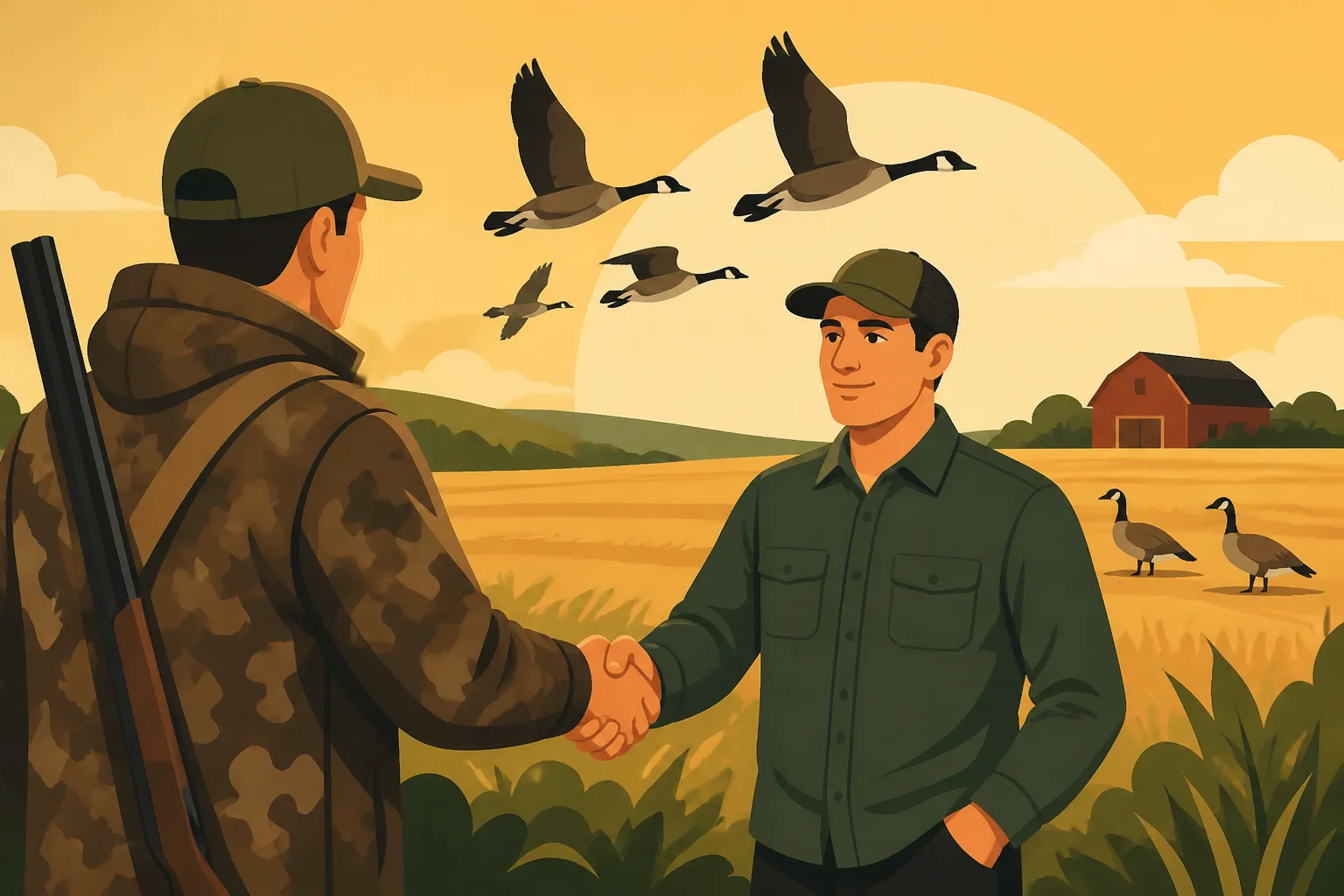
When you approach the door, park your vehicle in a visible, non-obstructive way. Remove your hat and put away your phone. When someone answers, introduce yourself clearly and state your purpose upfront. Something like, "Hi, my name is [Your Name], and I'm a waterfowl hunter from [Your Town]. I noticed you have some geese feeding in your [specific crop] field on the [direction, e.g., north side] of your property, and I was wondering if you might ever allow ethical hunters to come out?" Be specific. Don't just ask "Can I hunt your land?" because they'll think you want to shoot deer, which they might have plans for, or livestock concerns. Show them you know the Goose Season Dates by Zone and are prepared for the hunt.
Be prepared for a "no," and accept it graciously. If they say no, thank them for their time and leave. Do not argue or try to convince them. A "no" today doesn't necessarily mean a "no" forever. If they express concerns, listen actively. For instance, if they worry about ruts in the field, you could offer to only hunt when the ground is frozen or dry, or even walk in if necessary. If they mention safety, assure them you are a safe hunter, understand Alberta Hunter Education Requirements, and only use non-toxic shot as required for waterfowl. Offer to provide your hunting licence number and contact information. Sometimes, offering to help with a small chore, like moving a few bales or picking up trash, can go a long way in demonstrating your commitment and respect. Remember, building rapport takes time, and the quality of your interaction will determine your success in Knocking on Doors in Alberta Farm Country.
What to Offer and Expect
When seeking permission, it's wise to consider what you can offer in return, beyond just being a respectful hunter. While not always necessary, thoughtful gestures can solidify your chances. Many landowners appreciate an offer to share some of your harvest. A few cleaned goose breasts or a small package of processed meat can be a fantastic way to say thank you. For some farmers, deer or coyote predation is an issue, and you might offer to help with that problem after your goose hunt, providing you have the appropriate licenses for Coyote Hunting Alberta Farm Country.
It's also important to manage your expectations. Not every "yes" means unlimited access. Some landowners might give you a one-time permit, specify certain fields, limit the number of hunters, or restrict hunting to specific days or times. Be flexible and adhere to all their conditions without complaint. Some landowners may not want any money, but others might appreciate a small access fee. Always clarify these points upfront to avoid misunderstandings. Keep in mind that Alberta has very clear Alberta Landowner Permission Law, and getting verbal permission is usually sufficient, but some landowners may prefer a written agreement for clarity. If you're fortunate enough to get permission, make sure you understand the boundaries, any no-go zones, and where they want you to park your vehicle. Always confirm the best way to contact them if you have questions or want to hunt again.
| Do's | Don'ts |
|---|---|
| Do scout fields thoroughly first | Don't show up unannounced and unprepared |
| Do dress respectfully | Don't wear full camo or muddy boots |
| Do introduce yourself clearly | Don't be vague about your intentions |
| Do be specific about what you want to hunt | Don't ask to hunt "anything" |
| Do acknowledge their concerns | Don't argue if they say no |
| Do offer solutions (e.g., dry ground access) | Don't make promises you can't keep |
| Do offer your contact information | Don't overstay your welcome |
| Do offer to share harvest/help | Don't assume a "yes" means unlimited access |
| Do follow all rules and conditions | Don't bring extra hunters without asking |
Maintaining Good Landowner Relationships for Future Access
Getting permission for a single hunt is a victory, but the real goal is often to cultivate a long-term relationship that provides ongoing access. This requires ongoing effort, respect, and communication, transforming a transactional request into a valued partnership. Many of the hunters who consistently enjoy prime goose hunting spots have built these relationships over years.
The Importance of Post-Hunt Etiquette
Your behavior after the hunt is just as critical, if not more so, than your initial approach. Always leave the property cleaner than you found it. This means picking up every shell casing, empty water bottle, and any other trash, even if it wasn't yours. Check fences for damage, ensure gates are closed (and latched!), and report any issues you notice on their property, like a broken fence post or unusual activity. If you made any ruts with your vehicle, acknowledge it and offer to help fix them.
If you harvested birds, make good on any offer to share. Even a small token of appreciation, like a thank-you note or a gift card for a local coffee shop, can make a huge impact. This gesture reinforces that you value their generosity and are not taking it for granted. Remember that your hunting activities are tied to your permit, including carrying your Federal Migratory Game Bird Permit Cost and The Canadian Wildlife Habitat Conservation Stamp. These show your commitment to conservation and legal hunting, which can also resonate with landowners. The goal here is to leave a positive, lasting impression that makes the landowner want you back.
Building Long-Term Trust
Consistency and communication are the bedrock of long-term landowner relationships. If you say you'll call before each hunt, do it. If you promise to hunt only certain fields, stick to it. Over time, this builds trust and shows you are a reliable and responsible individual. Consider dropping by occasionally, even outside of hunting season, just to say hello and thank them again. A quick, friendly chat about how their crops are doing or offering to help with a minor task can go a long way in solidifying that bond.
You might even find that a positive relationship with one landowner can lead to opportunities with others. Farmers often talk to their neighbours, and a good report from one could open doors you never knew existed. Conversely, a bad experience can close many doors. Treat every piece of private land and every landowner with the utmost respect. Remember that they are doing you a favour, and that privilege can be revoked at any time. By consistently demonstrating professionalism, safety, and gratitude, you'll not only secure those sought-after goose fields year after year but also become a valued and trusted part of the rural community.
Disclaimer
This article is intended for informational purposes only and does not constitute legal advice. Hunting regulations, access rules, and landowner permissions can change. Always consult the most current Alberta hunting regulations and relevant municipal bylaws before planning any hunting activity. It is the hunter's responsibility to ensure compliance with all applicable laws and to obtain explicit permission before entering private land.