Walking Up Sharptails on Alberta Grassland
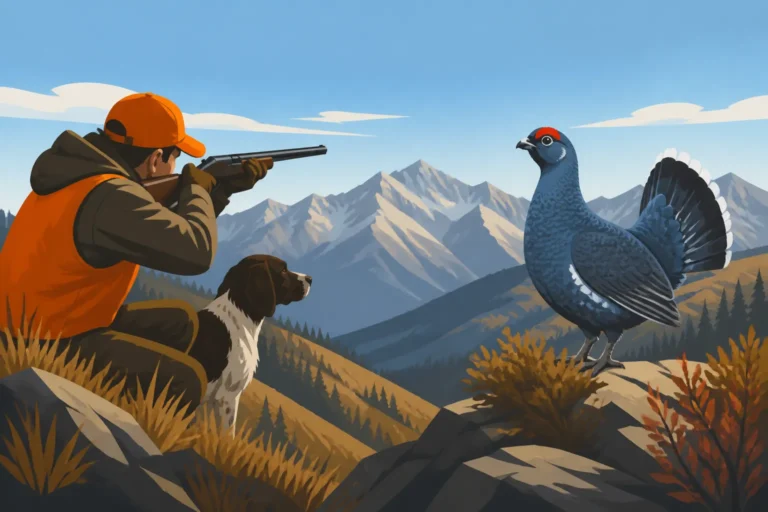
The crisp air of an Alberta autumn, the smell of drying grass, and the sudden, explosive flush of a sharp-tailed grouse – it's a feeling many of us chase. But walking up sharptails on Alberta grassland isn't always as simple as strolling through a field. It takes understanding their habits, knowing where to look, and having the right strategy to turn those fleeting moments into a successful hunt. This guide will walk you through the nuances of pursuing these elusive prairie birds, from habitat to harvest.
Understanding Sharp-Tailed Grouse Behavior on Alberta Grassland
Hunting sharp-tailed grouse effectively begins with truly understanding these fascinating birds. They aren't like pheasants that often stick to thick cover or ruffed grouse that hug the bush trails. Sharptails are creatures of the open, undulating prairie, but they have their preferred niches within that vastness.
Habitat Preferences and Food Sources
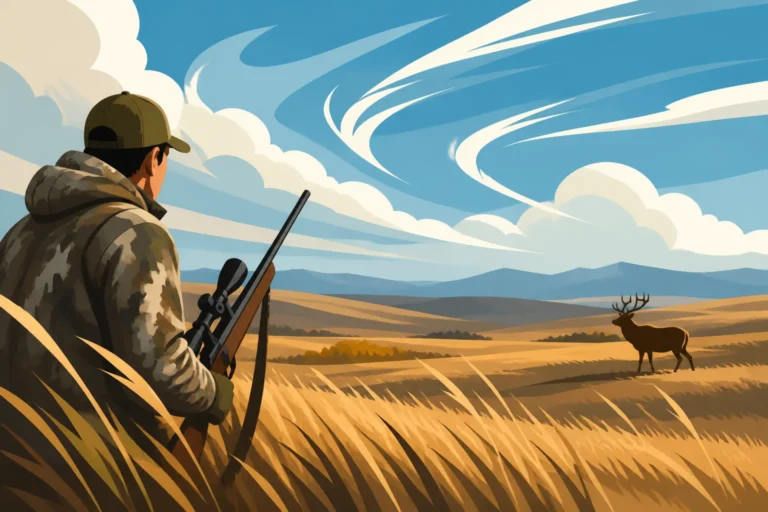
Sharp-tailed grouse, often affectionately called "sharptails" by hunters, are intrinsically linked to native grasslands. They thrive in areas with a mosaic of tall grasses, shrubs, and scattered aspen bluffs or willow thickets. It's not just any grass, though; they particularly favour tracts of mixed-grass prairie, often interspersed with pockets of buffalo berry, rose bushes, or saskatoon berries. These shrubs provide vital cover from aerial predators like hawks and eagles, as well as crucial shelter from harsh winds and snow. When you're out looking, don't just see a field of grass – look for that texture, that variation that offers both food and refuge.
Their diet shifts throughout the year, influencing where you'll find them. In the late summer and early fall, they feast on a smorgasbord of insects, seeds, and berries. Think grasshoppers, crickets, and the seeds from various forbs and grasses. As the season progresses into colder months, their diet leans heavily towards buds and catkins from aspen, willow, and birch, often found along the edges of small bluffs or coulees. Knowing this dietary progression helps you pinpoint their likely feeding areas. A patch of native prairie dotted with berry bushes in September will be a hot spot, whereas a willow run might be more productive in November.
Daily Routines and Movement Patterns
Sharptails are creatures of routine, much like many other game birds. Their day generally begins with feeding shortly after dawn, moving from their roosting sites to prime feeding grounds. These feeding areas are typically open, grassy plains where they can pick at seeds and insects. They often forage in small coveys, moving systematically across the terrain. This is your first opportunity to catch them out and about, but they can be jumpy in the morning.
After their morning meal, as the sun climbs higher, sharptails will often seek out loafing cover. This might be a dense patch of tall grass, a sheltered side of a coulee, or the protection of a low-lying willow clump. Here, they'll dust themselves, preen, and rest, remaining relatively still and quiet. This "loafing" period can be the trickiest time to walk them up, as they're hunkered down and less inclined to move unless directly disturbed. As the afternoon wanes, they'll often have a second feeding period before heading to their roosts for the night, which could be in thick grass or under a protective brush patch. Understanding these patterns is key to adjusting your hunting times and strategy.
Essential Gear and Strategy for Walking Up Sharptails
Successfully walking up sharptails isn't just about finding the birds; it’s about being prepared for the environment and employing smart tactics. Alberta’s grasslands can be vast and challenging, demanding the right equipment and a thoughtful approach.
Footwear, Clothing, and Shotgun Selection
When you're planning to cover miles of prairie on foot, your choice of footwear is paramount. Invest in comfortable, supportive, and waterproof hunting boots. Blisters or wet feet will quickly ruin a hunt. Look for boots with good ankle support to navigate uneven terrain, badger holes, and unseen depressions. I personally lean towards a well-broken-in pair of leather boots that can handle the sharp stubble and occasional moisture.
Layered clothing is another non-negotiable for Alberta's unpredictable weather. Early season might start warm, but a sudden prairie breeze or cloudburst can drop temperatures fast. A good base layer, an insulating mid-layer, and a durable, wind and water-resistant outer shell are ideal. Don't forget a hat for sun protection and warmth, and gloves for colder mornings. And, of course, Alberta Blaze Orange and Safety Rules dictate that you must wear outer clothing of solid bright orange, so make sure your vest or jacket meets the requirements.
For shotguns, 12-gauge and 20-gauge are popular choices. Many hunters prefer a lighter 20-gauge for upland hunting due to the reduced weight when carrying it all day, and it's perfectly adequate for sharptails. An improved cylinder or modified choke is generally effective for these birds, as they can flush anywhere from 15 to 40 yards out. As for shot size, #6 or #7.5 lead shot is standard. Remember to use non-toxic shot if you venture onto certain waterfowl areas or national wildlife areas, though for general upland hunting, lead is still permitted.
The Art of the Walk-Up: Techniques and Pacing
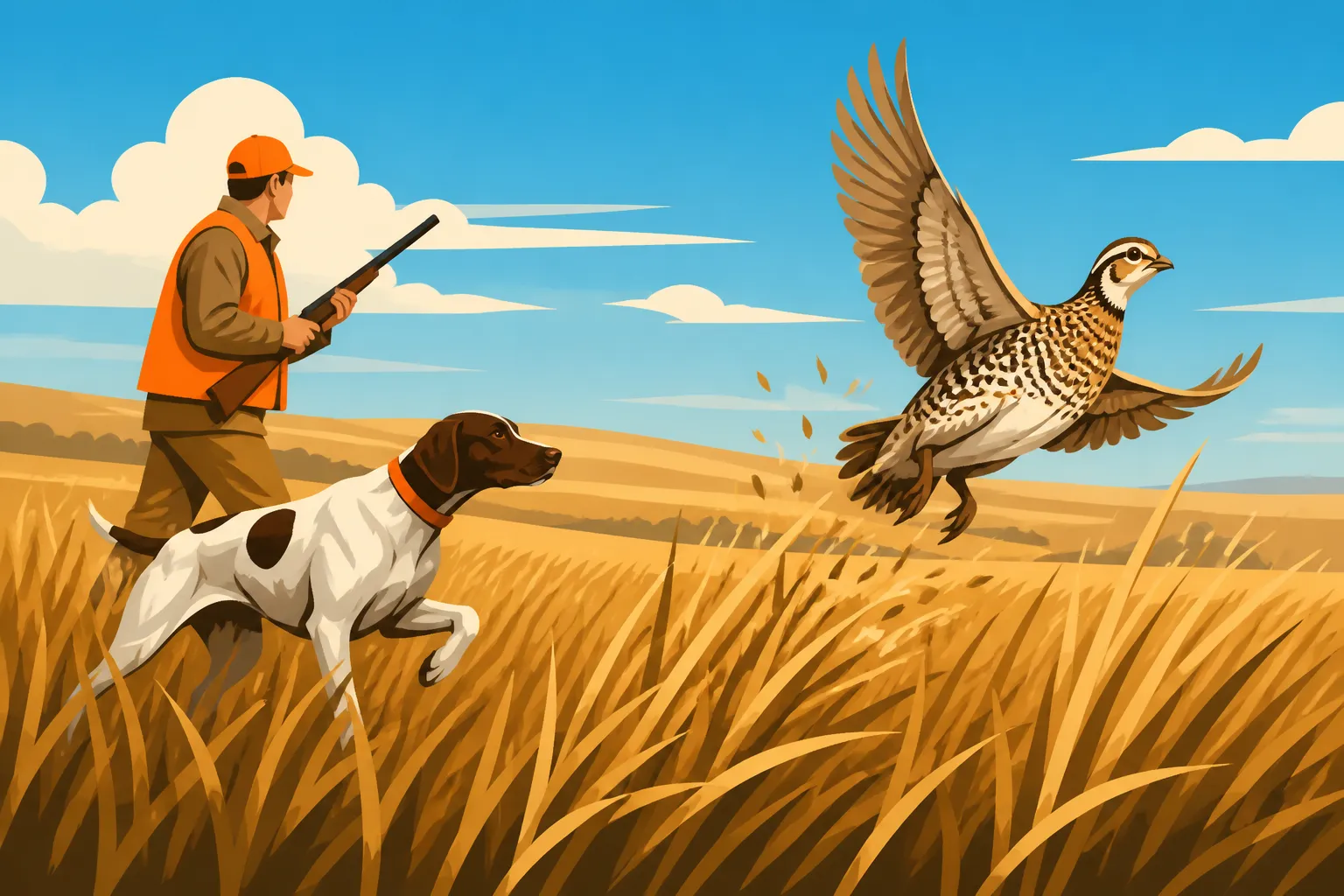
Walking up sharptails is truly an art form. It's not about busting through cover like a bulldozer, but rather a methodical, observant approach designed to encourage birds to flush within range. A zig-zag pattern, especially across an open field, is often more effective than a straight line. This allows you to cover more ground and approach birds from varying angles, making them more likely to hold for a moment before flushing. When hunting along a field edge, a coulee rim, or a shelterbelt, walk parallel to the cover, staying just far enough away that the birds feel compelled to flush rather than run, but not so close that they burst out under your feet.
Pacing is critical. Too fast, and you'll flush birds out of range or behind you. Too slow, and they might simply run ahead of you. A steady, deliberate pace is best. Pay attention to the wind direction; walking into the wind can help carry your scent away from the birds, potentially allowing for closer flushes. When hunting with a dog, this strategy changes. If you have a pointing dog, you'll work them slower, allowing them to scent and lock up on birds. A flushing dog, on the other hand, works closer to you, methodically covering ground and pushing birds out. Both are effective, but your technique must adapt to your canine partner. For more detailed insights, consider how a hunter might be Using a Pointing Dog on Alberta Prairie.
Finding and Accessing Prime Sharptail Habitat
One of the biggest hurdles for any hunter, especially those new to Alberta, is simply finding good ground. The vastness of the prairie can be intimidating, but with the right approach, you can locate productive sharptail country.
Identifying Productive Grasslands and Cover
As we touched on earlier, sharptails gravitate towards native grasslands, but not all grasslands are created equal. Look for areas that haven't been heavily grazed or disturbed. These often have a thicker, more diverse grass stand, providing better cover and food sources. Marginal farmland, especially those enrolled in conservation programs or left fallow, can also be dynamite. These fields often revert to a mix of grasses and weeds, creating ideal habitat.
Beyond the open fields, focus on "edge habitat" – places where two different types of cover meet. Think about the intersection of a tall grass field and a treeline, or where a coulee cuts through open prairie. Sharptails use these features for thermal cover, protection, and travel corridors. Even small pockets of willows, caragana bushes, or dense rose thickets within a larger grassland area are worth exploring. These are often where coveys will gather to loaf or escape predators.
Modern mapping tools are invaluable for identifying these prime spots. Platforms like GoHunt, or even Alberta's own public land mapping tools, allow you to scout from your couch. You can identify native grasslands, potential shelterbelts, and coulee systems long before you ever step foot in the field. This saves countless hours of aimless wandering and helps you focus your efforts on the most promising areas. You can overlay satellite imagery with land ownership maps to get a clearer picture of the terrain. If you're wondering Reading Alberta's Crown Land Layers on onX, many of the same principles apply to other mapping applications for identifying productive cover.
Gaining Access to Private and Public Lands
Alberta offers a mix of private and public lands, and understanding how to access both is crucial for consistent success. The majority of prime sharptail habitat falls on private agricultural land. This means you’ll often need to secure permission from landowners. My best advice for this is simple: be polite, be respectful, and ask in person whenever possible. A quick phone call is better than nothing, but showing up at the door, introducing yourself, and explaining your intentions often goes a long way. Always be prepared to leave your contact information and respect their decision if they say no. Familiarize yourself with Alberta Landowner Permission Law to understand your rights and responsibilities.
For public land, Alberta has a good network of Crown land, grazing leases, and other managed areas that can hold sharptails. Provincial Grazing Reserves, for example, often have vast tracts of native grassland managed for cattle grazing, which can also provide excellent bird habitat. However, always check the specific rules for each area. The province’s online recreational access mapping tool is an absolute must-have for identifying public land boundaries and contact information for grazing leaseholders. Utilizing resources like Using Alberta's Recreational Access Mapping Tool can dramatically simplify your search for huntable ground. Remember, just because it’s public land doesn't mean there are no rules or that access is always straightforward. Some grazing leases require permission from the leaseholder, even if the underlying land is Crown land. Doing your homework beforehand will prevent headaches and ensure a smooth hunt. Finding a great spot could mean Hunting a Native Grassland Pasture that others overlook.
Field Craft and Safety Considerations
Once you've found your spot and laced up your boots, the actual hunting process demands attention to detail and a strong emphasis on safety. Upland hunting is often fast-paced, and quick reactions are necessary, but never at the expense of safety.
Reading the Flush and Shot Placement
Sharp-tailed grouse have a reputation for being strong, fast fliers, and they certainly live up to it. When a covey flushes, it can be an explosion of feathers and sound, often scattering in multiple directions. The key is to pick one bird, focus on it, and react quickly. Don't get overwhelmed by the sheer number of birds in the air. Their flight path is usually straight but with rapid wing beats, making for a challenging target.
Lead is essential. You're not shooting at the bird, but where it's going to be. Practice your swing and follow-through on clay pigeons before the season. The range at which they flush can vary widely. Sometimes they hold tight, offering a close shot, but often, they'll flush at the edge of your effective range. Be mindful of your shooting lanes and ensure you have a clear, safe shot. Always know what's beyond your target. When hunting with partners, communication is vital. Know where everyone is, maintain safe distances, and call out flushes to prevent accidental shooting lanes from crossing.
Handling Birds and Staying Safe in the Field
Once you've successfully brought down a sharp-tail, retrieve it quickly. These birds are often well-camouflaged, and a wounded bird can quickly disappear into the grass. A good retrieving dog is invaluable here, but if you're hunting without one, mark the spot carefully. Once retrieved, ensure the bird is dispatched humanely and then clean it as soon as is practical. Meat Care in Alberta's Cold and Warm Swings is critical, especially on warmer days, to ensure the quality of your harvest. Carry a game bag or vest with a large, ventilated pouch to keep your birds cool and clean as you continue hunting.
Safety extends beyond just firearms handling. Alberta's grasslands can be rugged. Be aware of your surroundings: open water sources, barbed wire fences, and potential hazards like badger holes. Carry enough water for yourself and any canine companions, and snacks for energy. A small first-aid kit is also a wise addition to your pack. If you're venturing into more remote areas, consider carrying a satellite communication device. Familiarize yourself with Alberta's Sharp-Tailed Grouse Season Dates and daily bag limits before heading out. And don't forget that blaze orange vest – it's not just a regulation, it's a vital safety measure that makes you visible to other hunters and even landowners.
Happy hunting out there on the Alberta prairie, and enjoy the unique thrill of walking up these incredible birds!
Disclaimer
Please ensure you are familiar with and adhere to all current Alberta hunting regulations and provincial laws. Hunting involves inherent risks, and safety should always be your top priority. This guide is for informational purposes only and does not substitute for official regulatory documents or professional training. Always obtain proper landowner permission before hunting on private land.