Running Bear Dogs Under Alberta’s Rules
Navigating the specific regulations for hunting with dogs in Alberta can feel like trying to decipher an ancient scroll, especially when it comes to a specialized pursuit like bear hunting. Many hunters, particularly those from jurisdictions with different traditions, often find themselves frustrated and confused by Alberta's distinct approach. This comprehensive guide aims to clear up that confusion, providing a detailed look at Alberta's rules for utilizing dogs when hunting black bears, ensuring you remain legal, ethical, and effective in the field.
Understanding Alberta's Strict Rules for Dogs in Bear Hunting
When considering the use of dogs in bear hunting, it’s absolutely critical to understand that Alberta’s regulations are distinct and, for many, quite restrictive compared to other regions. This isn't a minor detail; it's a foundational principle of the province's wildlife management. If you’re coming from a state where "running bear dogs" is a common and celebrated tradition, you need to recalibrate your expectations entirely when hunting in Alberta. The rules here are designed with specific conservation ethics, public safety, and fair chase principles in mind, which significantly narrow the scope of dog involvement.
The Core Prohibition: No Pursuit of Live Bears with Dogs
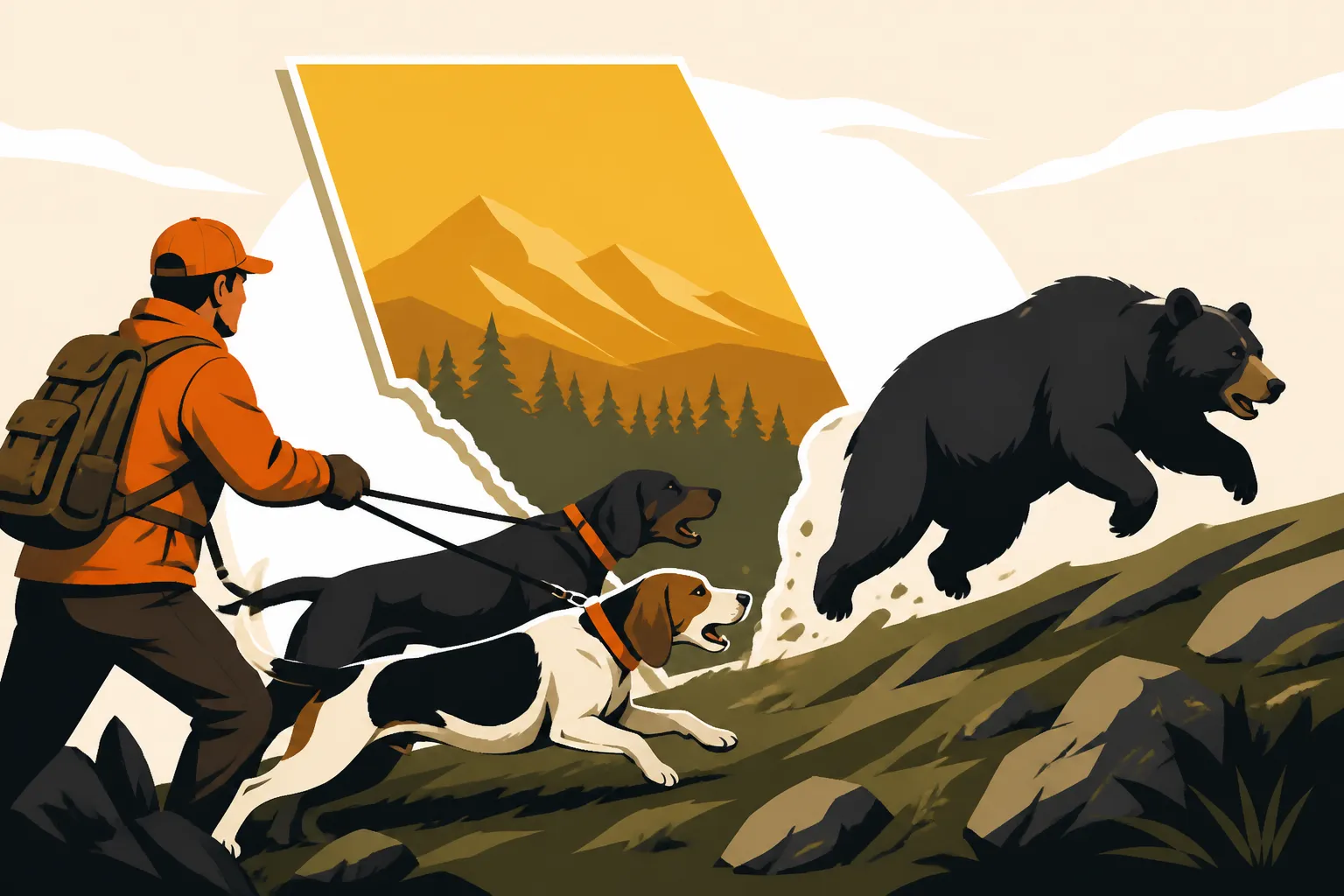
Let's get straight to the point: actively pursuing, chasing, or "running" live black bears with dogs for hunting purposes is, as a general rule, not permitted under Alberta's wildlife regulations. This is the most important takeaway for any hunter considering bringing dogs into the bear woods. The romanticized image of a pack of hounds baying at a treed bear, while legal in some places, is simply not part of the legal hunting landscape for bears in Alberta. This prohibition is explicitly stated and broadly enforced within the Alberta Wildlife Act and its associated regulations.
The reasoning behind this strict stance is multi-faceted. Alberta Fish and Wildlife prioritizes ethical hunting practices that minimize undue stress and ensure a fair chase. Actively pursuing big game, such as bears, with dogs is often seen as a departure from these principles. Furthermore, there are significant public safety considerations. Uncontrolled or semi-controlled dogs pursuing a potentially dangerous animal like a bear in areas that may have other outdoor enthusiasts could lead to dangerous encounters. It's not just about the bear or the hunter; it's about the broader ecosystem and the safety of everyone sharing the backcountry.
Permitted Use: Tracking Wounded or Recovering Dead Bears
While active pursuit is out, there is one crucial exception where dogs can legitimately assist in bear hunting, and that is in the tracking and recovery of a wounded or deceased animal. This distinction is vital: the dog's role here is as an aid to recovery, not as a tool for the initial hunt or pursuit. If you've made a shot on a black bear, and it's moved out of sight, a well-trained tracking dog can be an invaluable asset in locating your game, preventing wasted meat and ensuring a clean recovery.
However, even in this scenario, strict conditions apply. The dog must be on a leash at all times, under the immediate and absolute control of the hunter. It must be actively engaged in tracking a known wounded or dead bear. This means you can't just let your dog wander off into the woods to "find" a bear you think might be there. You must have reasonable belief that an animal has been wounded or dispatched, typically evidenced by a blood trail or a clear shot placement. The dog should not be used to search for new game, nor should it be allowed to pursue or harass any other wildlife encountered during the tracking process. Remember, the focus is entirely on humane recovery. For more specific details on seasons and locations, be sure to consult Fall Bear Season Dates and WMUs.
Essential Legal Framework and Hunter Responsibilities
Understanding the letter of the law is paramount when hunting in Alberta, especially when you introduce a variable like a dog into your hunting activities. The legal framework isn't just a set of suggestions; it's a series of non-negotiable requirements that dictate how you can participate in hunting. Ignorance of the law is never an excuse, and assuming that regulations are similar to other places can lead to severe consequences.
Navigating Alberta's Wildlife Act and Regulations
The overarching legal document governing all hunting activities in Alberta is the Alberta Wildlife Act. This foundational piece of legislation outlines what constitutes legal hunting, permissible methods, and prohibited activities. Every hunter operating in the province is expected to be intimately familiar with its contents and the specific regulations that fall under it. These regulations are updated periodically, so relying on outdated information is a risky proposition. The official Alberta government website and the annual hunting regulations synopsis are your primary sources for accurate, up-to-date information. It’s a good idea to bookmark these resources and review them thoroughly before each hunting season. For comprehensive details, refer to Where to Read Alberta's Hunting Regulations.
Specific sections within the Wildlife Act detail the use of dogs. It generally prohibits the use of dogs for hunting big game, with specific allowances for tracking wounded game. It's vital to understand the legal definitions of terms like "hunt," "pursue," and "harass," as these definitions determine the legality of your actions. Violations can carry significant penalties, including hefty fines, confiscation of equipment, and the suspension or revocation of hunting privileges. Conservation officers in Alberta are well-trained and vigilant, and they do not take violations lightly. The provincial stance is clear: responsible hunting means adhering to the regulations precisely.
Licensing, Permits, and WIN Card Requirements
Before you even step foot in the woods with your firearm or bow, let alone a dog, you need to ensure all your personal licensing is in order. This includes having a valid Wildlife Identification Number (WIN) card and the appropriate hunting licenses for the species you intend to pursue, in this case, a black bear. The WIN card is your unique identifier within Alberta's hunting and fishing system and is required to purchase any licenses. You can obtain or renew your WIN card online through the AlbertaRELM system, which is also where you'll purchase your actual hunting tags. For details on costs and procedures, check out Alberta Hunting Licences and What They Cost and Alberta's WIN Card and Wildlife Certificate.
When it comes to using a dog specifically for tracking a wounded bear, there isn't a separate, specialized "dog permit" required beyond your general hunting licenses. The allowance for tracking wounded game with a leashed, controlled dog is typically embedded within the broader hunting regulations, assuming you hold all the necessary licenses for hunting that particular species. However, this doesn't diminish your responsibility to adhere to all other general hunting rules, such as shooting hours, specific weapon restrictions, and landowner permission if you are on private land. Always ensure your license is valid for the specific season and Wildlife Management Unit (WMU) you are hunting in, and that you have completed any mandatory education requirements, like the Alberta Hunter Education Requirements.
Ethical Considerations and Best Practices for Responsible Dog Use
While the legal framework dictates what you can and cannot do, ethical considerations and best practices elevate your hunting experience, ensuring you act responsibly and respectfully towards wildlife, other hunters, and the environment. Using a dog, even for legal tracking, adds another layer of responsibility that thoughtful hunters must embrace.
Minimizing Impact and Ensuring Public Safety
Bringing a dog into the field, even one trained for tracking, means you must be acutely aware of its potential impact. This is especially true in areas that might see other public land users, such as hikers, campers, or other hunters. Even if your dog is well-behaved, not everyone is comfortable around dogs, particularly in a hunting context. Always keep your dog on a leash and under immediate control, especially when approaching trails, roads, or any areas where you might encounter people. This minimizes disturbance and helps maintain a positive image for hunters.
Furthermore, consider the potential for conflicts with other wildlife. Alberta is home to various predators, including wolves, coyotes, and most importantly, grizzly bears. While tracking a black bear, you could inadvertently stumble upon a grizzly or a wolf pack. An uncontrolled dog could escalate a situation, putting itself, you, and the other animals at risk. Always be vigilant, carry bear spray, and know how to react in an encounter. Your dog should be trained to remain calm and follow commands, even under stress. Information on this is available in Wildlife Safety in Alberta Bear Country. Responsible dog handling is not just about avoiding legal trouble; it's about being a good steward of the land and a respectful participant in the outdoor community.
Training Your Dog for Ethical Tracking and Recovery
Since the active pursuit of live bears with dogs is prohibited, the focus for any aspiring "bear dog" owner in Alberta shifts entirely to highly specialized tracking and recovery training. A good tracking dog isn't one that chases and bays; it's one that can quietly and methodically follow a specific scent trail, often a sparse blood trail, while ignoring the myriad of other enticing scents in the forest. Discipline and a keen nose are far more valuable than speed or aggression.
Training should emphasize scent discrimination, ensuring your dog can stick to the wounded animal's trail without getting distracted by fresh game trails or other scents. This often involves laying artificial blood trails or practicing with hide from previously harvested animals. Your dog must understand that its job is to find the wounded or deceased animal on command and remain focused, even when encountering distractions. Regular practice in varied terrain and weather conditions is crucial. Utilizing mapping tools like those found on GoHunt can aid significantly in marking the last known location of a bear, helping you establish a clear track line for your dog to follow and practice on. A well-trained tracking dog can mean the difference between losing valuable meat and making a successful, ethical recovery. For tips on handling your hard-earned game, look into Meat Care in Alberta's Cold and Warm Swings.
Addressing Common Misconceptions and Planning Your Bear Hunt
The world of hunting regulations is anything but uniform, and what might be acceptable, or even traditional, in one area can be strictly forbidden in another. This variance is a constant source of misunderstanding, and nowhere is it more evident than in the use of dogs for bear hunting when comparing Alberta to other regions.
Differentiating Alberta's Rules from Other Jurisdictions
It bears repeating: Alberta's hunting regulations, particularly concerning big game and dogs, are unique. Many jurisdictions, especially in the southern United States, have long-standing traditions of using hounds to pursue and tree black bears. These methods are deeply ingrained in their hunting culture and are perfectly legal there. However, transporting that expectation to Alberta is a critical error. The legal framework, conservation philosophy, and public perception of hunting in Alberta simply do not align with the practice of actively running bear dogs for pursuit.
Hunters who fail to differentiate between these rules run a serious risk. The consequences for violating Alberta's Wildlife Act are not just minor inconveniences; they can include significant financial penalties, criminal charges, and a ban from hunting in the province, or even across Canada. It’s not just about a difference in opinion; it’s about a difference in law. Always verify the specific regulations for the province or state you are hunting in, regardless of your past experiences. Websites like GoHunt offer valuable mapping and information resources that can help you scout and familiarize yourself with local regulations and terrain well before your hunt, ensuring you're prepared for Alberta's specific requirements.
Pre-Season Planning for a Successful and Legal Bear Hunt
Given the restrictions on using dogs for active bear pursuit, pre-season planning for a black bear hunt in Alberta should focus on other effective and legal strategies. This typically involves extensive scouting, understanding bear movement patterns, identifying feeding areas, and potentially utilizing baiting where it is legally permitted. Alberta offers fantastic opportunities for black bear hunting, whether through spot-and-stalk methods in cutblocks and clearings or by patiently waiting over a bait site.
Before heading out, spend time researching your chosen WMU. Understanding Alberta's Black Bear Numbers by Region can give you an idea of population density. If baiting is an option in your WMU, learn the rules and best practices for Setting a Bear Bait Site in Alberta. Digital mapping tools are indispensable for scouting, marking potential bear sign, identifying travel corridors, and understanding public versus private land boundaries. Platforms like GoHunt provide detailed topographical maps, satellite imagery, and public land ownership overlays, which are incredibly useful for pre-hunt planning and navigation in the field. This proactive approach ensures you maximize your chances of a successful and ethical harvest, all while staying squarely within Alberta’s legal framework. Remember to regularly check for updates to the Alberta hunting regulations, as rules can change from year to year. For early season strategies, consider reviewing Spring Bear Hunting Alberta's Cutblocks.
Here's a quick summary of dog use in Alberta bear hunting:
| Activity | Legality in Alberta (General Hunting) | Conditions/Notes | Relevant Permit/License |
|---|---|---|---|
| Actively pursuing live bears with dogs | PROHIBITED | Unlawful; considered harassment of big game. | N/A |
| Tracking wounded bear (leashed and controlled) | PERMITTED | Dog must be on leash, under immediate control, on known blood trail of wounded bear. | General Bear Licence, WIN |
| Recovering dead bear (leashed and controlled) | PERMITTED | Dog must be on leash, under immediate control, for recovery of a legally harvested bear. | General Bear Licence, WIN |
| Using dogs for predator hunting (wolves/coyotes) | PERMITTED | Specific regulations apply (different from bear hunting). Not for bears. | General Predator Licence, WIN |
| Using dogs for retrieving upland/migratory birds | PERMITTED | Specific regulations apply. Not applicable to big game. | Game Bird Licence, WIN |
Disclaimer
The information provided in this guide is intended for general informational purposes only and does not constitute legal advice. Hunting regulations in Alberta are subject to change, and it is the sole responsibility of the hunter to consult the most current Alberta Wildlife Act and associated regulations before engaging in any hunting activities. Always refer to official government sources for the definitive and most up-to-date rules and regulations.