Where to Read Alberta’s Hunting Regulations
It can feel like navigating a legal labyrinth just to figure out where you’re legally allowed to hunt, what you can harvest, and when. Alberta’s hunting regulations are comprehensive, but tracking down the most current and authoritative version can be a real head-scratcher. This guide is here to untangle that complexity, showing you exactly where to find every detail you need to ensure a legal, ethical, and successful hunting season.
Navigating the Official Sources for Alberta Hunting Regulations
When it comes to understanding the rules and regulations for hunting in Alberta, there’s no room for guesswork. Relying on outdated information or hearsay from a friend of a friend can lead to serious consequences, from fines to losing your hunting privileges. The good news is that Alberta Environment and Protected Areas (AEPA) makes all the official information readily available, if you know where to look.
The Alberta Hunting Regulations Online
Without a doubt, your primary and most reliable source for current hunting regulations is the official Government of Alberta website. Specifically, you'll want to head to the "Alberta Hunting Regulations" section within the Environment and Parks pages. This is where the annual regulations are published, typically as a comprehensive PDF document. Think of this PDF as the holy grail – it's the absolute authority on all things hunting legalities for the current season.
This document is usually released in late spring or early summer, well in advance of the fall hunting seasons. It outlines everything: general regulations, specific rules for different game species, season dates, bag limits, and even details about legal weapons. You’ll find detailed tables breaking down open seasons for various species like white-tailed deer, mule deer, moose, and elk, often categorized by specific Wildlife Management Units (WMUs) and the type of weapon permitted (archery, rifle, muzzleloader). It's crucial to download and review the current year's PDF, as rules can change from one season to the next. Sometimes there are minor tweaks, and other times there are significant shifts in season dates, bag limits, or even changes to the legalities of certain hunting methods. Don't just assume last year's book is good enough; always verify with the most recent publication.
Physical Regulations Booklets
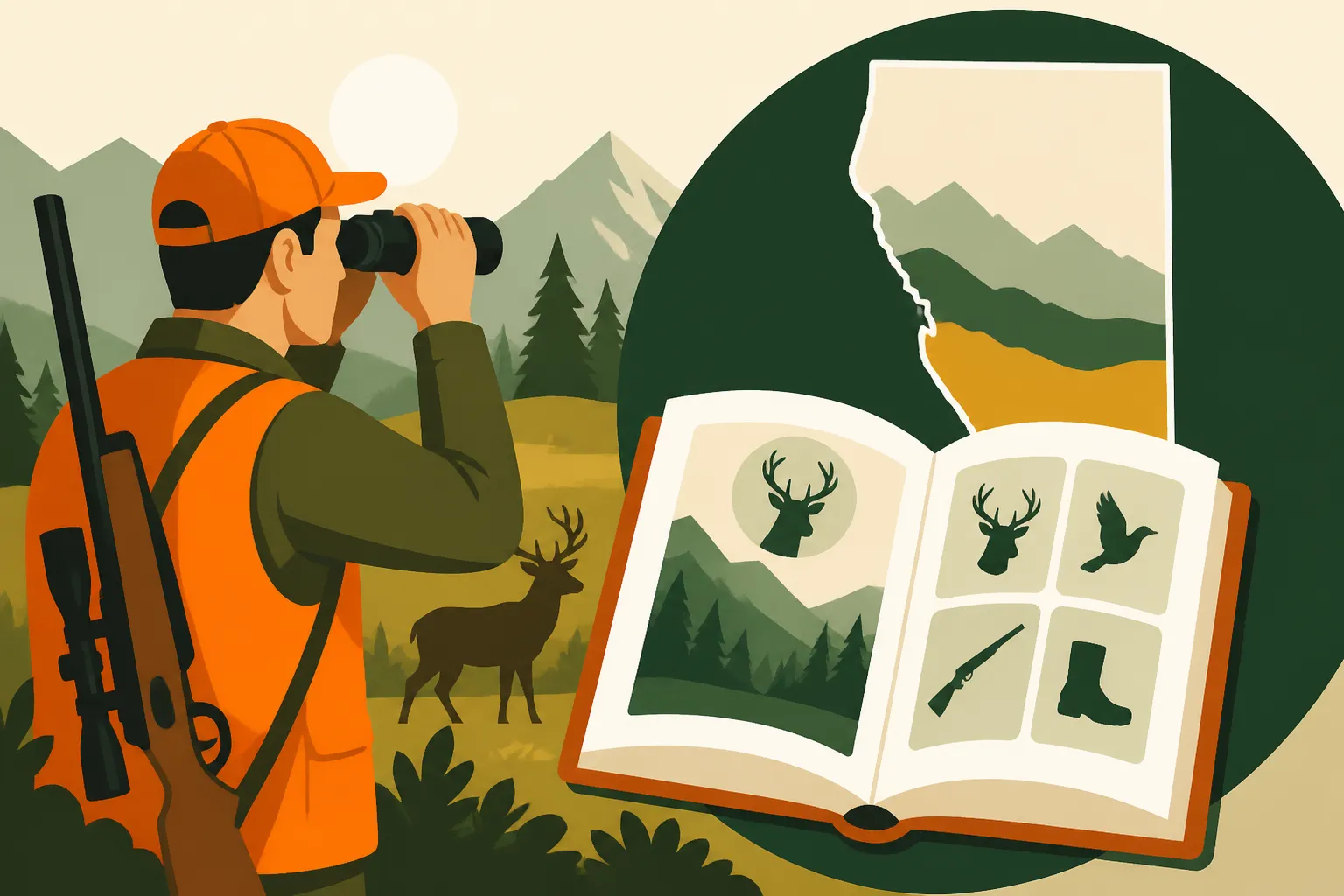
While the digital PDF is the most up-to-date, many hunters still appreciate having a physical copy of the Alberta Hunting Regulations booklet. There’s something comforting about flipping through actual pages, highlighting important sections, or having it handy in areas with no cell service. These physical booklets are printed and distributed to authorized licence issuers across the province. You can usually pick one up for free at most sporting goods stores, some general stores that sell hunting licences, or directly from a local Fish and Wildlife office.
The main advantage of a physical booklet is its convenience in the field when digital access might be limited. However, a significant drawback is that printed materials can become outdated quickly if any in-season amendments or updates are issued by the government. The official online PDF will always reflect the absolute latest information. So, if you're using a physical copy, it’s a good practice to cross-reference any critical information, especially around season changes or specific WMU rules, with the online version before you head out. This due diligence ensures you're always operating within the current legal framework.
Understanding WMU-Specific Regulations
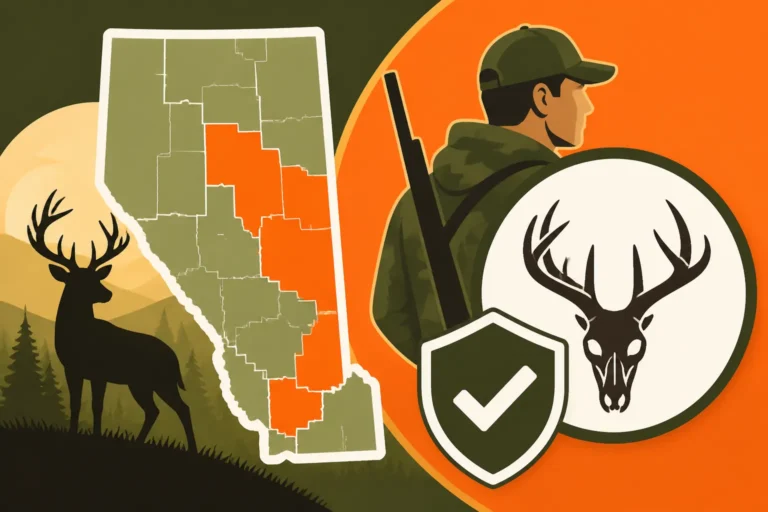
One of the biggest hurdles for new and even experienced Alberta hunters is understanding how regulations vary by Wildlife Management Unit (WMU). Alberta is carved up into 219 distinct WMUs, and the rules – from season dates to antler point restrictions – can be wildly different from one unit to the next, sometimes even for an adjacent unit. The hunting regulations document will dedicate significant sections to tables that specify these WMU-specific rules.
You'll need to know which WMU you plan to hunt in, and then meticulously check the corresponding regulations for that WMU. For example, the general antlered whitetail season might be open for a month in WMU 200, but only two weeks in WMU 210, and perhaps even have a different set of rules for archery versus general rifle seasons. Similarly, special draws for species like moose or elk are entirely WMU-dependent. When you're trying to figure out Where Alberta's Special Licence Draws apply, you'll find yourself diving deep into these WMU tables. Modern mapping tools, which we’ll discuss shortly, can be a huge help here, as they allow you to visualize these boundaries and often provide direct links or overlays to the relevant regulations. Understanding these nuances is critical, as inadvertently hunting in the wrong WMU or outside its specific season dates is a common and easily avoidable violation.
Essential Sections to Focus On in the Regulations
Digging into the Alberta Hunting Regulations might seem like a daunting task at first, given the sheer volume of information. However, some sections are absolutely non-negotiable for every hunter to understand thoroughly. Focusing on these core areas will ensure you’re prepared and compliant.
Season Dates and Bag Limits
This is perhaps the most critical section for any hunter. The regulations clearly lay out the specific dates during which different species can be hunted, broken down by WMU and often by weapon type (e.g., archery vs. rifle). You'll find tables that look complex at first glance, but they are designed to be quite precise. For instance, when you're planning your trip to understand When Alberta's Archery Season Opens, or looking forward to Hunting the Rut in Early November, you'll need to consult these tables.
- Species-Specific Dates: Look for your target species (e.g., White-Tailed Deer, Mule Deer, Moose, Elk).
- Weapon Type: Verify if the season is open for bowhunting, rifle hunting, or muzzleloader. Some WMUs have archery-only seasons followed by general (rifle) seasons.
- WMU Column: This is where you match your intended hunting area to the specific dates. Always double-check this, as dates can vary significantly even for neighboring WMUs.
- Bag Limits: This tells you how many animals of a particular species you are legally allowed to harvest in a given season within a specific WMU. It might specify "one antlered deer," "one antlerless deer," or "one bull moose," often with additional restrictions like "3-point or greater" for mule deer in certain areas (referencing Alberta's Three-Point Mule Deer Rules). Pay close attention to these limits – taking more than allowed is a serious offense.
Interpreting these tables accurately is fundamental to legal hunting. Missing a date by a single day, or misidentifying a WMU, can lead to serious legal trouble.
Legal Hunting Methods and Equipment
Beyond when and where you can hunt, the regulations dictate how you can hunt and with what. This section covers everything from the legal requirements for your firearm or bow to rules around baiting, calling, and even the use of dogs. It’s an area where misunderstandings can lead to quick violations.
- Firearms and Ammunition: The regulations specify minimum calibres for big game, magazine capacities, and rules about using shotguns for certain species. For example, there are clear guidelines on Rules on Rifle Calibres for Big Game, ensuring ethical harvesting. You'll also find details about What an Alberta Muzzleloader Costs, should you be considering that as a hunting method.
- Bows and Crossbows: If you're a bowhunter, you'll need to know the Legal Bow Draw Weight in Alberta for both vertical bows and crossbows, along with rules for arrowheads. Crossbows have specific regulations regarding when and by whom they can be used.
- Baiting and Calling: Alberta has strict rules about baiting big game. While baiting black bears is permitted under certain conditions, using bait for deer or other big game is generally prohibited. Calling, however, is often allowed and can be a highly effective tactic, as detailed in articles like Rattling and Calling Whitetails in Farm Country. Always verify species-specific rules.
- Other Methods: The regulations also cover restrictions on hunting from vehicles, rules about shooting across roads, and the use of artificial lights. Understanding these details is crucial for safe and ethical hunting.
Land Access and Hunter Responsibilities
Knowing where you can legally place your boots is just as important as knowing when to hunt. Alberta has a mix of Crown (public) land and private land, each with its own set of access rules and hunter responsibilities.
- Crown Land: While Crown land is generally open to hunting, specific areas might have restrictions (e.g., Provincial Parks, Public Land Use Zones, or areas with active industrial operations). Knowing how to Find Access on Alberta Crown Land and understanding rules like Quad and Side-by-Side Rules on Crown Land are paramount. It’s also important to understand how to interpret maps to identify legal access points.
- Private Land: Hunting on private land always requires explicit permission from the landowner or leaseholder. This is enshrined in the Alberta Trespass Act and Hunting. You cannot simply enter private property, even if it's unposted, without permission. The regulations will detail your responsibilities when seeking Getting Private Land Permission in Alberta, including respecting property, livestock, and infrastructure. Always ask for permission well in advance and in writing if possible.
- Hunter Safety and Ethics: This section also covers vital safety information, such as Alberta Blaze Orange Requirements, shooting hours, and rules about transporting firearms. It’s not just about what’s legal, but what’s safe and responsible. Ethical considerations, such as not wasting game meat, are also outlined and strictly enforced.
Beyond the Book: Other Critical Information Sources
While the official Alberta Hunting Regulations PDF is your bedrock, a savvy hunter knows that staying fully informed requires tapping into a few other crucial resources. These supplementary sources can provide real-time updates, practical mapping aids, and invaluable insights that complement the foundational rulebook.
Government of Alberta Website and Alerts
The specific Environment and Parks section of the Government of Alberta website is a dynamic resource that goes beyond just the annual regulations PDF. This is where you’ll find official announcements, news releases, and critical advisories that might impact your hunt in real-time.
- In-Season Updates: Regulations aren't static. Sometimes, due to environmental factors, wildlife population changes, or public safety concerns (like severe wildfire risk), the government might issue in-season changes or closures. For example, if you're curious about Which Alberta Rules Changed This Year, the official website will have those bulletins. These might include temporary WMU closures, changes to specific species quotas (especially for draw-only species with real-time quotas like cougar), or fire bans that restrict vehicle access to certain areas.
- Wildlife Health Information: This part of the site is also where you'll find vital information regarding wildlife health issues, such as Chronic Wasting Disease (CWD). Details about Alberta's Mandatory CWD Submission WMUs, where to submit heads for testing, and the latest CWD positive rates are regularly updated. This helps hunters understand their role in wildlife management and disease monitoring.
- Maps and Tools: The AEPA site often hosts interactive maps, such as the Public Land Use Zone (PLUZ) maps, and other mapping resources that can help you visualize WMU boundaries, identify Crown land, and understand access restrictions. These tools are indispensable for planning a hunt and ensuring you stay within legal boundaries.
Reliable Third-Party Resources and Tools
In today's digital age, there are fantastic third-party tools that can simplify the complex task of understanding regulations, especially when combined with accurate mapping. These don't replace the official regulations but make them incredibly accessible and user-friendly.
Many hunters find tremendous value in hunting apps and digital mapping platforms like GoHunt. These sophisticated tools can overlay official WMU boundaries directly onto satellite imagery and topographic maps. What's even better, some of these platforms integrate the regulation data, allowing you to tap on a WMU and immediately see the specific season dates, bag limits, and special restrictions for that area. This instant access to contextualized information in the field is a game-changer. For example, if you're glassing an Alberta Coulee for Mule Deer and are unsure if you're on Crown land or in a specific WMU with different rules, an app like GoHunt can give you clarity in moments.
These tools also often provide property line overlays, distinguishing between Crown land, private land, and other access types (like grazing leases), which is critical for respecting boundaries and avoiding trespass. While apps like GoHunt are incredibly powerful, always remember they are interpretive tools. The official Government of Alberta regulations remain the final authority, so it's always wise to perform a quick double-check if anything seems unclear. Nevertheless, they greatly enhance a hunter's ability to plan and execute a hunt ethically and legally.
Beyond apps, hunting forums and local hunting clubs can also be sources of practical advice and local insights. However, approach these with a critical eye. While experienced hunters can offer invaluable tips, always cross-reference any advice regarding regulations with the official government sources to ensure accuracy.
Contacting Fish and Wildlife Officers
Sometimes, despite all your research, you might encounter a specific scenario or regulation that isn't clear. In these situations, the best course of action is to directly contact an Alberta Fish and Wildlife Officer or a local Fish and Wildlife office. They are the ultimate experts on the ground and can provide authoritative clarification.
- When to Call: Don't hesitate to call if you have a nuanced question about a specific rule, an unusual land access situation, or need to report a violation. For example, if you're trying to figure out some of the intricacies around Alberta's CWD Testing Requirements or have a question about carcass transportation rules, a quick call can save a lot of headaches.
- Local Offices: Find the contact information for the Fish and Wildlife office closest to your intended hunting area. They often have the most up-to-date local knowledge, including any very recent changes or specific local advisories.
- Reporting Violations: If you witness a suspected poaching incident or other wildlife violation, use Alberta's Report a Poacher line immediately. This dedicated service is crucial for protecting Alberta's wildlife resources.
Here's a quick summary of where to find Alberta's hunting regulations:
| Source Type | Primary Access Method | Key Benefits | Important Considerations |
|---|---|---|---|
| Official GoA Website | Online via Environment & Parks | Most current, comprehensive, absolute authority, often includes maps/updates. | Requires internet access, can be dense to read, annual PDF release. |
| Physical Booklet | Authorized Licence Issuers | Convenient in areas without service, easy to highlight/annotate. | Can become outdated quickly if in-season changes occur; always cross-reference online. |
| Hunting Apps (e.g., GoHunt) | Mobile apps, online platforms | Visualizes WMU boundaries, overlays regulations on maps, property lines. | Third-party interpretation (not official source), subscription costs, requires device/battery. |
| Fish & Wildlife Offices | Phone call, in-person visit | Direct answers to specific, nuanced questions, local expertise. | Not for general regulation review, may have limited hours. |
Ultimately, being a responsible hunter in Alberta means taking the time to thoroughly understand the rules. It's an ongoing process, but by leveraging these resources, you can ensure your time in the field is both enjoyable and compliant.
Disclaimer
The information provided in this guide is for general informational purposes only and is not a substitute for the official Alberta Hunting Regulations. Hunters are solely responsible for knowing and adhering to all current provincial and federal hunting laws and regulations. Always consult the official Government of Alberta Environment and Parks website or contact a Fish and Wildlife Officer for the most accurate and up-to-date information before hunting.