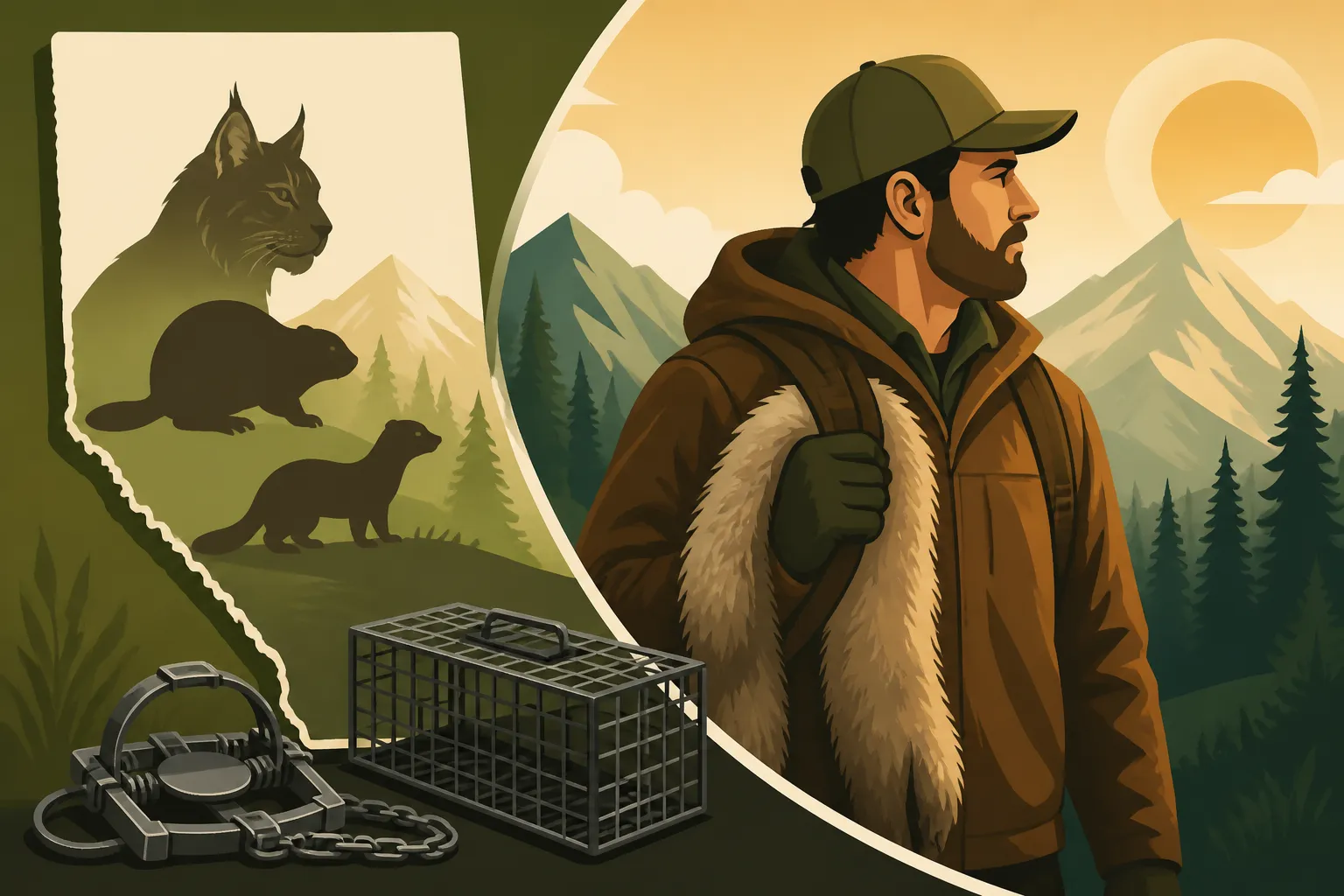
Alberta Trapping and Furbearer Licences
Navigating the world of furbearer management in Alberta can feel a bit like trying to track a wily coyote through fresh snow – confusing, with many subtle signs to decipher. Many hunters and aspiring trappers find themselves scratching their heads over the nuances of licences, season dates, and specific regulations for species like fox, coyote, and marten. This comprehensive guide is here to shed light on Alberta's trapping and furbearer licences, helping you understand the requirements and responsibilities for pursuing these fascinating animals.
Understanding Alberta's Furbearer Management
Alberta’s vast and diverse landscapes, from the southern prairies to the dense northern boreal forests, are home to a wide array of furbearing animals. These species play crucial roles in maintaining ecological balance, acting as both predators and prey, and their populations are carefully managed to ensure sustainability for future generations. For those interested in pursuing them, either for sport or for their valuable pelts, understanding this management framework is the first crucial step.
The Role of Furbearers in Alberta's Ecosystem
Furbearers in Alberta are more than just a resource; they are vital components of the province's natural heritage. Species like beavers, muskrats, martens, fishers, wolves, coyotes, and various foxes all contribute to the health and dynamics of their respective habitats. Beavers, for example, are natural engineers, creating wetlands that support countless other species, while predators like wolves and coyotes help regulate prey populations, preventing overgrazing and the spread of disease. Each furbearer has a specific niche, and their presence indicates a healthy, functioning ecosystem.
However, unchecked populations can also lead to conflicts with human interests, such as livestock predation or property damage. This is where regulated harvesting, through both hunting and trapping, becomes a necessary tool. By allowing controlled take, wildlife managers aim to maintain populations within ecological carrying capacities while minimizing adverse impacts on agricultural lands or domestic animals. It's a delicate balance, requiring constant monitoring and adaptation of regulations.
Conservation and Sustainable Harvesting Principles
The foundation of Alberta's furbearer management is built on principles of conservation and sustainable harvesting. This means ensuring that current harvesting practices do not jeopardize the long-term viability of furbearer populations. The province employs a scientific approach, relying on population surveys, harvest data, and ecological research to set seasons, quotas, and licensing requirements. The goal is to allow for the responsible use of the resource while ensuring that populations remain robust and healthy.
Trappers and hunters are often the first line of defense in monitoring these populations, providing valuable field data to wildlife agencies. Their intimate knowledge of the land and the animals they pursue is indispensable. Programs like the mandatory trapper education course emphasize ethical harvesting methods, animal welfare, and the importance of adhering to regulations, reinforcing the idea that harvesting is a privilege that comes with significant responsibility. This commitment to sustainability is why Alberta remains a prime destination for those looking to engage with its diverse wildlife.
Regulatory Bodies and Their Mandates
In Alberta, the management of furbearer populations falls primarily under the purview of Alberta Environment and Protected Areas (AEPA), specifically its Fish and Wildlife Policy Branch. This branch is responsible for developing and implementing policies, regulations, and programs related to wildlife conservation and sustainable use. They publish the annual Alberta Guide to Hunting Regulations and the Alberta Guide to Trapping Regulations, which are essential documents for anyone planning to hunt or trap furbearers.
Beyond the provincial government, other organizations also play a role. The Alberta Conservation Association (ACA), for instance, often contributes to habitat conservation projects and provides educational resources. Federal agencies, like Environment and Climate Change Canada, oversee migratory bird species and enforce specific acts related to wildlife protection, although most furbearers are primarily provincially managed. It's a multi-faceted approach, with various bodies working together to ensure the health of Alberta's wildlife and the integrity of its hunting and trapping heritage.
Types of Alberta Trapping and Furbearer Licences
Navigating the various licences required to pursue furbearers in Alberta can be a bit tricky, as there are distinct categories depending on your residency, preferred method of take, and the specific species you're after. Understanding the difference between a dedicated trapping licence and a furbearer licence for hunters is critical to staying legal and avoiding potential headaches in the field.
Resident Trapping Licence Explained
For those serious about trapping, Alberta offers a specific Resident Trapping Licence. This licence is distinct from a general hunting licence and is mandatory for setting traps and snares for furbearing animals. To be eligible, you must be an Alberta resident, and critically, you must have successfully completed the Alberta Trapper Education Course. This course is a comprehensive program covering everything from humane trapping techniques and trap setting to furbearer biology, pelt preparation, and relevant legislation. It ensures that trappers are not only skilled but also knowledgeable in ethical and sustainable practices.
Once licensed, trappers are assigned registered trap lines in specific areas, granting them exclusive rights to trap furbearers within that designated area. This system helps manage harvest pressure and reduces conflicts between trappers. There are also unregistered areas where trapping may be permitted, often on private land with permission or in certain Crown land areas, but the primary structure for serious trappers is the registered trap line. The costs for these licences, along with specifics on how to apply, are typically detailed on the AlbertaRELM system, where many hunters also acquire their general Alberta Hunting Licences and What They Cost.
Resident Furbearer Licence for Hunters
If you're primarily a hunter and want to pursue furbearers like coyotes or wolves, you generally don't need a full trapping licence. Instead, Alberta offers a Resident Furbearer Licence that allows you to hunt specific furbearing animals with a firearm or bow. This licence is typically purchased in addition to your Alberta's WIN Card and Wildlife Certificate and your general hunting licence. It’s a common choice for hunters who enjoy predator calling in winter or simply want the option to harvest furbearers they encounter during other big game hunts.
The types of furbearers you can hunt with this licence, along with their seasons and bag limits, are clearly outlined in the Alberta Guide to Hunting Regulations. For example, species like coyotes are often open year-round with no bag limit in certain zones, making them a popular target for many. Other species, like wolves or foxes, have more specific seasons. It's crucial to consult the regulations annually, as rules can change. This licence provides flexibility for hunters, but it's important to remember that it does not authorize you to set traps or snares; that requires the dedicated Resident Trapping Licence. Understanding these distinctions is key to avoiding issues in the field, much like knowing the difference between antlered and antlerless draws when applying for big game tags.
Non-Resident Furbearer Regulations
For our friends visiting from other provinces or south of the border, the rules for pursuing furbearers in Alberta are a bit different. Non-residents of Alberta cannot obtain a Resident Trapping Licence or hold a registered trap line. However, non-residents of Canada (Non-Resident Aliens) are typically required to hire a licensed outfitter to hunt most big game species. For furbearers, the situation is slightly more nuanced. Non-Resident Aliens can hunt wolves and coyotes, usually as part of a guided hunt package through an outfitter, using a specific Non-Resident Alien Furbearer Licence. Other furbearers are generally not available for non-resident hunting.
Canadian residents from other provinces (Non-Resident Canadians) often have more flexibility than Non-Resident Aliens but still face some restrictions compared to Alberta residents. They can typically purchase a Non-Resident Canadian Furbearer Licence to hunt species like coyotes and wolves, but again, typically not other furbearers like marten or fisher. Always check the most current Alberta hunting regulations for non-residents, which are easily accessible online or through services like GoHunt that help visualize these regulations. These rules are in place to prioritize resident opportunities and ensure effective management of the province's wildlife resources. Consulting the Alberta Non-Resident Licence Options guide can provide further clarity on specific requirements.
Specific Furbearer Regulations and Seasons
Alberta's approach to furbearer management is incredibly detailed, with specific regulations governing everything from which species can be harvested to the methods allowed and the duration of seasons. This meticulous framework ensures that populations remain healthy and that harvesting is conducted ethically. It’s not just about getting a licence; it’s about understanding the intricate rules that apply to each furbearer species.
Common Furbearer Species and Their Seasons
Alberta is home to a rich diversity of furbearers, each with its own set of rules. For instance, Coyotes are often open year-round for hunting in many parts of the province, with no bag limit, especially in agricultural areas where they can impact livestock. This makes them a popular species for predator hunters. Wolves, while also huntable, typically have more restricted seasons, often running through fall and winter, and may have specific bag limits depending on the Wildlife Management Unit (WMU). The regulations for Wolves Across the Boreal Forest often differ from those closer to human settlements.
Other common furbearers, particularly those traditionally managed through trapping, include beavers, muskrats, marten, fisher, red fox, swift fox, lynx, and weasels. Seasons for these species are usually quite specific, often starting in late fall and running through winter when their pelts are prime. For example, marten and fisher seasons might open in late October or November and close in February or March. The regulations will always specify which WMUs are open for which species and the exact dates. It's crucial to consult the current Alberta Guide to Trapping Regulations or Alberta Guide to Hunting Regulations, as these dates can shift slightly year to year based on population assessments.
Restrictions on Methods and Locations
Beyond season dates, Alberta imposes significant restrictions on the methods used to harvest furbearers and where those activities can take place. For hunters, generally, legal firearms and bows are permitted, but specific calibre restrictions may apply for larger furbearers like wolves to ensure humane dispatch. Hunting from a vehicle is strictly prohibited, as is shooting across primary highways or near occupied buildings. These safety regulations are paramount.
For trappers, the regulations are even more stringent, focusing heavily on humane dispatch and public safety. There are strict rules on trap types, sizes, and setting methods to minimize injury to non-target animals or domestic pets. Snares, for example, have specific loop size and break-away requirements. Traps cannot typically be set near public trails or within certain distances of dwellings. Furthermore, certain areas, such as provincial parks or designated wildlife sanctuaries, are entirely closed to both hunting and trapping. Knowing these specific location restrictions, especially when accessing Public Hunting Land in Alberta versus private property, is vital to avoid violations.
Reporting Requirements and CITES Permits
One often-overlooked but incredibly important aspect of furbearer harvesting in Alberta is the reporting requirements. For many furbearer species, particularly those harvested by trappers, mandatory reporting of your take is required. This data is critical for wildlife managers to assess populations and set future regulations. Trappers typically log their catches in a harvest record book and submit it at the end of the season. Hunters, especially for species like wolves, may also have specific reporting obligations, such as phoning in a harvest or submitting an animal part for biological sampling.
Beyond provincial reporting, some furbearer species are listed under the Convention on International Trade in Endangered Species of Wild Fauna and Flora (CITES). Species like bobcat and lynx, while harvestable in Alberta, require CITES export permits if their pelts are intended for international trade. This is a federal requirement designed to prevent illegal trade in species that might be endangered elsewhere in the world. Obtaining a CITES permit involves a separate application process and additional fees, usually through Environment and Climate Change Canada. Failure to comply with CITES regulations can lead to severe penalties, so if you plan to export any furbearer pelts, ensure you understand and follow these international trade rules to the letter.
Responsibilities and Best Practices for Trappers and Hunters
Engaging in furbearer hunting or trapping in Alberta is a privilege that comes with significant responsibilities. It’s about more than just securing a licence; it’s about committing to ethical practices, ensuring animal welfare, respecting land access, and prioritizing safety. Adhering to these best practices not only upholds the integrity of our hunting and trapping heritage but also ensures the sustainability of furbearer populations.
Ethical Trapping and Humane Dispatch
Ethical trapping is paramount in Alberta. This means utilizing traps that are designed to be humane, ensuring quick and clean dispatch of the animal. Modern trapping regulations heavily emphasize trap performance standards, requiring trappers to use certified traps that meet international humane trapping standards. It's a far cry from the trapping methods of old, reflecting a strong commitment to animal welfare within the trapping community. Trappers must learn and employ proper set construction, trap placement, and baiting techniques to ensure that the target species is caught effectively and non-target species are avoided.
Furthermore, trappers have a legal and ethical obligation to check their traps regularly – typically within a 24 to 48-hour period, depending on the specific WMU and species. This minimizes the time an animal spends in a trap and ensures that any caught animal is dispatched humanely and promptly. The Alberta Trapper Education Course covers these humane dispatch methods extensively, providing hands-on training for various furbearer species. It's about respecting the animal and recognizing the responsibility that comes with taking a life, ensuring that every effort is made to minimize suffering.
Trap Line Management and Safety
Effective trap line management is crucial for both success and safety. For registered trappers, this involves carefully planning their trap line, understanding the habitat and movements of the furbearers they target, and maintaining meticulous records of their sets and catches. It also means consistently maintaining their equipment, ensuring traps are in good working order and clearly marked with the trapper’s identification, as required by law. Good trap line management also involves regular scouting, much like a hunter might do for deer, to identify areas of furbearer activity and adjust sets accordingly. Services like GoHunt can assist in understanding terrain and potential animal movements.
Safety is another critical aspect. Trappers often operate in remote, challenging terrain and weather conditions. This means carrying appropriate safety gear, knowing how to navigate, and having an emergency plan. Being aware of other land users, such as hikers, skiers, or pet owners, is also important, especially in areas with mixed recreational use. Trappers are responsible for ensuring their sets are not a hazard to humans or domestic animals. This might mean setting traps out of public view, using protective enclosures, or employing warning signs where appropriate. It's a continuous balancing act of pursuing the resource responsibly while ensuring the safety and respect of all who share the land.
Land Access and Public vs. Private Land Rules
Understanding land access rules is fundamental for anyone pursuing furbearers in Alberta. While much of Alberta's boreal forest and foothill regions consist of Crown land, open to public hunting and trapping (with the appropriate licence), a significant portion of the White Area (agricultural zone) is privately owned. On private land, obtaining explicit permission from the landowner before entering is an absolute legal requirement under the Alberta Trespass Act and Hunting. This is not just a courtesy; it's the law.
For trappers on registered trap lines, their tenure agreement often includes specific access provisions for their designated area, but they still need to be aware of any private parcels or other land designations within or adjacent to their line. Hunters pursuing coyotes or foxes in agricultural areas must always knock on doors and secure permission. This can be a time-consuming but rewarding process, building relationships with landowners. Utilizing resources like the Using Alberta's Recreational Access Mapping Tool can help identify land ownership boundaries, but nothing beats a face-to-face conversation. Respecting private property, leaving gates as you found them, and communicating your intentions are key best practices that foster positive landowner-hunter/trapper relations.
Acquiring Your Licences and Staying Compliant
Getting your furbearer or trapping licence in Alberta is a structured process designed to ensure you understand the regulations and are prepared for responsible harvesting. It involves navigating provincial systems, potentially completing mandatory education, and staying current with annual regulatory updates.
Navigating the AlbertaRELM System
The primary platform for purchasing hunting and trapping licences in Alberta is the AlbertaRELM (Regulatory Electronic Licensing & Management) system. This online portal is where you'll typically purchase your Wildlife Identification Number (WIN) Card, which is a prerequisite for all licences, and then proceed to buy your specific furbearer or trapping licences. The system allows you to manage your profile, view your licence history, and apply for draws if applicable (though most furbearers don't require draws).
Before you even think about buying a licence, make sure your Renewing a WIN Card Online is up to date, as it's your permanent ID for all things hunting and fishing in Alberta. The AlbertaRELM site is generally user-friendly, but like any online government system, it can have its quirks. It's always a good idea to complete your licence purchases well in advance of the season opener to avoid any last-minute technical glitches. If you encounter any issues, their customer support is typically helpful, or you can visit an authorized licence issuer in person. Many hunters find using the system for Buying Licences on albertarelm.com straightforward, allowing for quick and easy acquisition of necessary permits.
Mandatory Trapper Education and Renewal
For those seeking a Resident Trapping Licence, completing the Alberta Trapper Education Course is not just recommended; it's mandatory. This comprehensive course covers all aspects of modern trapping, from furbearer biology and habitat to humane trap sets, pelt preparation, and relevant laws. It's designed to ensure that every licensed trapper is proficient, ethical, and knowledgeable. The course typically involves both classroom instruction and hands-on field components. Once completed, your certification is usually lifelong, though ongoing education and staying current with best practices are always encouraged.
Unlike some hunting licences, which may require annual renewal simply by purchasing a new tag, the trapping licence itself may have specific renewal periods or requirements beyond just buying the annual permit. Always verify these details in the current trapping regulations. Additionally, many trappers choose to join local trapping associations, which offer valuable peer support, ongoing educational opportunities, and a platform for staying informed about any changes in regulations or best practices. This continuous learning and community engagement are hallmarks of responsible trapping.
Key Resources for Staying Up-to-Date
The world of wildlife regulations can be dynamic, with rules, seasons, and WMU designations subject to change based on population surveys, conservation goals, and other factors. Therefore, making it a habit to consult the most current official documents is paramount. The two primary resources are the Alberta Guide to Hunting Regulations and the Alberta Guide to Trapping Regulations. These are published annually by Alberta Environment and Protected Areas and are available free online, as well as in print at most licence issuers.
Beyond these guides, the AEPA website often has updates, news releases, and detailed information on specific topics like CITES permits or disease surveillance for furbearers. Digital tools and apps like GoHunt can be incredibly helpful for visualizing WMU boundaries, land ownership, and even season dates, though they should always be cross-referenced with the official government regulations. Engaging with local Fish and Wildlife officers, joining hunting and trapping forums, or subscribing to newsletters from reputable organizations can also help you stay informed. Regularly reviewing Where to Read Alberta's Hunting Regulations is not just a suggestion; it's a critical part of being a responsible and compliant furbearer hunter or trapper in Alberta.
| Licence Type | Eligibility | Species (Examples) | Method | Requirements (Key) |
|---|---|---|---|---|
| Resident Trapping Licence | Alberta Resident | Beaver, Marten, Fisher, Lynx, Fox, Muskrat, Wolf, Coyote | Traps & Snares | Mandatory Trapper Education Course, WIN Card |
| Resident Furbearer Licence | Alberta Resident | Coyote, Wolf, Fox | Hunting (Firearm/Bow) | General Hunting Licence, WIN Card |
| Non-Resident Alien Furbearer Licence | Non-Resident Alien | Coyote, Wolf (Limited) | Hunting (Firearm/Bow) | Guided Hunt (usually), WIN Card, Non-Resident General Hunting Licence |
| Non-Resident Canadian Furbearer Licence | Canadian Resident (Non-Alberta) | Coyote, Wolf (Limited) | Hunting (Firearm/Bow) | General Hunting Licence, WIN Card |
Disclaimer
Please remember that regulations can change. While this guide provides a comprehensive overview of Alberta's trapping and furbearer licences, it is essential to always consult the most current official Alberta Hunting and Trapping Regulations for the exact, up-to-date information before planning any hunting or trapping activities. This content is for informational purposes only and should not be considered legal advice.