Alberta Landowner Permission Law
Many hunters dream of vast open spaces, but the reality in Alberta often involves navigating a complex mosaic of public and private land. Figuring out where you can legally hunt and how to get access can be incredibly frustrating, especially when prime game habitat sits behind a locked gate or a "No Trespassing" sign. This guide is dedicated to demystifying Alberta's landowner permission law, helping you understand your responsibilities and offering practical advice for securing those coveted hunting spots.
Understanding the Foundation of Landowner Permission
The Trespass Act and Its Implications for Hunters
In Alberta, the concept of "private property" is pretty clear, and it extends directly to hunting. The Trespass Statutes Amendment Act is the backbone of landowner permission, making it crystal clear that you need permission to be on private land for any recreational purpose, including hunting. This isn't just a suggestion; it's the law. For hunters, this means every field, every quarter section of aspen bluffs, every creek bottom that's privately owned requires a direct conversation with the landowner before you set foot on it. It’s a significant shift from the past where often unspoken assumptions or general courtesy dictated access. Now, the onus is squarely on the hunter to seek and confirm permission.
This law aims to protect landowners, giving them control over who enters their property and for what reason. For hunters, it means that even if a piece of land looks abandoned or unposted, the absence of signs doesn't equate to automatic access. Always assume private land requires permission. This can feel like a daunting task, especially when you're scouting new areas or trying to understand the checkerboard of land ownership in the prairie and parkland regions. The key takeaway is to embrace the "ask first" mentality, not just for legal reasons, but for building positive relationships that are crucial for the future of hunting. Ignoring this fundamental principle not only puts you at risk of legal trouble but also tarnishes the reputation of all hunters.
Why Crown Land Isn't Always Open Access
Now, you might be thinking, "Well, I'll just stick to Crown Land then!" And that's a fair thought, but even Crown Land isn't always a simple open door. While much of Alberta's Green Area, particularly the vast boreal forest and foothills, is indeed public land and generally open to hunting, access can still be tricky. We often talk about Hunting Alberta's Crown Land as a singular entity, but it's a diverse landscape with different rules. For instance, some Crown lands are managed under specific regulations, such as Provincial Grazing Reserves or Public Land Use Zones (PLUZs), which may have restrictions on vehicle access, camping, or even specific hunting practices.
Furthermore, a significant portion of what looks like continuous Crown Land might be interspersed with private land parcels, often in a checkerboard pattern. A common frustration is finding a great hunting spot on Crown Land only to realize the only way to get there is by crossing private property. In such cases, even though your destination is public, you still need explicit permission from the intervening landowner to cross their property. This is where tools like Alberta's Recreational Access Mapping Tool or apps like GoHunt become invaluable for identifying land ownership boundaries and planning your approach. Without careful scouting and permission, you could inadvertently trespass, even if your intentions were to hunt purely on public ground. It’s a nuanced system that requires diligence and respect for all land types.
The Practicalities of Obtaining Permission
Knocking on Doors The Traditional Approach
The most direct and often most effective way to secure permission is the tried-and-true method of knocking on doors. It sounds old-fashioned, but in an increasingly digital world, a face-to-face conversation can go a long way. When you approach a landowner, come prepared. Have your WIN card and relevant licences ready, introduce yourself, and clearly state your intentions. Be polite, respectful, and prepared for a "no." A "no" isn't a personal rejection; it could be due to existing arrangements, liability concerns, or simply that the landowner doesn't allow hunting. Patience and a good attitude are paramount. You're not just asking for access; you're often asking to be a guest on their livelihood, and treating it as such builds goodwill.
Timing is also crucial. Avoid knocking on doors during peak farming seasons when landowners are incredibly busy, or too early/late in the day. Mid-morning or late afternoon on a weekday or weekend is often a good window. Dress neatly and speak clearly. Many landowners appreciate a hunter who is upfront and articulate. Offer to share contact information, and if granted permission, ask about any specific rules or areas to avoid. Remember, your behaviour reflects on the entire hunting community. A positive interaction can open doors not just for you, but potentially for other respectful hunters in the future. Conversely, a negative encounter can shut down access for everyone. This direct approach is the core of Asking an Alberta Landowner for Permission.
Digital Tools and Resources for Hunter Access
While knocking on doors remains vital, modern technology has significantly streamlined the process of identifying land ownership and planning access. Tools like the Alberta Government's online Using Alberta's Recreational Access Mapping Tool are invaluable for overlaying land ownership information with geographical data. This allows you to pinpoint Crown Land, private property, and even specific parcel details from the comfort of your home. Platforms like GoHunt also offer sophisticated mapping features that integrate public and private land boundaries, helping you identify potential access points and the landowners associated with those parcels. This is a game-changer for scouting, allowing you to narrow down your focus before you even leave your driveway.
These digital resources don't replace the need for permission, but they make the process of Scouting an Alberta WMU Before Season far more efficient. You can use them to identify specific property owners, sometimes even finding their contact information through publicly available records, although direct contact details aren't always readily supplied. The key is to use these tools to prepare thoroughly. Understand the layout of the land, identify the specific landowner you need to speak with, and then use that information to make a well-informed and targeted approach. Knowing exactly whose land you're asking to hunt on, and even details like whether it's a grazing lease or deeded land, demonstrates a level of respect and preparedness that landowners truly appreciate.
Navigating Grazing Leases and Community Pastures
Alberta has extensive areas under grazing leases and community pastures, which often cause confusion for hunters. While these lands are technically Crown Land, they are leased to individuals or groups for agricultural purposes, primarily cattle grazing. This means that while they are public in nature, you still need permission from the leaseholder to hunt on them. It’s a common misconception that because it's Crown Land, it's open season. The leaseholder has significant management responsibilities and legitimate concerns about their livestock, fences, and general operations. Therefore, respecting their role is paramount.
The process for getting permission on a grazing lease is similar to private land: find the leaseholder and ask. Sometimes, you can find the leaseholder's contact information through the local agricultural society or the provincial government's public lands office, but often, it requires local knowledge or old-fashioned detective work. When you do speak with them, be prepared to discuss dates, specific areas, and any concerns they might have about your presence near their livestock. They might ask you to avoid certain pastures or specific times. Respect these requests explicitly. Understanding Finding a Grazing Leaseholder's Contact is crucial, as these areas can hold excellent game populations but require an extra layer of due diligence to access legally and ethically.
Respecting the Landowner Beyond Just Asking
Building Relationships and Trust
Getting permission isn't a one-time transaction; it's the beginning of a relationship. Think of it this way: a "yes" today can easily become a "no" next year if trust is broken. Building strong hunter-landowner relationships is absolutely vital for maintaining access and fostering a positive image of hunting. This means going above and beyond. Offer to help with chores if you have time – fixing a fence, moving cattle, or even just keeping an eye out for issues on their property. Share a portion of your harvest, if appropriate and accepted. These gestures, no matter how small, show that you value their generosity and are not just there to take.
Good communication is key. Let the landowner know when you'll be on their property and when you've left. If you see something out of place – a downed fence, unusual tracks, or other issues – report it to them. This demonstrates that you're a responsible visitor, not just someone passing through. A positive relationship ensures continued access for you and sends a powerful message that hunters are respectful, valuable members of the rural community. It’s also crucial for effective negotiation, as a positive reputation often precedes you and makes future requests much easier.
Leaving No Trace and Adhering to Rules
When a landowner grants you permission, they're trusting you with their property. It's your responsibility to uphold that trust by adhering to the highest ethical standards. This means strictly following any specific rules they lay out – perhaps staying away from certain fields, closing all gates, or driving only on designated trails. Beyond their specific requests, always practice "Leave No Trace" principles. Pack out everything you pack in, and if you find trash that isn't yours, consider taking it out too. Ensure all gates are left as you found them, whether open or closed, and avoid damaging crops or fences.
Furthermore, be incredibly mindful of livestock and infrastructure. If hunting near cattle, ensure your shots are safe and that you're not spooking the animals. Avoid driving off-road unless explicitly permitted, as this can damage fields and create ruts. If you wound an animal, your first priority is a swift recovery, but you must still operate within the bounds of your permission. If a wounded animal crosses onto adjacent private land where you don't have permission, you must re-establish contact with the new landowner before pursuing the animal. This can be challenging in the heat of the moment, but it's a non-negotiable legal and ethical obligation covered under Retrieving Game From Private Land in Alberta. Respecting the land and the landowner's concerns ensures that their "yes" remains a "yes" for seasons to come.
Consequences of Disregarding Landowner Permission
Legal Ramifications Fines and Licence Revocation
The consequences of trespassing while hunting in Alberta are severe and can have lasting impacts far beyond a single hunting season. Under the Trespass Statutes Amendment Act, being on private land without permission can result in significant fines. This isn't just a slap on the wrist; financial penalties can range from hundreds to thousands of dollars, depending on the severity and whether it's a repeat offense. Beyond monetary fines, a conviction for trespassing, especially while carrying a firearm, can lead to the confiscation of your equipment and even the suspension or permanent revocation of your hunting licence and WIN card. Imagine losing your ability to hunt in Alberta, potentially for years, all because you failed to ask for permission.
Moreover, if you are found guilty of trespassing, this record can follow you. It impacts your reputation, your ability to legally purchase firearms, and can make it nearly impossible to gain future landowner access. Law enforcement and Fish and Wildlife officers take these violations seriously, and landowners are increasingly vigilant. The risks simply aren't worth it. Understanding Alberta Penalties for Hunting Violations makes it clear that cutting corners on permission is a gamble with extremely high stakes, jeopardizing your hunting privileges and potentially your freedom. It’s far better to invest the time in securing legitimate access than to face the very real and harsh legal fallout of unlawful entry.
Impact on Hunter-Landowner Relations
Beyond the legal penalties, disregarding landowner permission inflicts a far broader and more insidious damage: it erodes trust between hunters and landowners. Every instance of illegal trespassing, property damage, or disrespect makes it harder for every other hunter to gain access. Landowners talk, and bad news travels fast within rural communities. A single negative experience can lead an entire community to post "No Hunting" signs, effectively closing off vast tracts of land to all hunters, regardless of their individual ethics. This creates a cycle of mistrust that is incredibly difficult to break.
The perception that hunters are disrespectful or disregard private property is a major threat to the future of hunting access. When landowners feel their property is vulnerable, they become less willing to engage with hunters, even the polite and responsible ones. This means fewer opportunities for everyone, especially in areas where prime game habitat is predominantly on private ground. By respecting the law and the landowner, you're not just protecting your own hunting future, you're safeguarding the future of hunting opportunities for generations to come. It’s an act of stewardship for our sport, ensuring that the legacy of ethical hunting continues to thrive in Alberta. When you see someone breaking these rules, it's not just their problem, it's a problem for all of us, which is why programs like Reporting a Poacher in Alberta are so important.
Specific Scenarios and Grey Areas
Retrieving Game from Private Land
This is one of the most stressful and ethically challenging situations a hunter can face: you've made a good shot, but your game animal crosses a fence onto land where you don't have permission. The instinct is to pursue, but the law is clear: you cannot enter private property to retrieve game without permission. Period. Even if you can see your trophy lying just meters away, you must stop, regroup, and seek permission from that specific landowner. This can be incredibly frustrating, especially as time is often of the essence for meat care and ethical recovery.
Your best course of action is to locate the landowner, explain the situation calmly and respectfully, and ask for permission to retrieve your animal. Be prepared with all your licensing information and a clear explanation of where the animal is located. Some landowners will readily grant access, perhaps even offering to help. Others might be hesitant or refuse, especially if they have livestock, ongoing operations, or simply don't allow hunting on their property. In some unfortunate cases, if permission is denied, you may lose your animal. This is a tough pill to swallow, but violating the law to retrieve game will only compound your problems. Planning ahead by obtaining permission from adjacent landowners before you hunt is the ideal scenario to avoid this predicament.
Hunting Near Buildings and Roadsides
Another area that often leads to confusion and potential legal trouble is hunting too close to dwellings or public roads. Alberta has strict rules about "safety zones" around occupied buildings, and these are in place to protect people and property. Generally, you cannot discharge a firearm within a certain distance (typically 183 meters or 200 yards) of an occupied dwelling, whether it's a house, barn, or even a hunting camp. These distances can vary by municipality or specific regulation, so always double-check the local bylaws and the provincial regulations. Ignoring these rules is not only illegal but extremely dangerous and can lead to severe charges.
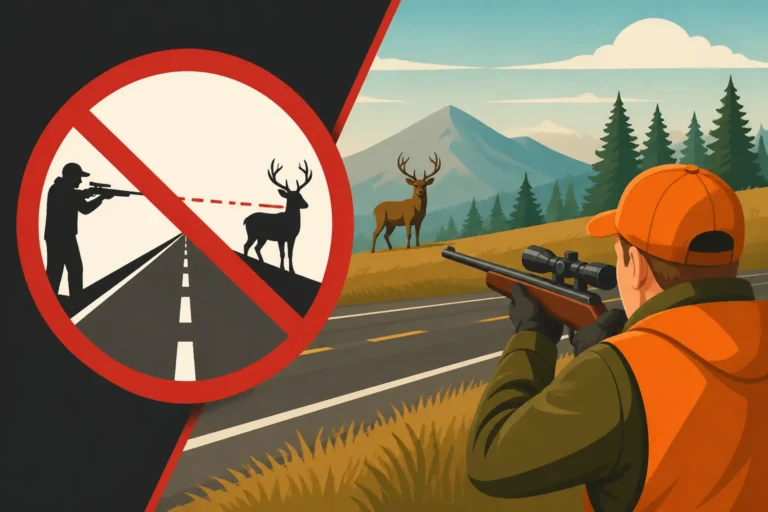
Similarly, there are regulations about Rules on Shooting Across a Road or discharging a firearm from or across a public road. Public roads and highways are generally considered part of the "road allowance" and are not hunting grounds. You cannot shoot from a vehicle on a public road, nor can you shoot across a public road. It's vital to know the difference between a private access trail, an old seismic line, and a public road. When hunting the edges of farm fields, especially those bordering roads, always be aware of your backdrop, trajectory, and proximity to any buildings. Even if you have permission to hunt a field, these safety zones still apply. Your responsibility as a hunter extends to ensuring the safety of the public and property, making a thorough understanding of Rules on Hunting Near Buildings non-negotiable.
Here's a quick reference for common access scenarios:
| Land Type | Permission Required? | Whom to Ask | Typical Access Challenges | Digital Mapping Support |
|---|---|---|---|---|
| Deeded Private Land | Yes, always | Landowner | Finding contact info, building trust, existing agreements | GoHunt, Recreational Access Tool (identifies owner) |
| Provincial Grazing Lease | Yes, from leaseholder | Leaseholder (contact via Public Lands/Ag Society) | Locating leaseholder, balancing hunting with livestock concerns | Recreational Access Tool (identifies lease areas) |
| Community Pasture | Yes, from managing authority | Pasture Manager/Association | Understanding specific rules, seasonal restrictions | Recreational Access Tool |
| Crown Land (Green Area) | No, generally open | N/A (unless crossing private land to access) | Physical access, intermittent private parcels, PLUZ rules | All major hunting apps (identifies Crown Land), Using Alberta's Recreational Access Mapping Tool |
| Crown Land (White Area) | Yes, often treated as private | Landowner (if agricultural lease) / N/A (if truly public) | Mixed bag of ownership, complex boundaries, access points | GoHunt, Recreational Access Tool |
| Posted Land | Yes, always | Landowner (explicitly posted as "No Hunting") | Overcoming initial refusal, specific rules | None (posting is a physical act by owner, see Alberta Posted Land and Signage Rules) |
Disclaimer
The information provided in this guide is for general educational purposes only and is not a substitute for legal advice. Hunting regulations and land access laws can change. Always consult the most current Alberta Hunting Regulations, relevant municipal bylaws, and provincial legislation, or seek legal counsel for specific situations. It is the hunter's responsibility to know and obey all applicable laws.