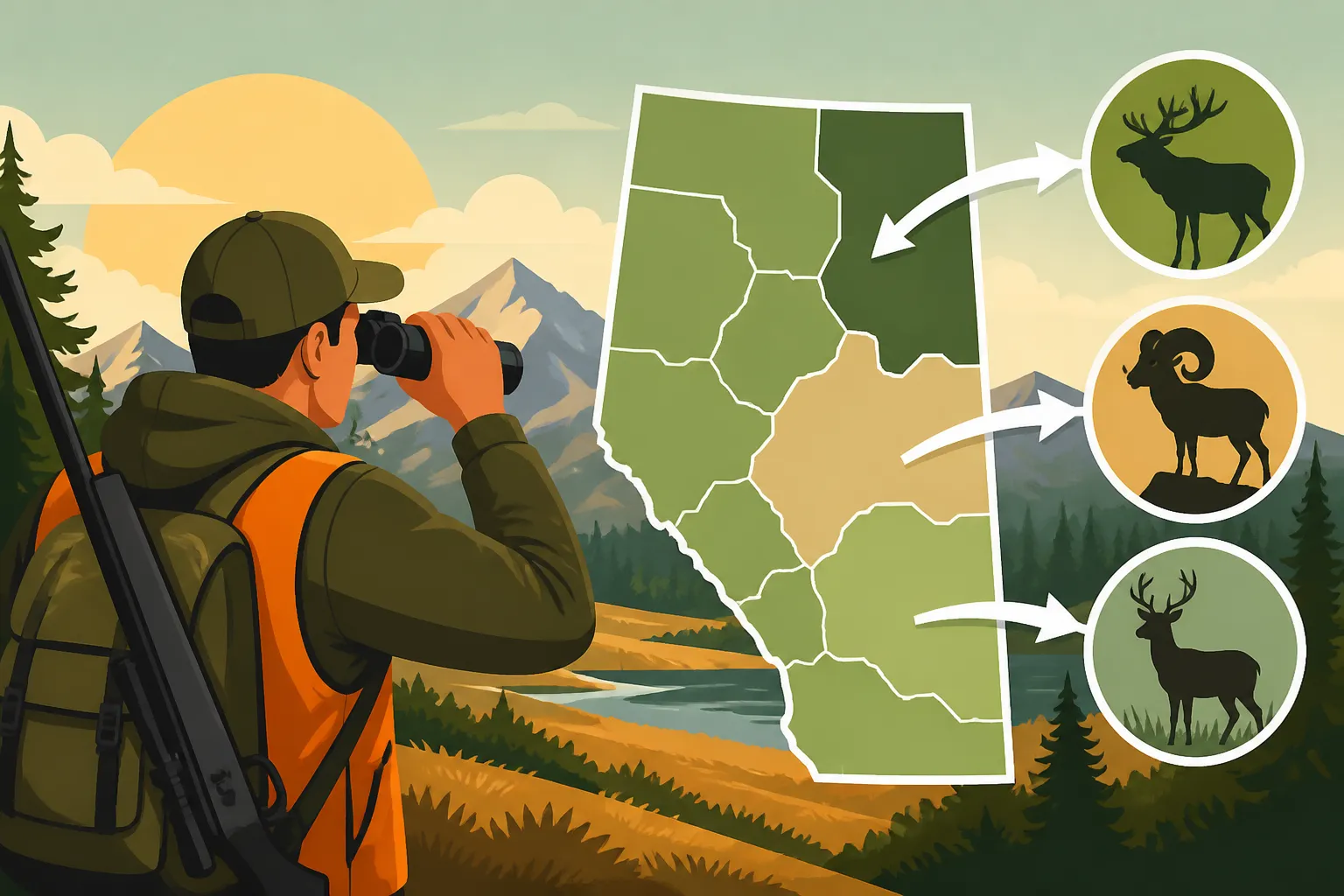
Alberta Outfitter Allocations Explained
Navigating the world of hunting as a non-resident in Alberta can feel like cracking a secret code, especially when you start looking into special licenses and the whole outfitter system. It's easy to get overwhelmed by the different rules and what seems like a patchwork of regulations. This guide is here to untangle the complexities of Alberta's outfitter allocation system, helping you understand how it works and what it means for planning your dream hunt.
Understanding Alberta's Hunting Framework for Non-Residents
Alberta is a prime hunting destination, but its rich wildlife resources are carefully managed to ensure sustainability and prioritize resident hunters. This framework sets the stage for why non-residents interact with the system differently, particularly when it comes to booking a hunt through an outfitter.
Why Non-Residents Have Different Rules
The Province of Alberta, like many jurisdictions, prioritizes its own residents when it comes to hunting opportunities. This approach is rooted in the idea that local citizens have a primary claim to local resources, and it helps manage wildlife populations effectively within provincial boundaries. For non-residents, whether you're from another Canadian province or a non-resident alien from outside Canada, this means there are specific regulations designed to control the number of hunters and the harvest of particular species. You'll find that these rules often involve working with a licensed outfitter or a designated hunter host, which is a key difference from how residents can simply purchase many general tags directly.
This system ensures that while non-residents contribute significantly to the local economy through hunting tourism and associated services, their participation doesn't unduly impact resident hunting success or the long-term health of game populations. It’s a balance, aiming to offer world-class hunting experiences while maintaining responsible wildlife management practices. Understanding these foundational differences is the first step to a successful non-resident hunt in Alberta. You can learn more about the specifics in our guide on Rules for Non-Residents Hunting Alberta.
The Role of Outfitters and Hunter Hosts
For non-resident hunters eyeing Alberta's diverse landscapes and game, engaging with either a licensed outfitter or a designated hunter host isn't just an option—it's a legal requirement. A licensed outfitter provides a comprehensive hunting experience, including guiding services, accommodations, food, and often, the all-important tag through their allocation. These professionals are well-versed in the local terrain, game movements, and regulations, making them an invaluable resource for anyone unfamiliar with the area. They handle a lot of the logistical heavy lifting, allowing you to focus on the hunt itself.
Alternatively, if you have a close connection to an Alberta resident, a designated hunter host might be an option. This resident must meet specific criteria and commit to personally guiding you throughout your hunt. While it offers a more personal, localized experience, it comes with its own set of responsibilities for both the host and the hunter. Deciding between an outfitter and a hunter host depends on your personal circumstances, budget, and the kind of hunting experience you're seeking. Our article on Hunting Alberta With a Hunter Host dives deeper into that particular route.
What Are Outfitter Allocations?
The term "outfitter allocation" is central to understanding how non-residents acquire big game tags in Alberta. It's essentially the mechanism by which the province regulates non-resident hunting pressure for various species across its diverse landscape.
The Core Concept of Allocations
At its heart, an outfitter allocation is a permit issued by the Alberta government to a licensed outfitter, granting them the ability to offer a specific number of tags for certain game species within particular Wildlife Management Units (WMUs). Think of it like a quota. These allocations are not unlimited; they are carefully managed to ensure sustainable harvest levels and to maintain opportunities for resident hunters. Each allocation is tied to a specific species (like whitetail deer, moose, or bighorn sheep) and a particular WMU, ensuring that hunting pressure is distributed appropriately. This system is crucial for managing wildlife populations effectively, preventing overharvesting in any single area, and providing consistent hunting opportunities year after year.
For non-residents, this means you can't just walk into a sporting goods store and buy an antlered moose tag in Alberta, even if you could as a resident. Instead, you secure your hunting opportunity by booking a hunt with an outfitter who possesses the necessary allocations for the species and WMU you wish to hunt. This direct link between an outfitter and the available tags makes the outfitter the primary gateway for non-resident big game hunting in Alberta.
How Allocations Are Distributed and Managed
The distribution of outfitter allocations is a controlled process designed to balance conservation needs with economic opportunities. Licensed outfitters must apply for these allocations annually, submitting their requests based on their operational capacity, historical performance, and the available quotas for each species and WMU. It's a competitive system, especially for highly sought-after species or prime hunting areas. The provincial government then reviews these applications and issues the allocations, which are finite and reflect the current state of wildlife populations and management objectives.
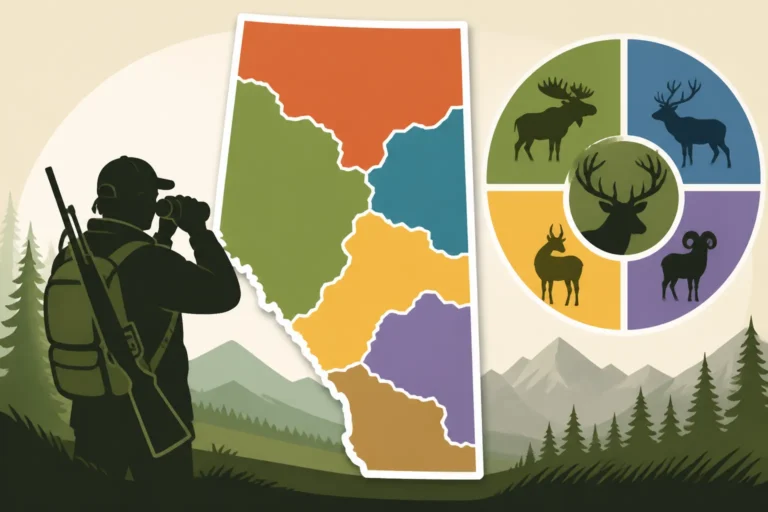
Outfitters in Alberta typically operate under two classes of permits related to these allocations: Class S and Class T. These classifications dictate the types of species and WMUs an outfitter can offer to non-resident hunters. The system is dynamic, with adjustments made periodically based on population surveys, environmental factors, and hunter feedback. Resources like GoHunt, while primarily focused on draw odds in other jurisdictions, can help hunters understand general trends in tag availability and unit popularity, offering insights that might indirectly inform outfitter bookings in other regions, but remember Alberta has its own unique system. Staying informed about Alberta's 219 Wildlife Management Units and specific regulations is always a good idea.
Class S vs. Class T Outfitter Permits
Understanding the distinction between Class S and Class T outfitter permits is crucial for any non-resident hunter planning a trip to Alberta. These classifications dictate which species and types of hunts an outfitter can offer, directly impacting your choices and the availability of tags.
Class S Outfitter Permits
Class S outfitter permits are primarily for general season species, which often do not require a special draw for residents, or species where non-resident allocations are generally more available. This includes highly popular hunts like those for whitetail deer and black bear. Outfitters holding Class S permits have the flexibility to offer these hunts in various WMUs where those species are found in good numbers and general seasons are open. This means that for many whitetail or black bear hunts, the outfitter essentially holds the "license" to take a certain number of non-resident hunters for these species.
These permits are a cornerstone of Alberta's hunting tourism, as they allow for a steady stream of non-resident hunters seeking experiences for robust game populations. While there's still a limit to the number of Class S allocations an outfitter can receive, they typically offer more widespread opportunities compared to the highly restricted Class T permits. This also means that securing a hunt for species under a Class S allocation might be less about hitting a draw and more about finding an outfitter with availability that matches your schedule and desired WMU. For example, if you're looking for a Black Bear Hunting in Alberta, many reputable outfitters will offer this under a Class S permit.
Class T Outfitter Permits
In contrast, Class T outfitter permits are specifically designed for draw-only species – those highly coveted animals where resident hunters often must enter a lottery-style draw to secure a tag. These are often the "trophy" species, like mountain goat, pronghorn, some moose, and certain elk hunts, particularly those in limited entry WMUs with strict quotas. The number of Class T allocations is significantly more restricted, reflecting the lower population numbers or sensitive management needs of these species.
For a non-resident, hunting a Class T species means you must book with an outfitter who has successfully obtained a Class T allocation for that specific species in a particular WMU. This often requires booking far in advance, sometimes years, as these allocations are rare and highly sought after. Unlike some draw systems where personal priority points accumulate, non-residents typically don't apply directly to the draw for these tags; instead, the outfitter applies for the allocation, which then becomes available to their booked clients. This system emphasizes conservation and controlled access, ensuring that these iconic species are hunted sustainably and that opportunities remain for both residents and non-residents who book with allocated outfitters. You can find out more about the challenges of hunting these specific animals in guides like Hunting Alberta's Draw-Only Species.
Impact of Allocations on Your Hunt
The outfitter allocation system fundamentally shapes how non-residents plan and execute their Alberta hunting adventures. It dictates not just if you can hunt a particular species, but also when and where you can do so, and how early you need to start planning.
Booking a Hunt: What to Expect
When you decide to pursue a hunt in Alberta as a non-resident, the first step, after choosing your target species, is often finding a licensed outfitter. This isn't just about hiring a guide; it's about securing access to the actual hunting opportunity, as the outfitter holds the allocations. What you can expect is that reputable outfitters will clearly communicate which species and WMUs they have allocations for. They'll also explain the process of transferring that allocation to you in the form of a tag once your hunt is booked and payment is made.
Due to the limited nature of these allocations, especially for popular or draw-only species (Class T), booking well in advance is critical. Many top outfitters offering premium hunts are booked out one to three years in advance, sometimes even longer for rare opportunities like bighorn sheep. Don't be surprised if you contact an outfitter and they ask about your preferred species, WMU, and desired year of the hunt right away – they're checking their allocation availability. Always verify that the outfitter is licensed and has the appropriate allocations for your desired hunt. This is one of the key factors when Choosing the Right Alberta Outfitter.
Understanding Draw Success and Outfitter Allocations
It’s important to clarify that for non-residents, "draw success" typically refers to the outfitter's ability to secure a Class T allocation, rather than an individual hunter's success in a personal draw like residents experience with their priority points. While resident hunters accumulate Alberta's Draw Priority Point System to improve their odds for certain special licenses, non-resident hunters rely on an outfitter who has already been granted those specific allocations.
So, when an outfitter advertises a hunt for a draw-only species like moose or certain elk, it means they have been allocated a limited number of tags for non-residents in specific WMUs. Your booking secures one of those allocated tags, assuming the outfitter has availability. There isn't usually a separate "draw" you participate in as a non-resident client for these allocated tags. It's a different system, focusing on managing a fixed quota of non-resident opportunities through a network of licensed outfitters. This system streamlines the process for the hunter, taking the guesswork out of draw odds, but places the responsibility of securing the tag on the outfitter.
Navigating the System: Tips for Non-Resident Hunters
Planning a non-resident hunt in Alberta requires careful consideration of the allocation system. With a bit of strategic thinking and thorough research, you can increase your chances of securing the hunt you've always dreamed of.
Researching Outfitters and Their Allocations
Your research should start long before you pick up the phone. Begin by identifying the species you want to hunt and the general type of terrain you prefer (e.g., foothills for elk, boreal forest for moose, prairie for mule deer). Once you have a clearer picture, start looking for licensed Alberta outfitters who specialize in those hunts. This is where you need to ask very specific questions about their allocations. Don't just ask if they "do" moose hunts; ask if they have current Class T allocations for moose in specific WMUs for the upcoming seasons.
Be prepared to inquire about their success rates (and understand what those rates truly mean), references from past clients, and the full details of their packages, including what a guided hunt actually covers. Many outfitters will have information on their websites, but a direct conversation is best to confirm allocation details. Platforms like GoHunt, though more focused on drawing tags in the US, can still give you a broader understanding of game populations and regional dynamics, which might indirectly inform your conversations with Alberta outfitters. Always confirm an outfitter's current licensing and allocation status directly with them.
Planning Your Alberta Hunt Strategically
Given the allocation system, strategic planning is paramount. If your heart is set on a draw-only species, you must be prepared to book well in advance. For example, Booking an Alberta Moose Hunt or a bighorn sheep hunt might require booking two to five years out. If your schedule is more flexible, consider species that fall under Class S allocations, such as a Booking an Alberta Whitetail Hunt or a black bear hunt. These often have more immediate availability and can offer an equally rewarding experience.
It's also wise to be flexible with your WMU choice if possible. Some WMUs are highly sought after, while others might offer excellent hunting opportunities with less competition for allocations. Always check the latest Alberta Big Game Season Dates and Alberta Hunting Licences and What They Cost to ensure you're fully informed about the season timing and financial commitments. Having a backup plan or being open to different species can also alleviate pressure if your first choice isn't immediately available due to allocation limits.
Here's a quick overview of how Class S and Class T allocations differ:
| Feature | Class S Outfitter Permit | Class T Outfitter Permit |
|---|---|---|
| Typical Species | Whitetail Deer, Black Bear, some General Elk & Moose | Bighorn Sheep, Mountain Goat, Pronghorn, Draw Moose & Elk |
| Allocation Basis | More general permits for common species | Specific, highly limited permits for draw-only species |
| Booking Difficulty | Generally easier, often shorter lead times | Very difficult, often requiring bookings years in advance |
| Hunter Action | Book with outfitter, who holds the allocation | Book with outfitter, who must secure specific allocation |
| Purpose | Broad non-resident access for robust populations | Controlled access for sensitive or low-population species |
| Flexibility | Higher, more WMUs and season overlap usually available | Lower, very specific WMU and season dictated by allocation |
Disclaimer
Please remember that hunting regulations, license costs, and allocation systems can change. While every effort has been made to provide accurate and up-to-date information, it is your responsibility as a hunter to consult the most current Alberta hunting regulations guide published by the provincial government before planning or undertaking any hunting activity. Always confirm details with a licensed outfitter or the Alberta Fish and Wildlife division directly.