Booking an Alberta Whitetail Hunt
Thinking about a whitetail hunt in Alberta? It's a dream for so many, a chance to pursue some truly impressive deer in diverse and challenging landscapes. But let's be honest, the idea of planning a hunting trip, especially to another province or country, can feel like navigating a dense thicket without a compass. From understanding regulations to choosing the right outfitter and figuring out all the logistics, it can quickly become overwhelming. This guide is here to untangle that thicket for you, providing a clear path to booking a memorable Alberta whitetail hunt, whether it's your first time or you're looking to refine your next adventure.
Understanding Alberta's Whitetail Hunting Allure
Alberta truly is a special place when it comes to whitetail deer. We've got a fantastic blend of habitat, from the rich farmlands of the central plains to the sprawling boreal forest and the rugged foothills. This diversity means not only a healthy population of deer but also a great chance at encountering some truly magnificent bucks. It's no wonder so many hunters, both resident and non-resident, set their sights on an Alberta whitetail.
Why Alberta is a Whitetail Hunter's Dream
There's a reason Alberta consistently produces big whitetails, and it's a combination of genetics, nutrition, and management. Our agricultural areas provide an abundance of high-protein forage, allowing deer to pack on weight and grow impressive antlers. Even in our more remote bush and forest regions, careful management practices ensure healthy herds. Many hunters specifically target Alberta for the sheer potential of harvesting a buck that might be a deer of a lifetime. The sheer thrill of hunting the November Whitetail Rut in our varied terrain is something that keeps people coming back year after year.
Beyond just antler size, the hunting experience itself is incredibly rich. You might find yourself rattling antlers in a small aspen bluff, stalking a creek bottom, or patiently waiting in a treestand overlooking a vast stubble field. Each scenario offers a unique challenge and reward. This variety, coupled with the potential for exceptional deer, solidifies Alberta's reputation as a premier whitetail destination. We have a robust deer population that thrives in both our wilder areas and right on the edges of our cultivated land.
The management philosophy here in Alberta also plays a significant role. While many zones have general seasons, there are also special draw seasons designed to manage specific populations and ensure trophy quality in certain areas. This thoughtful approach helps maintain healthy deer numbers and balanced age structures, benefiting both the deer and the hunters who pursue them. It’s a place where dedicated hunters can truly challenge themselves against intelligent, mature animals.
General and Special Licence Opportunities for Whitetails
When it comes to hunting whitetails in Alberta, you'll encounter two main types of licences: general and special. General licences, often referred to as "over-the-counter" tags, are available for purchase without needing to go through a draw process. These are the workhorse of our whitetail hunting seasons, allowing you to hunt in designated Wildlife Management Units (WMUs) for specific antlered or antlerless deer, often with a longer season duration. They provide a fantastic opportunity for both residents and non-residents to experience our whitetail hunting without the uncertainty of a draw.
Special licences, on the other hand, are allocated through a draw system. These are typically for specific species, such as antlerless deer in WMUs where population reduction is desired, or in very high-demand WMUs that might produce exceptional trophy animals. Applying for these draws requires some planning, as there are specific application periods and deadlines. Success in the draw often depends on accumulated priority points, which can be a whole strategy in itself. You can find detailed information on how these draws work in our guide on Alberta's Special Licence Draws.
For non-residents, understanding these two categories is even more critical. While general whitetail tags are often readily available, securing a special draw licence might involve more planning, and for non-resident aliens, it almost always requires the assistance of an outfitter who holds an allocation for that specific draw. It’s crucial to know what kind of tag you’re after before you start booking, as it will heavily influence your outfitter options and the overall timing of your hunt.
Prime Whitetail Regions in Alberta
Alberta boasts several prime regions that are renowned for their whitetail hunting opportunities, each offering a distinct experience. The agricultural belt, often referred to as the Parkland and certain White Area WMUs, is perhaps the most famous. Here, deer benefit from abundant food sources like canola, barley, and wheat, leading to impressive body sizes and antler growth. Hunting these areas often involves patiently watching field edges, shelterbelts, and aspen bluffs, especially during the peak of the rut in November. This is where many of those record-book bucks are found, though pressure can be higher.
Moving west towards the foothills, the landscape changes to a mix of rolling hills, timber, and smaller agricultural pockets. These areas offer a different kind of whitetail hunt, often more reliant on tracking, still-hunting through diverse cover, and intercepting deer moving between bedding and feeding areas. While the deer might not always reach the sheer size of their prairie cousins, they are often incredibly wild and challenging to hunt, making for a truly rewarding experience. WMUs in the central and southern foothills can be excellent.
Further north, the boreal forest provides vast expanses of wilderness where whitetails coexist with moose and black bears. Hunting here often means navigating cutlines, seismic lines, and old logging roads, focusing on transition areas between dense timber and regenerating clearcuts. While the deer density might be lower than in agricultural zones, the bucks that call this rugged country home are often big, mature animals that have survived multiple seasons. Each region offers its own challenges and rewards, making Alberta a truly versatile whitetail destination. If you're wondering about specific areas, our guide on Whitetail Hunting in Alberta dives much deeper into regional specifics.
Navigating Non-Resident Hunting Requirements
If you're coming to Alberta from outside the province, particularly from another country, there are some specific requirements you absolutely need to understand before you even think about packing your bags. These aren't just minor details; they are fundamental rules that ensure you're hunting legally and safely. Ignoring them can lead to serious headaches or, worse, having your hunt cancelled before it even begins.
The Crucial Role of an Outfitter or Hunter Host
For non-resident hunters coming to Alberta, you cannot simply buy a licence and head out into the bush on your own. You have two main options for hunting big game: hunting with a licensed outfitter or hunting with an eligible "Hunter Host." A non-resident alien (someone not ordinarily resident in Canada) must hunt with a licensed Alberta outfitter if they are pursuing big game, including whitetail deer. This is a non-negotiable legal requirement. These outfitters hold special allocations for non-resident licences and guide you throughout your hunt. Many hunters use platforms like BookYourHunt to connect with reputable Alberta outfitters.
If you are a non-resident Canadian (meaning you reside in another Canadian province or territory), you have the option of hunting with a Hunter Host. A Hunter Host is an Alberta resident who is eligible to host a non-resident hunter. This host must accompany you during your hunt, and there are strict rules about who can be a host and how often they can host. It's an excellent option for those with close friends or family residing in Alberta, offering a more personal hunting experience without the full cost of a guided trip. However, for most hunters coming from outside Canada, an outfitter is the only path. Our detailed guide on Rules for Non-Residents Hunting Alberta explains this in depth.
Choosing between a Hunter Host (if eligible) or an outfitter will significantly shape your hunting experience and budget. An outfitter provides a full service, including guiding, accommodation, and often meals and trophy care. A Hunter Host simply provides the legal requirement of accompaniment. It's vital to confirm your status and understand these options clearly before making any commitments. Many first-timers find the comprehensive service of an outfitter invaluable for a smooth and successful trip.
Essential Alberta Licences and Permits
Before you can even set foot in an Alberta whitetail hunting area, you'll need to acquire a few key pieces of documentation. The very first thing any hunter in Alberta needs is a Wildlife Identification Number (WIN) card. This is your unique identifier in the Alberta hunting system and must be renewed periodically. Think of it as your hunting ID. You can apply for or renew a WIN card online through the AlbertaRELM system. It's a foundational step, and you can't purchase any hunting licences or apply for draws without one. Our guide Getting an Alberta WIN Card covers this in detail.
Once you have your WIN card, you'll need to purchase an Alberta Wildlife Certificate. This certificate acts as your general hunting permit and includes a portion that supports wildlife conservation efforts in the province. It's essentially your ticket to participate in hunting seasons. Both the WIN card and Wildlife Certificate are mandatory for all hunters, resident and non-resident alike. After these foundational items, you'll then purchase the specific whitetail licence (either general or special draw, as discussed earlier) that corresponds to your hunt plan.
For non-resident aliens hunting with an outfitter, your outfitter will typically assist you with ensuring you have the correct licences and permits, as they will be purchasing your special licence tags for you from their allocation. However, you are ultimately responsible for making sure all your personal documentation is in order well in advance of your trip. Don't wait until the last minute to sort out your WIN card or Wildlife Certificate, as delays can impact your ability to hunt.
Bringing Your Firearm Across the Border
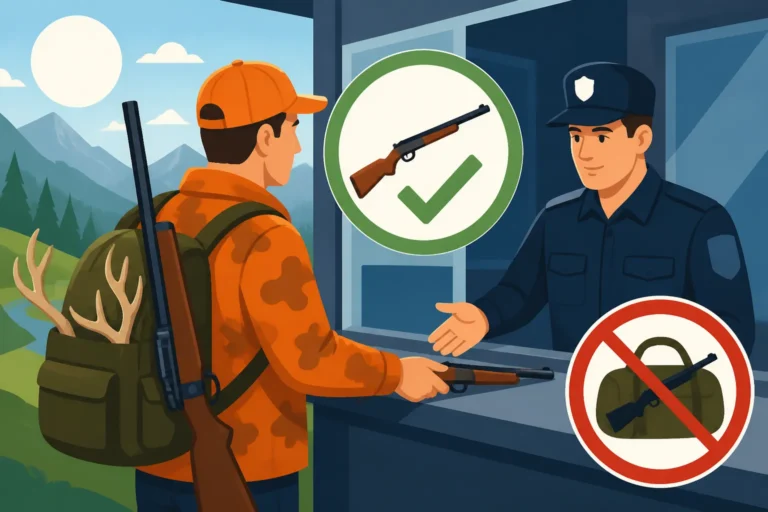
This is one of the most common points of anxiety for non-resident hunters, especially those from the United States, and for good reason—Canada has strict firearm laws. However, it's absolutely possible to bring your hunting rifle into Alberta legally, provided you follow the correct procedures to the letter. The key is declaration and proper documentation. You must declare all firearms and any prohibited weapons when you enter Canada. This is not the time to be vague or forgetful.
The primary document you'll need is a Non-Resident Firearm Declaration Form (RCMP 5589). This form serves as a temporary firearm licence for non-residents and must be filled out in triplicate but not signed until you are in front of a Canadian Border Services Agency (CBSA) officer. There is a fee associated with this declaration, which covers all firearms listed on the form for up to 60 days. You'll need to have your hunting licence(s) and potentially proof of your guided hunt with an outfitter handy as well. Always ensure your firearms are unloaded and securely stored in a locked case, separate from ammunition, as per Canadian regulations, when travelling. Our article on Transporting Firearms Into Alberta provides a more comprehensive breakdown of this crucial process.
It's also important to remember that certain firearms are prohibited in Canada, even if they are legal in your home country. Do your homework well in advance to ensure your specific rifle is permissible. Magazines, for example, have capacity restrictions. Consulting with your outfitter is highly recommended, as they deal with this regularly and can provide up-to-date advice. Having all your paperwork meticulously prepared and following all storage and transport rules will make your border crossing smooth and stress-free.
Selecting Your Ideal Whitetail Outfitter
Choosing an outfitter is arguably the most critical decision you'll make when booking an Alberta whitetail hunt, especially as a non-resident. This individual or company isn't just selling you a tag; they're providing a service, a guided experience, and often your accommodation and meals. A good outfitter can make your hunt unforgettable, while a poor choice can lead to disappointment and wasted money. Take your time, do your due diligence, and choose wisely.
Vetting and Researching Potential Outfitters
The market for hunting outfitters can feel a bit like the Wild West, with many options and varying levels of quality. Start your research by looking at outfitters that specifically advertise Alberta whitetail hunts. Websites like BookYourHunt and GoHunt can be great resources for finding outfitters, seeing their available dates, and reading reviews from past clients. Don't just rely on flashy websites; dig deeper. Look for outfitters with a long-standing presence and a good reputation in Alberta. Associations like the Alberta Professional Outfitters Society (APOS) can also be a good starting point to find licensed and reputable operators.
Once you have a shortlist, the real vetting begins. Look for client testimonials, preferably with contact information for references you can call directly. A reputable outfitter will be happy to provide these. When speaking with references, ask specific questions: Was the camp clean? Were the guides knowledgeable and professional? Was the food good? Did they feel safe? Most importantly, were expectations managed realistically, and was the hunt as described? Remember, "success rate" isn't just about killing a deer, but about the overall quality of the experience.
Pay attention to communication. Is the outfitter responsive to your emails and calls? Do they provide clear, detailed answers to your questions? Good communication from the outset is a strong indicator of a well-run operation. An outfitter who is evasive or hard to reach before you've even booked might be a red flag. Taking the time to properly vet your options will pay dividends when you arrive in Alberta, ensuring you've made a choice you can trust.
Key Questions to Ask Before Committing
When you're ready to speak with potential outfitters, have a list of specific questions prepared. Beyond the basic pricing, delve into the details of the hunt itself. Ask about the typical hunting style: Do they primarily use treestands, ground blinds, spot-and-stalk, or drives? How many guides are there per hunter? What's the guide's experience level with whitetails in that specific WMU? Ask about the terrain and physical demands of the hunt – is it suitable for your fitness level?
Don't shy away from asking about logistics and what's included. What kind of accommodations can you expect? Are meals provided, and what kind of food? What is their policy on alcohol in camp? What is the daily schedule like? Crucially, inquire about trophy care: who handles caping and quartering the animal, and do they have facilities for cold storage? Do they assist with transportation to a local butcher or taxidermist? This is particularly important for your hard-earned trophy.
Finally, clarify the financial and legal aspects. What's the total cost, including licences, taxes, and any hidden fees? What are the deposit requirements, payment schedule, and cancellation policy? Understand their refund policy if you can't make the trip or if the hunt is impacted by unforeseen circumstances. These questions will not only give you a clearer picture of what to expect but also gauge the outfitter's transparency and professionalism. You'll find more helpful tips in Choosing the Right Alberta Outfitter.
Understanding Outfitter Allocations and Availability
For non-resident aliens, outfitters in Alberta operate under a system of "allocations." This means the provincial government grants outfitters a certain number of tags for specific species in particular WMUs each year. These allocations are finite, and once an outfitter has booked hunts that fill their allocation, they cannot take on any more clients for that species in that WMU, even if they have available dates or guides. This system is designed to manage harvest pressure and ensure sustainability.
What this means for you, the hunter, is that outfitter availability isn't just about their schedule; it's also about their tag allocations. A highly sought-after outfitter in a prime whitetail area might book up a year or even two in advance, especially for prime rut dates. This is why early booking is often essential, particularly if you have specific dates or a particular WMU in mind. When communicating with an outfitter, always confirm their available allocations for whitetail deer in the WMU you're interested in.
The allocation system also highlights the importance of working with a licensed and reputable outfitter. Unlicensed operators won't have legitimate allocations, which can lead to major problems down the line. Platforms like BookYourHunt typically only list licensed outfitters, helping to filter out less reputable options. Be wary of any outfitter promising tags without clearly explaining their allocation status. Understanding this system will help you manage your expectations and plan your hunt more effectively.
Exploring Whitetail Hunt Styles and Packages
One of the great things about hunting whitetails in Alberta is the variety of hunting styles and packages available. The terrain, the specific WMU, and the outfitter's philosophy all influence how the hunt will unfold. Knowing what to expect and what you prefer can help you narrow down your choices and ensure you book a hunt that aligns with your expectations and physical capabilities.
Common Hunt Types: Stands, Stalking, and Drives
Alberta whitetail hunts often employ a combination of classic techniques. Stand hunting is perhaps the most common, particularly in the parkland and agricultural fringe areas. This involves sitting patiently in a treestand or ground blind, often overlooking food plots, field edges, natural travel corridors, or deer scrapes and rubs. It requires patience and stealth, but can be incredibly effective, especially during the rut when bucks are actively cruising. Many outfitters have pre-set stands or blinds, moving them based on current deer activity.
Spot-and-stalk hunting is less common for whitetails than for mule deer, but it can be very productive in certain open or broken terrain, particularly in coulee country or areas with good visibility. This method involves glassing large areas from a vantage point to locate deer, then carefully planning and executing a stalk to get within shooting range. It's physically demanding and requires keen eyesight and stalking skills. While less common for whitetails overall, it can be a thrilling way to hunt in the right conditions. Our guide on Spot-and-Stalk Mule Deer in Alberta covers similar techniques.
Drive hunting, while sometimes used, is typically reserved for specific situations or as a tactic to move deer out of heavy cover, often involving a small group of hunters. This method usually requires extensive knowledge of the local terrain and deer movement patterns, and strict safety protocols are paramount. Most guided whitetail hunts will primarily focus on stand hunting, perhaps incorporating some still-hunting or calling during the rut, depending on the outfitter and the specific area.
Accommodation Options: From Lodges to Wall Tents
The type of accommodation offered by your outfitter can range from comfortable lodges to rustic wall tents, and everything in between. Lodge hunts typically provide all the comforts of home, or close to it, including private rooms, hot showers, and hearty home-cooked meals. These camps are often located within easy driving distance of prime hunting areas and offer a very comfortable experience, ideal for those who appreciate amenities after a long day in the field. They are often a great choice for clients who might have physical limitations or simply prefer a higher level of comfort.
Further into the wilderness, or for a more traditional hunting experience, you might find spike camps or wall tent camps. These can range from heated canvas tents with cots and basic cooking facilities to more elaborate setups with multiple tents for sleeping, dining, and showering. These camps often place you closer to the hunting action, minimizing travel time each day, and offer a more immersive "backcountry" feel. They require a bit more adaptability from the hunter but can provide an incredibly authentic experience.
Finally, some outfitters might offer hotel or motel accommodation in a nearby town, especially if they are hunting agricultural land close to population centers. This can be a practical option, offering amenities like restaurants and shops nearby, though it might mean longer drives to the actual hunting grounds each day. The choice of accommodation often correlates with the price of the hunt and the remoteness of the hunting area, so consider what level of comfort and immersion you're looking for.
Add-on and Combination Hunt Possibilities
Many Alberta outfitters offer the option to add on additional species to your whitetail hunt, either as a combo package or on an opportunistic basis. The most common add-on for a whitetail hunt is often a black bear, especially during fall seasons when both are open. Some outfitters might offer specific combo hunts for whitetail and bear, allowing you to pursue both species during your trip. This can be a great way to maximize your time and investment, especially if you're traveling a long distance.
Another popular combination, particularly in certain regions, might be a whitetail hunt with small game or upland birds. Alberta has fantastic populations of various grouse species, Hungarian partridge, and even pheasants in certain release zones. If you're looking for a less intense afternoon hunt after a morning spent in a deer stand, adding a bird stamp to your licence and pursuing upland game with a shotgun can be a fun and rewarding experience. Just ensure your outfitter is set up to facilitate this, as it requires different gear and logistics.
It's crucial to discuss any potential add-ons or combo hunts with your outfitter well in advance. Some species require separate licences and draw applications, and the outfitter needs to ensure they have the allocation and guiding capacity for all the animals you wish to pursue. Don't assume you can just add a species on a whim; planning is key. An outfitter like those often listed on GoHunt might specialize in certain combos, so always inquire about these opportunities when booking.
Financial Planning for Your Hunt
Booking a guided whitetail hunt in Alberta is a significant investment, and it's essential to understand all the costs involved beyond just the advertised package price. Transparency from your outfitter and careful budgeting on your part will ensure there are no unwelcome surprises down the road, allowing you to focus on the excitement of the hunt itself.
Deconstructing the Costs: What's Included and What's Extra
When you look at an outfitter's advertised price for an Alberta whitetail hunt, it typically covers the core services: guiding, field transportation, accommodation, and often meals. However, there are almost always additional costs that are not included in the base price, and these can add up quickly. Common exclusions include your mandatory WIN card and Wildlife Certificate, your specific whitetail licence, and any federal migratory bird stamps if you plan to hunt birds. These are typically paid directly to the government or a licence vendor.
Beyond licences, consider travel costs to and from Alberta, which include flights, rental cars, and potentially pre- or post-hunt lodging in a city like Edmonton or Calgary. You'll also need to factor in gratuities for your guide and camp staff, which are customary and expected. Other potential extras might include meat processing, taxidermy services, shipping costs for your trophy and meat, and any personal items or gear you need to purchase. Some outfitters might also charge an additional trophy fee if you harvest an animal of a certain size, or a fee for a wounded but unrecovered animal. Always ask for a detailed breakdown of all potential costs. Our guide on What an Alberta Guided Whitetail Hunt Costs delves into this further.
A reputable outfitter will provide a clear, itemized list of what's included and what isn't, often in their booking contract. Go through this list carefully and ask questions about anything that isn't clear. Don't leave anything to assumption. Knowing all the potential expenses upfront will help you create a realistic budget and avoid any financial stress during what should be an enjoyable experience.
Managing Deposits, Payments, and Cancellations
Like any significant travel booking, guided hunts require deposits and adhere to specific payment schedules. Typically, a deposit, often a significant portion of the total hunt cost, is required at the time of booking to secure your dates and the outfitter's services. This deposit is non-refundable in most cases, or only partially refundable, depending on the outfitter's specific policy and how far in advance you cancel. The final balance is usually due a certain number of days or months before your hunt begins, or sometimes upon arrival at camp.
It's absolutely critical to understand the outfitter's payment terms and cancellation policy thoroughly before you put down any money. Life happens: medical emergencies, job changes, or other unforeseen events can force you to cancel a long-planned trip. Ask about options for rescheduling, transferability of deposits, or credit for future hunts in case of cancellation. Some outfitters are more flexible than others, but clear policies will always be in place.
Because deposits are often non-refundable, many hunters opt for travel insurance or specific hunting trip cancellation insurance. This can protect your financial investment if you have to cancel due to covered reasons. Discuss this possibility with your outfitter and explore options from third-party providers. Having insurance can provide peace of mind, knowing that your substantial investment is protected against unexpected circumstances.
Tipping Your Guide and Camp Staff
Tipping is an integral part of the guided hunting experience, and it’s important to understand that it’s customary and expected in North America. Guides and camp staff work incredibly hard to ensure you have a successful and enjoyable hunt, often putting in very long hours in challenging conditions. Your tip is a direct reflection of your appreciation for their efforts, knowledge, and service. While entirely discretionary, having an idea of what is considered appropriate will help you budget for this essential part of your trip.
General guidelines suggest tipping guides between 10-20% of the total hunt cost, though this can vary based on the intensity of the hunt, the level of service, and your overall satisfaction. For camp staff (cooks, skinners, cleaners), a separate pool of tips or individual amounts are usually given. Some outfitters will have a recommended tipping structure, and it's perfectly acceptable to ask them about it when you're discussing the hunt details. If you have multiple guides or staff members assisting you, the outfitter can often advise on how best to distribute tips. Our article on Tipping an Alberta Guide offers more specific advice.
It's usually best to bring cash for tips, as it can be difficult for guides or camp staff to process other forms of payment in remote locations. Presenting the tip directly to your guide at the end of the hunt is a common practice, allowing you to personally thank them. Remember, a good tip isn't just about harvesting an animal; it's about acknowledging the hard work, camaraderie, and dedication that went into making your hunt an experience to remember.
Practical Preparations for Your Journey
Once your hunt is booked, the real fun of preparing begins! This isn't just about packing a suitcase; it's about ensuring your body, mind, and gear are all ready for the challenges and rewards of an Alberta whitetail hunt. Thoughtful preparation can significantly enhance your comfort, safety, and overall enjoyment of the trip.
Physical Fitness and Essential Gear
While many whitetail hunts in Alberta can be relatively sedentary (think sitting in a blind), don't underestimate the physical demands. Hauling gear, walking through deep snow or uneven terrain, and quartering or dragging a harvested animal can be strenuous. Being in decent physical condition will make your hunt more enjoyable and increase your stamina for those long days in the field. Incorporate some walking, light cardio, and strength training into your routine in the months leading up to your hunt.
Your gear list will depend heavily on the time of year and the specific region you're hunting. Alberta's weather can be unpredictable, especially in the fall and late season. Layers are key: quality base layers, insulating mid-layers, and a waterproof/windproof outer shell. Bring good quality, insulated, waterproof boots, and several pairs of warm socks. Don't forget hats, gloves, and a neck gaiter. Early season might call for lighter clothing, but November whitetail hunts can easily see temperatures drop well below freezing, requiring serious cold-weather gear. You can read up on What to Wear on a Late Season Hunt for more specific advice.
Beyond clothing, think about your personal hunting gear. Your rifle (and ammunition), binoculars, rangefinder, hunting knife, headlamp, and a comfortable daypack are essentials. Discuss any specific gear recommendations with your outfitter, as they know the local conditions best. Some outfitters might provide certain items, like communication devices or specific blinds, so clarify this upfront to avoid duplicating gear.
Travel Logistics: Getting to Alberta and Camp
Planning your travel to Alberta needs to be meticulous. Most non-resident hunters will fly into one of Alberta's major international airports, typically Calgary (YYC) or Edmonton (YEG). From there, you might rent a vehicle for the drive to your outfitter's meeting point or camp, or arrange for pickup by the outfitter. Discuss these arrangements with your outfitter well in advance; they often have preferred airports or meeting locations. Factor in potential delays, especially if you're traveling during peak hunting season or winter months when weather can impact flights and road conditions.
If you're driving into Alberta, plan your route and factor in border crossing times if coming from the United States. Ensure you have all necessary vehicle documentation and understand Canadian driving laws. For those bringing firearms, allow ample time at the border for the declaration process, as lines can sometimes be long. It's often a good idea to arrive a day before your hunt starts, allowing you to settle in, check your gear, and avoid feeling rushed. Consider booking a hotel room near the airport or your meeting point for this pre-hunt night.
Finally, think about communication while in Alberta. Cell service can be spotty or non-existent in many remote hunting areas. Discuss communication plans with your outfitter and consider bringing a satellite messenger or GPS device for emergencies, especially if you plan to do any unguided exploration before or after your guided hunt. This ensures you can stay connected and safe, even when off the grid.
Post-Harvest: Meat, Trophy Care, and CWD Testing
Successfully harvesting a whitetail is just the first step; properly caring for the meat and trophy is crucial. Your outfitter and guides will assist with field dressing and often quartering the animal. Immediately after the kill, rapid cooling of the meat is paramount, especially if temperatures are mild. Alberta can have wildly fluctuating temperatures, so proper Meat Care in Alberta's Cold and Warm Swings is critical. Outfitters usually have facilities for hanging and cooling meat at camp, but confirm this. You'll need to decide whether to process the meat yourself or use a local butcher. Your outfitter can often recommend reputable local processors.
For your trophy (antlers and cape), proper handling is essential to preserve it for taxidermy. Your guide will typically cape and skull the animal according to your taxidermy preferences. Discuss this with them beforehand if you have specific requests. Ensure the cape is properly handled and frozen or salted. If you plan to take your trophy home, understand the import/export regulations for both Canada and your home country. This often involves specific permits and may require a certified taxidermist to prepare the skull plate and cape.
Finally, Alberta has mandatory Chronic Wasting Disease (CWD) testing requirements in certain WMUs. You might be required to submit your deer head for testing, or your outfitter may do it on your behalf. CWD is a serious neurological disease, and testing helps monitor its spread. Ensure you understand the requirements for your specific WMU. Your outfitter will be well-versed in the current CWD regulations and collection sites. Our guide on Alberta's CWD Testing Requirements offers current details on this important topic.
Maximizing Your Alberta Whitetail Experience
Booking and preparing are just part of the journey. To truly make your Alberta whitetail hunt an exceptional memory, it helps to go in with the right mindset, realistic expectations, and a deep respect for the environment and regulations. This isn't just about bagging a trophy; it's about the entire experience.
Navigating Weather and Environmental Factors
Alberta's climate can be extreme and highly variable, especially during the fall hunting seasons. Early archery seasons might see warm, dry conditions, while the peak of the rifle rut in November can bring blizzards, deep snow, and temperatures plunging well below freezing. A sunny, mild morning can quickly turn into a fierce winter storm. Being prepared for anything is not just a cliché; it's a necessity. This means packing versatile clothing layers, having reliable transportation, and understanding the risks associated with hunting in Alberta Winter Weather Safely.
Environmental factors beyond weather also play a role. Wind, for example, is a constant companion in many parts of Alberta, especially on the prairies and in open areas. It dictates deer movement, scent dispersal, and your approach strategy. Muddy conditions from rain or thaw can make travel challenging, impacting access to certain hunting spots. Conversely, a fresh snowfall can be a hunter's best friend, revealing fresh tracks and making deer highly visible.
Your outfitter will be an invaluable resource for navigating these conditions. They live and hunt in these areas year-round and understand the nuances of the local environment. Listen to their advice, trust their judgment, and be flexible with your hunt plan. Sometimes, the best strategy is to adapt to what Mother Nature throws at you, making for an even more memorable and challenging hunt.
Realistic Expectations and Understanding "Success Rates"
One of the biggest pitfalls for hunters booking an outfitted trip is having unrealistic expectations, often fueled by glamorous hunting shows or exaggerated social media posts. While Alberta offers fantastic whitetail hunting, it is still hunting, and there are no guarantees. Weather, deer movement, hunting pressure, and pure luck all play significant roles. Going in with the mindset that it's an "experience" first and a "harvest" second will lead to a far more satisfying trip.
"Success rates" advertised by outfitters can also be a point of confusion. What does a 90% "opportunity rate" mean versus a 70% "kill rate"? An opportunity rate often means hunters saw an animal they could have harvested, even if they didn't take the shot for various reasons (missed, didn't like the size, etc.). A kill rate, or harvest rate, indicates the percentage of hunters who actually took an animal. Always clarify what an outfitter means by their success rate and understand that even high rates don't guarantee you will get your deer.
Ask about the typical size of bucks harvested by their clients. While Alberta has big deer, not every hunter takes a Boone and Crockett entry. Be honest with your outfitter about your personal goals – are you looking for any legal deer, or are you holding out for a true trophy? This open communication will help them guide you more effectively and manage your expectations. A great outfitter will focus on providing a quality hunt, regardless of the outcome.
Respecting Regulations and the Land
Hunting in Alberta comes with a responsibility to uphold ethical practices and respect the province's regulations. Ignorance of the law is never an excuse, and violations can lead to hefty fines, licence suspensions, or even confiscation of firearms and vehicles. Always ensure you are familiar with the current Alberta Hunting Regulations, which are published annually. Your outfitter will guide you, but ultimately, it's your responsibility as a hunter to know and follow the rules.
This includes adhering to shooting hours, understanding legal calibre and bow requirements, following tag attachment and cancellation rules, and knowing your WMU boundaries. Respect for private land is also paramount; always have explicit permission before hunting on private property, even if it's not posted. The Trespass Act in Alberta is strictly enforced. Our guide on Alberta Landowner Permission Law explains the intricacies.
Beyond the letter of the law, ethical hunting means practicing fair chase, ensuring clean kills, and respecting the animals you pursue. It means leaving no trace, packing out everything you pack in, and being a good ambassador for hunting. This also extends to how you interact with other hunters, landowners, and the general public. By upholding these standards, you contribute positively to the future of hunting in Alberta and ensure that the privilege of pursuing whitetails here remains for generations to come.
| Item Category | Typically Included in Guided Hunt Price | Often an Extra Cost |
|---|---|---|
| Hunting Fees | Guiding Service | WIN Card |
| Field Transportation | Wildlife Certificate | |
| Whitetail Licence | ||
| Draw Application Fee | ||
| Other Species Licences | ||
| Accommodation & Food | Lodging/Camp Stay | Pre/Post Hunt Hotel |
| Meals & Non-Alcoholic Drinks | Specific Dietary Requests | |
| Gear & Supplies | Some Camp Equipment | Personal Hunting Gear |
| Cold Weather Clothing | ||
| Ammunition | ||
| Post-Harvest | Field Dressing | Meat Processing |
| Initial Trophy Prep (caping/quartering) | Taxidermy Services | |
| Shipping Trophy/Meat | ||
| CWD Testing Fees (if applicable) | ||
| Miscellaneous | Gratuities for Guide/Staff | |
| Travel Insurance | ||
| Personal Travel to Alberta | ||
| Rental Vehicle |
Disclaimer
This article is for general informational purposes only and does not constitute professional advice. Laws, prices and regulations vary by location and change over time. Consult a qualified professional for guidance on your specific situation.