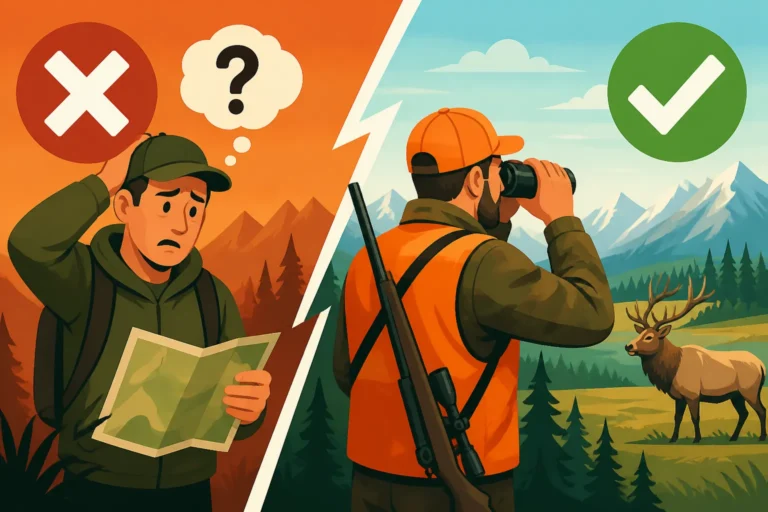
What a Semi-Guided Alberta Hunt Means
It's incredibly exciting to plan a hunting trip to Alberta, but let's be honest, the terminology surrounding guided services can be a real head-scratcher. Many hunters dream of experiencing Alberta's incredible big game opportunities, but the idea of a fully guided, all-inclusive hunt might not fit their budget or their desire for a more hands-on experience. That's where the concept of a "semi-guided" hunt comes into play, a middle-ground that often leaves people wondering what they're actually signing up for. This guide is here to demystify what a semi-guided Alberta hunt truly means, helping you understand the services you can expect and the responsibilities you'll need to shoulder.
Understanding the Spectrum of Alberta Hunting Services
Before we dive deep into what semi-guided means, it helps to understand the full spectrum of hunting services available in Alberta. Imagine a sliding scale, with maximum support and minimal hunter responsibility on one end, and total self-reliance on the other. Semi-guided sits comfortably in the middle, blending elements of both extremes to offer a unique kind of adventure.
Fully Guided Hunts: The Traditional Experience
On one end of the spectrum, you have the fully guided hunt, which is what many people picture when they think of booking an outfitter. This is typically an all-inclusive package where every detail is handled for you. From airport pickup to camp accommodation, delicious meals, expert guides leading you in the field, game retrieval, and often even initial processing, it's designed to be a seamless experience. Your main job is to show up with your gear, be ready to hunt, and follow your guide's lead.
These hunts are fantastic for hunters who are new to a particular species or area, those seeking a high-comfort experience, or individuals with limited time who want to maximize their chances with professional assistance. You might not have the time to scout or understand the intricate movements of Mule Deer in Alberta's Open Country, for example, so a dedicated guide makes all the difference. While the cost is generally higher, the convenience and expertise can be invaluable, especially for trophy opportunities or once-in-a-lifetime experiences. Outfitters offering these services invest heavily in scouting, equipment, and highly skilled staff to ensure clients have the best possible chance at success.
Unguided or DIY Hunts: Maximum Freedom, Maximum Effort
At the opposite end, you find the unguided or Do-It-Yourself (DIY) hunt. This is the realm of pure self-reliance. As an unguided hunter, especially if you're an Alberta resident, you are responsible for absolutely everything: obtaining your Alberta Hunting Licences and What They Cost, scouting your hunting area (which might mean poring over maps of Alberta's Wildlife Management Units for months), securing access to Crown land or Getting Private Land Permission in Alberta, setting up your own camp, planning all your meals, navigating the terrain, spotting game, making the shot, field dressing, and retrieving your animal.
This type of hunt offers immense satisfaction and the ultimate freedom to hunt exactly how and where you want. It's often the most budget-friendly option, assuming you already own all your gear. However, it requires significant prior knowledge, experience, self-sufficiency, and robust equipment, especially if you're targeting remote areas. Hunters who thrive on the challenge of proving their skills, who know their chosen WMU intimately, and who have the physical stamina and equipment for rugged backcountry operations often prefer this approach. It’s a truly immersive experience that connects you deeply with the land and the animal.
The Niche of Semi-Guided Services
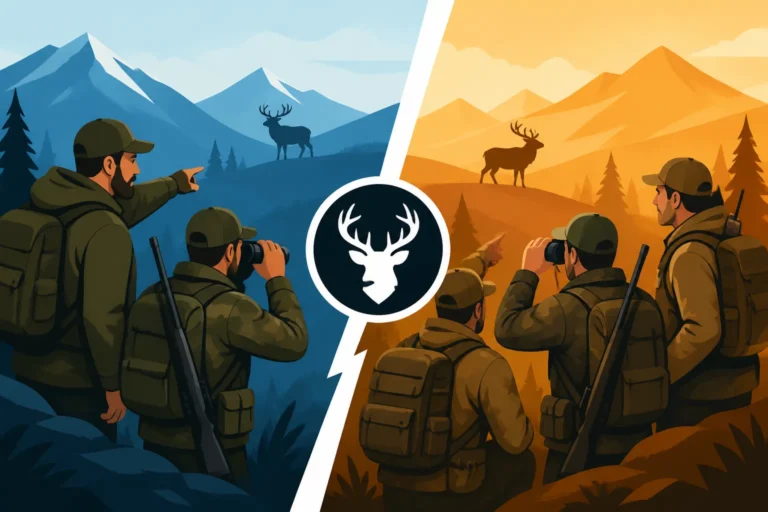
Sitting right in the sweet spot between these two extremes is the semi-guided hunt. It’s designed for the hunter who wants more independence than a fully guided trip offers, but still needs a significant leg up compared to a completely DIY venture. Maybe you're comfortable making your own stalks and field dressing, but navigating unfamiliar Alberta's Boreal Forest Country or securing land access is daunting. Or perhaps you're simply looking for a more affordable way to hunt a specific species without sacrificing all logistical support.
A semi-guided hunt acknowledges that you, the hunter, are capable and want to be actively involved in your hunt, but also recognizes the value of local expertise and practical assistance. It’s a collaborative approach where the outfitter provides critical foundational support, allowing you to focus your energy on the actual hunting. This often translates to a more rugged, self-sufficient camp experience combined with essential intel and logistical help, perfect for those who cherish the challenge of the hunt itself but appreciate a safety net and a head start.
What "Semi-Guided" Typically Entails in Alberta
The term "semi-guided" can be a bit of a moving target, as its exact definition can vary from one outfitter to another. This is why clear communication is absolutely paramount when booking. However, there are common elements that define what you can generally expect from a semi-guided experience in Alberta.
Essential Support: Getting You Set Up
One of the primary benefits of a semi-guided hunt is the logistical foundation it provides. Many hunters struggle with the sheer amount of planning involved in a truly DIY hunt, especially when travelling from out of province or targeting remote areas. This is where the outfitter steps in to smooth out some of those wrinkles.
You can often expect assistance with transportation, which might mean a pick-up from a local airport or train station, or more commonly, being dropped off at a pre-determined hunting area or spike camp. If you're hunting deep in the bush, this could involve ATV or truck transport to a remote zone that would be incredibly difficult to access on your own. Once you’re there, accommodations will vary. Some semi-guided options might include a basic wall tent camp with cots, while others might offer a rustic cabin. Meals are often a grey area; some may include basic provisions or a cook for specific meals, while others expect you to bring and prepare all your own food. This is definitely one of those details you need to confirm upfront with the outfitter. Perhaps most importantly, you'll receive crucial information and insights into the hunting area. This could involve detailed maps of the Hunting a Cutline Intersection for Whitetails or Hunting a Beaver Meadow in the Boreal, recent game sightings, knowledge of traditional travel corridors, and advice on where to focus your efforts. This local knowledge, often gleaned over years of experience, is invaluable and can significantly increase your odds of success. When trying to narrow down outfitters that offer various levels of service, platforms like BookYourHunt can be useful for comparing specific packages and inclusions.
Your Role: The Hunter's Responsibilities
While the outfitter provides a critical backbone of support, the responsibility for the actual hunting falls squarely on your shoulders during a semi-guided trip. This is where the "self-reliant" aspect truly shines. You are the one who will be actively scouting in the field, often using tools like Scouting With Satellite Imagery in Alberta in conjunction with the outfitter's local knowledge, glassing for game, planning your stalks, and ultimately making the shot. Unlike a fully guided hunt where a guide is often by your side, you'll typically be hunting independently or with your hunting partners.
Field dressing your animal, packing it out of the bush, and getting it back to a designated retrieval point are also generally your responsibilities. While the outfitter might assist with game retrieval from that point to camp or a processing facility, the initial heavy lifting is yours. You’ll also be bringing all of your personal hunting gear, including your firearm or bow, optics, clothing appropriate for Hunting Alberta Winter Weather Safely, and any specialized equipment you might need. The daily decision-making is also yours: when to get up, where to hunt that day, what strategy to employ, and when to call it quits. This level of autonomy is precisely what appeals to many hunters choosing this option. You're the director of your own hunt, with a solid support crew in the background.
Key Distinctions from Fully Guided
To really understand what a semi-guided hunt means, it's helpful to see how it stacks up against the other two categories. The differences are not just about cost, but about engagement, responsibility, and the overall experience.
| Feature | Fully Guided Hunt | Semi-Guided Hunt | Unguided/DIY Hunt |
|---|---|---|---|
| Guide Presence | Guide accompanies hunter at all times in the field | Guide provides info/support, hunter hunts independently | No guide |
| Logistics (Transport) | All transport handled by outfitter | Drop-off/pickup at pre-determined points, some support | Hunter handles all transport |
| Accommodation | Comfortable lodge, cabins, full amenities | Basic camp (wall tent, rustic cabin), may be shared | Hunter provides own camp (tent, RV, etc.) |
| Meals | All meals prepared and provided | Some provisions, hunter often cooks own meals, or basic cook | Hunter provides and cooks all own food |
| Scouting/Intel | Guide does all scouting, provides real-time info | Outfitter provides maps, intel, general hunting areas | Hunter does all scouting from scratch |
| Game Retrieval | Full retrieval from field to processor | Hunter retrieves to designated point, outfitter assists | Hunter does all retrieval |
| Cost | Highest | Moderate | Lowest (excluding equipment investment) |
| Hunter Responsibility | Low | Moderate to High | Very High |
| Target Audience | First-timers, high-comfort, limited time | Experienced but new to area, budget-conscious, desires independence | Highly experienced, local knowledge, self-reliant |
This table clarifies that a semi-guided hunt is truly a hybrid. You pay for crucial support and local knowledge, but you maintain significant control and responsibility over the actual hunting activities.
The Benefits and Challenges of a Semi-Guided Hunt
Opting for a semi-guided hunt in Alberta comes with its own set of advantages and potential drawbacks. Understanding these can help you decide if this particular style of hunt aligns with your expectations and capabilities. It's about finding that sweet spot where you get enough support to be successful, without losing the rugged independence many hunters crave.
The Upsides: Control, Cost, and Learning
One of the most compelling reasons hunters choose a semi-guided trip is the cost-effectiveness. Compared to a fully guided experience, which can be a substantial investment, a semi-guided hunt significantly reduces the financial burden while still offering valuable services. This allows more hunters to access premium hunting areas or pursue species they might otherwise not be able to afford. You might be able to afford a longer trip or come back more often because you're saving on guide fees.
Beyond the financial aspect, semi-guided hunts offer a greater degree of independence and control. You get to dictate your hunting schedule, choose your stands, plan your stalks, and make all the tactical decisions in the field. This empowers you to hunt your way, which is deeply satisfying for many experienced hunters. It's a chance to truly test your skills against the environment and the animals, knowing you have a reliable base camp and solid intel to fall back on. This independence also fosters skill development. For intermediate hunters, it's an excellent stepping stone from fully guided trips to completely DIY adventures. You learn how to navigate unfamiliar terrain, read new sign, and adapt to local conditions, all while having the peace of mind that comes with some level of logistical support.
Furthermore, semi-guided options can provide access to prime hunting grounds that would be difficult or impossible to reach on your own. This might include remote Crown land accessed via an outfitter’s private roads or permitted trails, or even negotiated access to certain private lands. The outfitter often has decades of experience hunting Alberta's Parkland Country and Its WMUs or Alberta's Foothills Country and can point you to areas known for success, giving you a distinct advantage over simply picking a spot off a map. This combination of affordability, independence, and expert-level access is a powerful draw for many.
The Downsides: Potential Misunderstandings and Expectations
Despite the many benefits, semi-guided hunts aren't without their potential pitfalls, mainly revolving around varying services and unclear expectations. Because "semi-guided" isn't a rigidly defined term, what one outfitter offers can be vastly different from another. Some might include rudimentary camp food, while others expect you to be completely self-sufficient in that regard. Some might offer daily check-ins and advice, while others simply drop you off and pick you up at a pre-arranged time. If you go into a semi-guided hunt expecting a fully guided level of service, you're likely to be disappointed. This is why due diligence and clear communication with your outfitter are absolutely critical.
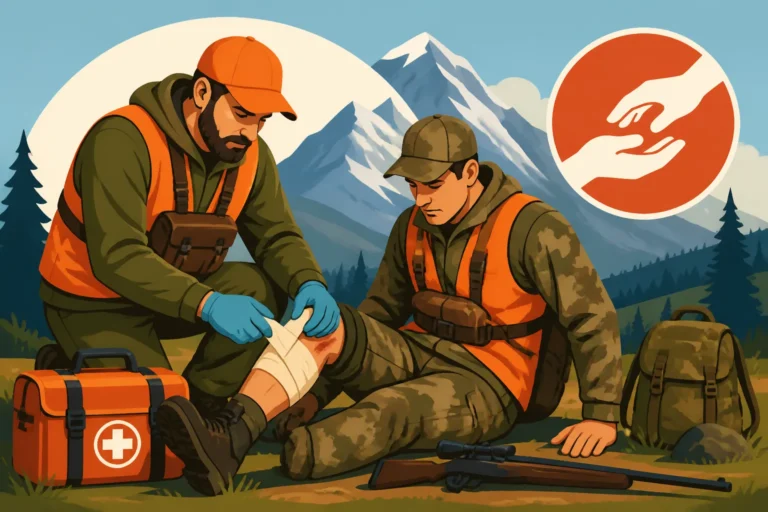
Another challenge can be less immediate support in an emergency or difficult situation. If you get turned around in the bush, have an issue with your equipment, or make a less-than-ideal shot on an animal, the response time and level of assistance might not be as rapid or comprehensive as if you had a dedicated guide by your side at all times. You are still largely responsible for your own safety and the successful recovery of game. While outfitters will always prioritize safety, the nature of a semi-guided hunt means you won't have constant direct supervision.
Lastly, it's important to remember that a semi-guided hunt still requires significant effort from the hunter. This isn't a relaxed vacation where someone else does all the heavy lifting. You'll likely be walking long distances, navigating challenging terrain, and putting in the hard work required to find and harvest an animal. If you're not prepared for this level of physical and mental engagement, a fully guided trip might be a more suitable choice. It's a blend that demands initiative and capability from the hunter, alongside the support from the outfitter.
Who is a Semi-Guided Hunt Best Suited For?
So, who exactly thrives on a semi-guided hunt in Alberta? This option really shines for experienced hunters who are new to Alberta's specific terrain, game species, or hunting regulations. Maybe you've hunted whitetails your whole life in the Midwest, but the vastness and unique challenges of Whitetail Hunting in Alberta are new. A semi-guided trip gives you that essential local intel and logistical framework to bridge the knowledge gap.
It's also an excellent choice for budget-conscious hunters who still want crucial advantages. If the cost of a full-service guide is prohibitive, but you'd feel overwhelmed navigating a new province's public lands on your own, a semi-guided package offers a powerful compromise. You save money while still benefitting from the outfitter's expertise, access, and support infrastructure.
Finally, it's perfect for hunters who cherish their independence but appreciate a safety net and a head start. If you love the challenge of the stalk, the thrill of making your own decisions, and the satisfaction of a self-earned harvest, but value the reassurance of a reliable base camp, game retrieval assistance, and expert advice, then semi-guided might be your ideal fit. It truly bridges the gap, giving you the best of both worlds. You can use resources like GoHunt or other online platforms to filter for outfitters that clearly delineate their semi-guided offerings to ensure a match for your hunting style.
Choosing the Right Semi-Guided Outfitter in Alberta
Selecting the right semi-guided outfitter is arguably more critical than choosing a fully guided one, precisely because the terms and expectations can be so fluid. Doing your homework and asking detailed questions will ensure your trip meets your expectations and provides the support you need for a successful and enjoyable hunt.
Due Diligence: Asking the Right Questions
Since "semi-guided" means different things to different outfitters, your primary task is to get crystal-clear on what's included and, just as importantly, what's not. Don't be shy; ask every question that comes to mind. Start with logistics: Will the outfitter pick you up from a specific location, or do you need to drive to their camp? What kind of daily transportation is provided to and from the hunting grounds? If you harvest an animal, what is the exact process for Getting a Moose Out With a Quad or retrieving a deer? Do they help quarter and bag it, or just transport it once it's at an accessible point?
Dig into the accommodation and food situation. Is it a wall tent, a cabin, or do you need to bring your own tent? Are cooking facilities provided? Are basic provisions included, or do you need to supply all your own meals? Clarify the level of guidance in the field. Will a guide spend an initial day scouting with you, or simply provide maps and general advice? How often will you check in with the outfitter or staff? Will they actively monitor game movement or just provide static information about the area? This is where an internal link like Choosing the Right Alberta Outfitter becomes invaluable, as it guides you through the process of vetting potential services. Always, always ask for references from past semi-guided clients. A reputable outfitter will be happy to provide them, and talking to previous hunters can give you an honest picture of the experience.
Communication is Key
I cannot stress this enough: communicate, communicate, communicate! Once you've chosen an outfitter, get every detail of your semi-guided package in writing. This isn't about distrust; it's about clarity and protecting both parties. A written agreement or detailed email exchange can prevent misunderstandings down the road. Confirm your start and end dates, the species you're hunting, the specific WMU (Wildlife Management Unit) if applicable, and a breakdown of all services and amenities included.
Discuss your hunting style and expectations openly with the outfitter. If you're a bowhunter, make sure they understand your needs, as they differ significantly from a rifle hunter's. If you have any physical limitations or specific preferences (e.g., you prefer still-hunting over sitting in a blind), convey those upfront. The more transparent you are about your abilities and desires, the better the outfitter can tailor their support and ensure a positive experience for everyone involved. Good communication ensures that both you and the outfitter are on the same page, leading to a much smoother and more enjoyable hunt.
Pricing and What to Expect
The cost of a semi-guided hunt in Alberta is generally significantly less than a fully guided one, but still more than a bare-bones DIY trip. Prices will vary wildly depending on the species (e.g., What an Alberta Moose Hunt Runs versus a deer hunt), the duration of the hunt, the remoteness of the area, and the specific inclusions in the package. A basic drop-camp semi-guided deer hunt might be quite affordable, while a semi-guided elk hunt in a more remote area with some food provisions could be substantially more.
Expect to pay a deposit upfront to secure your dates, with the balance typically due shortly before your hunt begins. Always clarify the cancellation policy – life happens, and you want to know your options. Be prepared for additional costs that are often not included, such as your hunting licenses and tags, travel to Alberta, meat processing, taxidermy, and tips for any staff that provide service. Understanding these variables will help you budget effectively and avoid any unpleasant surprises once you're on your trip. For a deeper dive into general costs, refer to What an Alberta Guided Hunt Costs or Alberta Day Rates Versus Full Packages to get a broader sense of the financial commitment involved with different outfitter services. Remember, a cheaper price isn't always a better deal if the services provided don't match your needs.
Disclaimer
This article is for general informational purposes only and does not constitute professional advice. Laws, prices and regulations vary by location and change over time. Consult a qualified professional for guidance on your specific situation.