Who Can Act as a Hunter Host
Many non-resident hunters dream of experiencing Alberta's incredible hunting opportunities, but the provincial regulations can feel like a thicket of rules, especially concerning who can accompany you in the field. One of the most common points of confusion revolves around the "hunter host" system. This guide will meticulously clarify exactly who can step into the vital role of a hunter host in Alberta, ensuring you understand the legal requirements, responsibilities, and benefits of this unique arrangement.
Understanding the Hunter Host System
Alberta's hunter host system is a cornerstone of its hunting regulations, designed to facilitate non-resident hunting while upholding conservation principles and ensuring local knowledge is shared responsibly. It's not just about having a buddy along for the ride; it's a formalized role with specific legal definitions and expectations.
The Rationale Behind the Host System
The provincial government implemented the hunter host system for several key reasons. Firstly, it encourages a connection between local residents and non-residents, fostering a deeper appreciation for Alberta's diverse landscapes and wildlife. Residents often possess invaluable local knowledge about game movements, access points, and ethical hunting practices that can greatly enhance a non-resident's experience and success. Secondly, it serves as a measure to manage hunting pressure and ensure compliance with regulations. A resident host, familiar with the local laws and land, acts as a crucial link, guiding the non-resident through the nuances of hunting in Alberta. This system helps prevent misunderstandings of rules that might lead to accidental violations and promotes responsible harvesting. It's a pragmatic approach to balancing tourism and hunting opportunities with ecological stewardship.
Basic Definition and Purpose of a Hunter Host
At its core, an Alberta hunter host is an Alberta resident who accompanies a non-resident hunter in the field. The key here is "accompanies" and "Alberta resident." This person isn't a paid guide, nor are they simply a hunting partner who happens to live in Alberta. Their primary purpose is to provide direct supervision, share their knowledge, and ensure the non-resident operates within the bounds of Alberta's hunting laws. This system allows non-residents, particularly those from other Canadian provinces or territories, to hunt certain big game species without needing to hire a licensed outfitter, as is mandatory for non-resident aliens on certain species. It offers a more accessible entry point to Alberta's hunting scene for many, promoting a shared outdoor experience rooted in camaraderie and education rather than purely commercial transaction. The host essentially acts as a local ambassador, helping the non-resident navigate everything from Finding Access on Alberta Crown Land to understanding species-specific regulations.
Who Qualifies to Be a Hunter Host in Alberta
The question of "Who can act as a hunter host" is often the first hurdle for non-residents looking to hunt in Alberta with a friend or family member. The criteria are quite specific, focusing on residency and active hunting status, to ensure the host is knowledgeable and accountable.
Residency Requirements for Potential Hosts
To be eligible as a hunter host, an individual must be an Alberta resident. This isn't just about owning property in Alberta or having a mailing address here; it refers to a specific legal definition within the hunting regulations. Generally, an Alberta resident is someone who has resided in the province for the immediately preceding twelve-month period. They must be able to prove this residency if asked, often through a valid Alberta driver's license, provincial identification card, or other official documents. This requirement ensures that the host has a genuine, established connection to the province, theoretically granting them a better understanding of local conditions, wildlife patterns, and the legal framework that governs hunting here. It prevents individuals from temporarily moving to Alberta or claiming residency solely for the purpose of hosting a hunt.
Active Hunter Status and Licensing
Beyond simply being an Alberta resident, a hunter host must also be an active, licensed hunter themselves. This means they must hold a valid Alberta's WIN Card and Wildlife Certificate, along with any general hunting licences required for the species and season they are hosting for. For example, if they are hosting a non-resident on a general deer hunt, the host must also be licensed for general deer hunting. This ensures the host isn't just a bystander but an active participant, familiar with current regulations, safety practices, and ethical hunting conduct. They are expected to set an example and provide guidance based on their own up-to-date hunting knowledge and experience. This prevents someone unfamiliar with hunting regulations or current practices from acting as a host, which could inadvertently lead to violations or unsafe situations.
Limitations on Hosting Non-Residents
While the hunter host system is generous, it does come with certain limitations designed to maintain control and prevent abuse. An eligible hunter host can only host a maximum of two non-resident hunters at one time. This limit ensures that the host can effectively supervise and guide all hunters under their care, maintaining safety and compliance. Furthermore, a non-resident cannot, under any circumstances, host another non-resident. The host must always be an Alberta resident. The host's role is strictly supervisory and supportive; they cannot receive payment for their services. Any exchange of money beyond shared expenses (like gas, food, or camp costs) would classify the activity as a commercial guiding service, requiring the host to hold appropriate outfitter and guide licenses, which is a completely different regulatory pathway. This distinction is crucial to maintaining the integrity of the hunter host system. Understanding these constraints is vital for anyone considering this role or seeking a host, especially when looking into different hunt options, whether through resources like BookYourHunt for guided options or general research on platforms like GoHunt for regulatory information.
Responsibilities and Legalities of an Alberta Hunter Host
Being a hunter host is more than just sharing camp and laughs; it comes with significant responsibilities. A host is not merely a companion but a crucial legal and ethical anchor for the non-resident hunter.
Direct Supervision and Guidance in the Field
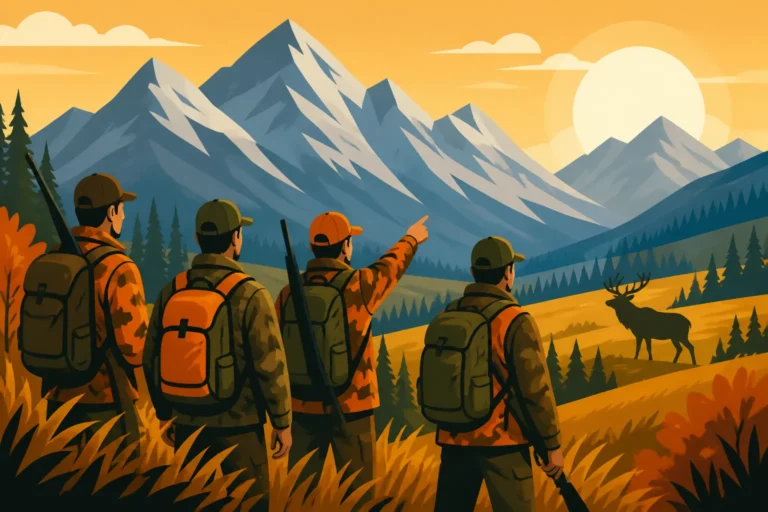
The most important responsibility of a hunter host is direct supervision. This means the host must be physically present and actively engaged with the non-resident hunter(s) at all times when hunting. They cannot drop off a non-resident and leave them to hunt alone, even if for a short period. The host is expected to provide guidance on everything from identifying legal game to understanding specific Wildlife Management Unit (WMU) boundaries and regulations. For instance, if hunting in an area with special antler point restrictions for mule deer, the host must ensure the non-resident is fully aware of these rules and helps them make a legal harvest decision. The host is responsible for knowing the local rules, such as those governing Hunting a Frozen Slough Crossing or Reading Whitetail Sign in Alberta Aspen Bluffs, and effectively communicating them. This active role ensures safety, ethical conduct, and compliance with all provincial hunting regulations, minimizing the risk of accidental violations.
Legal and Ethical Obligations
A hunter host carries significant legal and ethical obligations. Legally, they are responsible for ensuring their non-resident guest(s) adhere to all Alberta hunting regulations. If a non-resident commits a hunting offense while being hosted, the host can also be held accountable, particularly if it's determined they were negligent in their supervisory duties. Ethically, a host is expected to promote fair chase principles, responsible wildlife stewardship, and respect for the land and other users. This means ensuring proper field dressing and meat care, adhering to shooting hours, and obtaining Alberta Landowner Permission Law where required. A host should also be well-versed in Alberta Hunter Education Requirements and promote safe firearm handling at all times. Their conduct directly reflects on the broader hunting community and the non-resident's perception of hunting in Alberta. This is a profound responsibility that underlines the trust placed in Alberta residents to uphold the province's hunting heritage.
What a Host Cannot Be Without Further Licensing
It's critical to understand that a hunter host is not a licensed outfitter or guide. The Alberta regulations draw a clear line. A hunter host cannot:
- Charge for Guiding Services: As mentioned, any payment beyond shared direct expenses (like fuel, accommodation, food during the hunt) is prohibited. Receiving a fee for "guiding" makes it a commercial operation, which requires specific licensing.
- Be a Commercial Operator: The host system is for personal, non-commercial arrangements, typically between friends or family. It's not a backdoor way for someone to operate a hunting business without the proper permits and insurance.
- Guide Non-Resident Aliens for Mandatory Guided Species: For certain species, like Bighorn Sheep, Mountain Goat, and Cougar, non-resident aliens (hunters from outside Canada) must be accompanied by a licensed outfitter/guide. A hunter host cannot fulfill this role, regardless of their experience or knowledge. This is a key distinction elaborated upon in When You Must Hunt With a Guide. Even for other species, if a non-resident alien wishes to hunt without an outfitter, they still need a hunter host, but the specific species mentioned are always outfitter-only for them.
The distinction is paramount for both hosts and non-residents to avoid inadvertently breaking the law.
Hunter Host System Versus Guided Hunts
Understanding the difference between utilizing a hunter host and booking a fully guided hunt is critical for non-residents planning an Alberta adventure. Each option offers a distinct experience with different implications for cost, service, and legal requirements.
Key Differences in Service and Cost
The most obvious difference lies in the nature of the service and the associated costs. A hunter host, by law, cannot charge for their services beyond shared expenses. This means a hunter-hosted trip is typically a much more budget-friendly option, essentially a "DIY" hunt with local assistance. You're responsible for your own gear, transportation to Alberta, and generally setting up your own camp or accommodations. The host provides the in-field supervision and local knowledge. In contrast, a fully guided hunt involves hiring a licensed outfitter or guide. This is a commercial service where you pay for expertise, logistics, and often accommodations, meals, and specialized equipment (like horses for mountain hunts). Outfitters handle everything from transport within the hunting area to game retrieval, providing a comprehensive, often luxurious, experience. The cost difference is substantial; guided hunts come with a professional fee, whereas host-assisted hunts rely on mutual friendship and shared costs. You can learn more about these financial aspects in What an Alberta Guided Hunt Costs.
When a Guide is Mandatory for Non-Residents
While a hunter host is a fantastic option for many non-resident Canadian hunters, there are specific scenarios where hiring a licensed guide or outfitter is not just recommended, but legally mandatory. This applies primarily to non-resident aliens (individuals who are not Canadian citizens or permanent residents) hunting certain big game species. For these hunters, a licensed outfitter must be used for:
- Bighorn Sheep
- Mountain Goat
- Cougar
This regulation is firmly in place to manage specific populations, ensure safety in challenging terrain, and provide a higher level of oversight for international hunters. For all other big game species, a non-resident alien may use a hunter host. Hunters from other Canadian provinces or territories are generally considered "non-residents" (not "non-resident aliens") and typically have more flexibility, being able to hunt most species with a hunter host or a guide. The table below summarizes these key differences in access.
| Feature | Hunter Host System | Licensed Outfitter/Guide Service |
|---|---|---|
| Who Can Host/Guide | Alberta Resident (18+ years, active hunter) | Licensed Alberta Outfitter, Employed Registered Guide |
| Client Type Served | Non-resident (Canadian) & Non-resident Alien | Non-resident (Canadian) & Non-resident Alien |
| Payment for Service | Cannot accept payment (only shared expenses) | Charges a professional fee for services |
| Services Typically Included | In-field supervision, local knowledge, companionship, shared camp costs | Guiding, accommodations, meals, transport in zone, game retrieval, often includes processing prep |
| Mandatory for Non-Resident Aliens | No, unless for species not listed below | Yes, for Bighorn Sheep, Mountain Goat, Cougar |
| Primary Purpose | Facilitate accessible hunting for non-residents, knowledge transfer | Professional hunting experience, higher success potential, logistics handled |
Benefits and Drawbacks of Each Approach
Both hunter-hosted and guided hunts have their unique advantages and disadvantages.
Hunter Host Benefits:
- Cost-Effective: Significantly cheaper due to no guide fees.
- Personal Connection: Often a hunt with friends or family, fostering deeper camaraderie.
- Flexibility: More freedom to plan the hunt to your specific preferences.
- Authentic Experience: A more raw, hands-on, and often "local" hunting experience.
Hunter Host Drawbacks:
- Logistical Burden: You're responsible for most planning, gear, and travel.
- No Guarantee of Success: Relies on the host's knowledge and your own skills; no professional "success rates."
- Limited Services: No camp staff, chefs, or extensive infrastructure.
- Legal Responsibility: The host bears significant legal responsibility for your actions.
Guided Hunt Benefits:
- Expert Knowledge: Guides are professionals with extensive experience in their allocated areas.
- Logistics Handled: From camp setup to game retrieval, most details are managed for you.
- Higher Success Rates: Often boast higher harvest probabilities due to guide expertise and resources.
- Comfort and Amenities: Many outfitters offer comfortable lodging, good food, and other amenities.
- Legal Compliance: Guides are well-versed in regulations, minimizing legal risks for the client.
Guided Hunt Drawbacks:
- High Cost: Significant financial investment.
- Less Flexibility: Hunts are structured around the outfitter's schedule and methods.
- Less "DIY" Feel: Can feel less like a personal achievement for some hunters.
- Booking Lead Times: Popular outfitters often book years in advance.
The choice really comes down to your budget, desired level of service, and the type of hunting experience you're seeking.
Finding and Working with a Hunter Host
Once you understand what a hunter host is, the next step is often finding one and building a productive relationship. This isn't always straightforward, but with the right approach, it can lead to fantastic hunting memories.
How to Connect with Potential Hosts
Finding a hunter host typically relies on personal networks and trust. The most common and often best way is through existing friendships or family connections within Alberta. If you have relatives or close friends who are active hunters in Alberta, they are your best first avenue. They already know you, understand your hunting style, and likely share similar values regarding the outdoors. Beyond that, the process becomes more about networking within the hunting community. Online hunting forums specific to Alberta or Canada can sometimes facilitate connections, but extreme caution is advised. Always prioritize getting to know someone personally before committing to a hunt. Attending hunting conventions or events in Alberta (if you're able to travel beforehand) might also open doors to meeting local hunters. Remember, the host-hunter relationship is built on mutual respect and shared passion, not a transactional arrangement. While you might use platforms like BookYourHunt to explore commercial guiding options, finding a host is a much more organic, interpersonal process. The best way to approach someone about hosting is with genuine interest in sharing a hunting experience, not just as a means to get a tag. You could research general Alberta hunting topics on sites like GoHunt to become more familiar with the province, which might help you connect with like-minded individuals.
Establishing Clear Expectations Before the Hunt
This step is absolutely vital for a successful hunter-host relationship. Before you even set foot in Alberta, have open, honest, and detailed conversations with your prospective host. Discuss everything:
- Species and WMU: What species will you be hunting? Which WMU(s)? What are the specific regulations for those areas and species, including antler point restrictions or draw-only status?
- Hunt Style: Will it be still-hunting, stand hunting, spot and stalk? What are each person's physical capabilities and expectations? If the host knows you're expecting a Backpacking Into Alberta Sheep Country experience when they're planning a more relaxed Hunting a Shelterbelt Between Two Fields hunt, there will be issues.
- Expenses: Clearly outline how shared costs (fuel, food, camp fees, potentially some gear) will be handled. Confirm that no payment for the host's time or services will be exchanged, as this is illegal.
- Accommodation and Gear: Where will you stay (camp, lodge, host's home)? What gear do you need to bring, and what will the host provide (e.g., call, decoys, ATV access)?
- Safety Protocols: Discuss firearm safety, emergency procedures, and what to do if someone gets lost or injured.
- Meat and Trophy Care: Who is responsible for field dressing, quartering, and transportation of game? Discuss options for Meat Care in Alberta's Cold and Warm Swings and potential taxidermy or butcher services.
- Roles and Responsibilities: Reiterate the host's legal responsibility for supervision and your responsibility to follow their guidance and all regulations.
A written agreement or a detailed email outlining these discussions can prevent misunderstandings down the road. This also ensures both parties understand their roles, as detailed in What a Hunter Host Is Responsible For.
Building a Successful Host-Hunter Relationship
A strong host-hunter relationship is built on trust, respect, and clear communication. The non-resident should be prepared to be flexible, listen to the host's advice, and contribute positively to the overall experience. Offer to help with camp chores, scouting, or carrying gear. Demonstrate genuine interest in learning about Alberta's wildlife and hunting culture. For the host, patience and clear communication are key. Remember that the non-resident may not be familiar with local terrain, animal behavior, or specific regulations. Take the time to explain things thoroughly. Both parties should prioritize safety, ethical hunting, and, above all, enjoying the shared experience in the outdoors. A successful hunt isn't always about filling tags; it's about the memories made, the lessons learned, and the friendship forged, whether you're Hunting a Cutline Intersection for Whitetails or Glassing an Alberta Coulee for Mule Deer.
Common Misconceptions and Best Practices
Navigating the hunter host system can be confusing, and several common misconceptions can lead to issues. Understanding these and adopting best practices will ensure a legal, ethical, and enjoyable hunt.
Avoiding Common Pitfalls
Many non-resident hunters, and sometimes even residents, misunderstand the true nature of the hunter host system. One major pitfall is the belief that a host is simply a free guide. This is incorrect and can lead to serious legal trouble if any form of direct payment for guiding services is exchanged. Remember, shared expenses are fine, but payment for time or expertise is not. Another common error is underestimating the host's legal responsibility. The host is accountable for the non-resident's adherence to all regulations, so treating them as a casual acquaintance who just happens to be there is a mistake. Similarly, assuming a host will handle all logistics is another pitfall; this is a partnership, not a paid service. Don't assume your host knows everything about every obscure regulation either; Where to Read Alberta's Hunting Regulations is publicly available, and both parties should be familiar with the rules, even if the host is the primary interpreter.
Ensuring a Legal and Ethical Hunt
The bedrock of any successful hunting trip in Alberta, especially one involving a hunter host, is strict adherence to legal and ethical standards. Always carry all required licences and permits, including your Alberta Resident Deer Licence Cost (for the host) and your non-resident equivalent. Ensure all firearms are transported legally and safely, and understand the rules regarding Transporting Firearms Into Alberta. Familiarize yourself with daily bag limits and season dates for your specific WMU. If a harvest is made, understand the requirements for Alberta Tag Attachment and Cancellation Rules and Reporting a Harvest in Alberta. The host should be proactive in discussing these aspects, and the non-resident should be attentive and ask questions. Ethical hunting also means respecting wildlife, minimizing waste (e.g., Rules on Wasting Game Meat), and respecting private property boundaries, always understanding Alberta's Recreational Access Mapping Tool for public land or getting explicit permission for private land.
Maximizing Your Alberta Hunting Experience
Beyond the legalities, a hunter-hosted trip offers a unique opportunity to immerse yourself in Alberta's diverse hunting culture and stunning landscapes. To truly maximize the experience:
- Be Prepared: Physical fitness, appropriate gear for Alberta's often unpredictable weather (especially if Hunting Alberta Winter Weather Safely), and proficiency with your weapon are crucial.
- Communicate Constantly: Talk with your host about observations, plans, and concerns. Clear communication prevents misunderstandings.
- Be a Good Guest: Offer to help with chores, be respectful of your host's time and knowledge, and contribute positively to the camp atmosphere.
- Embrace the Learning: The host system is an incredible chance to learn from someone with local expertise. Ask questions, observe, and soak in the knowledge.
- Focus on the Experience: While harvesting an animal is often the goal, the camaraderie, the time spent outdoors, and the pursuit itself are often the most rewarding parts of a hunt. Whether you're Hunting a Boreal Muskeg Edge or Walking Up Sharp-Tailed Grouse in Alberta, cherish every moment.
A well-planned and ethically executed hunter-hosted hunt in Alberta can create lifelong memories and foster enduring friendships.
Disclaimer
This article is for general informational purposes only and does not constitute professional advice. Laws, prices and regulations vary by location and change over time. Consult a qualified professional for guidance on your specific situation.