Hunting a Boreal Muskeg Edge
The vast, sometimes impenetrable, boreal forest of Alberta presents a unique challenge for hunters, especially when you find yourself staring at a sea of marshy muskeg. It’s easy to feel defeated, wondering where any animal could possibly move, let alone bed down or feed. But the truth is, these challenging landscapes hold incredible opportunities if you know how to read them. This guide will help you decipher the secrets of hunting a boreal muskeg edge, transforming frustration into strategic success.
Understanding the Boreal Muskeg Ecosystem
Muskeg, often a mix of sphagnum moss, stunted black spruce, tamarack, and standing water, can seem like an unproductive wasteland at first glance. However, it's a vital component of the boreal ecosystem, offering unique advantages to wildlife and, by extension, the discerning hunter. It's not about hunting in the muskeg, but rather understanding its role and how animals interact with its edges.
What Makes Muskeg Unique for Wildlife?
Think of muskeg as the boggy, sponge-like heart of the northern forest. These wetlands are often acidic, nutrient-poor, and notoriously difficult to traverse. This inherent difficulty is precisely what makes them valuable to wildlife. For species like moose, the dense, wet terrain provides a natural refuge from predators and human disturbance, especially in areas with higher hunting pressure. They can disappear into these soggy depths, finding security where few others dare to follow. Furthermore, certain plants that thrive in these conditions, such as willow and various sedges, offer crucial browse for moose, particularly during the summer months and early fall. Black bears also frequent muskeg, using the cover for denning and foraging for berries that ripen along the slightly drier margins or on the scattered islands of timber within. Even whitetails and mule deer, though less common deep within, will utilize the edges for security and travel routes.
The water itself is another draw. During dry spells, muskeg can retain moisture longer than surrounding uplands, providing essential water sources for all manner of game. Insects thrive in these wet environments, which in turn supports bird populations and provides a food source for bears. While it might not be a deer's primary bedding area, it's certainly a place of refuge and a source of sustenance that often goes overlooked by hunters focused solely on dry timber. Understanding what game animals prefer specific aspects of the muskeg throughout the year is key to maximizing your chances.
The Edge Effect: Why it Matters
The real magic happens where the muskeg meets more solid ground—the "edge." This transition zone, where the wet, open bog gives way to denser timber, higher ground, or a different vegetation type, is an ecological hotspot. This is where multiple habitats merge, providing an abundance of resources and creating natural travel corridors. Animals, including those that might not spend much time in the muskeg, will often use these edges as highways to move between feeding areas, bedding grounds, and water sources.
For a hunter, the edge effect is paramount. It funnels game. Imagine a vast, uniform block of timber; animals can move in any direction. Now, introduce a massive, uncrossable muskeg swamp. Suddenly, all movement along that side of the timber is concentrated along the interface where the two terrains meet. These edges become pinch points, natural funnels that dictate animal movement. Look for edges where the muskeg abruptly changes to mature conifer stands, aspen bluffs, or even man-made features like old logging roads or cutlines. These are the places where you'll find the highest concentrations of tracks, rubs, and droppings, indicating consistent travel. Learning to identify these productive edges is the first step in successful boreal hunting. You might even find yourself Hunting a Cutline That Ends in Timber as part of your overall strategy.
Scouting for Success Along the Muskeg Edge
Scouting is paramount when hunting the boreal muskeg edge. This isn't the kind of country you just wander into and hope for the best. Precision and understanding of the landscape will be your greatest assets. Knowing where to look, what signs to interpret, and how to use modern tools can make all the difference.
Reading the Terrain: Identifying Productive Edges
When you're looking at a map or walking the land, not all muskeg edges are created equal. You're searching for those specific transitions that funnel game effectively. High ground that abuts the muskeg is a prime location, as animals will often seek out the drier footing and better vantage points it offers while remaining close to the security and browse of the wetland. Look for fingers of timber that extend into the muskeg, or slight rises where the vegetation changes from bog plants to more robust trees like spruce or pine. These small variations can create a significant difference in animal comfort and travel patterns.
Pay close attention to where distinct habitat types meet. For example, a sharp line where a dense stand of black spruce gives way to open muskeg is far more likely to be a travel corridor than a gradual, patchy transition. Old burns or areas that have been logged can also create new edges that quickly become productive. While these areas might look chaotic, new growth provides abundant food, and the distinct boundary with the muskeg creates clear travel lanes. Think about what offers cover, food, and safe passage simultaneously. Understanding these elements can help you identify areas like Hunting a Muskeg Island of Timber, where animals might concentrate.
Signs and Tracks: What to Look For
Once you've identified potential productive edges, it's time to get boots on the ground (or at least as close to the ground as the muskeg allows!). The signs animals leave behind are your most reliable indicators. Along the dry side of the muskeg edge, look for well-worn trails. These aren't always super obvious paths; sometimes they're just subtle depressions in the duff or lines of broken branches. Moose, with their heavy bodies, often leave very distinct trails, even through soft ground. You might even find them using these trails as they move towards prime areas for Calling Moose in Alberta's Boreal Forest.
Specific signs to seek out:
- Tracks: Fresh tracks are gold. Moose tracks are large and unmistakable. Whitetail and mule deer tracks will be smaller but look for consistent paths. Black bear tracks indicate their presence, and they often use these edges for foraging.
- Rub Lines: Look for trees, especially smaller saplings, that have been rubbed by antlers. This indicates bucks and bulls moving through, often during the rut.
- Scrapes and Licks: While less common directly on the wettest edge, scrapes might be found on the drier ground adjacent, particularly for deer. Natural mineral licks can also draw animals to specific parts of the edge.
- Droppings (Scat): Fresh droppings tell you what animals are using the area and how recently they've been there. Moose droppings are typically pellet-shaped, while bear scat can vary greatly depending on their diet (often full of berries in late summer/fall).
- Browse: Evidence of feeding, such as nipped branches (moose love willow and aspen) or disturbed ground (bears digging for roots or grubs), confirms a regular food source.
Don't be afraid to get a little dirty. Sometimes the best signs are found just barely off the main edge, where animals feel most secure.
Using Technology: Tools for Boreal Scouting
Modern technology can significantly enhance your muskeg edge scouting efforts, saving you time and effort in this often challenging terrain. Satellite imagery, topographical maps, and GPS devices are invaluable.
Start your scouting process at home with a mapping app like GoHunt or similar tools. These platforms offer detailed satellite imagery that can reveal subtle elevation changes, timber transitions, and the extent of muskeg areas. Look for patterns:
- Green-Up: Areas that show a distinct green-up earlier or later than surrounding terrain can indicate different soil types or moisture levels, which in turn suggest varying vegetation and animal preferences.
- Tree Lines: Identify where dense timber gives way to open bog. Trace these lines, as they often represent natural travel corridors.
- Natural Funnels: Look for narrow sections of timber or higher ground that pinch down between two muskeg areas. These are high-percentage ambush points.
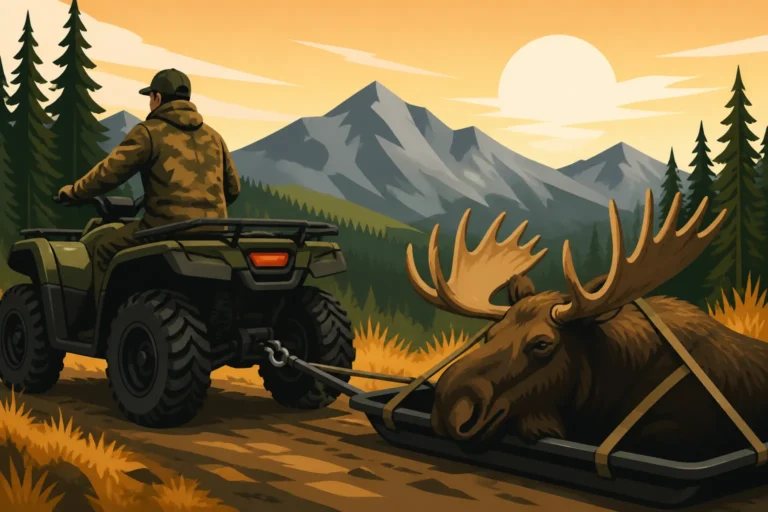
- Old Roads/Cutlines: Overlay historical maps or look for faint lines on satellite imagery that might indicate old seismic lines or logging roads. These often provide easier access into otherwise impenetrable areas and create linear edges that game animals frequently use. Consider how these routes might facilitate Getting a Moose Out With a Quad should you be successful.
Once you have identified potential spots, mark waypoints on your GPS or phone app. This is crucial in the featureless boreal forest, where it's easy to get disoriented. When you're on the ground, use your GPS to confirm your location relative to the features you identified on the map. This iterative process of virtual scouting followed by on-the-ground confirmation allows you to efficiently cover large areas and pinpoint the most promising spots without unnecessary effort. Some hunters even use GoHunt to overlay land ownership maps, ensuring they are always aware of public and private land boundaries, especially relevant when hunting in areas near Alberta Crown Land.
| Sign Type | Best Game Indication | What it Tells You | Optimal Timing |
|---|---|---|---|
| Fresh Tracks | Moose, Whitetail, Bear | Recent animal presence, travel patterns | Always relevant, especially after rain/snow |
| Rub Lines | Moose, Whitetail, Mule Deer | Bucks/Bulls present, often during rut, travel routes | Pre-rut and rut seasons |
| Scrapes | Whitetail | Buck activity, communication, breeding interest | Pre-rut and early rut |
| Droppings (Scat) | All species | Recent feeding/travel, diet (berries, browse) | Year-round, freshness indicates recent activity |
| Browse/Feeding | Moose, Bear, Deer | Food sources, consistent feeding areas | Especially visible during growing seasons |
| Worn Trails | All species | Established travel corridors, frequent use | Year-round, confirms high traffic areas |
Hunting Strategies for the Muskeg Edge
Hunting the muskeg edge demands a thoughtful approach. You're not just looking for an animal; you're looking for an animal using the edge, and your strategy needs to reflect that. Whether you prefer to sit and wait or actively pursue, adapting to the unique characteristics of this environment is key.
Stand Placement and Ambush Tactics
For static hunting, the muskeg edge presents excellent opportunities for stand placement, especially if you've identified a well-used travel corridor or a pinch point. The goal is to position yourself downwind of where you expect the animals to appear, taking advantage of their natural movement patterns along the edge.
- Wind Direction: This is non-negotiable. Always hunt with the wind in your face or quartering away from the muskeg. Animals will almost always approach from the muskeg side or parallel to it, so having your scent blow into the bog or away from their approach path is critical. The consistent wind patterns in open areas adjacent to muskeg can sometimes be predictable, but always check it on site.
- Natural Obstacles: Look for large blowdowns, dense thickets, or slight rises that can obscure your approach and hide your stand. The goal is to blend seamlessly into the environment.
- Access Routes: Plan your entry and exit paths carefully. You want to be able to get to your stand without disturbing the area you plan to hunt. This might mean walking a longer route around the downwind side of the muskeg or using a less-used old road. Silence is golden.
- Escape Routes: Consider where the animals will go if they detect danger. If your stand is placed to intercept them before they reach a dense bedding area in the timber, you increase your chances.
- Shooting Lanes: Clear a few strategic shooting lanes before the season, ensuring you have clear lines of sight to potential travel paths along the edge. However, don't over-trim and make your presence obvious.
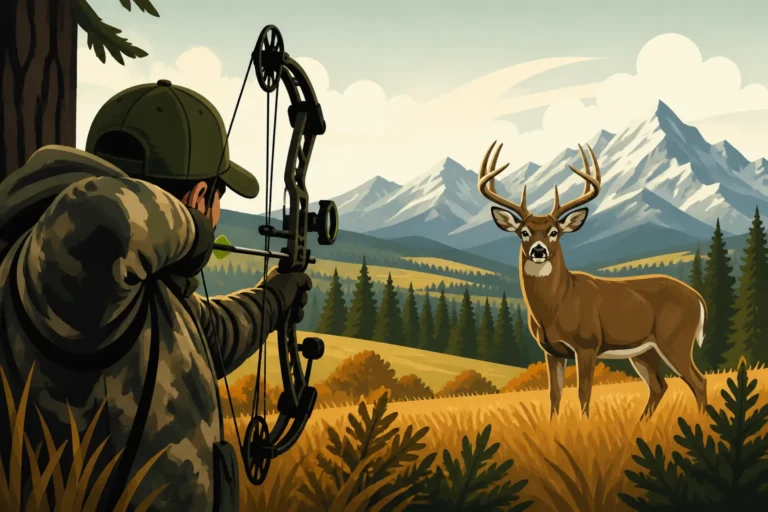
For moose, consider a ground blind set up in dense cover along an active trail. For deer, a treestand overlooking a scrape line or rub route where a timber finger meets the muskeg can be incredibly effective. Remember that animals using these edges are often more alert due to the transition, so minimizing your profile and movement is extra important.
Still-Hunting and Stalking Techniques
Actively still-hunting or stalking along the muskeg edge can be very productive, especially during the rut when animals are more on the move, or when searching for bedded game in secure areas. This method requires extreme patience, quiet movement, and constant awareness.
- Slow Movement: Think in inches, not feet. Take one step, pause, look, listen, and then take another. Use binoculars constantly to pick apart the cover along the edge. The boreal forest is incredibly dense, and animals blend in perfectly. You might be able to incorporate this into Hunting a Frozen Slough Crossing during late season.
- Noise Reduction: Wear quiet clothing. Pay attention to every footfall. Avoid snapping twigs or crunching leaves. The soft, mossy ground near the muskeg can sometimes offer surprisingly quiet footing, but pockets of dry, brittle leaves can ruin a stalk instantly.
- Scent Control: Always hunt into the wind. This is even more crucial when moving, as your scent cone is constantly shifting. Use scent-eliminating sprays or ozone generators if you're a believer, but nothing beats proper wind management.
- Reading the Land: As you move, continuously assess the terrain. Where would you bed if you were a moose or deer? Where are the natural escape routes? Anticipate animal movement. Keep the muskeg to one side of you as you parallel it, using its openness to your advantage for scanning, while the timber side provides cover for your approach.
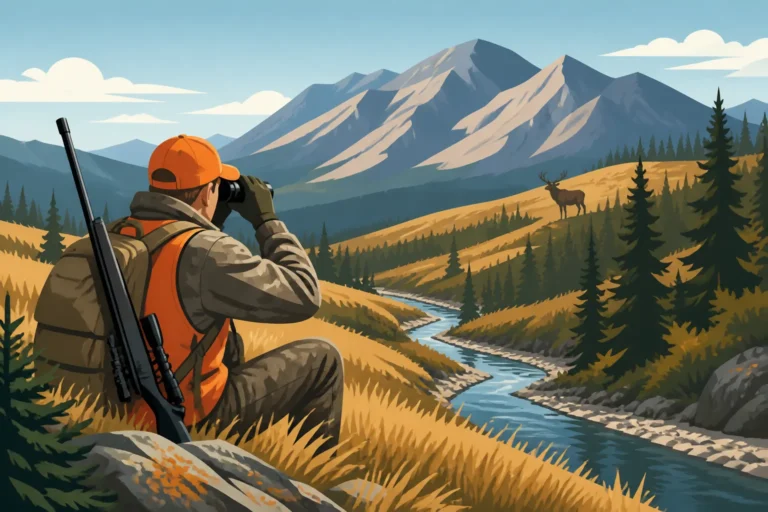
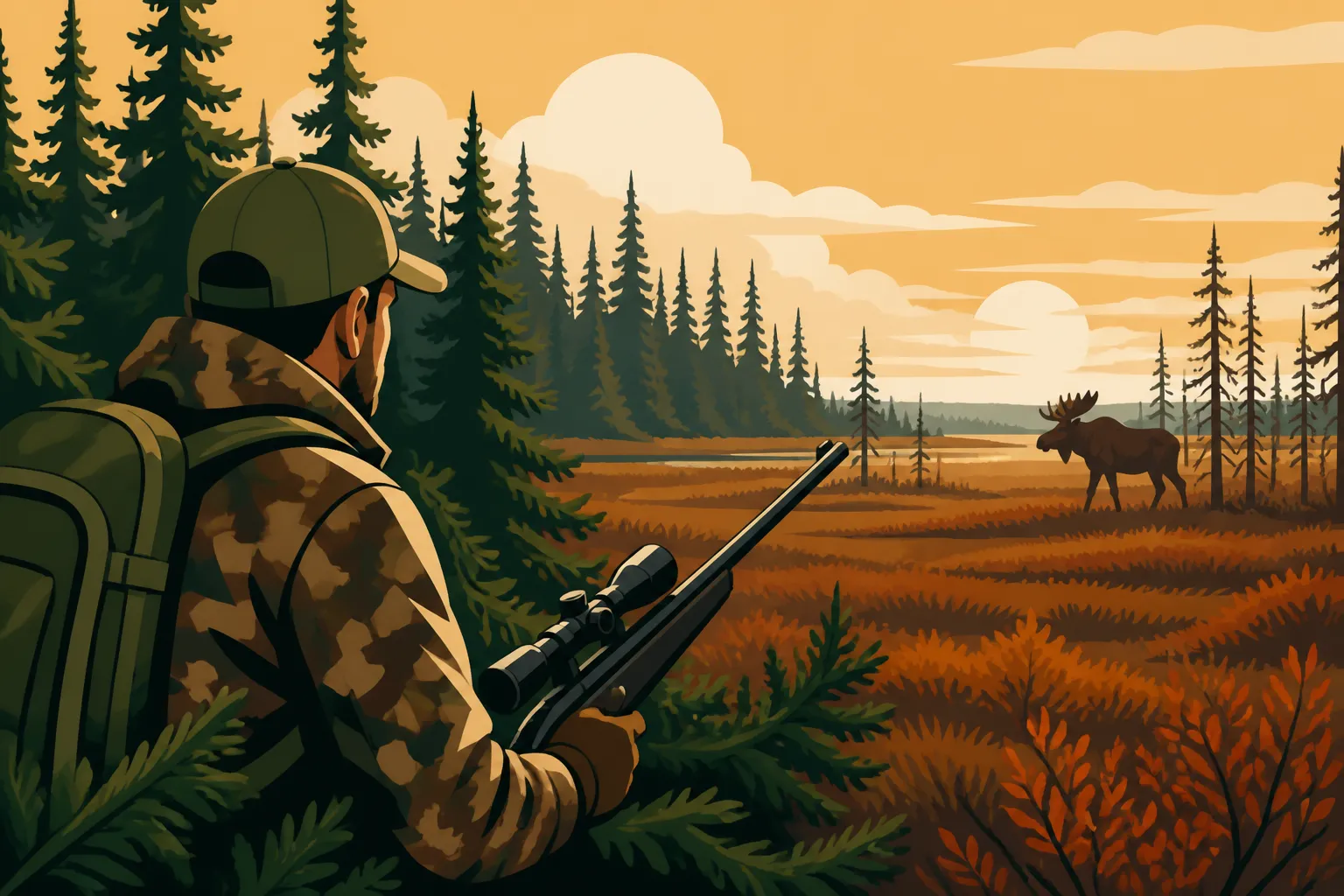
- Glassing: Use your binoculars to scan the muskeg itself. Moose will often feed out in the open bog, especially in the early morning or late evening. A good pair of binos will help you spot them from a distance before they spot you.
Still-hunting the edges of muskeg can be challenging, but it allows you to cover more ground and react to fresh sign as you encounter it. It’s a game of chess, anticipating your quarry's next move.
Calling and Rattling Near the Edge
The muskeg edge is an exceptional location for calling and rattling, especially for moose and whitetails. The unique acoustics and travel patterns make these tactics highly effective.
- Moose Calls: The boreal forest is moose country, and the edges of muskeg are prime real estate for them. Cow calls (long, drawn-out moans) can be incredibly effective, especially during the September and October rut. Set up on the timber side of the edge, with the wind blowing into the muskeg. Call, then wait. A bull might be out in the bog or just inside the timber, using the dense cover for security. He might circle downwind, so be prepared for him to approach from unexpected angles. Combine cow calls with bull grunts, or even rake a small tree with a shoulder bone or paddle to simulate a bull Raking Brush to Bring in a Bull. The openness of the muskeg means sound can carry, but also means a bull can be heard coming from further away.
- Deer Calls: Whitetails, though perhaps less common than moose directly on the edge, will certainly use these corridors. Grunt calls, especially during the rut, can draw in curious bucks. Again, position yourself for a downwind approach, often from the timber into the edge. Fawn bleats can sometimes bring in does or even curious bucks during early season. Consider using rattling antlers when hunting in the parkland adjacent to boreal zones, as mentioned in Rattling Volume in Open Parkland.
- Bear Attractants: For black bears, baiting is a common method in Alberta, and a muskeg edge can be an ideal location for a bait site. The natural cover and seclusion offered by the adjacent timber, combined with the difficulty of access for other hunters, makes it a secure spot. Just ensure your bait site adheres to all Alberta hunting regulations, including distance from roads and residential areas. Bears often use these edges as travel routes, so a well-placed bait can intercept them naturally. Remember to check local regulations carefully regarding baiting, as rules can vary.
When calling, remember the "less is more" principle. Overcalling can sometimes spook wary animals. Patience after a series of calls is often rewarded. Let the animal decide if it wants to investigate.
Essential Gear for Muskeg Edge Hunting
Hunting along a boreal muskeg edge isn't like a walk in the park. The environment is demanding, and your gear needs to be up to the task. The right equipment won't just make you more comfortable; it will directly impact your safety and success.
Footwear and Clothing for Wet Conditions
The single most critical gear consideration for muskeg edge hunting is waterproofing, especially for your feet. There's no escaping the wetness.
- Rubber Boots: Forget your fancy leather hikers. A good pair of knee-high or even hip-wader rubber boots with aggressive traction is essential. Look for insulated models if hunting during cooler months, as standing water can quickly draw heat from your feet. Brands like Muck Boots, LaCrosse, or Bogs are popular choices for their comfort and durability in wet conditions. Ensure they fit well, as ill-fitting boots can cause blisters on long treks.
- Waterproof Pants/Rain Gear: Even if it's not actively raining, brush and low-hanging branches will be soaked from dew or recent precipitation. Waterproof hunting pants or full rain gear (jacket and pants) will keep you dry and comfortable. Look for breathable options to prevent overheating when moving. Layering is key, as conditions can change rapidly in the boreal forest. You might start a morning with frost and end up sweating by midday.
- Moisture-Wicking Layers: Underneath your waterproof outer layers, wear moisture-wicking base layers made of merino wool or synthetic materials. Avoid cotton, as it absorbs moisture and loses its insulating properties when wet, leading to hypothermia in cooler temperatures. Layer strategically so you can shed or add clothing as your activity level and the temperature change. This is critical for staying comfortable and safe when facing Hunting Alberta Winter Weather Safely or milder fall conditions.
- Gloves and Headwear: Always have waterproof gloves and a warm hat, even if the forecast seems mild. Your extremities are where you lose the most heat, and cold, wet hands can quickly ruin a hunt.
Being prepared for the wet means you can focus on the hunt, not on being miserable.
Navigation and Safety Considerations
The boreal forest, with its uniform timber and sprawling muskeg, can be incredibly disorienting. Reliable navigation and safety gear are non-negotiable.
- GPS Device/Satellite Communicator: A dedicated handheld GPS unit or a smartphone with robust mapping apps (like GoHunt) and downloaded offline maps is essential. Mark your truck, your stand sites, and any important landmarks. However, battery life on phones can be an issue in cold weather or with heavy use. A satellite communicator (like a Garmin inReach or Zoleo) provides two-way messaging and an SOS function, even when outside of cell service, which is common in the Alberta bush. This is a critical piece of gear for personal safety, especially if you're Hunting a Quarter Section You Just Got deep in the backcountry.
- Compass and Map: Always carry a physical compass and a waterproof topographical map of your hunting area as a backup. Batteries die, electronics fail. Knowing how to use them can literally save your life.
- First-Aid Kit: A comprehensive first-aid kit, tailored for wilderness use, is crucial. Include supplies for cuts, blisters, sprains, and any personal medications.
- Fire Starting Kit: Always carry multiple ways to start a fire (lighter, waterproof matches, ferro rod) and some tinder. A fire can provide warmth, dry clothes, signal for help, and be a morale booster in an unexpected overnight situation.
- Headlamp/Flashlight: With spare batteries. The days can be short, and you might find yourself packing out game in the dark.
- Whistle: Three short blasts are a universal signal for distress.
- Bear Spray: Always carry bear spray, especially in areas with dense cover and high bear populations. Know how to use it, and have it readily accessible. This is bear country, and safety is paramount.
Never underestimate the Canadian wilderness. Being prepared for the unexpected is part of being a responsible hunter.
Packing Out Considerations
If you're successful in hunting the muskeg edge, the real work begins: getting your game out. This terrain presents unique challenges.
- Game Cart/Pack Frame: For deer or smaller game, a sturdy game cart can be invaluable on relatively dry trails or old seismic lines leading out. However, if your animal is deep in the muskeg or across extremely soft ground, a pack frame will be your best friend. Breaking down a larger animal like a moose into quarters to be carried out on a frame is often the only feasible option in this terrain.
- Sharp Knives and Bone Saw: Ensure you have multiple sharp knives and a bone saw for efficient field dressing and quartering. You'll want to get the meat cooled down quickly, especially if the weather is mild. For larger animals, consider how to manage Meat Care in Alberta's Cold and Warm Swings.
- Game Bags: Breathable game bags are essential for protecting meat from dirt, insects, and drying out. Choose sturdy bags that can withstand rough handling.
- Ropes/Pulley System: For larger animals, a small pulley system can make lifting and hanging quarters easier, especially when working alone. Sturdy ropes are also useful for dragging parts of an animal or securing it to a pack frame.
- Water and Snacks: Packing out a large animal is physically demanding. Bring plenty of water and high-energy snacks to keep yourself fueled.
The challenge of getting an animal out of muskeg country is a significant deterrent for many hunters, but with the right preparation and gear, it’s a manageable feat. Focus on ethical and efficient meat recovery.
Disclaimer
Hunting is an activity with inherent risks. This article provides general information and recommendations. Always consult the most current Alberta hunting regulations and local laws before venturing out. Safety, ethics, and respect for wildlife and the land must be your top priorities.