Getting a Moose Out With a Quad
You’ve done it. After hours, days, or even weeks tracking through Alberta’s dense bush or wide-open spaces, you’ve finally put down a magnificent bull or cow moose. The initial rush of success is exhilarating, but then the reality sets in: that’s a lot of meat, often in some seriously remote country. Getting a moose out of the wild with a quad isn’t just about having the right machine; it’s a strategic operation that demands careful planning, the right gear, and a healthy dose of realistic expectations. This guide is all about helping you tackle that monumental task safely and effectively, ensuring your hard-earned meat makes it home.
The Pre-Hunt Planning for Quad Recovery
The biggest mistake hunters make when it comes to game recovery is waiting until the animal is on the ground to think about it. For a moose, especially in Alberta’s rugged and often remote terrain, planning your extraction strategy is just as crucial as your hunting strategy. This foresight will save you immense effort, time, and potential headaches when the moment of truth arrives.
Understanding Access and Regulations
Before you even step foot in your chosen Wildlife Management Unit (WMU), you need to be intimately familiar with the access rules and regulations regarding quad use. Alberta has a complex mosaic of land types, from Crown Land and Public Land Use Zones (PLUZs) to private agricultural land and grazing leases, each with its own set of rules for motorized vehicle access. Some areas might allow quads on designated trails only, while others might permit cross-country travel or have strict seasonal restrictions. Ignoring these rules can lead to hefty fines, loss of your vehicle, and even jeopardizing future hunting privileges.
For instance, in many of Alberta's Green Area WMUs, while you might find a robust network of cutlines and seismic lines, not all of them are open to motorized use. Always check the specific regulations for the WMU you're hunting in. The provincial government's recreational access mapping tools are invaluable for this. They often delineate areas where quads are permitted, restricted, or outright prohibited. Consider also how far off designated routes you might need to go. If your moose drops a significant distance from any accessible trail, you might need to consider alternative methods like pack frames for the initial haul to an accessible point. Utilizing mapping applications like GoHunt can be incredibly beneficial here, as they often have layers indicating land ownership and various access restrictions, allowing you to scout potential recovery routes long before the season begins. This proactive approach helps in avoiding unnecessary confrontation with enforcement officers or landowners.
Essential Quad & Recovery Gear
Your quad is only as good as the gear you have to complement it for a moose recovery. This isn't just about getting unstuck; it's about making the entire process manageable and safe. A basic winch on the front of your quad is non-negotiable. Even on relatively flat ground, a mature moose is incredibly heavy, and a winch will be your best friend for loading quarters, pulling a game sled, or self-recovering your quad from a bog. Beyond the winch, think about cargo capacity and stability.
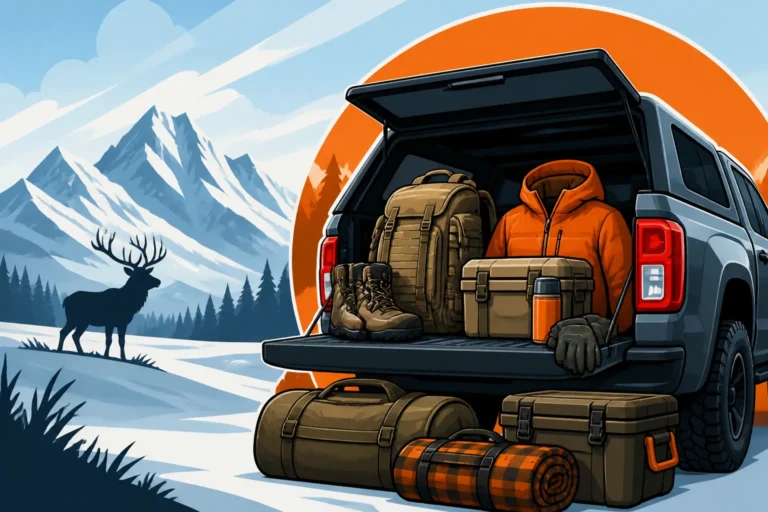
Heavy-duty cargo boxes or a dedicated utility trailer designed for off-road use are essential. Attaching quarters directly to the racks of your quad can quickly overload it, compromising handling and potentially damaging your machine. Game sleds are also fantastic for protecting meat from dirt and debris while making it easier to drag across uneven terrain. Additionally, a robust axe or bone saw, several sharp knives, game bags, a good first-aid kit, a satellite communication device, extra fuel, a tire repair kit, and plenty of rope or ratchet straps should always be part of your recovery kit. Don't forget a bright headlamp or two; quartering and extracting a moose often extends well into the night, especially during the shorter days of fall. Having a clear plan for Meat Care in Alberta's Cold and Warm Swings is critical, so bring enough game bags to keep meat clean and cool.
| Item Type | Essential Gear for Quad Moose Recovery | Purpose |
|---|---|---|
| Quad | ATV/UTV (min. 500cc recommended) | Primary transport, power source for winch |
| Winch | Front-mounted, minimum 3,000 lbs capacity | Loading game, self-recovery, pulling sleds/trailer |
| Trailers/Sleds | Off-road utility trailer or heavy-duty game sled | Transporting quarters, keeping meat clean |
| Cutting Tools | Bone saw, sharp knives (2-3), sharpening steel | Field dressing, quartering, butchering |
| Meat Care | Breathable game bags (synthetic), rope/straps | Protecting meat from dirt, bugs, and debris; securing quarters |
| Safety/Navigation | GPS device (GoHunt app on phone), satellite messenger, first-aid kit, bright headlamps | Navigation, emergency communication, injury treatment, visibility |
| Recovery Kit | Shovel, axe, tow strap, extra fuel, tire repair kit, small toolkit | Getting unstuck, clearing obstacles, basic repairs, extended operation |
Field Dressing and Quartering for Transport
Okay, the bull is down. Now it's time to get to work. The sheer size of a moose means that getting it whole onto any quad or even a small trailer is typically impossible and unsafe. Quartering the animal in the field is almost always the only viable option for quad recovery, and doing it efficiently and cleanly will make the extraction process significantly easier.
Efficient Field Dressing Techniques
The clock starts ticking the moment your moose hits the ground. Rapid and thorough field dressing is paramount, especially if the weather is mild. You need to cool that carcass as quickly as possible to prevent spoilage. Start by rolling the moose onto its back, if possible, for easier access. Make a clean incision from the breastbone to the pelvis, carefully cutting around the anus. Take care not to puncture the intestines or stomach, which will contaminate the meat and make for a much messier job.
Once the cavity is open, reach in and sever the esophagus and trachea as high as possible, then pull out all the internal organs. Work quickly but meticulously, ensuring everything comes out cleanly. If you plan to head-mount, leave the windpipe attached to the head. For the rest of the cavity, once empty, wipe it down with clean cloths or paper towels to remove any blood clots or debris. Propping the cavity open with sticks or small branches can help promote airflow and cooling. Don't forget to drain any blood from the chest cavity. This initial step, though gruesome, is vital for preserving the quality of your meat. For more detailed insights, consider looking into guides on Quartering a Moose Alone in the Bush, as many of those techniques directly apply here even with a quad available.
Strategic Quartering and Packaging
Once field-dressed, it's time to break that moose down into manageable pieces. Typically, a moose is divided into four main quarters (two front, two hind), plus the backstraps, tenderloins, neck meat, and sometimes the ribs. For quad transport, these quarters still need to be a manageable size and weight for lifting. You might even consider splitting the hindquarters at the stifle joint or separating the muscles off the bone to further reduce weight, though leaving bone in can help keep meat cool.
Start by removing the front legs by cutting through the muscle and connective tissue that attaches them to the body – there's no collarbone to contend with. Next, remove the hindquarters by severing the ball joint from the pelvis, or by following the natural muscle seams. The backstraps run along the spine and are easily removed with a sharp knife. The tenderloins are inside the cavity, along the spine. As each section is removed, immediately place it into a breathable game bag. These bags protect the meat from flies, dirt, and leaves, while still allowing air circulation for cooling. Seal the game bags tightly and try to keep them elevated off the ground, perhaps on logs or a clean tarp, to maximize cooling. Having ample game bags is critical for keeping your harvest pristine and adhering to regulations on Rules on Wasting Game Meat.
Executing the Extraction: Loading and Navigating
With your moose quartered and bagged, the next challenge is getting those heavy, bulky pieces loaded onto your quad or trailer and then safely transporting them out of the bush. This stage is where a well-prepared quad and a clear head truly shine.
Safe Loading Techniques
Loading moose quarters is a strenuous task, even with a quad. Each hindquarter can easily weigh 100-150 pounds or more, and front quarters aren't far behind. Trying to muscle these onto your quad's racks without assistance or a plan is a recipe for injury. This is where your winch becomes indispensable. Position your quad or trailer strategically near the quarters. If using a trailer, back it up as close as possible.
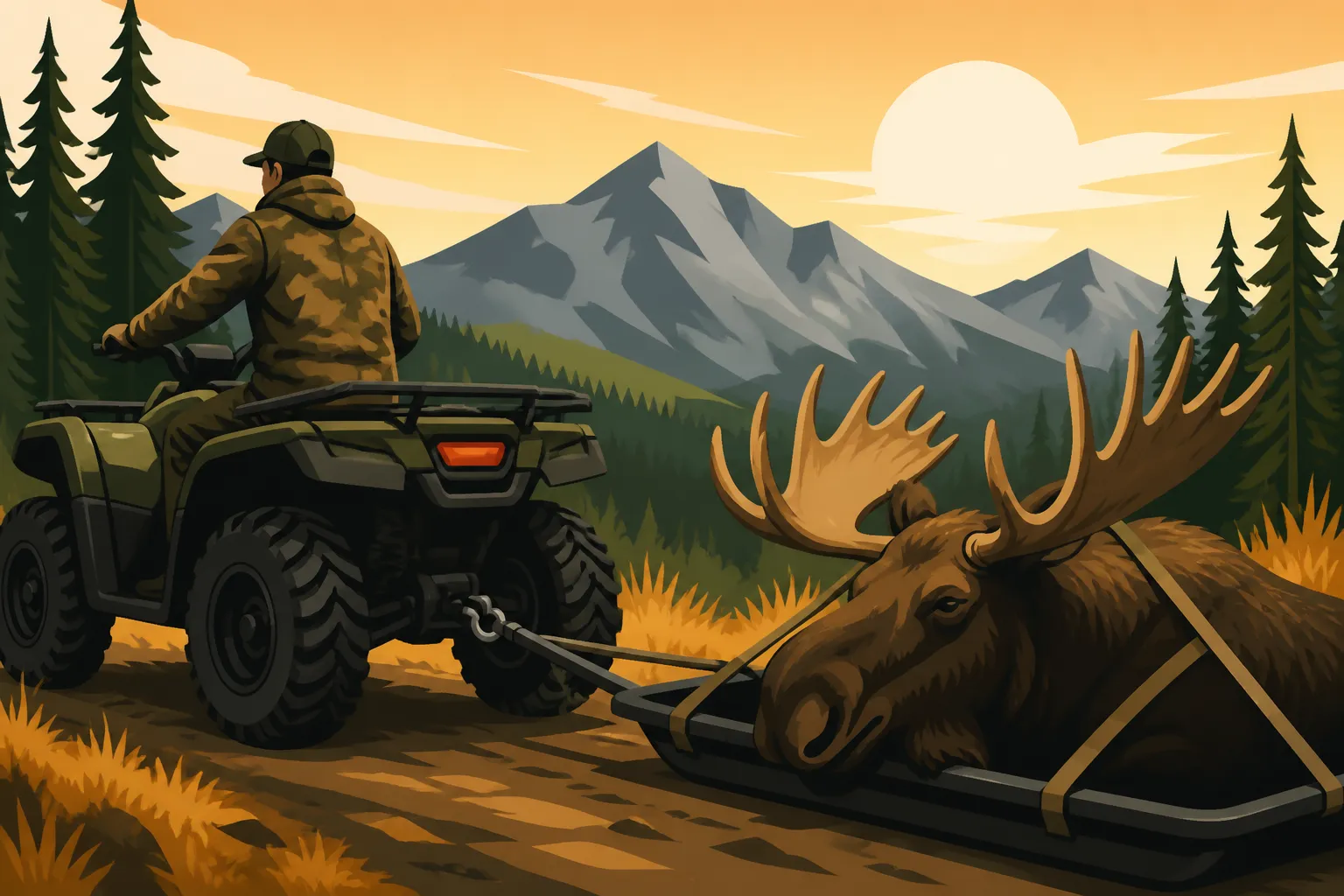
For loading quarters onto a quad rack, you can fashion a makeshift ramp using a sturdy log or even just strategically position the quad to minimize the lifting height. Attach your winch cable to the game bag (ensure it's secured well) and slowly winch the quarter onto the rack. Use heavy-duty ratchet straps to secure each quarter firmly to the quad's front and rear racks, or within your utility trailer. Distribute the weight as evenly as possible to maintain balance, especially if you're loading multiple quarters. Overloading one side can make your quad unstable and prone to tipping. If using a game sled, carefully load the quarters into the sled and secure them, then attach the sled to the quad's hitch or winch line for dragging. Remember, even with a strong quad, you're looking at hundreds of pounds of additional weight, so adjust your driving accordingly. Think about Getting a Moose Out With a Quad not as a race, but as a deliberate, controlled haul.
Navigating Challenging Terrain
Once loaded, the journey out can be just as demanding as the hunt itself. Alberta's diverse landscapes present a myriad of challenges, from dense boreal forest to open prairie coulees, and quad trails that can quickly turn into mud bogs or icy traverses. Driving a heavily laden quad requires a different skill set than joyriding. Maintain a slow, steady speed, especially over uneven ground. Avoid sudden turns or abrupt braking, which can easily cause the quad to become unstable or even roll.
Mud, muskeg, and water crossings are common in many Alberta hunting areas, particularly when Hunting Moose Around Alberta Beaver Ponds or traversing Hunting a Boreal Muskeg Edge. Before entering any questionable terrain, dismount and scout it on foot. Look for firm ground, hidden obstacles, or surprisingly deep holes. If you encounter deep mud or a soft muskeg, use a low gear, maintain momentum, and keep your weight forward. If you get stuck, your winch will be your saviour, allowing you to anchor to a sturdy tree and pull yourself out. In colder weather, be mindful of ice, especially when traversing Hunting a Frozen Muskeg Trail or shallow creeks. Ice can be deceptively thin, and breaking through with a loaded quad is a serious hazard. Always consider a slower, longer route on solid ground rather than attempting a risky shortcut. Having a detailed map, perhaps from your GoHunt subscription, showing various trails and terrain features can be invaluable for picking the safest path. Remember, your priority is safety for yourself, your hunting partners, and your valuable meat.
Post-Recovery: Meat Care and Quad Maintenance
You've successfully extracted your moose quarters from the bush, and they're securely loaded in your truck or at your camp. But the work isn't over yet. Proper post-recovery care for both your meat and your machine ensures your hard work pays off and your gear is ready for the next adventure.
Protecting Your Hard-Earned Meat
Once you get the meat to your vehicle, the immediate goal is continued cooling. If temperatures are warm, even a few hours can lead to spoilage. Get the quarters out of direct sunlight and into a cooler environment as quickly as possible. If you’re at a temporary camp, hang the quarters in a shaded, well-ventilated area, preferably covered with breathable game bags to deter insects and keep things clean. For longer transport home, consider using large coolers with ice, but be mindful that the meat shouldn't sit directly in meltwater. Elevate it on grates or racks within the cooler.
Crucially, Alberta has specific regulations regarding Transporting Game Meat and Proof of Sex. You must be able to prove the species and sex of the animal. Often, this means keeping a portion of the hide with natural markings or the head itself with the antlers attached (if applicable) until the meat is processed. Always double-check the current regulations to ensure compliance. Once home, expedite the processing of your meat. Whether you do it yourself or take it to a professional butcher, getting it cut, wrapped, and frozen quickly will ensure you enjoy high-quality moose meat for months to come. Neglecting proper care now can quickly ruin an otherwise successful hunt, leading to spoilage and falling afoul of Rules on Wasting Game Meat.
Quad Cleanup and Inspection
Your quad has just done some heavy lifting and likely traversed some less-than-ideal terrain. Don't just park it and forget it. A thorough cleaning and inspection are essential to maintain its performance and longevity. Start by removing all the mud, dirt, and debris from the machine. A pressure washer can make quick work of this, but be careful around sensitive electrical components and bearings. Pay close attention to the suspension, wheel wells, and radiator.
Once clean, inspect your quad for any damage. Check for bent racks, loose cargo straps, damaged tires, or any leaks in fluids. Look at your winch cable for fraying or kinking, and ensure it spools properly. Grease all zerks, check fluid levels (oil, coolant, brake fluid), and inspect your air filter for excessive dirt. A meticulous post-hunt inspection can catch small issues before they become major problems, ensuring your quad is in top condition for your next hunting trip, or even just a regular season outing for Hunting an Old Logging Road in the Foothills or Hunting Moose Along Cutlines and Seismic Lines. Investing a little time in maintenance now will save you costly repairs and potential breakdowns in the future.
Disclaimer
Please note that hunting regulations, seasons, and access rules in Alberta can change. Always consult the most current Alberta Hunting Regulations Guide and local land access maps before planning and executing any hunting trip or game recovery operation. This guide is for informational purposes only and does not supersede official government regulations. Safety should always be your top priority.