Winter Truck Kit for an Alberta Hunt
There’s nothing quite like the allure of Alberta’s winter landscape for a dedicated hunter, but the sheer unpredictability of our cold season can turn an exciting outing into a survival ordeal in a heartbeat. You’re out there, chasing deer or calling moose, and suddenly that trusty pickup, your mobile command center and lifeline, is stuck in a snowdrift miles from anywhere. This guide is all about equipping your hunting rig with the essential winter kit to ensure you stay safe, warm, and ready to tackle whatever Alberta’s challenging conditions throw your way.
The Harsh Realities of Alberta Winter Hunting
Hunting in Alberta during the colder months is an experience unlike any other. The crisp air, the tracks in fresh snow, and the quiet solitude of the bush or prairie are truly magical. But with that magic comes a very real, very present danger if you're not adequately prepared. Many hunters underestimate just how quickly conditions can change, or how isolating even a well-traveled backroad can become when winter truly sets in.
Unexpected Weather Bombshells
One moment you’re enjoying a bright, calm morning, the next you’re engulfed in a blinding blizzard with temperatures plummeting faster than a startled grouse. This isn't an exaggeration; Alberta is notorious for its rapid weather shifts. You might start your day with the mercury hovering just around freezing, feeling comfortable, only for it to drop to -20°C with a fierce wind and heavy snowfall by early afternoon. This sudden shift can white out roads, obscure landmarks, and freeze up mechanical components on your vehicle, leaving you scrambling.
It’s a frustrating scenario many of us have faced: you’ve got a long drive on a gravel road to a promising spot, and that beautiful morning gives way to a truly treacherous afternoon. What was a passable track is now an icy, snow-covered mess. Whether you're in the rolling Foothills west of Cochrane or the vast, open expanses of the Peace Country, these weather bombs are a constant threat. Being caught unprepared when you’re Hunting Alberta Winter Weather Safely is a situation no one wants to be in, and it's where your winter truck kit truly earns its keep.
Remote Roads and Limited Services
Alberta's hunting opportunities often lead us far from the paved highways and bustling towns. We venture deep into forestry roads, follow meandering lease lines, or navigate snowed-in trails to access prime hunting ground. The further you get from main roads, the more remote and isolated the environment becomes. Cell service becomes non-existent, and the prospect of a passing vehicle diminishes rapidly. Imagine breaking an axle or getting high-centered on a drifted-over logging road when you’re trying to haul out a trophy from Getting a Moose Out With a Quad or Getting a Deer Out on a Frozen Trail.
In these situations, a tow truck isn't just an expensive call; it might be hours, or even a full day, away – if they can even reach you. Many areas are so remote that you're truly on your own. This feeling of isolation is palpable, and it underscores the absolute necessity of self-reliance. Your truck isn't just transport; it’s your shelter, your gear locker, and potentially your survival capsule. Without the right equipment to get unstuck or stay alive while waiting for help, a hunting trip can quickly turn dire.
Essential Recovery and Vehicle Maintenance Gear
Getting stuck is a matter of "when," not "if," for anyone who truly hunts Alberta's backcountry in winter. Having the right tools on hand for recovery and basic vehicle maintenance can mean the difference between a minor setback and a full-blown emergency. Don't cheap out on these items; your safety and the success of your hunt depend on them.
Traction and Extraction Tools
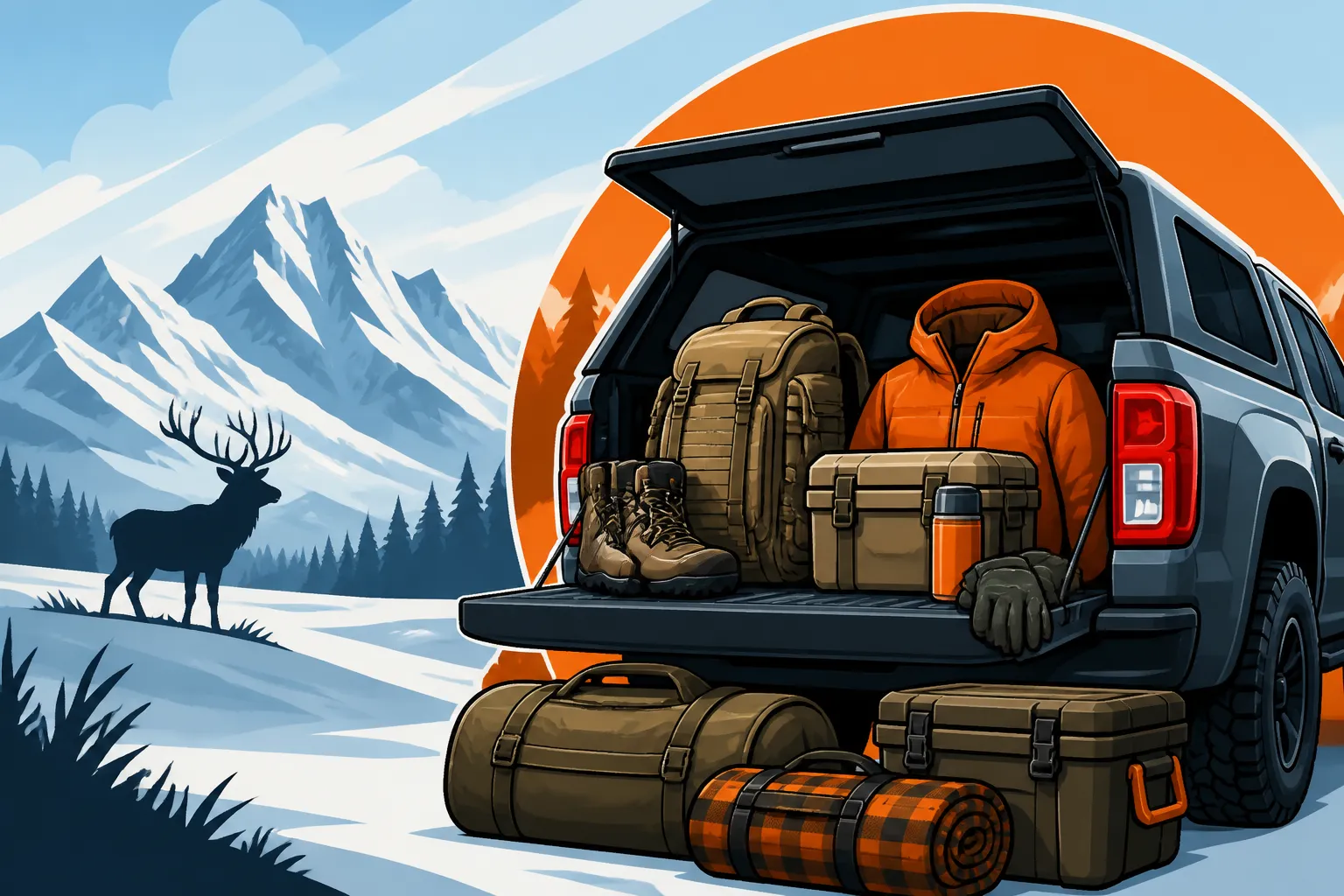
First and foremost, you need to be able to get yourself unstuck. A collapsible, robust shovel is an absolute must. Forget the flimsy plastic ones; you need something that can chip away at frozen snow, ice, and even packed mud. I’ve dug out my truck more times than I care to admit with a good metal shovel. Beyond the shovel, traction aids are invaluable. Products like MAXTRAX, TREDs, or similar recovery boards provide a solid surface for your tires to grip when you're spinning on ice or buried in deep snow. Brands like GoHunt often feature these kinds of backcountry essentials, highlighting their importance for serious hunters. They're surprisingly effective and can save you from calling for help.
For more serious extractions, heavy-duty tow straps or chains are non-negotiable. Ensure they are rated for the weight of your vehicle and then some. Kinetic recovery ropes are a fantastic upgrade, offering a degree of elasticity that greatly reduces shock loads on both vehicles during a pull. If you're frequently venturing far off the beaten path, especially in conditions where Quad and Side-by-Side Rules on Crown Land might be needed for access, a winch mounted to your vehicle is the ultimate self-recovery tool. Pair it with a tree-saver strap, a snatch block, and heavy gloves. Lastly, an axe or a robust folding saw is surprisingly useful for clearing fallen trees that might block a backroad or for cutting firewood if you end up stranded and need to build a signal fire.
Cold Weather Vehicle Readiness
Winter is brutal on vehicles, and preventative measures are always better than reactive ones. A reliable booster pack or heavy-duty jumper cables are critical. Modern lithium battery packs are a game-changer – compact, powerful, and able to jump-start a dead battery multiple times. If you have a diesel, fuel stabilizer and anti-gel additives are crucial to prevent your fuel from gelling up in extreme cold, which can completely shut down your engine. For gasoline vehicles, a good fuel stabilizer can still help with cold starts and engine longevity.
Always carry spare fluids: winter-rated windshield washer fluid is a must, as is a liter or two of engine oil and coolant. Running out of washer fluid on a snowy road is not just annoying, it's a serious safety hazard. A tire repair kit and a portable air compressor (12V models are widely available, and GoHunt often has recommendations for reliable options) can patch a small puncture and reinflate tires, saving you from a tire change in freezing conditions. Don't forget a basic tool kit with essential wrenches, screwdrivers, a good knife, electrical tape, duct tape, and plenty of zip ties – these simple items can fix a surprising number of minor issues that could otherwise immobilize your vehicle. Before you even leave home, make sure your tires are in good condition and properly inflated, your battery is healthy, and if you're parking outside overnight, consider a block heater and battery blanket.
| Gear Category | Essential Items | Purpose | Notes |
|---|---|---|---|
| Recovery | Shovel (collapsible, metal) | Digging out snow, ice, mud | Avoid plastic; look for sturdy construction. |
| Traction Boards (MAXTRAX, TREDs) | Providing grip on slippery surfaces | Effective for snow, mud, sand. | |
| Tow Strap/Kinetic Rope | Vehicle extraction | Ensure proper rating, use a tree-saver with ropes. | |
| Winch (if applicable) | Self-recovery from serious stuck situations | Requires proper mounting, accessories. | |
| Axe/Saw | Clearing obstructions, cutting firewood | Essential for backcountry road clearing. | |
| Vehicle Prep | Booster Pack/Jumper Cables | Starting dead batteries | Lithium packs are compact and powerful. |
| Fuel Additives (anti-gel for diesel) | Preventing fuel issues in extreme cold | Critical for diesel reliability. | |
| Spare Fluids (oil, coolant, washer fluid) | Topping up essential vehicle liquids | Winter-rated washer fluid is a must. | |
| Tire Repair Kit & Air Compressor | Patching small punctures, reinflating tires | Portable 12V compressors are convenient. | |
| Basic Tool Kit | Minor repairs, jury-rig fixes | Duct tape, zip ties are surprisingly versatile. | |
| Survival & Comfort | Extra Warm Clothing (layers, insulated boots) | Staying warm if stranded | Focus on wool, synthetics, down. |
| Extreme Cold Sleeping Bag | Emergency overnight shelter | Rated for -30°C or colder. | |
| Fire Starting Kit | Warmth, signaling, cooking | Waterproof matches, lighter, ferro rod, tinder. | |
| Satellite Messenger/PLB | Communication outside cell range | Life-saving in remote areas. | |
| Navigational Aids (map, compass, GPS) | Knowing your location, finding your way | Don't rely solely on electronics. | |
| High-Energy Food & Water | Sustenance in a prolonged wait | Non-perishable, insulated water container. | |
| Comprehensive First-Aid Kit | Addressing injuries and medical needs | Include pain relievers, bandages, trauma items. |
Survival and Comfort in a Stranded Situation
Even with the best recovery gear, there are times when you simply can't get out on your own. A mechanical failure, an impassable road, or an injury might leave you stranded, potentially for an extended period. This is where your survival and comfort gear becomes paramount. Thinking beyond just the vehicle itself is key to ensuring your well-being.
Personal Warmth and Shelter
Your truck offers some protection, but it’s not an insulated cabin. If you run out of fuel or your heater stops working, hypothermia becomes a very real threat. Always, and I mean always, carry extra warm clothing layers in your truck. Think wool base layers, a heavy fleece or down mid-layer, a waterproof/windproof outer shell, insulated boots (even if you're wearing hunting boots, a spare pair of pac boots can be a lifesaver), multiple hats, and several pairs of insulated gloves or mitts. These are for you and anyone else with you.
A dedicated sleeping bag rated for extreme cold (at least -30°C) is not just for camping – it’s a critical survival tool. Even if you're not planning to sleep outdoors, a truly warm sleeping bag can keep you alive overnight in a cold vehicle. Supplement this with emergency blankets or bivvy bags. While a simple space blanket offers some warmth, a durable emergency bivvy like those from SOL (Survive Outdoors Longer) provides much better insulation and protection from the elements. A reliable fire starting kit is also crucial. This should include waterproof matches, a couple of lighters (keep one inside your jacket so it’s warm), a ferro rod, and some easy-to-ignite tinder. The ability to build a warming or signal fire is a fundamental survival skill, especially when you're Hunting Alberta's Deep Cold Late in the Season. A small tarp or even a heavy-duty contractor bag can be used for improvised shelter if you need to leave the vehicle.
Communication, Navigation, and Sustenance
In remote Alberta, cell service is often non-existent. This is why a satellite messenger or Personal Locator Beacon (PLB) is, in my opinion, the single most important piece of safety gear you can carry. Devices like the Garmin inReach or Zoleo allow you to send SOS messages to emergency services, communicate via text messages (even without cell signal), and share your location with loved ones. GoHunt frequently emphasizes the importance of these devices for backcountry safety, and for good reason—they are literal lifesavers. Always have your cell phone fully charged, even if you don't expect service; it can still be used for its GPS, camera, or for emergencies once you hit a signal. Carry a robust power bank to recharge your phone and other devices.
Navigation-wise, while GPS apps are fantastic, a physical map and compass are non-negotiable backups. Know how to use them! Batteries die, screens crack, and signals drop. Having a paper map of your Reading Alberta's Crown Land Layers on onX area and the knowledge to orient yourself can prevent a lost situation from becoming critical. For sustenance, pack high-energy, non-perishable food items like energy bars, nuts, dried fruit, jerky, and even some instant coffee or tea. These are easy to store and provide vital calories in cold conditions. Critically, carry water in an insulated bottle to prevent it from freezing. You'll also want a way to melt snow for additional hydration, perhaps a small metal cup and a heat source from your fire-starting kit. Finally, a comprehensive first-aid kit is essential, equipped to handle everything from minor cuts to more serious injuries, including pain relievers, bandages, antiseptic wipes, and any personal medications.
Planning and Prevention: The Best Kit of All
While having all the right gear in your truck is non-negotiable, the best defense against winter mishaps is proactive planning and prevention. A well-maintained vehicle and a communicated plan are often more valuable than any piece of equipment you can buy.
Pre-Trip Vehicle Inspection
Before every winter hunt, especially those that take you off the main roads, perform a thorough pre-trip vehicle inspection. Start with the basics: check your battery health. Cold weather significantly reduces battery efficiency, and a weak battery is a dead battery in sub-zero temperatures. Have it tested if you're unsure. Inspect your tires for proper inflation and tread depth; good traction is crucial on icy or snowy surfaces. Check all fluid levels – oil, coolant, brake fluid, and especially windshield washer fluid. Ensure your belts and hoses are in good condition, as cold can make old rubber brittle. Test all your lights (headlights, taillights, brake lights), as visibility is often poor in winter.
If you know you'll be parking your vehicle overnight in extreme cold, using a block heater and a battery blanket is a smart move. These keep critical components warm, making starting much easier and reducing wear and tear. Simply put, investing a little time in vehicle maintenance can prevent a huge headache out in the field. Your vehicle is your primary tool for accessing hunting grounds and getting home safely, so treat it with the respect it deserves, particularly when you're heading out to Hunting Alberta Winter Weather Safely.
Share Your Plan and Know Your Route
One of the simplest yet most effective safety measures costs nothing: tell someone where you're going and when you expect to return. This "check-in" system is your safety net. Provide specific details: your exact route, planned WMUs, any known turning points, and an estimated time of return. If you don't check in, they'll know something is wrong and have a starting point for contacting authorities or launching a search.
Beyond sharing your plan, it’s crucial to know your route inside and out. Use mapping apps like those often integrated with GoHunt, which provide detailed topographical and satellite imagery for Scouting With Satellite Imagery in Alberta. However, always carry physical maps as a backup. Pay attention to road conditions and understand the capabilities of your vehicle. Don't be afraid to turn around if conditions look too rough or if you feel uncomfortable with the terrain ahead. Pushing into an unknown, rapidly deteriorating road, especially when you're alone, is a recipe for disaster. Be aware of any current advisories, such as Alberta Wildfire Closures and Hunting or sudden snowfall warnings. The wilderness will always be there, but your safety comes first.
Disclaimer
This guide is for informational purposes only and is not a substitute for professional training or local regulations. Hunting in Alberta requires adherence to specific laws and safety practices. Always consult the official Alberta hunting regulations and seek appropriate training for backcountry travel and survival. The author and publisher are not liable for any incidents or accidents resulting from the use of this information. Stay safe out there!