Quartering a Moose Alone in the Bush
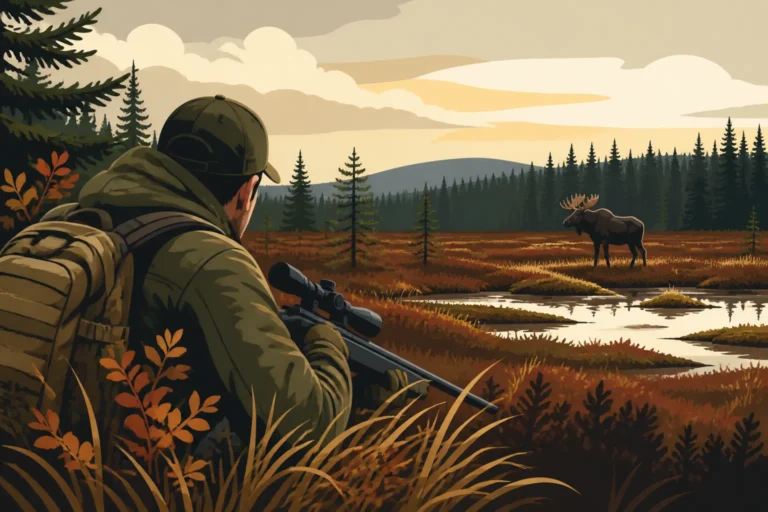
There's nothing quite like the rush of finally getting a tag on a bull moose in the vast Alberta wilderness. That incredible high, however, can swiftly transition into a daunting realization when you find yourself miles deep in the bush, alone, with a thousand-pound animal on the ground. The sheer scale and remote location often combine to create an overwhelming feeling of "now what?" This guide is here to walk you through the practical, no-nonsense steps of quartering a moose alone in the Alberta bush, ensuring you can efficiently and respectfully get your hard-earned meat out, even when you're the sole hunter on the job.
Essential Preparations for a Solo Moose Harvest
Before you even step foot into the sprawling Moose Hunting Alberta's Boreal Forest or any other prime moose habitat, proper preparation is non-negotiable, especially if you plan to hunt solo. When you're facing down an animal that can weigh over a thousand pounds, being caught unprepared is not just inconvenient—it can be dangerous for you and detrimental to the meat. Trust me, the last thing you want is to be staring at a downed moose, deep in a muskeg swamp, realizing you forgot your sharpener.
Packing the Right Tools for the Job
Your knife kit is paramount. Don't skimp here. I always carry at least two, preferably three, sharp knives. One should be a sturdy fixed blade, ideally 4-6 inches, for initial skinning and breaking down joints. Another can be a caping knife if you plan on taking the head, or a smaller, more nimble blade for precise cuts. A boning knife is incredibly useful for separating meat from bone, which is key for efficient packing. You’ll also need a knife sharpener—a small stone or a pull-through sharpener works wonders. Blades dull quickly when processing a large animal, and a dull knife is more dangerous than a sharp one.
Beyond knives, a compact game saw can be invaluable for sternum and pelvis, though with the "gutless method" we'll discuss, it's often optional. Good quality game bags are an absolute must. Think durable, breathable material that protects the meat from flies and dirt while allowing it to cool. I prefer sturdy, reusable synthetic bags from brands like T.A.G. or Caribou Gear. They are worth the investment. Ropes or stout cords are also incredibly handy for tying up legs, hanging quarters, or securing tarps. Finally, don't forget a headlamp with extra batteries – because daylight always seems to run out faster than you expect when you're working on a big animal.
Mental and Physical Preparedness
Solo hunting means you are your own rescue crew, your own heavy lifter, and your own problem solver. Mentally preparing for the immense physical exertion is crucial. Processing a What a Big Bull Moose Weighs is a marathon, not a sprint. You'll be working in potentially adverse conditions, often cold or wet, and under pressure. Breaking it down into manageable steps helps. Tell yourself, "I'm just going to skin this side," then "now I'll take off this front quarter." One step at a time prevents overwhelm.
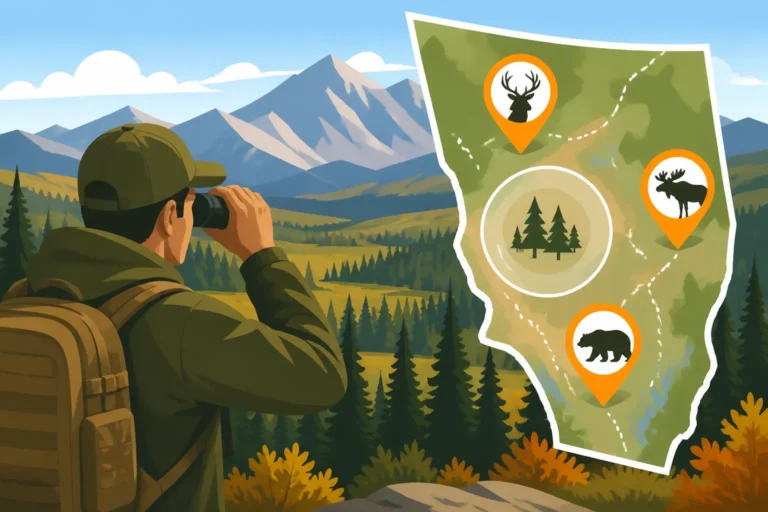
Physically, you should be in decent shape. Carrying a heavy pack, kneeling, bending, and maneuvering large limbs takes strength and stamina. Stay hydrated and bring plenty of high-energy snacks. On a recent trip, I used the GoHunt app to scout my intended area thoroughly, noting potential extraction points and even identifying natural "hooks" on trees where I might hang quarters. This kind of forethought, planning for the worst-case scenario, makes all the difference. Knowing your physical limits and having a solid understanding of basic first aid for minor cuts is also critical when you're the only one out there. Always have a reliable satellite messenger or GPS device with emergency contact capabilities, as cell service is notoriously spotty in many parts of the Alberta bush.
The Gutless Method: A Solo Hunter's Secret Weapon
When you're alone with a downed moose, the traditional gutting method, which involves rolling the animal and spilling its entire contents, quickly becomes an exhausting, messy, and often impossible task. This is where the gutless method shines. It’s a game-changer for solo hunters, allowing you to break down the animal into packable pieces without ever having to eviscerate it or roll its immense weight.
Understanding the Basic Principles
The core idea of the gutless method is to remove all the meat off the carcass while leaving the internal organs largely intact inside the body cavity. This means no heavy rolling, no dealing with the pungent gut pile, and a much cleaner process overall. It minimizes the amount of mess and the potential for contaminating your meat, especially on warm days. Plus, by keeping the guts inside, you're less likely to attract scavengers to your immediate workspace, though always be aware of bears and wolves in the area, particularly when Black Bear Hunting in Alberta or Calling Wolves Along a Frozen Cutline.
You'll start by making strategic cuts to access the four quarters, then move to the backstraps, tenderloins, and other usable meat. The animal is processed on its side, making it much more manageable. The only time you might expose the guts is for the tenderloins, but even then, it's a small, controlled incision. This method also works exceptionally well if you’re down an animal in a tough spot, like a deep ravine or thick timber, where rolling it would be a nightmare.
Step-by-Step Breakdown for Solo Application
Let’s get into the nitty-gritty of how you’d execute this on your own.
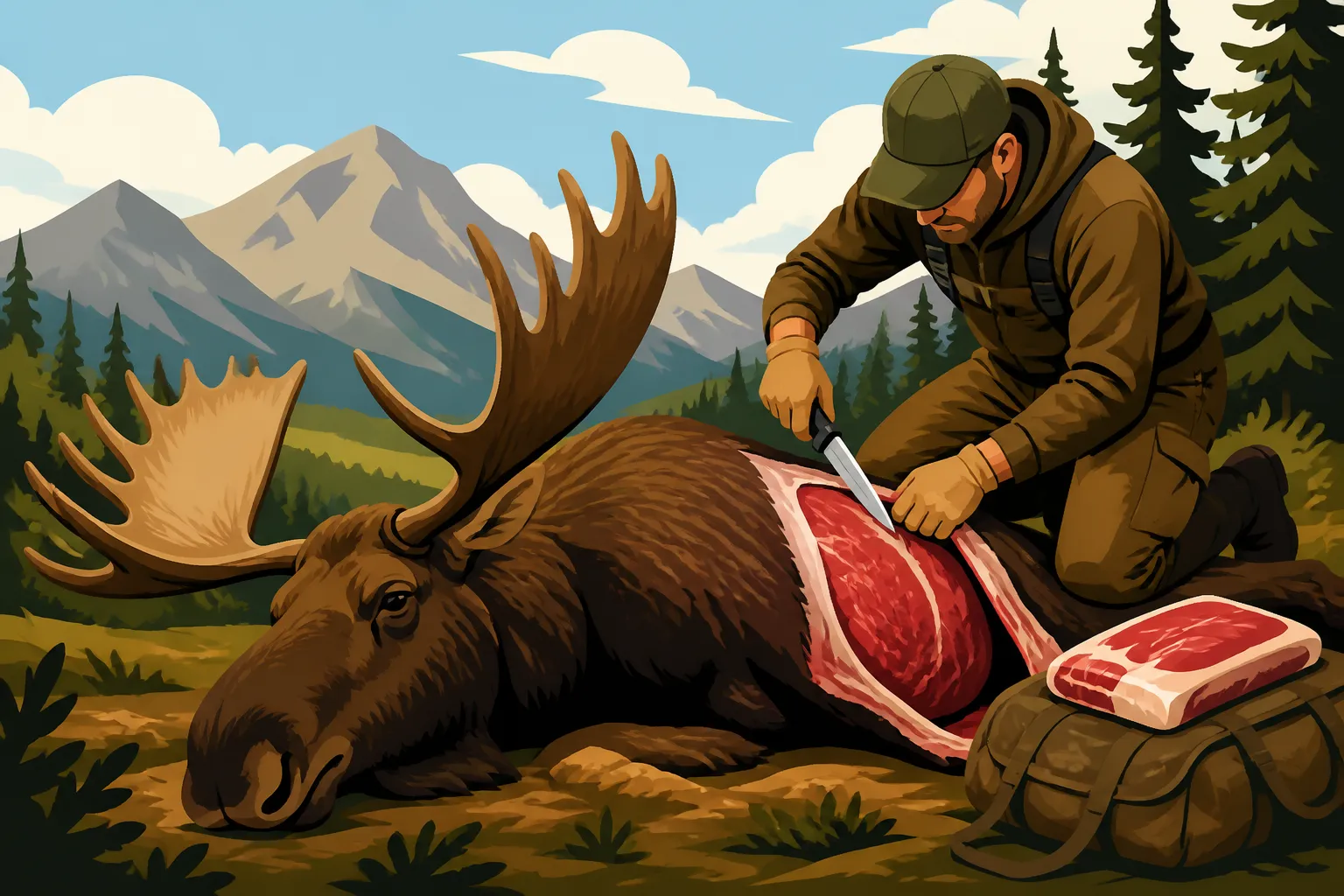
- Positioning and Initial Cuts: Ideally, position the moose on its side. If it's on its belly, roll it onto one side using leverage from its legs or whatever natural incline you can find. Make a cut along the spine from the base of the skull all the way to the tail. Then, circle the neck and cut around the leg joints (ankles).
- Removing the First Two Quarters: Start with the top side. Carefully separate the front leg by cutting the muscle and tissue connecting it to the chest cavity. There's no bone joint to cut, just muscle. Once loose, lay it aside. For the hind leg, cut around the hip joint, freeing it from the pelvis. This takes a bit more effort to articulate the ball and socket joint. Once both are off, get them into game bags immediately.
- Accessing Backstraps and Rib Meat (Top Side): With the top two quarters removed, you’ll have clear access to the backstrap. Carefully run your knife along the spine, peeling the backstrap away from the ribs and vertebrae. Take your time to get as much meat as possible. Next, you can start removing the meat off the ribs, either by filleting it off in sheets or by carefully deboning the ribs if you have the time and need the extra meat.
- Flipping and Repeating: This is the only "heavy lifting" part. Once the top side is done, you'll need to carefully roll the carcass onto its processed side to expose the other two quarters. This is where those ropes might come in handy to help pull. Use the remaining legs or a tree trunk for leverage. Once flipped, repeat steps 2 and 3 for the remaining two quarters, backstrap, and rib meat.
- Tenderloins and Neck Meat: To get the tenderloins, you'll need to make a controlled incision into the body cavity along the flank or through the diaphragm to reach them from inside the rib cage. These are highly prized, so don't skip them! Finally, don't forget the neck meat. It's often overlooked but is a substantial amount of excellent meat, perfect for grinding or slow cooking.
Practical Tips for Meat Care and Extraction
Once the moose is quartered and bagged, your work is far from over. Keeping the meat clean, cool, and safe for transport is absolutely critical. This is where many solo hunters can run into trouble if they don't have a solid plan.
Proper Meat Cooling and Protection
As soon as meat is off the carcass and into game bags, it needs to cool down. In Alberta's cooler fall and winter seasons, this is often easier, but even then, direct sunlight can spoil meat quickly. Hang your game bags in the shade, preferably somewhere with good airflow. If you’re Hunting Deep Cold Late in the Season, you might actually have to worry about the meat freezing too fast on the outside, preventing internal heat from dissipating. Use logs or branches to keep bags off the ground, away from scavengers, and to promote air circulation.
I once harvested a moose during an unseasonably warm spell in September near Peace River. The first thing I did after bagging the quarters was hang them high on a sturdy spruce tree, making sure no two bags touched, allowing the cool evening air to circulate freely. Using a GoHunt map, I had previously marked potential hanging trees in my scouting phase. If bears are a concern (and they always should be in Alberta's bush), try to get the quarters as high as possible, and consider setting up a small electric fence if you have the means and time, or at least keep a clean camp. For more detailed advice, refer to our guide on Meat Care in Alberta's Cold and Warm Swings.
Strategizing Your Pack-Out Alone
This is arguably the most challenging part of a solo moose hunt. You've got hundreds of pounds of meat to move. Without a quad or horse, it's going to be grueling. Each moose quarter alone can weigh 150-250 pounds or more, before factoring in backstraps, tenderloins, and cape.
Here’s where careful planning, possibly using Alberta's Recreational Access Mapping Tool or a premium app like GoHunt, pays off. Before you even pull the trigger, you should have a rough idea of your extraction route. Are you near an old logging road or seismic line? Could you manage to drag individual quarters a short distance to a point where you can bring in a quad later, perhaps following advice in Getting a Moose Out With a Quad?
If you're truly solo and packing on your back, prepare for multiple trips. You'll need a sturdy external frame pack. Load one quarter at a time, making sure the weight is distributed evenly and securely. It’s better to make more trips with manageable loads than fewer trips with loads that could injure you or compromise the meat. Take breaks often. Leave a trail marker or use your GPS to mark the location of the remaining meat.
| Item | Purpose | Importance (1-5) | Notes |
|---|---|---|---|
| Fixed Blade Knife | Primary skinning & butchering | 5 | Sturdy, sharp, easy to grip. |
| Boning Knife | Separating meat from bone | 4 | Flexible blade for precision. |
| Knife Sharpener | Maintaining keen edges | 5 | Essential for safety and efficiency. |
| Game Bags (minimum 4) | Protecting & cooling quarters | 5 | Breathable, durable, reusable. |
| Headlamp + Batteries | Working in low light | 5 | Night falls fast; hands-free light is key. |
| Rope/Cordage | Hanging quarters, securing | 3 | 20-30 feet of paracord or similar. |
| Game Saw (optional) | Splitting pelvis/sternum (less needed for gutless) | 2 | Compact folding saw if desired. |
| Heavy Duty Gloves | Protecting hands from cuts & cold | 4 | Cut-resistant if possible. |
| Water & Snacks | Sustenance for strenuous work | 5 | Hydration is critical. |
| First Aid Kit | Treating minor injuries | 4 | Bandages, antiseptic wipes. |
| Satellite Messenger | Emergency communication | 5 | Lifeline in remote areas. |
Remember, your safety is paramount. Don’t rush, especially when fatigued. A dropped knife or a twisted ankle miles from your vehicle can quickly turn an incredible experience into a serious predicament. Plan your trips, carry enough supplies, and always tell someone where you're going and when you expect to return, particularly if you're Hunting Alberta Winter Weather Safely or Camping Rules on Alberta Crown Land are a factor.
Respecting the Animal and the Environment
Part of being a responsible hunter, especially when alone, is ensuring that you treat the animal and the environment with respect throughout the entire process. This isn't just about adhering to regulations; it's about upholding the ethics of the sport.
Minimizing Waste and Maximizing Yield
When quartering alone, it can be tempting to rush, especially if weather or light is fading. However, take your time to get as much meat as possible. Moose provide a tremendous amount of nutritious protein, and it’s our duty to utilize it fully. Pay attention to the neck meat, the rib meat, and the shanks. These areas often hold more usable meat than hunters realize, even if they require a bit more effort to debone and trim.
After removing all usable meat, you are still responsible for the carcass. While the guts are left inside with the gutless method, Alberta regulations still require you to leave the evidence of sex attached to a quarter until it’s at your residence or cold storage. Make sure you understand these rules clearly (e.g., specific bone-in portions, or the head attached to a certain quarter). Leaving behind minimal waste is a sign of respect for the animal and ensures you are making the most of your harvest.
Leave No Trace Principles
Even when you're working against the clock or facing challenging conditions, always strive to leave the area as undisturbed as possible. Pack out all your trash – knife wrappers, snack wrappers, empty water bottles, and especially any plastic bags or tarps you might have used. The goal is that when someone else comes through that spot, they wouldn't even know a moose was processed there. This commitment to Finding Access on Alberta Crown Land and keeping it pristine ensures continued positive landowner relations and public perception of hunting.
Being alone in the Alberta bush, successfully quartering a massive moose, and then extracting that meat, is a truly rewarding experience that builds immense confidence and self-reliance. It's a test of skill, endurance, and preparation, and with the right approach, it's a challenge you can absolutely conquer.
Disclaimer
Please note that hunting regulations, seasons, and access rules in Alberta can change. Always consult the most current Alberta Hunting Regulations Guide and local authorities before heading out. This guide provides general information and best practices but should not replace official sources or professional advice. Be safe and hunt ethically.