Hunting Alberta’s September Archery Opener
There's a special kind of excitement that bubbles up as September rolls around, marking the official start of Alberta's archery season. But let's be real, the thought of chasing wary deer with a bow and arrow when the leaves are still green and the temperatures can still be scorching can feel daunting, even for seasoned hunters. This comprehensive guide will walk you through everything you need to know to tackle Alberta's September archery opener, from understanding early season deer behavior to critical gear considerations and crucial meat care tips.
The Unique Appeal of Alberta's September Archery Opener
The crack of dawn on September 1st in Alberta holds a special allure for bowhunters. It's a time of optimism, quiet woods, and the promise of a big game encounter before the rifle hunters even step foot in the woods. However, it also presents a very distinct set of challenges that need careful planning and execution.
The Velvet Advantage and Early Patterns
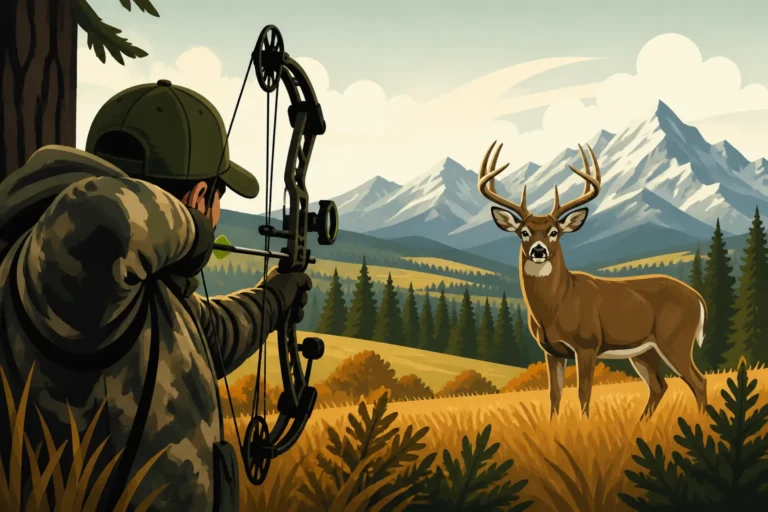
One of the biggest draws for many archers in September is the chance to harvest a whitetail or mule deer buck still in its pristine velvet. There's something truly magnificent about those soft, fuzzy antlers, and they make for a unique trophy. More than just aesthetics, hunting during this period means you're targeting bucks that are often still following predictable summer patterns. They're focused heavily on food sources like lush alfalfa, pea fields, or rich browse in the timber, and they haven't yet been pressured by legions of hunters. They're typically in larger bachelor groups or small family units, making them somewhat easier to pattern if you've done your homework. This early season can often provide the best opportunity for a relaxed, patterned deer before the chaos of the rut truly begins.
Early Season Challenges: Heat, Bugs, and Changing Food
However, it's not all sunshine and velvet antlers. The early days of September in Alberta can be brutally warm. We're talking daytime highs that can easily hit the mid-20s Celsius (70s Fahrenheit) or even higher, especially on the prairie. This heat doesn't just make you sweat; it dramatically affects deer behavior, pushing them into thicker, cooler cover during the day and making them largely nocturnal. Combine that with a healthy population of mosquitoes and horseflies that haven't quite succumbed to the first hard frost, and you've got a recipe for discomfort. Furthermore, as summer crops ripen and are harvested, and as natural browse begins to dry out, deer's preferred food sources can change rapidly. Staying on top of these shifts requires constant vigilance and adaptable strategies. It's a race against the elements, and sometimes against time, when you're out there on Alberta Archery Season Opening Day.
Decoding Early Season Deer Behavior
Understanding how whitetails and mule deer operate in early September is absolutely paramount to success. Their routines are vastly different from the late-season rut, and ignoring these distinctions will likely lead to frustration. You need to become a deer detective, picking up on subtle cues that indicate their current needs.
Food Source Transitions and Preferences
In late summer and early fall, deer are in full-on feeding mode, trying to pack on as much weight as possible before the lean winter months and the demanding rut. This means they are heavily reliant on rich, carbohydrate-heavy food sources. Across much of Alberta, this includes agricultural crops like peas, alfalfa, lentils, and oats. In the bush country, they'll be keying in on lush forest openings, specific browse, and even early mast crops if they are present. The challenge is that these food sources don't remain static. Pea fields might be harvested, alfalfa patches might dry up, and deer will quickly pivot to the next best option. Your scouting, both pre-season and in-season, needs to focus on identifying these current "hot tables." You'll often find groups of deer hitting a prime food source right at first and last light, making these transition areas prime ambush locations. For more insights on what drives deer, check out our piece on What Whitetails Eat Through Winter – understanding their winter diet can inform their pre-winter bulking.
Bedding Area Dynamics and Movement Patterns
With warm temperatures dominating the early season, deer will prioritize cool, dense bedding areas during the day. For whitetails, this often means thick stands of aspen bluffs, dense willows along creek bottoms, or heavy cattail sloughs that offer both shade and a bit of moisture. Mule deer in more open country will seek out the north-facing slopes of coulees, dense pockets of sagebrush, or the thickest breaks they can find. These bedding areas will typically be close to their preferred feeding sites, allowing them to minimize travel in the heat. Their movement patterns will often be very predictable: from bedding to water, then to food, and back again. Understanding these micro-movements is crucial for setting up an effective ambush. Look for worn trails, fresh droppings, and browsed vegetation connecting these key locations. For a deeper dive into understanding their natural habitat, consider reading about Reading Whitetail Sign in Alberta Aspen Bluffs.
The Impact of Early Pressure
While the archery opener is generally less crowded than rifle season, don't underestimate the impact of even a small amount of human pressure. Deer are incredibly sensitive, and a few encounters with hikers, ATV riders, or even other bowhunters can quickly shift their patterns. They might abandon easily accessible food plots for more secluded ones, or become even more nocturnal than usual. This is where stealth, wind awareness, and minimizing your intrusion become absolutely critical. Approach your stands carefully, avoid unnecessary noise, and always play the wind. If you suspect a spot has been pressured, be prepared to move and adapt. Early season success often hinges on finding those unpressured pockets where deer still feel safe to follow their routines.
Proven Archery Strategies for September
Successfully hunting Alberta's September archery opener requires a blend of traditional archery tactics and adaptability to the unique conditions. It’s not a one-size-fits-all game; you need to tailor your approach to the specific terrain and species you're pursuing.
Ambush Hunting Hot Spots
For whitetails, ambush hunting remains a consistently effective strategy, especially in early September when deer patterns are still somewhat predictable. The key is finding those pinch points, funnels, and transition zones between bedding and feeding areas. Think about setting up a treestand or ground blind along a treeline bordering a pea field, near a natural water source that deer frequent in the heat, or on a well-used trail connecting two thickets. Remember, scent control is paramount when setting up these ambushes – the warmer temperatures mean your scent will linger longer and spread further. Consider using a quality scent elimination system and always approach your stand from a direction that keeps the wind in your favor. For guidance on setting up, our article on Hanging a Stand on an Alberta Bush Edge offers practical advice.
Spot-and-Stalk in Open Country
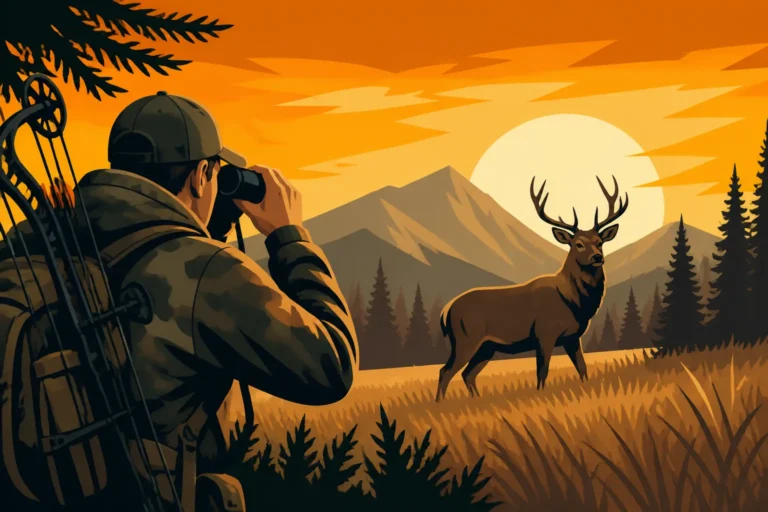
While whitetails often lend themselves to ambush tactics, mule deer in Alberta's more open prairie and badlands country are perfectly suited for spot-and-stalk hunting. This method thrives on wide-open spaces where you can glass extensively, locate deer, and then plan a careful approach. Early season often finds mule deer bucks in bachelor groups, feeding openly in agricultural fields or grazing on prairie ridges. Utilize binoculars or a spotting scope (like those from a reputable brand you might find on GoHunt's gear reviews) to find animals from a distance. Once a target is identified, the real work begins: using terrain features, prevailing wind, and available cover to close the distance without being detected. This is a highly visual and physical style of hunting, requiring patience, quiet movement, and excellent judgment of distance and cover. Our guide to Spot-and-Stalk Mule Deer in Alberta is a must-read if this is your chosen method.
Scent Control and Stealth: Non-Negotiables
I can't stress this enough: in warm weather, excellent scent control is not an option; it's an absolute necessity. Deer noses are incredible, and heat and humidity only amplify their ability to pick up human odor. This means meticulous attention to detail: showering with scent-free soap, washing all hunting clothes in scent-free detergent, storing them in airtight bags or containers, and dressing in the field to minimize sweat. Additionally, consider using activated carbon suits or ozone-generating devices if you’re serious about minimizing your scent footprint. Beyond scent, stealth is crucial. Early season woods are often dry and crunchy, making quiet movement difficult. Take slow, deliberate steps, and be mindful of breaking twigs or rustling leaves. A mature buck in September is not going to tolerate any missteps – he'll be gone long before you even draw your bow.
Essential Gear for Early Season Success
Your gear choices for the September archery opener will differ significantly from a late-season rifle hunt. The focus shifts to breathability, effective bug protection, and maintaining the integrity of your harvest.
Lightweight Clothing and Layering Systems
Forget the heavy insulation for this hunt. Early September calls for lightweight, breathable clothing that can wick away sweat. Look for synthetic fabrics or merino wool base layers that manage moisture effectively and dry quickly. Even if it's warm during the day, mornings can still be cool, so a light jacket or vest that can be easily shed and stowed in your pack is a good idea. Consider camouflage patterns that blend with the still-green foliage of early fall. Also, don't forget a wide-brimmed hat to protect from the sun and a good pair of gloves for stealth and sun protection. Companies like Sitka Gear or KUIU offer excellent early season systems specifically designed for comfort and performance in warmer conditions.
Scent Control and Bug Protection
As discussed, scent control is paramount. Your early season hunting kit needs to include scent-free soaps, detergents, and sprays. Many hunters swear by external scent control systems, whether it's an activated carbon suit that absorbs odors or an ozone generator that eliminates them. Beyond scent, bugs are a real concern. Pack a reliable insect repellent (Permethrin for clothing, DEET for exposed skin, or picaridin). A head net can be a lifesaver during those still, quiet sits in the bush, especially around dawn and dusk when mosquitoes are most active. Don't let a swarm of bugs distract you from that crucial shot.
Optics, Rangefinding, and Bow Setup
Accurate shot placement is always critical in archery, but it's even more so in the early season when deer might be quartering in unpredictable ways. A quality rangefinder is non-negotiable for confirming distances, as depth perception can be tricky in dense cover. Good binoculars (10×42 or 10×50) are essential for spotting deer in low light and for evaluating antler size from a distance. When it comes to your bow, ensure it's meticulously tuned for broadhead flight. Practice extensively at various distances and angles, as early season shots can present themselves quickly and unexpectedly. Always double-check your Legal Bow Draw Weight in Alberta and other regulations before heading out.
| Gear Category | Key Item | Early Season Rationale |
|---|---|---|
| Clothing | Lightweight Layers | Breathability, moisture-wicking, temperature regulation. |
| Rain Gear | Unexpected showers are common, stay dry and comfortable. | |
| Scent/Bug | Scent Elimination | Crucial due to warmer temperatures and lingering scent. |
| Insect Repellent | Mosquitoes, flies, and ticks can be prevalent. | |
| Optics | Rangefinder | Precision shot placement is critical. |
| Binoculars/Spotter | Locating deer in low light, assessing antlers, especially for Hunting Mule Deer on a Prairie Ridge. | |
| Weapon | Tuned Bow & Broadheads | Ensure accurate and ethical shot placement. |
| Other Essentials | Water Bottle/Filter | Hydration is key in warm weather. |
| First-Aid Kit | Always be prepared for minor injuries. | |
| Game Bags | Essential for meat care in warm conditions. | |
| Headlamp | For pre-dawn setups and post-dark tracking/field dressing. |
Pre-Season Scouting and In-Season Adaptations
The adage "you can't kill a deer from the couch" is particularly true for early season archery. Success often hinges on the amount of work you put in before the season even opens and your ability to adapt once you're in the field.
Leveraging E-Scouting Tools
Before you even step foot in the woods, the power of modern e-scouting tools is immense. Platforms like GoHunt or onX Hunt allow you to pore over satellite imagery, topo maps, and land ownership data right from your living room. You can identify potential bedding areas (dense timber, north-facing slopes), key food sources (agricultural fields, natural browse), water sources (creeks, sloughs, ponds), and the likely travel corridors connecting them. Look for pinch points, funnels, and natural barriers that might concentrate deer movement. Using GoHunt's detailed maps, you can mark potential stand locations, access routes, and even escape routes for quiet entry and exit. This pre-season digital reconnaissance can save you countless hours of unproductive walking and significantly narrow down your in-field scouting efforts. Consider exploring our guide on Scouting With Satellite Imagery in Alberta to maximize these tools.
Boots-on-the-Ground Reconnaissance
E-scouting is a fantastic starting point, but there's no substitute for "boots-on-the-ground" scouting. Once you've identified potential hotspots on your map, it's time to verify them in person. Look for fresh sign: rubs (though rare in early September, unless bucks are cleaning velvet), scrapes (again, rare, but mock scrapes can be effective), fresh droppings, heavily used trails, and recent browse. Pay close attention to current food sources and which ones are being actively utilized. Check for water sources that deer are accessing. During this phase, you're confirming the e-scouting intel and looking for the "now" information. Set up trail cameras on key trails or near promising food sources to monitor deer activity and identify specific animals. Remember to scout quietly and carefully to avoid pressuring deer before the season begins. For a general overview, read our article on Scouting an Alberta WMU Before Season.
Adapting to Changing Conditions
Alberta weather is notoriously unpredictable, and deer patterns can shift on a dime. A sudden cold front, a heavy rain, or a nearby combine harvesting a prime food field can completely change how deer are moving and where they are feeding. You need to be prepared to adapt. If your primary food source is harvested, you need to quickly pivot to the next best option that you identified during your scouting. If deer suddenly become nocturnal due to heat, you might need to adjust your stand placement closer to bedding areas or focus on water sources during the brief periods of daytime activity. Flexibility is key. Don't get stuck on one strategy or one spot if the deer aren't there. Be willing to move, re-evaluate, and try new approaches based on what the deer are telling you.
Crucial Considerations: Warm Weather and Meat Care
This is perhaps the most critical aspect of early season archery in Alberta. Ignoring proper meat care in warm temperatures can lead to spoiled game and a heartbreaking waste of your efforts.
The Race Against Time After the Shot
Unlike cold weather hunting where you might have several hours, or even overnight, to recover and process an animal, early September demands immediate action. As soon as you've made your shot and confirmed the animal is down, the clock starts ticking. Heat, humidity, and insects (especially flies) can quickly degrade meat quality. Your priority must be to get to the animal, field dress it efficiently, and begin the cooling process as rapidly as possible. Even a slight delay can mean the difference between prime venison and meat that’s on the verge of spoiling. This urgency is often a mental challenge, as emotions are high after a successful hunt, but focusing on the task at hand is paramount.
Essential Meat Care Techniques in the Field
Field dressing should be done immediately to allow the carcass to begin cooling. Remove all internal organs, including the windpipe and esophagus, to facilitate airflow. If allowed by regulations and conditions, skinning the animal in the field can accelerate cooling even further, but be mindful of game laws regarding proof of sex and species. Once field dressed, use game bags (synthetic mesh bags are excellent as they protect from flies while allowing air circulation) to keep flies and dirt off the meat.
Elevate the carcass or quarters off the ground to allow air to circulate around them. If you’re far from your vehicle, quartering the animal is usually the most practical solution. Transporting quarters in game bags, rather than dragging a whole carcass, makes the job easier and allows for better cooling. Pack plenty of ice into coolers for immediate cooling during transport. Layer ice on the bottom, then meat, then more ice. Never let meat sit in melted water. Our detailed guide on Meat Care in Alberta's Cold and Warm Swings provides excellent advice on handling game in various temperatures, and much of it applies to the warmer conditions of early September.
Staying Hydrated and Prepared for the Elements
While the focus is often on the deer, don't forget your own well-being. Hunting in warm weather can lead to dehydration and heat exhaustion if you're not careful. Carry plenty of water, and consider electrolytes or sports drinks to replenish salts lost through sweat. Dress in layers that can be adjusted as temperatures fluctuate throughout the day. A small first-aid kit is always a good idea, including items for bug bites, scrapes, and blisters. Let someone know where you're going and when you expect to return, especially if you're venturing into remote areas. Being prepared physically and mentally will not only make your hunt more enjoyable but also ensure you can handle the demands of a successful harvest.
Disclaimer
Hunting is an inherently risky activity. This guide is for informational purposes only and should not replace proper hunter education, safety courses, or professional advice. Always consult the most current Alberta hunting regulations before heading into the field, as rules and seasons can change. Ensure you possess all necessary licenses and tags. Prioritize safety, ethical hunting practices, and responsible land stewardship at all times.