What Whitetails Eat Through Winter
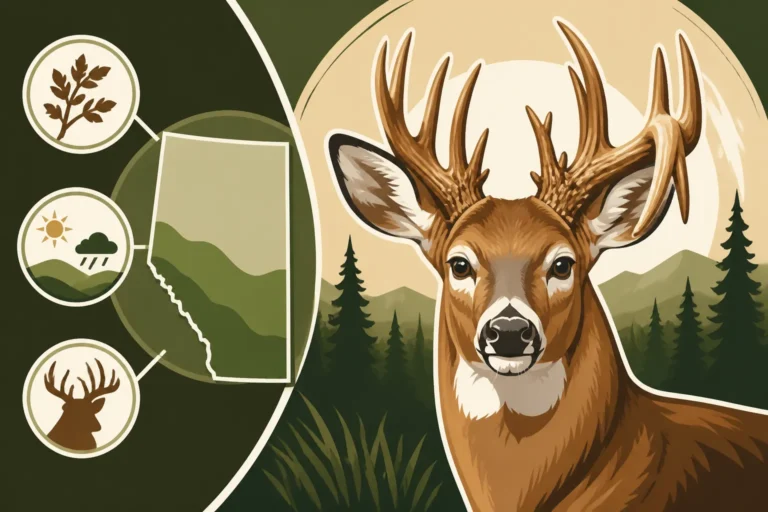
As winter descends upon Alberta, the landscape transforms into a beautiful but brutally challenging environment for wildlife. For the resilient whitetail deer, this means a dramatic shift in their diet, and let's be honest, it's not exactly a smorgasbord out there. Hunters often wonder what sustains these animals through the deep snow and bitter cold, hoping to gain an edge in understanding their movements. This guide will delve deep into the specific foods whitetail deer rely on in Alberta's winter months, exploring everything from woody browse to opportunistic scavenging, and how understanding these dietary habits can make you a more informed hunter.
The Harsh Reality of Alberta's Winter Pantry for Whitetails
When the snow starts to fly in Alberta, and especially when it really piles up and temperatures plunge, the easy pickings of lush summer and fall forage vanish. What was once an abundant buffet of green leaves, succulent forbs, and fallen acorns becomes a stark, frozen larder. This isn't just a minor inconvenience for whitetails; it's a fight for survival, a constant energy drain as they try to keep warm while foraging for dwindling resources.
Shrinking Options as Snow Deepens
Imagine wading through waist-deep snow every day, just to find a morsel to eat. That's the reality for whitetails in an Alberta winter. Early season snowfalls might just cover the ground, making it harder to find scattered seeds or the last few forbs. But once the snow truly accumulates, especially in the Boreal forest or the deeper drifts of the parkland, access to ground-level vegetation becomes impossible. This effectively locks away a huge portion of their diet, forcing them to turn to what's available above the snow line. This is why you often see deer yarding up in sheltered areas or moving to different parts of their range where snow cover might be less severe, or where specific food sources are more accessible. Understanding How Deep Snow Moves Deer Around is crucial for predicting their winter patterns.
The Energy Crunch and Survival Strategies
Winter isn't just about finding food; it's about finding enough quality food to fuel their internal furnace. Whitetails enter winter having packed on fat reserves during the bountiful fall, but these reserves are quickly depleted by the constant need to generate body heat. Every calorie counts. The food they do find in winter generally has lower nutritional value than summer forage, being high in fiber and low in digestible energy. This means they have to eat a lot more of it, expend more energy digesting it, and still face a caloric deficit. Their survival hinges on a delicate balance: minimize movement to conserve energy, find high-calorie foods when possible, and adapt their digestion to process woody material more efficiently. This stress is why a hard Alberta winter can take a toll on game populations, affecting overall herd health, a topic further explored in How a Hard Alberta Winter Culls Game.
Primary Winter Browse: The Lifeline for Alberta Whitetails
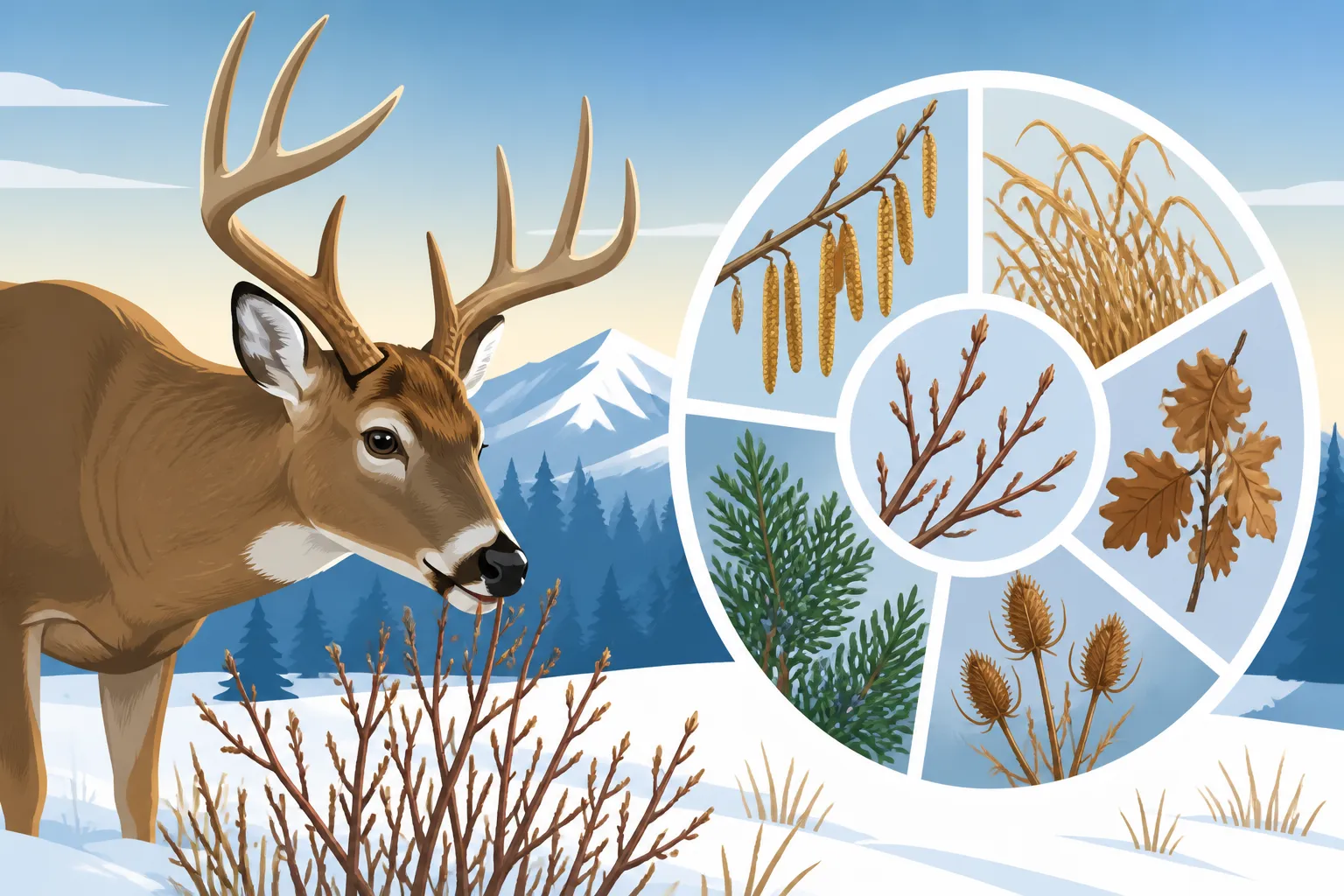
When snow covers the ground, whitetails become almost exclusively browsers, meaning they primarily eat the woody stems, twigs, and buds of trees and shrubs. This isn't their preferred diet during other seasons, but it's what's available and vital for survival. You'll see evidence of this feeding everywhere once you know what to look for, especially in areas with high deer densities.
Aspen, Willow, and Dogwood: Common Woody Plants
In Alberta, several woody species form the backbone of a whitetail's winter diet. Aspen (Populus tremuloides) is a huge one, especially the younger saplings and shoots. Deer will strip the bark from aspen stems, particularly during periods of deep snow when other options are scarce, and they'll nip off the smaller twigs and buds. Willows (Salix spp.) are another critical food source, offering palatable twigs and buds. There are many species of willow across the province, from small shrubs in wet areas to larger trees, and whitetails will browse them heavily. Red-osier dogwood (Cornus sericea) is also a favourite, with its distinctive red stems often showing signs of heavy browsing. These species offer a combination of accessibility and sufficient nutritional value to keep deer going through the lean months. You can often see clear browse lines where deer have repeatedly fed on these plants, reaching as high as they can.
Conifers: A Last Resort, But Still Vital
While not as palatable or digestible as deciduous browse, conifers like Balsam Fir, Spruce, and even Pine can become important secondary food sources, especially during extreme cold or when preferred browse is heavily depleted. Deer will nibble on the needles and tender shoots of younger trees. Think of it like a hunter having to eat hardtack and dried pemmican when fresh game isn't available—it's not ideal, but it keeps you alive. These conifers often contain compounds that are difficult for deer to digest, but they do offer some nutrients and bulk, and their evergreen nature means they're always "available" above the snow. If you're Hunting Whitetails at Thirty Below, you might notice them sheltering in conifer stands, but also lightly browsing the younger growth.
Bark and Buds: The Nutrient-Dense Nibbles
It might not look like much to us, but the bark and buds of certain trees are surprisingly energy-rich for whitetails. Buds, in particular, are concentrated packages of nutrients and sugars stored by the plant for spring growth. Deer will meticulously pick these off, often leaving behind tell-tale ragged edges or clipped stems. Bark, especially from younger, smoother-barked trees, provides fiber and some minerals. When you're out Reading Whitetail Sign in Alberta Aspen Bluffs, pay close attention to the heights where branches have been stripped or twigs clipped – it gives you a direct insight into what and where deer are feeding.
Supplemental Winter Forage: Hidden Treasures and Agricultural Influences
Beyond the primary woody browse, whitetails are opportunistic eaters, constantly looking for any additional calories that might offer a boost. Sometimes this means digging for buried items, and other times it means taking advantage of human activity.
Persistent Forbs and Ground Litter
Even under a blanket of snow, some vegetation persists. Certain hardy forbs (broadleaf plants) might retain some green growth or dried seed heads. Whitetails, with their keen sense of smell, will sometimes paw through shallow snow to uncover these hidden morsels. They'll also consume dried leaves, acorns (if available in an area and not completely buried), and even fungi. This "ground litter" might not be high on their menu, but in a tough winter, every little bit helps. The key is that these items need to be accessible, meaning either very light snow cover or locations like south-facing slopes where snow melts faster or drifts less severely. A tool like GoHunt's mapping features can sometimes help identify these micro-climates where persistent forage might be more accessible.
The Allure of Leftover Grain Fields
This is where human activity significantly impacts whitetail winter diets, especially in Alberta's agricultural zones. Fields of swathed grain, standing canola, or corn left unharvested become irresistible magnets for deer. They will gorge themselves on these high-energy carbohydrates, which are far more nutritious than natural browse. A farmer's field, even after harvest, often has enough dropped grain to sustain a significant number of deer. You'll often find deer actively Hunting a Standing Canola Field Edge or other stubble fields during legal shooting hours, precisely because of this reliable food source. This concentrated feeding can sometimes lead to localized overpopulation and increased disease transmission, something Alberta wildlife managers watch closely.
Unintended Consequences of Human Activity
While agricultural fields offer a caloric boon, other human activities have more mixed consequences. Supplemental feeding, for example, might seem benevolent, but it can concentrate deer, increase the risk of disease spread like CWD, and alter natural migratory patterns. Roadside ditches, often cleared of deep snow by plows, can offer easier access to buried vegetation or newly exposed browse, which can draw deer dangerously close to busy highways. Understanding these dynamics is part of being a responsible hunter and conservationist. It's a complex picture, where human presence often dictates where and what whitetails eat, sometimes for better, sometimes for worse.
Reading the Landscape: How to Understand Winter Whitetail Diet
For us as hunters, understanding what whitetails eat in winter isn't just academic; it's a practical scouting tool. By learning to "read" the feeding sign, and applying that knowledge to the broader landscape, you can significantly improve your chances of locating deer, especially during late-season hunts.
Identifying Browse Lines and Chewed Stems
The most obvious sign of winter feeding is the browse line. In areas with high deer density or limited food, you'll see a distinct line where all palatable vegetation has been eaten up to the height a deer can reach. Trees and shrubs below this line will be heavily clipped, while those above remain untouched. Look for stems that have been cleanly nipped off (indicating a deer, as opposed to the ragged tear of a moose or elk) and stripped bark. Pay attention to the species of plant being browsed – are they picking at conifers, suggesting a tough winter, or are they still finding preferred species like dogwood or willow? These observations tell a story about food availability and deer numbers in that particular area.
Connecting Food Sources to Winter Behavior
Once you've identified key food sources, you can start to connect these to whitetail behavior. Deer need to balance feeding with security and energy conservation. They won't venture far from cover to feed if it means expending too much energy or being exposed to predators. This is why you'll often find them browsing along the edges of thick cover, in sheltered river bottoms, or within dense stands of evergreens. If you're able to use mapping software, or even a detailed physical map like those found on GoHunt, you can identify these transition areas where dense thermal cover meets prime winter browse. Consider Hunting a Shelterbelt Between Two Fields or investigating the edges of aspen bluffs where browse is plentiful. These locations provide both food and protection from the elements, making them prime wintering grounds.
Utilizing Technology for Scouting Food Rich Areas
In today's hunting world, technology can be a game-changer for winter scouting. Satellite imagery, available through platforms like GoHunt, allows you to identify areas with specific vegetation types, track changes in agricultural fields, and pinpoint thermal cover without ever setting foot in the snow. You can zoom in on potential food sources – identify aspen stands, willow thickets along creeks, or areas where old unharvested crops might remain. This kind of pre-season or mid-season digital scouting helps narrow down vast landscapes, saving you precious time and energy when you're out there. Combine this with traditional boot-on-the-ground scouting, looking for tracks and fresh browse sign, and you'll build a comprehensive picture of where the whitetails are finding their winter meals. This proactive approach is a natural extension of effective scouting, similar to the techniques covered in Scouting With Satellite Imagery in Alberta.
Alberta Whitetail Winter Browse Preference
Here's a quick look at common winter browse species in Alberta and their general preference level for whitetails:
| Browse Species | Preference Level | Notes |
|---|---|---|
| Aspen (Populus tremuloides) | High | Young saplings, twigs, and bark are heavily utilized. |
| Willow (Salix spp.) | High | Many species, offer palatable twigs and buds. |
| Red-Osier Dogwood | High | Distinctive red stems, a clear favourite. |
| Chokecherry (Prunus virginiana) | Medium-High | Twigs and buds, especially accessible ones. |
| Scentless Chamomile | Medium | Persistent forb, often dug up from shallow snow. |
| Rose (Rosa spp.) | Medium | Thorny, but deer will browse twigs and hips if other options are scarce. |
| Conifers (Spruce, Fir) | Low-Medium | Needles and tender shoots, more palatable in young trees, eaten when preferred browse is scarce. |
| Saskatoon (Amelanchier alnifolia) | Medium | Twigs and buds. |
Understanding what Alberta whitetails eat through winter is more than just a curiosity; it's a vital piece of the puzzle for successful late-season hunting. By recognizing their primary food sources and how they adapt to the challenges of snow and cold, you can better predict their movements, select promising hunting locations, and appreciate the incredible resilience of these animals.
Disclaimer
This article is for general informational purposes only and does not constitute professional advice. Laws, prices and regulations vary by location and change over time. Consult a qualified professional for guidance on your specific situation.