Alberta’s Boone and Crockett Whitetail Record
For any serious whitetail hunter, the whisper of "Boone and Crockett" carries a profound weight. It's not just a measure of antler, but a testament to genetics, habitat, and the sheer dedication of a hunter. Alberta has long been a whispered secret, and sometimes a shouted success, when it comes to producing world-class whitetails. This guide will take you deep into the heart of Alberta's reputation, specifically exploring the legendary status of its Boone and Crockett whitetail record, what makes this province a giant-growing machine, and how the pursuit of such a buck captures the imagination of hunters far and wide.
The Legend of Alberta Whitetails
There's a reason Alberta pops up in conversations about world-class whitetail hunting. It's not an accident; it's a combination of unique geographical features, abundant resources, and a deer herd that consistently punches above its weight. Hunters from all over North America dream of tangling with an Alberta whitetail, and for good reason.
Why Alberta Grows Giants
First, let's talk about the foundation: the land itself. Alberta is a land of incredible biodiversity, stretching from the rugged Rocky Mountains in the west, through vast boreal forests, rich parklands, and fertile agricultural prairies to the east. This diverse landscape provides everything a whitetail needs to thrive, and crucially, to grow truly immense antlers.
The "parkland" region, in particular, is a sweet spot. It's where the dense boreal forest starts to break up into aspen bluffs, interspersed with vast agricultural fields. These fields—canola, wheat, barley, peas—are an all-you-can-eat buffet for deer, providing a high-protein, nutrient-rich diet that fuels incredible body and antler growth. Deer have access to ample calories year-round, which is crucial for maximizing their genetic potential. Combined with pockets of thick cover in the aspen bluffs and river bottoms, they have everything they need to grow old, smart, and large. This unique combination helps explain Why This Country Grows Heavy Antlers.
Genetics play a huge role too, of course. Alberta has a strong population of healthy whitetails with excellent genetics for antler development. When you couple superior genetics with prime nutrition and ample security cover, you create the perfect storm for growing truly massive bucks. Many seasoned hunters know that some of the biggest deer come from unexpected pockets, often where they've been able to mature without undue pressure.
The Allure of the Record Book
For many hunters, the Boone and Crockett Club isn't just about big antlers; it's about a standard of ethical hunting and wildlife conservation. The B&C scoring system is a meticulous measurement that accounts for the symmetry and overall mass of a deer's antlers. It's a way to recognize truly exceptional animals taken under fair chase conditions.
The pursuit of a "Pope and Young" (archery equivalent) or "Boone and Crockett" whitetail is a lifelong quest for some, a dream for many. It represents the pinnacle of whitetail hunting: the culmination of countless hours of scouting, strategizing, and patiently waiting. It’s a challenge that pushes hunters to understand deer behavior, habitat, and the nuances of the landscape like few other pursuits. When you talk about the potential for a B&C buck in Alberta, you're tapping into that deep-seated aspiration that drives so many of us into the woods each fall. It’s the ultimate trophy, a testament to an animal that beat the odds and grew to truly legendary proportions.
Unpacking Alberta's Boone and Crockett Whitetail Record
Every so often, a buck emerges from the Alberta landscape that isn't just big, it's historic. These are the animals that etch themselves into the annals of hunting lore, becoming benchmarks against which all other impressive deer are measured. Alberta has a proud history of producing these giants, and its current record is a testament to that legacy.
The Historic Buck
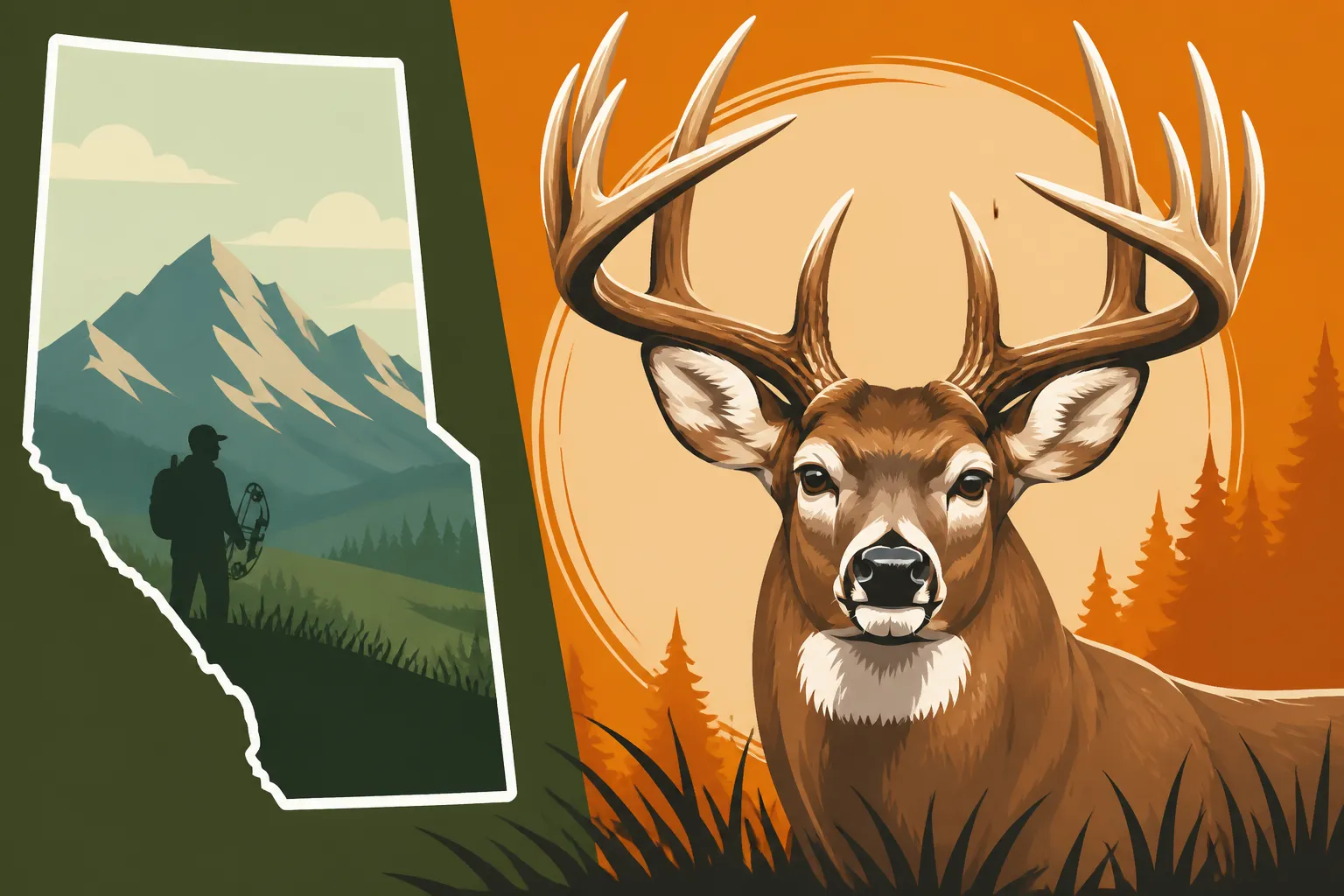
Alberta holds a special place in the record books for its whitetails, notably for a particular non-typical buck that has captivated the hunting world. While specific numbers and dates are best checked on the official Boone and Crockett website, the story of this deer is legendary. It wasn't just a big deer; it was a freak of nature, a buck whose antlers defied conventional growth patterns, sprouting points and mass in every direction. Imagine seeing a rack that wide, that deep, with so many intricate tines—it’s the kind of buck that makes your heart pound just looking at a photo.
This record-setting deer reportedly emerged from the agricultural mosaic of Alberta, a place where deer have access to year-round nutrition and often dense, impenetrable cover in bluffs, creek bottoms, and dense riparian areas. Bucks in these regions can reach an impressive size. When we talk about Where Alberta Grows the Biggest Whitetails, these parkland zones are often the focus, offering both the food and the seclusion that allow a buck to grow old and develop its full antler potential. The sheer magnitude of this buck underscored Alberta's capacity to produce not just impressive typical racks, but also non-typical monstrosities that simply astound.
The prestige of such a record isn't just for the hunter; it brings attention to the entire province as a premier whitetail destination. It validates the stories and the hard work of countless conservationists and hunters who strive to maintain healthy deer populations and quality habitat.
What Goes Into a Record Score
Understanding the Boone and Crockett scoring system helps appreciate the magnitude of a record buck. It's a precise, objective method developed to compare trophies fairly across different regions and years. For typical whitetails, the score is based on:
- Main Beam Length: The length of each antler beam, measured along the outer curve.
- Number of Points: The total number of points, with specific rules about what constitutes a point.
- Inside Spread: The greatest width between the main beams.
- Circumference Measurements: Taken at several points along the main beams.
- Symmetry: Crucially, for typical deer, symmetry is key. Deductions are made for any length discrepancies between corresponding points on each antler.
For non-typical whitetails, the process is similar, but it includes "abnormal points" or "non-typical points." These are points that don't conform to the normal growth pattern of a typical rack. Instead of being deducted, these abnormal points are added to the score, which is why non-typical records can reach truly astronomical figures. The Alberta record whitetail is a prime example of a non-typical, where those wild, uncharacteristic growths added significantly to its overall score, pushing it into the legendary category.
It's a system designed to honor the deer's natural beauty and the hunter's ethical pursuit. A B&C score isn't just a number; it's a story told in bone and tine.
The Hunt for a Record-Book Whitetail in Alberta
Chasing a record-book whitetail in Alberta is a serious endeavor, demanding patience, skill, and a deep understanding of the animal and its environment. It's not a hunt for the faint of heart, but for those who commit, the rewards can be truly unforgettable.
Key Factors for Success
If you're dreaming of your own piece of Alberta whitetail history, there are several critical components you need to focus on.
-
Habitat is King: You can't shoot a big buck where big bucks don't live. In Alberta, this often means targeting the fertile parkland regions, river valleys, and areas bordering extensive agricultural land with heavy cover. Bucks need dense cover to feel secure and grow old. Look for areas with a mix of aspen bluffs, willow thickets, and diverse forest edges. These provide bedding areas, escape routes, and travel corridors. Often, these prime spots are found where private agricultural land meets patches of public or managed woodlands. Knowing how to read Whitetail Sign in Alberta Aspen Bluffs can be invaluable here.
-
Nutrition and Age: We've touched on this, but it bears repeating: consistent, high-quality nutrition is paramount for antler growth. Alberta's agricultural zones provide this in spades. But even with the best diet, a buck needs time to mature. Whitetail bucks typically reach their antler prime between 4.5 and 7.5 years old. This means that successful trophy hunters are often practicing patience and selective harvesting, passing on younger bucks to allow them to reach their full potential. This requires discipline, especially when a respectable deer steps out.
-
Minimizing Pressure: Old, big bucks are incredibly wary. They've survived multiple hunting seasons by being smart and avoiding human contact. Finding areas with lower hunting pressure is often key. This might mean getting off the beaten path, walking further, or securing access to private land where deer feel more secure. Even on public land, many hunters don't venture far from roads, so putting in the effort to access more remote pockets can pay dividends. Utilizing resources like the Alberta's Recreational Access Mapping Tool can help you identify these less-pressured areas.
Strategies and Mindset
Hunting a truly world-class whitetail is a year-round commitment, not just a few weeks in the fall.
-
Year-Round Scouting: The pursuit begins long before the season opens. Shed hunting in late winter/early spring can tell you what bucks made it through the winter and what kind of genetics are present. Summer scouting involves glassing fields from a distance, setting up trail cameras, and identifying key bedding areas, food sources, and travel corridors. This data is gold. Modern tools, like mapping applications, are indispensable for pinpointing prime habitat, understanding terrain, and marking sign. Hunters use these tools to study topography, identify pinch points, and understand how deer move through their landscape. This kind of preparation is detailed in articles like Scouting an Alberta WMU Before Season.
-
Patience and Persistence: This isn't a quick hunt. You might sit for days, even weeks, without seeing the caliber of buck you're after. The weather can be brutal, from early fall snowfalls to the deep cold of November. But the hunter who sticks with it, who endures the elements, and who continues to learn the land, is the one who eventually gets an opportunity. This often means embracing the challenge of Hunting Alberta Winter Weather Safely or dedicating time during Hunting the Rut in Early November.
-
Understanding Deer Behavior: Big bucks are masters of survival. They know when to move, when to hide, and how to use the wind and terrain to their advantage. Learning how they react to different weather patterns, phases of the rut, and hunting pressure is crucial. Being able to predict where a deer will be at a certain time, based on these factors, is the hallmark of an experienced trophy hunter. For many, obtaining something like an Alberta's WIN Card and Wildlife Certificate is just the first step in a long journey of learning and adaptation.
Beyond the Score: The True Value of Alberta Whitetails
While the allure of a Boone and Crockett record is undeniable, the true value of hunting in Alberta extends far beyond antler measurements. It’s about the entire experience, the challenge, and the deep connection to nature and a tradition passed down through generations.
The Experience Over the Inches
For many of us, the hunt for a whitetail, regardless of its size, is about so much more than the trophy. It's about those crisp autumn mornings when the air smells of frost and damp earth, about the thrill of interpreting a fresh track in the snow, or hearing the distinct crunch of leaves as a deer moves through the bush. It's about the sunrises and sunsets witnessed from a cold treestand, the camaraderie shared with hunting partners, and the profound satisfaction of putting wholesome, wild game meat on the table.
Alberta offers an incredible backdrop for these experiences. From the vastness of the boreal forest to the rolling hills of the parkland and the stark beauty of the prairies, each environment presents its own unique set of challenges and rewards. The pursuit of a mature whitetail—whether it's a B&C contender or a magnificent typical—teaches patience, resilience, and respect for the wild. The memories forged on these hunts, the lessons learned, and the stories told around a campfire are often far more precious than any score on a measuring tape. It's about experiencing White-Tailed Deer, Alberta's Most Hunted Big Game in their prime habitat.
Conservation and Management
Alberta's ability to consistently produce large, healthy whitetails is not just a stroke of luck; it's a testament to sound wildlife management and the ongoing commitment of hunters to conservation. Hunters are often the first line of defense for wildlife, contributing financially through licence fees and stamps that fund critical research, habitat restoration, and enforcement efforts.
Programs like mandatory Chronic Wasting Disease (CWD) testing in certain WMUs demonstrate a proactive approach to managing herd health. The regulations, though sometimes complex, are designed to ensure sustainable hunting opportunities for future generations. When hunters adhere to ethical practices, respect bag limits, and prioritize healthy populations, they contribute to an environment where deer can indeed grow to old age and develop record-class antlers. The Alberta Hunter Education and Conservation Course equips new hunters with the knowledge needed to contribute to these efforts.
Ultimately, the record bucks are a symbol of a healthy ecosystem and a well-managed wildlife resource. They remind us that when we give nature the space and resources it needs, it can truly thrive, producing animals that inspire awe and fuel the dreams of hunters across the globe.
Disclaimer
This article is for general informational purposes only and does not constitute professional advice. Laws, prices and regulations vary by location and change over time. Consult a qualified professional for guidance on your specific situation.