Why This Country Grows Heavy Antlers
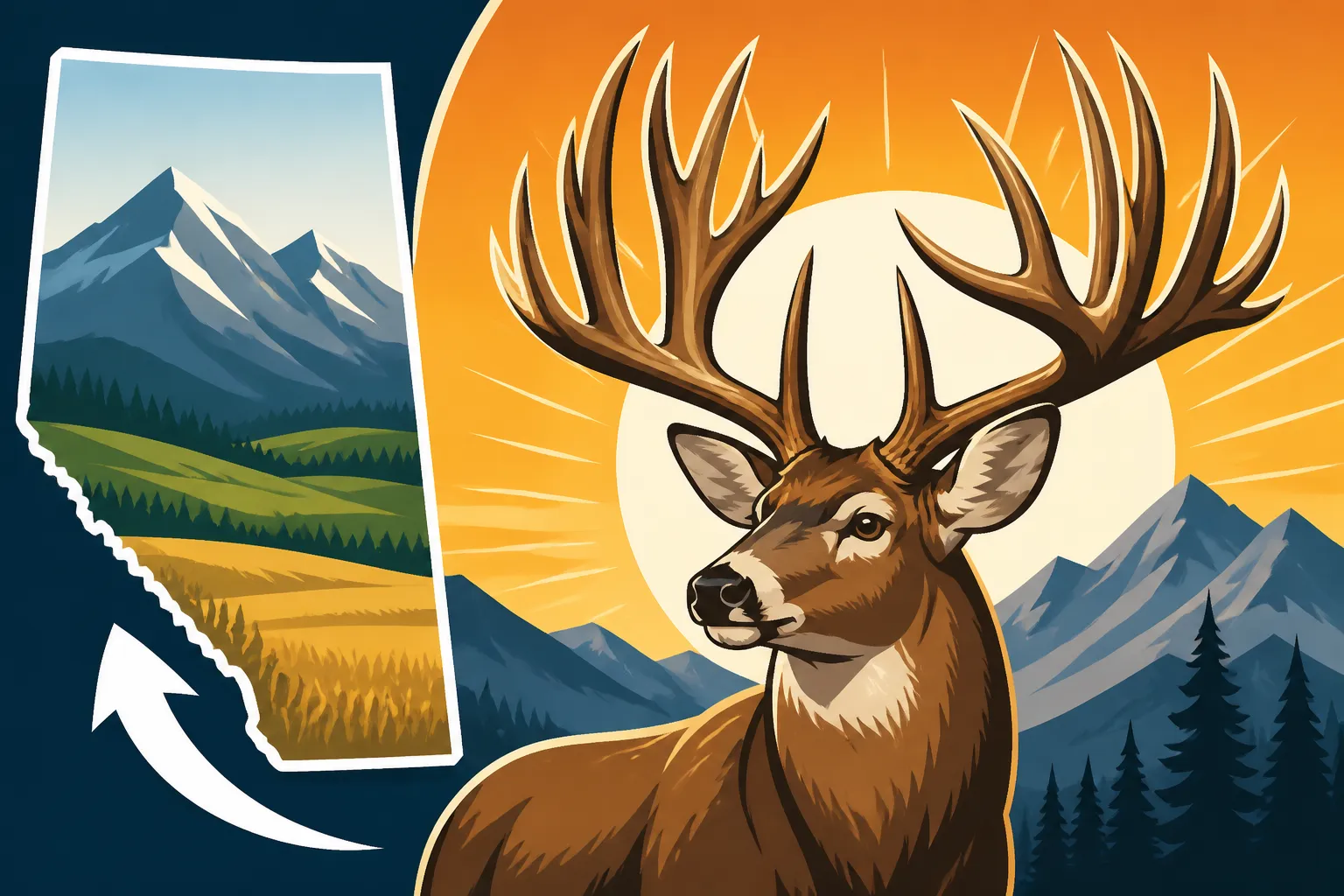
It’s a question every hunter who has set foot in Alberta eventually asks, or at least ponders deeply: what is it about this place that consistently produces such incredibly heavy, impressive antlers on our deer and moose? You see the photos, you hear the stories, and maybe you've even been lucky enough to stand over an animal with a rack that seems almost disproportionate to its body. It's not just luck, though a little never hurts! This guide will dive deep into the unique blend of environmental factors, genetics, and management practices that make Alberta a true powerhouse for antler growth, helping you understand why our big game animals often carry such magnificent crowns.
Alberta's Land: A Foundation for Monster Antlers
The truth is, antlers don't just spring from thin air. They are a direct reflection of an animal's overall health, which is meticulously built from the ground up, quite literally. Alberta's diverse landscape offers an almost unparalleled smorgasbord of resources that contribute to exceptional antler development.
Abundant, Diverse Forage
Imagine a buffet laid out specifically for deer and moose, packed with everything they need to grow bone at an incredible rate. That's essentially what much of Alberta provides. From the succulent forbs and lush browse in our vast boreal forests and foothills to the protein-rich agricultural crops that blanket our parkland and prairie regions, our big game animals have access to a phenomenal diet. Whitetails grazing along the edges of a pea field or in a standing canola field at dusk are getting a nutritional boost that’s hard to beat. Mule deer picking through an alfalfa field in a coulee bottom, or moose browsing on willows and aspen in a beaver meadow in the boreal, are all converting this high-quality forage into robust body mass and, crucially, impressive antler growth. This constant availability of diverse, nutrient-dense food throughout the growing season is a cornerstone of Alberta's antler reputation.
Water, Minerals, and Overall Health
Beyond just food, an animal needs ready access to clean water and vital minerals. Alberta is crisscrossed by countless rivers, streams, lakes, and potholes, providing essential hydration, especially during the hot summer months when antlers are in their rapid growth phase. When deer or moose are well-hydrated, their metabolic processes, including nutrient absorption and bone synthesis, function at peak efficiency. Furthermore, our soils are often rich in the trace minerals — like calcium, phosphorus, and magnesium — that are the very building blocks of bone. These minerals are absorbed by the plants, then ingested by the animals, directly fueling the dense, heavy mass that hunters prize. When you combine top-tier nutrition with consistent water and a steady supply of these critical minerals, you create an environment where big game animals can truly maximize their genetic potential. This also contributes to their overall health, making them more resilient to disease and stress, which further supports robust antler development.
Optimal Habitat and Cover
Even with the best food and water, an animal won't thrive if it's constantly stressed or exposed. Alberta's landscape offers an incredible variety of protective cover and diverse habitats. From the thick aspen bluffs in the parkland, which offer thermal cover from biting winds and scorching sun, to the dense coniferous forests of the foothills and boreal that provide security and escape routes, animals here can find refuge. This means they spend less energy trying to survive and more energy growing. A deer that can comfortably bed down in a thick willow run in farm country during the day, then emerge to feed on prime crops at night, is a deer that's putting all its resources into growth. This reduced stress directly translates into healthier animals with more energy reserves to put into antler production each year. Understanding how animals use this cover, whether it's Hunting an Aspen Bluff on Farm Ground or stalking a mule deer in the badlands breaks, is key to consistently finding these trophy-class animals.
The Role of Genetics and Smart Management
While the land lays the foundation, the genetics of the animals themselves and the way we manage our herds are equally crucial. It's a powerful combination that allows Alberta to consistently punch above its weight in the big antler department.
Inherited Potential for Growth
Just like a champion racehorse comes from a lineage of fast horses, big-antlered deer and moose often come from a long line of animals with superior genetics for antler growth. Alberta's populations, particularly in many key Wildlife Management Units (WMUs), possess a strong genetic predisposition for growing large racks. This isn't just about the size of the rack, but also its density, symmetry, and overall mass. Over generations, healthy, strong animals that survive and breed pass on these desirable traits. While nutrition can influence how fully this genetic potential is realized, the underlying blueprint for a heavy set of antlers is passed down from sire to offspring. It's why certain areas consistently produce bigger deer or moose—the genetic pool is just richer. GoHunt's resources can be really helpful in researching specific WMUs and their history of producing trophy animals.
Regulations that Foster Maturity
One of the unsung heroes in Alberta's big antler story is our provincial wildlife management strategy. Regulations are designed not just for harvest, but for herd health and age structure. Antler point restrictions (APRs) in some WMUs, combined with our special license draw system, work to protect younger, genetically superior bucks and bulls, giving them the chance to mature. Many of these animals need several years to reach their full antler potential. By restricting the harvest of younger animals, especially in certain zones, we allow a higher percentage of males to reach prime antler-growing age, typically between 4.5 and 7.5 years for deer. This "let them grow" philosophy means that when you do encounter a mature buck or bull in Alberta, it's had the time and resources to develop a truly impressive rack. This is a critical distinction from areas where intense hunting pressure might remove animals before they've had a chance to express their full genetic potential.
Predator Dynamics and Herd Vigor
It might seem counterintuitive, but a healthy predator population can actually contribute to the overall vigor and antler quality of a prey species. Predators like wolves, bears, and coyotes, which are present across much of Alberta's hunting landscape, tend to target the weak, old, or sick animals. By culling these less robust individuals, predators inadvertently help maintain a stronger, healthier gene pool in the prey species. This natural selection process ensures that the animals most capable of surviving, thriving, and reproducing are the ones with superior health and, by extension, better antler-growing potential. While no hunter wants to lose an animal to a predator, the long-term benefit to herd health and the perpetuation of strong genetics is undeniable. The balance of predator-prey is a complex ecosystem dance, and in Alberta, it often favors the growth of impressive animals.
How Climate and Ecosystems Drive Antler Development
Alberta's geographical position and diverse ecosystems play a massive role in the annual antler cycle, influencing everything from when antlers start growing to how massive they ultimately become.
Long Growing Seasons and Winter Resilience
The rhythm of antler growth is largely dictated by the seasons, and Alberta offers a potent combination. Our springs arrive with an explosion of rich, protein-packed forage as the snow melts and green-up begins. This provides a sustained period of high-quality nutrition throughout the late spring and summer, which is precisely when antlers are undergoing their most rapid growth. The mild, yet distinctly four-season climate means that animals are building strong body reserves during the fall, preparing for winter. While Alberta winters can be harsh, the sheer hardiness of our deer and moose populations means that many animals enter the spring in good condition, ready to put that energy into their new racks. A good winter means less stress and more energy reserved for antler development come spring. On the flip side, even a hard Alberta winter culls game, removing weaker animals and leaving the strongest to carry on.
Species-Specific Habitat Niches
Alberta isn't just one big homogenous hunting ground; it's a tapestry of distinct ecosystems, each perfectly suited to certain big game species. This specialization allows each species to truly excel. For example, the vast, unbroken boreal forest and numerous wetlands provide the ideal mix of browse, water, and seclusion that allows moose to grow truly enormous racks. The unique blend of dense cover, river bottom food sources, and agricultural interfaces found in the parkland regions creates perfect conditions for trophy whitetails. The rugged badlands and expansive prairie coulees, often interspersed with agricultural fields, offer mule deer exactly what they need for nutrition and security to develop those wide, heavy frames. This environmental specialization means that each species has its "sweet spot" where conditions are optimized for maximum antler growth, contributing to Alberta's overall reputation for impressive trophies. If you're looking for Where Alberta's Biggest Bulls Come From, you'll often find them in these prime, species-specific habitats.
The Proof: Big Deer and Moose Across Alberta
Talk is cheap, but the record books and countless hunter photos don't lie. Alberta consistently ranks high for trophy-class animals, a testament to the combined factors we've discussed.
Whitetails in the Parkland and River Bottoms
If you're chasing heavy, typical whitetail racks, Alberta's parkland and major river valleys are legendary. The mosaic of aspen bluffs, agricultural fields (think canola, peas, barley, and alfalfa), and riparian zones creates a whitetail paradise. These deer literally live on a buffet. They have ample high-protein, high-energy forage from crops, plenty of thick cover for bedding and security, and reliable water sources. This perfect storm of conditions, coupled with good genetics and management, means that bucks here can put on incredible amounts of bone each year. It's why discussions about Why Alberta Whitetails Score So Well often circle back to these productive agricultural and parkland areas. You’ll find big-bodied deer that carry dense, wide racks that are the envy of hunters everywhere.
Mule Deer in Coulees and Open Prairie
When it comes to mule deer, Alberta's southern prairie and badlands regions offer a unique environment that grows massive bucks. The broken topography of coulees, draws, and river breaks provides ideal security cover, thermal refuge, and travel corridors. These areas are often adjacent to vast tracts of agricultural land, giving the mule deer access to the same nutrient-rich crops that benefit whitetails. A big mule deer buck can spend its day bedded high in a coulee, watching the world, and then drop down to feed in a sheltered field edge as dusk settles. This combination of rugged escape terrain and readily available, high-quality food allows them to grow those iconic, deep-forked, heavy antlers that mule deer hunters dream about. Mastering Hunting Mule Deer in the Badlands Coulees is often the key to finding these giants.
Moose in the Boreal and Foothills
For the truly massive racks of a Shiras or Canada moose, Alberta's vast boreal forest and northern foothills are where it's at. These expansive wilderness areas are rich with the preferred browse of moose, such as willow, aspen, balsam poplar, and various aquatic vegetation. The extensive network of lakes, rivers, and muskegs provides not only critical water but also ideal aquatic browse that is particularly rich in minerals. Combine this abundant forage with vast tracts of undisturbed wilderness where moose can mature to their full potential, and you have the recipe for truly giant bulls. These areas offer the seclusion and consistent nutrition needed for a moose to develop those broad, heavy paddles that make them such an incredible trophy. GoHunt can be a great tool for scouting these remote, roadless areas and identifying potential moose habitat.
Here’s a quick summary of how these factors come together:
| Factor | Whitetail Deer | Mule Deer | Moose |
|---|---|---|---|
| Primary Forage | Agricultural crops (peas, alfalfa, canola), forbs, aspen, willow | Agricultural crops, shrubs, forbs, sagebrush | Willow, aspen, balsam poplar, aquatic plants |
| Key Habitat Types | Parkland, river valleys, aspen bluffs, farm edges | Prairie coulees, badlands, broken country, farm fringes | Boreal forest, foothills, wetlands, burns, cutlines |
| Nutrient Richness | High (crops, fertile soils) | High (crops, mineral-rich soils) | Very High (diverse browse, aquatic vegetation) |
| Cover Availability | Excellent (dense bush, riparian zones, timber) | Excellent (rugged terrain, coulees, sparse timber) | Excellent (dense timber, muskeg, vast wilderness) |
| Antler Potential | Heavy mass, wide typical and non-typical racks | Wide, deep-forked racks, significant mass | Expansive paddles, high points, immense mass |
| Management Focus | APRs, general seasons, draw opportunities | APRs, general seasons, draw opportunities | Draw system, limited tags, age structure |
Ultimately, Alberta is a special place where a unique confluence of geography, rich resources, strong genetics, and sound wildlife management creates an environment where big game animals can truly flourish and express their full antler-growing potential. It's not just a myth; it's a verifiable reality, making Alberta a top destination for hunters seeking magnificent antlers.
Disclaimer
This article is for general informational purposes only and does not constitute professional advice. Laws, prices and regulations vary by location and change over time. Consult a qualified professional for guidance on your specific situation.