What a Big Alberta Whitetail Weighs
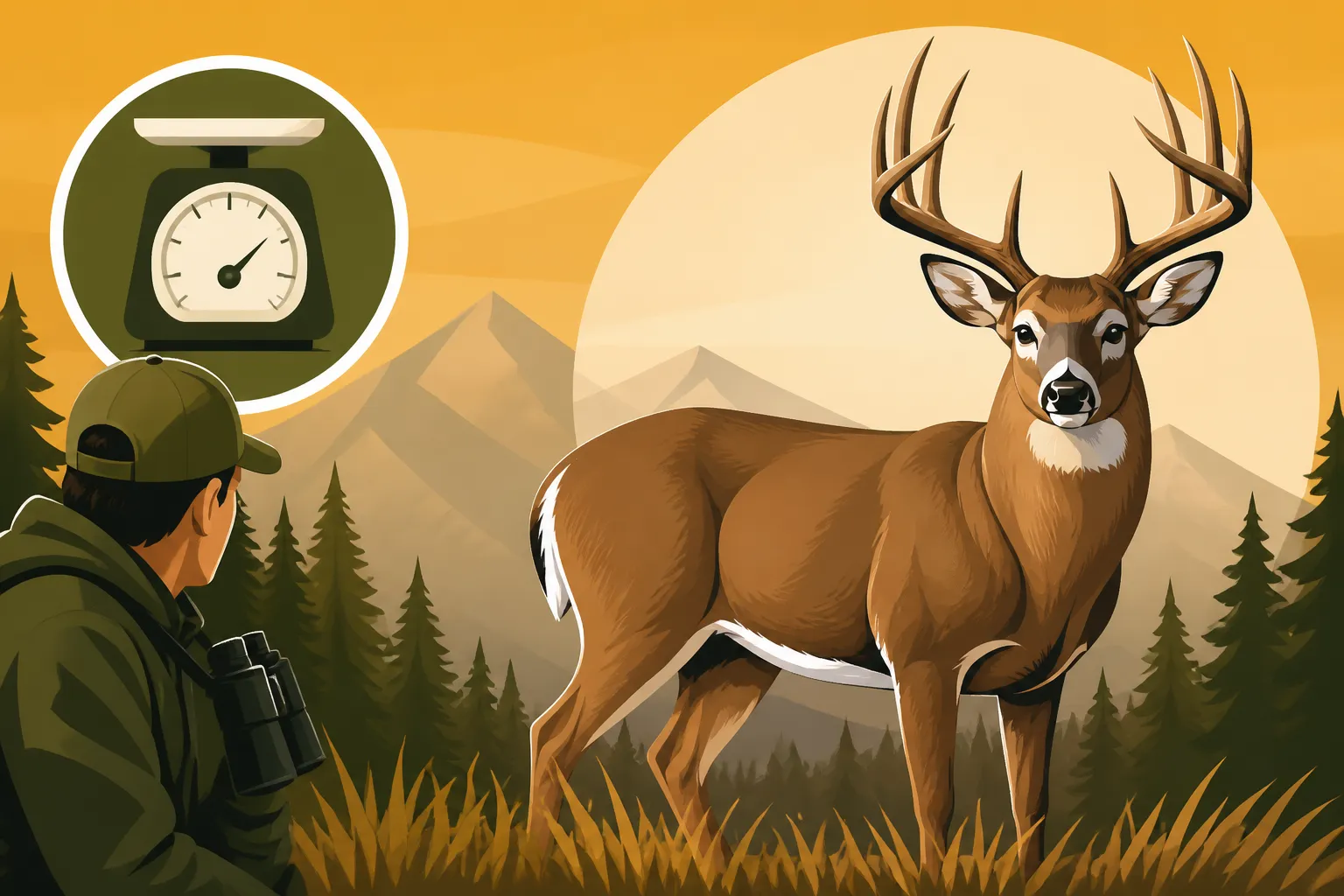
It's a common hunter's lament: you see a monster buck step out, and your mind immediately jumps to antler points and inches. But for those of us who also put meat in the freezer, the real question often becomes, "How much does that truly 'big' Alberta whitetail weigh?" It's not just about the brag, it's about the reality of getting that animal out of the bush, processing it, and understanding the sheer impressive mass of a mature deer in this province. This guide aims to pull back the curtain on the actual body weights of big Alberta whitetails, helping you prepare for the harvest of a lifetime.
Understanding "Big": Beyond the Antlers
When we talk about a "big" whitetail in Alberta, it's easy to immediately picture a wall-hanger with towering tines and impressive mass. And while antler size is definitely a component of "big," the true measure of a robust, mature Alberta whitetail often comes down to its body weight. This is where the rubber meets the road, quite literally, when you're faced with field dressing and packing out a truly heavy animal. The sheer physical size can be astonishing, often surprising hunters more accustomed to deer in other regions.
Average vs. Exceptional Body Weights
Let's get down to some realistic numbers. An average mature whitetail buck in Alberta, say a 3.5 to 4.5-year-old, will often weigh in the range of 200 to 250 pounds live weight, especially in the richer agricultural and parkland areas. These are solid, well-fed animals that have had a few years to grow. Does, for comparison, typically range from 120 to 180 pounds live weight. These figures are generally understood as the baseline for a healthy adult deer.
However, when we talk about a big Alberta whitetail, we're often looking at bucks that push, or even exceed, the 300-pound mark. These are usually older, more dominant animals, 5.5 years and up, that have had prime access to forage and have successfully navigated several hunting seasons. A buck weighing 300 pounds or more, dressed, is truly exceptional and a testament to the quality of the habitat and the deer's longevity. It's important to differentiate between live weight and field-dressed weight (gutted, with entrails removed), as most hunters will only get a dressed weight. Typically, field dressing removes about 25-30% of the live weight. So, a 300-pound live weight buck would yield roughly 210-225 pounds dressed, which is still a substantial amount of meat and bone.
Factors Influencing Whitetail Weight: Genetics, Nutrition, Age
The impressive size of Alberta whitetails doesn't happen by accident; it's a complex interplay of several crucial factors. Understanding these elements can help you predict where you might find those heavier-bodied deer and what contributes to their overall health and stature.
Firstly, genetics play a foundational role. Just like in humans or livestock, some deer simply have the genetic potential to grow larger bodies and bigger antlers. While we, as hunters, can't directly manipulate genetics in wild populations, the presence of historically large deer in certain regions indicates a strong genetic lineage. This is why some areas consistently produce bigger deer than others, year after year.
Secondly, nutrition is absolutely paramount. Alberta is blessed with incredibly rich agricultural lands and diverse natural forage, particularly in the central and southern portions of the province. Areas with abundant high-protein browse, lush alfalfa fields, swathed grain, and ample water sources allow whitetails to maximize their growth potential. A deer that has consistent access to a high-quality diet will not only grow larger antlers but also put on significant body mass, enabling them to better survive harsh winters and the rigors of the rut. You can often tell the difference between a deer that's been feeding on marginal bush forage compared to one that's been consistently raiding a farmer's canola field.
Finally, and perhaps most obviously, age is a critical factor. Whitetails, particularly bucks, continue to grow in body size and antler mass until they reach their prime, typically between 4.5 and 6.5 years old. Younger bucks, even if genetically predisposed to size, simply haven't had enough time to fully develop. Older bucks have survived more hunting seasons, more severe winters, and more battles during the rut. Their accumulated years of growth translate directly into a heavier, more formidable animal. When you're Judging a Mule Deer Buck at Distance or a whitetail, age assessment is key, not just for antlers, but for body mass.
The Impact of Region on Whitetail Size
Alberta is a vast province, encompassing a wide array of ecosystems, from open prairies to dense boreal forests and rugged foothills. Each of these regions presents unique challenges and opportunities for whitetail deer, which in turn influences their average body weight and overall health. Knowing the characteristics of a particular Alberta's Wildlife Management Units can give you a better idea of the size of the deer you might encounter.
Prairie and Parkland Whitetails
The prairie and parkland regions of Alberta, particularly the central and southern agricultural belts, are renowned for producing some of the largest-bodied whitetails in North America. These areas offer an unparalleled buffet of high-energy crops like wheat, barley, canola, and peas, supplemented by natural browse along river bottoms and in aspen bluffs. This abundant, nutrient-rich food source, combined with generally milder winters compared to the far north, allows deer to reach their genetic potential for size.
In these "grocery store" environments, it's not uncommon to encounter mature bucks pushing or exceeding 300 pounds live weight. Their physical condition is often excellent, with thick neck muscles and deep chests. Hunters often find these deer Hunting a Standing Canola Field Edge or near shelterbelts. The sheer volume of high-quality feed translates directly into robust body development, giving them a significant advantage in growth and survival. Hunters targeting these zones during Alberta's General Seasons often prioritize these areas for their larger deer.
Boreal Forest Whitetails
Moving north into the vast expanses of Alberta's Boreal Forest, the situation changes somewhat. While these areas hold healthy populations of whitetails, the average body size tends to be a bit smaller than their prairie counterparts. The forage base here is different; less agricultural crops and more natural browse like willow, aspen, and various shrubs. While nutritious, it's generally not as calorie-dense as agricultural crops.
Deer in the boreal forest also face tougher winters with deeper snow, which can lead to increased energy expenditure and limited access to food. This can impact their overall body condition and growth rates. However, don't let this discourage you; the boreal forest still produces very respectable whitetails, and a mature buck in these regions is still a formidable animal, often weighing in the 200-250 pound live weight range. Finding areas with good mixed forest and wetlands, or targeting Hunting Moose Around Alberta Beaver Ponds, can yield impressive whitetails in the northern bush.
Foothills and River Valley Whitetails
The foothills, characterized by rolling terrain, mixed forests, and proximity to river systems, offer a blend of both worlds. Whitetails here benefit from a diverse diet of forest browse and the richer vegetation found along river valleys and agricultural fringes. The topography also provides excellent cover and varied habitats.
Deer in these areas often display a good balance of size, typically falling between the large prairie deer and the slightly smaller boreal deer. Mature bucks often range from 220 to 280 pounds live weight. The availability of consistent water sources and varied forage throughout the year supports healthy growth. River valleys, in particular, act as natural corridors and provide excellent bedding and feeding opportunities, often concentrating deer. Looking for areas where they might be Hunting a Foothills Bench Above a Creek can be productive.
Here's a general breakdown of live weights by region for mature bucks (4.5+ years old):
| Region | Average Live Weight (lbs) | Exceptional Live Weight (lbs) | Primary Food Sources |
|---|---|---|---|
| Prairie/Parkland | 250 – 300 | 300+ | Grains, alfalfa, canola, natural browse, river bottom trees |
| Boreal Forest | 200 – 250 | 270+ | Willow, aspen, diverse shrubs, forest regeneration |
| Foothills/River Valleys | 220 – 280 | 290+ | Mixed forest browse, riverine vegetation, some agriculture |
Real-World Scenarios and Practical Considerations
Knowing the potential size of an Alberta whitetail is one thing; dealing with it in the field is another. The reality of a 250-300+ pound animal, often downed in tough terrain or far from a road, brings a whole new set of considerations for the prepared hunter. It's not just about the shot, but everything that comes after. When you're Hunting the Rut in Early November, you might encounter some of the biggest, most active bucks of the season.
Field Dressing and Meat Care Expectations
Harvesting a genuinely big Alberta whitetail means you'll have a significant amount of work ahead of you. Field dressing a 250-pound deer is considerably more strenuous than a 150-pound deer. The sheer volume of internal organs, the larger bone structure, and the overall bulk require more physical effort and a keen understanding of efficient processing. Make sure you have a sharp, sturdy knife, a game bag or two, and ideally, some strong game shears if you plan to split the pelvis. Having a good headlight is crucial, as often the biggest deer step out just as light fades.
Meat care is paramount, especially during Alberta's variable fall temperatures. A large body mass retains heat much longer than a smaller one, increasing the risk of spoilage if not cooled rapidly. If you harvest a big buck, especially on a warmer day (which can happen even in October or November), you'll need to work quickly to get the hide off and the carcass cooling. Quartering the animal in the field, even if you don't plan to bone it out, can significantly aid in cooling and makes extraction much more manageable. Pay close attention to Meat Care in Alberta's Cold and Warm Swings to prevent spoilage.
When the weather turns really cold, as it often does during Hunting Deep Cold Late in the Season, the challenge shifts from cooling to preventing freezing before proper processing. This is a good problem to have, but it still requires careful handling. Ensuring the meat is protected from dirt and predators is also vital. Always be prepared for the work that follows a successful hunt, no matter the size of the animal.
Equipment and Logistics for a Heavy Harvest
Dealing with a large whitetail extends beyond just the initial field dressing; it involves a well-thought-out plan for extraction and transport. This is where your gear and your hunting buddies truly earn their keep. Trying to drag a 250+ pound buck solo through thick bush or deep snow can be an impossible task, especially if you're far from a road or quad trail.
Consider investing in a good quality game cart if you hunt areas with relatively flat terrain or accessible trails. These can be lifesavers for moving heavy animals, saving your back and making the process much more efficient. For more rugged or remote areas, quartering and using a robust hunting backpack with a strong frame is often the only feasible option. Having extra game bags is essential for this, to keep the meat clean and protected. Even if you're Hunting Whitetails on Alberta Crown Land that might be close to a road, that last 100 yards can feel like a mile with a heavy deer.
For those planning to hunt in more remote areas, or those using a scouting tool like GoHunt to analyze terrain and potential bedding areas, always factor in the "what if" scenario of downing a giant. How will you get it out? Do you have enough help? Do you have a quad or side-by-side (and are you permitted to use it in that area)? Proper planning for extraction is just as important as shot placement. Thinking about Getting a Deer Out on a Frozen Trail requires a different strategy than a dry, open field. Being prepared for the physical demands and logistical challenges will ensure that the joy of harvesting a big Alberta whitetail isn't overshadowed by the difficulties of getting it home.
Disclaimer
This article is for general informational purposes only and does not constitute professional advice. Laws, prices and regulations vary by location and change over time. Consult a qualified professional for guidance on your specific situation.