Where Alberta Grows the Biggest Whitetails
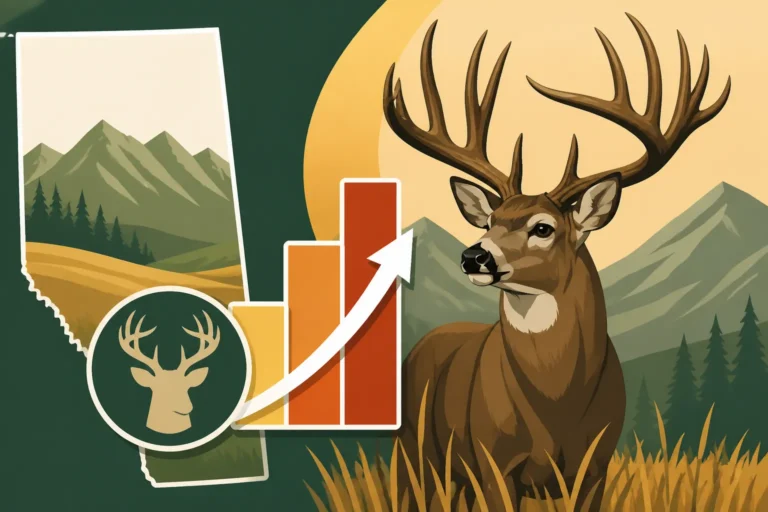
It’s a question that echoes in every hunter's mind as they plan their season: where do the really big whitetails live? We all dream of that giant buck, the kind with heavy antlers and a deep, thick body, but pinpointing exactly where they consistently grow in a vast province like Alberta can feel like searching for a needle in a haystack. This guide is dedicated to pulling back the curtain, exploring the prime habitats and environmental factors that contribute to Alberta producing some truly world-class whitetail bucks.
Understanding the Ingredients for a Giant Whitetail
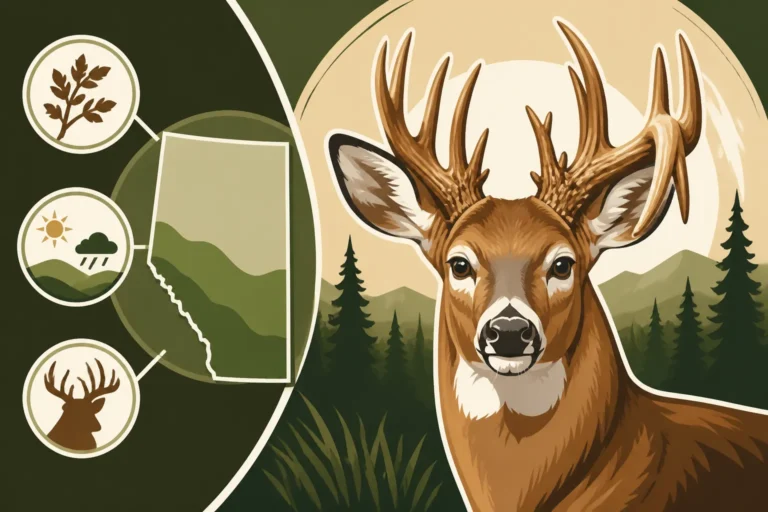
Before we dive into specific locations, it's crucial to understand what makes a whitetail buck truly big. It’s not just luck; it’s a delicate balance of genetics, nutrition, age, and pressure. When these factors align perfectly, that’s when you start seeing those Boone and Crockett contenders strutting through the timber. Alberta, thankfully, has many regions where this alignment happens more often than not.
The Genetic Blueprint for Big Antlers
Just like in humans, genetics play a significant role in a whitetail buck's potential. Some deer simply have the genetic code to grow larger, more impressive antlers. While we can’t exactly hand-pick a buck’s lineage in the wild, understanding that certain populations consistently produce bigger deer gives us a starting point. These genes are passed down through generations, and areas with historically strong deer populations often show this genetic advantage. It’s not about finding a single "super buck," but rather a herd where the average genetic potential is higher, meaning more bucks have the inherent capability to grow larger racks if given the chance.
The Critical Role of Nutrition
Think of a whitetail buck as a finely tuned athlete – it needs top-tier nutrition to reach its full potential. Alberta offers incredibly rich food sources in many areas, providing the necessary protein, minerals, and energy for rapid body growth and antler development. From lush alfalfa fields and high-protein peas and canola in agricultural zones to a diverse array of browse and forbs in more natural settings, the abundance and quality of food directly correlate with antler size. Bucks in areas with nutrient-dense feed can allocate more resources to antler growth after their body has reached maturity. This is why you often hear about agricultural areas producing massive deer; the readily available, high-quality food source is simply unparalleled.
The Value of Age and Low Hunting Pressure
This might be the most critical factor: a big buck needs time to grow. Most whitetails don't reach their peak antler size until they are 4.5 to 6.5 years old, sometimes even older. If hunting pressure is too high, most bucks are harvested before they can reach this prime age class. Therefore, areas with limited access, vast tracts of challenging terrain, or those where hunters prioritize letting smaller bucks walk, tend to consistently produce bigger deer. Hunters who focus on letting young bucks walk contribute significantly to the overall antler quality in a region, allowing the herd to mature and express its full genetic and nutritional potential. This patience is a real virtue for those chasing giants.
The Classic Alberta Hotbeds for Big Whitetails
Alberta is a huge province, but certain regions have earned a reputation over the years for consistently producing large whitetails. These aren't secrets held by a select few, but rather well-known areas that, with enough scouting and effort, can yield incredible results.
The Parkland Region and Agricultural Edges
If there’s one region in Alberta synonymous with big whitetails, it’s the aspen parkland. This transitional zone between the open prairie and the dense boreal forest offers the perfect blend of rich agricultural fields for food and dense, protective cover in the form of aspen bluffs, willow thickets, and river bottom timber. The whitetails here are truly masters of using this varied landscape to their advantage. They can gorge themselves on protein-rich crops like canola, peas, and alfalfa during the night, then disappear into thick cover for bedding during the day, making them incredibly elusive despite their proximity to human activity.
These "bush edge" environments are especially productive. Deer don't have to travel far from their food source to find security, which means less energy expended and more allocated to growth. Focus on WMUs that straddle these agricultural and natural areas, particularly those with less road access or larger, unfragmented blocks of timber. You can often find incredible bucks hiding in plain sight in these areas, particularly during the rut when they become more active. Scouting these areas, perhaps with tools like GoHunt that provide satellite imagery and land ownership maps, can be invaluable for identifying key bottlenecks and bedding areas.
River Valleys and Riparian Corridors
Alberta’s major river systems, like the North Saskatchewan, Battle, and Red Deer rivers, are lifeline habitats for big whitetails. These river valleys carve deep into the landscape, providing consistent water sources, a rich diversity of browse, and often very thick, difficult-to-access cover along the banks and in the coulees leading down to the water. The microclimates within these valleys can also be more temperate, offering some respite during harsh winters. Bucks often use these corridors as travel routes, especially during the breeding season, moving between larger blocks of habitat.
Hunting these river bottoms is often a physically demanding task, involving steep climbs, thick brush, and sometimes unpredictable water crossings. This natural barrier often means less hunting pressure compared to more accessible areas, allowing bucks to reach older age classes. For those willing to put in the work, the rewards can be substantial. Look for areas where feeder creeks flow into the main river, creating additional fingers of cover and food, or where the river creates natural funnels. Targeting these areas during the general season, or even considering Alberta's September Archery Opener can be incredibly effective.
Unsung Heroes: Overlooked and Under-Pressured Zones
While the classic hotbeds are popular for a reason, smart hunters also know that some of the biggest bucks come from areas that are simply overlooked or too challenging for the average hunter. These are the unsung heroes of big whitetail country, often requiring more effort but offering potentially greater rewards.
Remote Foothills and Transition Zones
Many hunters focus on the agriculture-rich parkland, but the transition zones where the foothills meet the boreal forest or the western edge of the parkland can also hold some incredible deer. These areas often have a mix of coniferous and deciduous forest, open meadows, and rough, broken terrain. The deer here might not be as numerous as in the agricultural zones, but the ones that survive to maturity tend to be robust, carrying heavy bone. Access can be more challenging, with fewer roads and more reliance on hiking, quads, or even horseback.
The key to success in these areas is often finding isolated pockets of habitat that receive minimal human disturbance. Look for thick, north-facing slopes for bedding, diverse food sources in mixed forest, and water. These bucks might not have the pure agricultural protein, but they thrive on a varied diet and the benefit of low pressure. Consider Hunting Alberta's Foothills Country for a broader understanding of this rugged landscape and how to navigate it effectively. It's a different kind of hunt, but one that can pay off big time.
Large Tracts of Public Land with Limited Access
It's a common misconception that all big whitetails come from private land. While agricultural private land certainly offers advantages, Alberta has vast amounts of Crown land that, due to their size, remoteness, or challenging terrain, receive very little hunting pressure. Think about the larger blocks of public forest in the White Area or even specific areas within Public Land Use Zones (PLUZs) that are a significant distance from any road. Bucks in these areas might not have the pure protein of a canola field, but they have the ultimate luxury: age. They live long enough to mature fully.
Finding these zones requires diligent map scouting, perhaps using detailed mapping applications or understanding how to Reading an Alberta WMU Map Before You Go. Look for un-named trails, old logging roads that have grown in, or areas where topographical features create natural barriers to entry. The more effort it takes to get there, the less competition you'll likely face. When scouting these areas, pay attention to Reading Whitetail Sign in Alberta Aspen Bluffs as even in remote areas, deer leave plenty of clues.
Habitat Features that Foster Trophy Whitetails
Beyond broad regional categories, specific habitat characteristics within these areas are critical for growing and holding trophy-class whitetails. These are the features you should actively seek out when scouting.
Diverse Food Sources and Cover
The best whitetail habitat isn't a monoculture; it's a diverse smorgasbord. Bucks need a variety of food sources throughout the year, from protein-rich early season forage to calorie-dense late-season options. This includes agricultural crops, as mentioned, but also natural browse like willow, saskatoon, chokecherry, and aspen shoots. Coupled with this, they need thick, impenetrable cover for bedding, especially mature bucks who are notoriously wary. This cover can be dense aspen regeneration, willow thickets along water bodies, or even marshy areas that are difficult for humans to traverse.
Ideal locations often feature a mosaic of these elements: a bedding area that flows into a feeding area, with natural travel corridors in between. Imagine a dense patch of 10-15 year old aspen regeneration bordering a swathed barley field, with a willow-lined creek running through the middle. This combination provides everything a big buck needs to survive, grow, and evade predators and hunters. Understanding these relationships is key to deciphering where a buck will spend its time.
Water Sources and Thermal Protection
Water is essential for all wildlife, and whitetails are no exception. Consistent, accessible water sources are critical, especially in drier years or during the late season when natural sources might freeze. Sloughs, small creeks, and dugouts can act as magnets. Beyond water, thermal protection is vital, particularly during Alberta's notoriously harsh winters. Thick stands of conifers (spruce, pine), dense willow bottoms, or even deep coulees offer shelter from bitter winds and heavy snow. These areas allow deer to conserve energy, which is directly tied to their ability to survive and, for bucks, recover and grow antlers the following season.
These sheltered areas become critical wintering grounds, and understanding Where Alberta Whitetails Bed in Deep Snow can be a game-changer for late-season hunting. They reduce stress, which means healthier deer going into the spring. A buck that doesn't have to fight to survive the winter has more resources to put into growing that massive rack we all dream of.
Strategic Approaches to Hunting Alberta's Biggest Whitetails
Once you've identified potential areas, the next step is applying sound hunting strategies tailored to these wary giants. This isn't about simply walking into the bush; it's about thoughtful planning, meticulous scouting, and often, a hefty dose of patience.
In-Depth Scouting and Understanding Deer Movement
Finding big bucks consistently requires more than just showing up on opening day. It demands extensive scouting, both during the off-season and leading up to the hunt. Utilize mapping software like GoHunt to analyze aerial imagery for bedding areas, travel corridors, and potential food sources. Boots-on-the-ground scouting is irreplaceable for finding fresh sign, rubs, scrapes, and confirming deer activity. Pay close attention to subtle shifts in terrain, pinch points, and natural funnels that can concentrate deer movement.
Understanding the yearly cycle of deer movement is also crucial. Where are they in early season versus Hunting the Rut in Early November? How do they react to pressure or changes in weather? For example, during the rut, bucks will often leave their security cover to search for does, making them more vulnerable. Learning to identify and interpret deer sign, from tracks to bedding areas, allows you to predict their movements and intercept them.
Low-Impact Hunting and Pressure Management
Mature bucks are incredibly sensitive to hunting pressure. A single mistake – a noisy approach, a misplaced scent, or being spotted – can make a trophy buck nocturnal or push it off your property entirely. Successful hunters of big whitetails often employ low-impact strategies, minimizing their presence in core bedding areas and carefully planning entry and exit routes to stands. This might mean walking an extra mile, using a specific wind, or only hunting a stand when conditions are absolutely perfect.
For particularly pressured areas, consider using tactics that keep you out of the deer's primary living space. Hunting the edges of thick cover, focusing on transition points, or hunting only when deer are on the move (e.g., first and last light) can be effective. This mindful approach helps reduce the overall pressure on the herd, contributing to the longevity of mature bucks in the area. Remember, the goal isn't just to find a big buck, but to hunt it in a way that doesn't blow it out of the country for good.
Realistic Expectations and Ethical Considerations
While Alberta definitely holds the potential for world-class whitetails, it's important to temper expectations with a dose of realism and adhere to ethical hunting practices.
The Impact of CWD and Environmental Factors
Chronic Wasting Disease (CWD) is a serious concern for Alberta's deer population. While it doesn't directly affect antler growth in all cases, it's a fatal neurological disease that can reduce herd health and ultimately, population numbers and the potential for older, larger deer. Alberta has mandatory Alberta's CWD Testing Requirements in many WMUs, and submitting heads for testing is a critical part of monitoring the disease. Understanding What Alberta Does With a Positive CWD Result is also important. Hunters should be aware of CWD prevalence in their chosen WMU and make informed decisions.
Beyond CWD, environmental factors play a huge role. Harsh winters can result in significant How a Hard Alberta Winter Culls Game, particularly among fawns and older bucks that are already weakened. Droughts can impact forage quality and quantity. While Alberta has incredible resources, these natural cycles and challenges are always at play, affecting deer populations and trophy potential year-to-year.
Respecting Landowners and Regulations
Accessing prime whitetail habitat often means navigating Getting Private Land Permission in Alberta. Landowner relations are paramount. Always ask for permission, respect their property, and follow any specific rules they set. A good relationship with a landowner can open doors to incredible hunting opportunities and is essential for the future of hunting in Alberta.
Beyond private land, it's crucial to be intimately familiar with the Alberta Whitetail General Season Dates and all other hunting regulations for your specific WMU. This includes legal shooting hours, bag limits, and ethical shot placement. Ethical hunting means doing everything in your power to make a clean kill and recover your animal. Alberta has incredible hunting, and by being responsible and informed, we can ensure it remains that way for generations to come.
| Region/Habitat Type | Key Characteristics | Typical Antler Quality | Hunting Pressure | Access Challenge |
|---|---|---|---|---|
| Parkland/Ag Edges | Rich crops, dense aspen/willow cover, river valleys. | High (mass & spread) | Moderate to High | Moderate |
| River Valleys | Consistent water, diverse browse, steep terrain, thick riparian zones. | High (mass & tines) | Moderate | Moderate to High |
| Remote Foothills | Mixed forest, broken terrain, diverse natural browse, limited roads. | Good (dense bone) | Low to Moderate | High |
| Large Public Lands | Vast unfragmented blocks, challenging access, deep security cover. | Very Good (age benefit) | Low | High |
Disclaimer
The information provided in this guide is for general knowledge and informational purposes only, and does not constitute legal advice. Hunting regulations, seasons, and access rules in Alberta can change frequently. Always consult the official Alberta Hunting Regulations (available from Alberta Environment and Parks) before planning any hunting activity. It is the hunter's responsibility to know and follow all applicable laws and regulations.