Alberta Whitetail General Season Dates
It can be incredibly frustrating trying to pin down the exact dates for Alberta's whitetail general hunting season, especially when you're trying to plan your precious hunting days around work and family. With so many Wildlife Management Units (WMUs) and different weapon types, it feels like you need a secret decoder ring just to figure out when you can actually get out in the bush. This guide will walk you through understanding Alberta's whitetail general season dates, clarifying the nuances so you can confidently plan your next hunt.
Understanding Alberta's General Whitetail Seasons
When we talk about "general season" for whitetails in Alberta, we're generally referring to the periods when resident hunters can pursue deer with a general licence, without needing to be successful in a special draw. This is the bread and butter for most Alberta whitetail hunters, offering ample opportunity across a vast landscape. However, the term "general" can be a bit misleading because the dates and legal methods vary significantly depending on where you plan to hunt and what you plan to hunt with. It's not a province-wide free-for-all on one specific date; rather, it's a tapestry of varying start and end times across Alberta's diverse Wildlife Management Units (WMUs).
What "General Season" Truly Means
For many, "general season" often implies rifle season, which is indeed a major component. However, Alberta also has general archery seasons for whitetails that precede the rifle opener, and sometimes even general muzzleloader seasons. The key distinction from "special licence" seasons is that a general licence can be purchased over-the-counter by any eligible resident hunter for a specific WMU, without going through the draw system. This means if you want to hunt a specific WMU for general whitetails, you can usually just buy the licence and go, assuming the season is open and you meet all other regulatory requirements. This accessibility is what makes the general whitetail hunt so popular, especially for those looking for consistent opportunities year after year without relying on draw success. Many hunters will be out there for Bowhunting Alberta's Early Archery Seasons, before the general firearms season even begins.
Regional Differences in Whitetail Seasons
Alberta is a huge province, stretching from the prairies in the south to the boreal forest in the north, and these vastly different ecosystems mean deer populations, hunting pressure, and therefore season dates, are not uniform. You'll find distinct season structures in the different regions:
- Prairie WMUs: In the wide-open prairie and badlands of Southern Alberta, whitetail general seasons might be slightly shorter or have specific antler point restrictions in some WMUs to manage the herd. Access often depends on private land permission, which can influence hunting opportunities even during open seasons.
- Parkland WMUs: This zone, a mosaic of aspen bluffs, agricultural fields, and river valleys, is often a hotspot for whitetails. General seasons here tend to be robust, offering good archery and rifle opportunities. However, these areas are also often densely populated, meaning more hunters and more stringent rules regarding proximity to dwellings and roadways.
- Foothills WMUs: As you move into the foothills, season dates can align more with broader forest management areas, sometimes with different start and end dates compared to the agricultural zones. The terrain is tougher, and whitetails might be more spread out, making the hunt more physically demanding but often less pressured.
- Boreal Forest WMUs: Up north in the vast boreal forest, seasons tend to be quite long, often starting earlier and extending later into the winter. Whitetail densities can vary significantly, but these areas offer true wilderness hunting experiences, sometimes with less overall hunter pressure.
For example, a WMU near Calgary might have an archery season opening in late August and a rifle season starting in late October, running until the end of November. Meanwhile, a WMU way up north near Fort McMurray could have its rifle season open from early October right through to mid-December. This variability is why simply asking "When is whitetail season?" without specifying a WMU is like asking "How long is a piece of string?" It all depends on where you're planning to hunt.
Key Factors Influencing Whitetail Season Dates
The specific general season dates for whitetails in any given WMU aren't just pulled out of a hat. They are the result of careful wildlife management decisions, balancing biological factors with social considerations and hunter opportunity. Understanding these influences can help you anticipate changes and appreciate the complexities involved in setting the hunting calendar each year.
Wildlife Management Unit Specifics
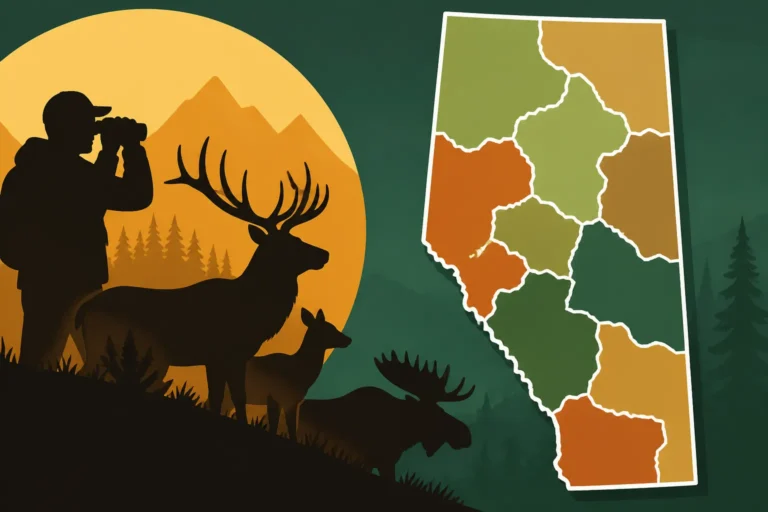
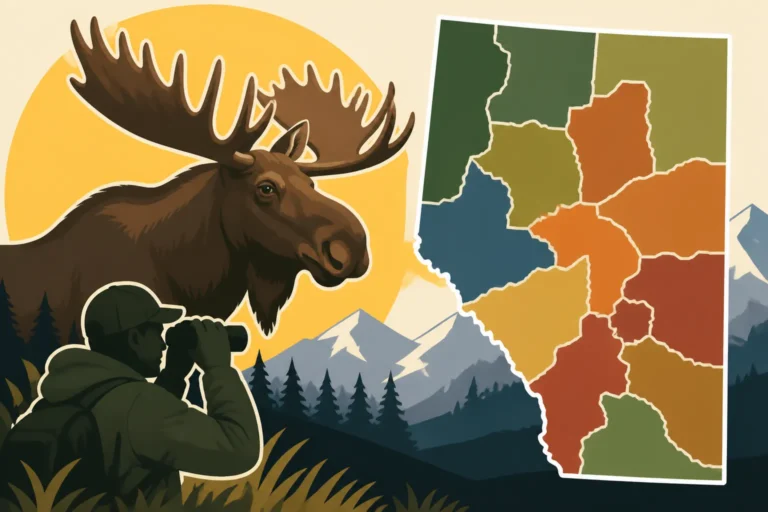
Each of Alberta's 219 Wildlife Management Units (WMUs) is treated as a distinct management area. This granular approach allows Alberta Fish and Wildlife to tailor hunting seasons to the specific conditions of the local deer herd, habitat, and human population density. Factors considered for each WMU include:
- Population trends: Is the whitetail population stable, increasing, or decreasing in that particular WMU? If numbers are robust, seasons might be more generous; if declining, they could be restricted.
- Habitat health: Is the habitat supporting the current deer population adequately, or are there concerns about overbrowsing or habitat degradation?
- Disease prevalence: Areas with higher rates of diseases like Chronic Wasting Disease (CWD) might have extended seasons or specific antlerless opportunities to help manage herd health. You can find out more about Alberta's Mandatory CWD Submission WMUs and other related topics.
- Hunter pressure: Some WMUs are much more popular than others due to ease of access or reputation for big bucks. Season dates and limits can be adjusted to distribute pressure or manage harvest in these areas.
- Landowner tolerance: In agricultural areas, deer can cause significant crop damage. General seasons, especially for antlerless deer, can be designed to help landowners mitigate these issues.
This localized approach means that while nearby WMUs might have similar dates, you can often find subtle differences that could impact your hunting strategy. Always double-check the specific WMU you intend to hunt.
Environmental and Biological Impact
Beyond the localized WMU specifics, broader environmental and biological factors play a huge role in how seasons are set:
- The Whitetail Rut: The breeding season, or rut, is arguably the most anticipated time for whitetail hunters. Managers aim to place general rifle seasons, especially, during or immediately before the peak of the rut to maximize hunter success, as deer are more active and less cautious. In Alberta, the whitetail rut generally peaks in early November, which heavily influences the timing of the Hunting the Rut in Early November.
- Winter Severity: Previous severe winters can impact deer survival, especially fawns and older animals. If a harsh winter has reduced the population significantly, future season lengths or bag limits might be curtailed to allow the herd to recover. Conversely, mild winters often lead to robust deer numbers and more open hunting opportunities.
- Crop Harvest Timings: In agricultural regions, season openers are often timed to coincide with or follow the harvest of major crops like canola, wheat, and barley. This allows hunters better visibility and access, as fields are cleared, and deer movement patterns shift from feeding in standing crops to gleaned fields or bush edges.
- Predator Management: While not a primary driver for whitetail seasons, the health of predator populations (like wolves and cougars) can indirectly influence deer numbers and, consequently, management strategies, though direct impacts on season dates are less common.
These factors create a dynamic system, meaning that while season dates tend to be similar year-to-year, it's never a guarantee. That's why consulting the latest regulations is absolutely crucial every single season.
Navigating the Regulations: Where to Find the Official Dates
Given the complexity, knowing where to find the official, up-to-date information is paramount. Relying on outdated sources or hearsay can quickly lead to an illegal hunt, which nobody wants. Alberta Fish and Wildlife provides very clear resources, but you need to know how to use them effectively.
The Official Alberta Hunting Regulations Guide
Your absolute go-to resource is the annual Alberta Hunting Regulations Guide. This document is published every spring and is the final word on all hunting seasons, limits, and rules for the upcoming season. You can usually find it:
- Online: The most convenient way is to download the digital PDF version from the Alberta government's website. Just search "Alberta Hunting Regulations" and make sure you're getting the current year's version.
- Hard Copy: Most sporting goods stores, Fish and Wildlife offices, and licence issuers will have free hard copies available when they are released.
When you get your hands on it, head straight to the "Big Game Seasons" section. You'll find tables categorized by species, and then broken down by WMU. Look specifically for "White-tailed Deer – Antlered" and "White-tailed Deer – Antlerless" under the "General" licence type. Pay close attention to the dates, legal weapon types (bow, rifle, muzzleloader), and any specific restrictions like antler point rules (e.g., 3-point or larger). The table below offers a simplified look at how these dates are typically structured.
| WMU Group/Region | Archery Season (General Antlered/Antlerless) | Rifle Season (General Antlered) | Late Season (General Antlered/Antlerless) |
|---|---|---|---|
| Northern Boreal | Early Sept – Mid-Oct | Early Oct – Mid-Dec | N/A (often longer rifle season) |
| Foothills West | Early Sept – Mid-Oct | Late Oct – End Nov | N/A |
| Central Parkland | Late Aug – End Oct | Late Oct – End Nov | N/A |
| Southern Prairie | Late Aug – Mid-Oct | Late Oct – End Nov | Early Dec – End Dec (select WMUs) |
Note: This table is a simplified representation. ALWAYS consult the official Alberta Hunting Regulations Guide for exact dates and specific WMU details. Dates vary annually and by specific WMU within these regions.
Planning Your Hunt with Digital Tools
While the official regulations are essential, digital tools and apps can significantly simplify the process of deciphering them and planning your hunt. Modern hunting apps integrate WMU boundaries, land ownership, and even season dates directly into interactive maps. Brands like GoHunt are excellent for this. Many hunters use GoHunt to overlay WMU maps with their planned hunting areas, making it easy to see where they can hunt and when. This helps you visualize the season dates in the context of the actual land you want to access.
Another valuable online resource is the Alberta RELM (Recreational Online Licence and Permits) system. While primarily for purchasing licences, it often provides quick access to summaries of season dates relevant to your chosen WMU and species. Furthermore, specific provincial government maps or websites often highlight Alberta's Wildlife Management Units in detail, allowing you to click on a WMU and pull up its regulations summary. This is a game-changer for hunters who want to avoid the tedious page-flipping in a thick regulation book. Always cross-reference with the full official guide, but these tools are fantastic for initial planning. Knowing Where to Get an Alberta WMU Map is the first step!
Strategies for Hunting During General Seasons
With a firm grasp of the dates and where to find them, it's time to think about strategy. General whitetail seasons offer diverse opportunities throughout the fall, each requiring a slightly different approach to maximize your success.
Early Season Tactics: Archery and Muzzleloader Openers
Many hunters eagerly anticipate the early general archery and muzzleloader seasons, which typically kick off in late August or early September in many WMUs. These periods offer unique advantages:
- Patterning Deer: In the early season, whitetails are often still in their predictable summer patterns, frequently moving between bedding areas and food sources like alfalfa fields, pea fields, or natural browse. This is a prime time for extensive scouting, using trail cameras, and patterning specific bucks.
- Abundant Foliage: While the lush green cover can make spotting deer challenging, it also provides excellent concealment for hunters. Stand placement near pinch points, funnels, and natural travel corridors between cover and food sources is critical.
- Warm Weather Challenges: Early season hunting often means dealing with warmer temperatures. This requires meticulous meat care to prevent spoilage. You'll need to field dress quickly and get your deer cooled down as soon as possible. Consider hunting mornings and evenings when temperatures are cooler. This is also a fantastic time for Hunting Alberta's September Archery Opener.
- Less Pressure (Usually): While archery is growing in popularity, early bow seasons generally see less hunter pressure than the later rifle seasons, offering a more peaceful hunting experience.
For those pursuing general antlered whitetails with a bow, understanding deer movement before the rut kicks in is key. Deer are still largely focused on feeding and building up reserves, and often bachelor groups of bucks are still together.
Rut Hunting: The Peak of the General Season
Without a doubt, the period encompassing the whitetail rut is the most anticipated and often the most productive time during the general season. In Alberta, this typically falls within the rifle season, peaking in early to mid-November for most WMUs. This is when bucks throw caution to the wind in search of does, becoming much more active during daylight hours.
- Increased Activity: Bucks will be on the move almost constantly, checking scrapes, rubbing trees, chasing does, and scent-checking areas. This increased movement makes them more vulnerable to hunters.
- Calling and Rattling: The rut is the prime time to employ deer calling techniques like grunts, snort-wheezes, and rattling antlers. Bucks are highly responsive to sounds mimicking other deer, especially when they believe a rival buck is in their territory or a doe is receptive. For some great tips, check out Rattling and Calling Whitetails in Farm Country.
- Stand Placement: Focus your stand or blind placement on natural funnels, pinch points, bedding area edges, and known travel routes where bucks will be cruising for does. Creek bottoms, shelterbelts, and timber edges are all prime locations.
- Weather Matters: Cold, crisp weather during the rut can make deer even more active. Hunters are often out for Hunting Deep Cold Late in the Season, but the rut is usually when many hunters prefer to brave the cold. A good resource like GoHunt can help you track weather patterns and deer activity predictions, helping you optimize your hunting days.
- High Hunter Numbers: Be prepared for increased hunter presence during the rut, especially on accessible public lands. Scouting thoroughly and finding less pressured spots is crucial.
This is the time when many hunters use up their vacation days and dedicate themselves to the pursuit of a big Alberta buck.
Late Season Considerations
After the peak of the rut, typically from late November into December (in WMUs where the general season extends), whitetails enter their post-rut and late season phase. This period presents its own set of challenges and opportunities.
- Recovery Mode: Bucks are often exhausted and have lost significant body weight during the rut. Their primary focus shifts back to feeding heavily to recover and prepare for winter.
- Food is Key: Locating primary food sources becomes paramount. Deer will congregate in areas with available sustenance, such as leftover crop fields, standing corn, or specific browse. Focus your efforts on these food-rich locations.
- Cold Weather & Snow: Late season often means colder temperatures and snow cover. Snow can be a blessing and a curse. It makes tracking deer easier and highlights travel patterns, but it also means hunters need to be prepared for harsh conditions. Hunting Whitetails at Thirty Below is no joke!
- Reduced Daylight Movement: While deer still need to eat, their daytime movement might be more restricted, especially during the coldest parts of the day. Mornings and evenings, particularly just before dark, can be the most productive times.
- Antlerless Opportunities: Many WMUs offer general antlerless whitetail seasons late in the year, which is an excellent opportunity to fill your freezer, help manage deer populations, and extend your hunting season. Check Late Season Whitetail Dates by WMU for specific information.
Regardless of when you choose to hunt, always remember that ethical hunting, respecting regulations, and ensuring the future of Alberta's incredible whitetail resource are paramount. Happy hunting!
Disclaimer
The information provided in this article is for general guidance only and does not supersede the official Alberta Hunting Regulations. Hunters are legally responsible for knowing and adhering to all current regulations. Always consult the most recent Alberta Hunting Regulations Guide published by the provincial government before planning any hunt. Seasons, limits, and rules can change annually.