Hunting Alberta’s Foothills Country
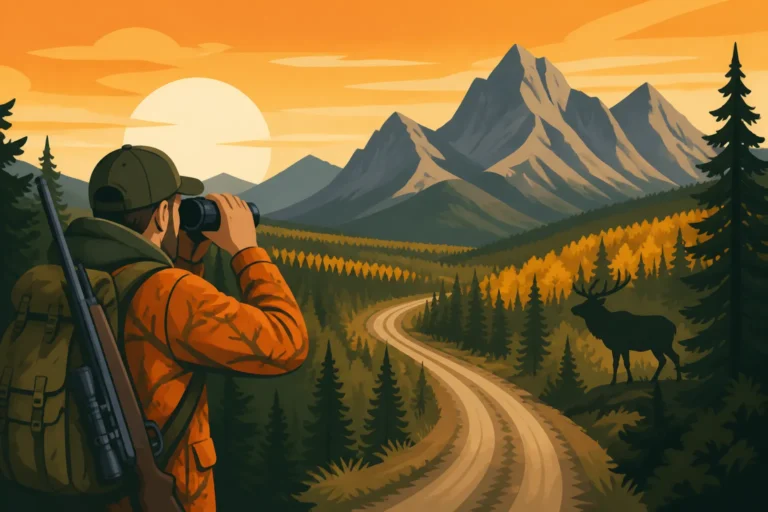
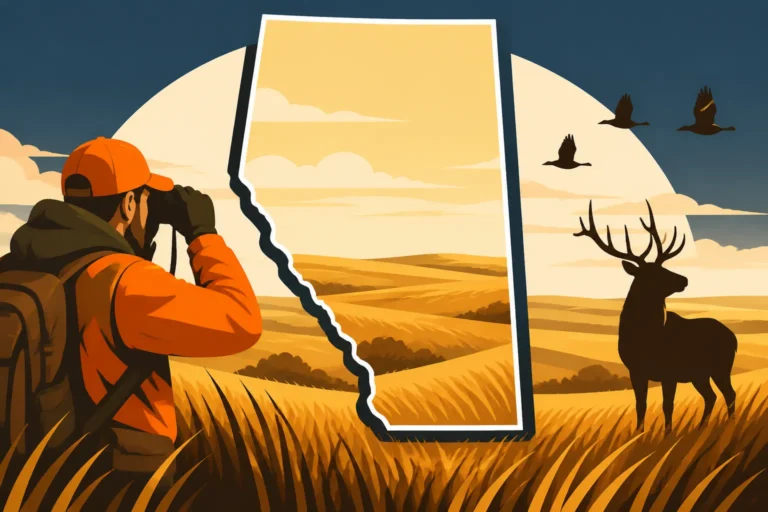
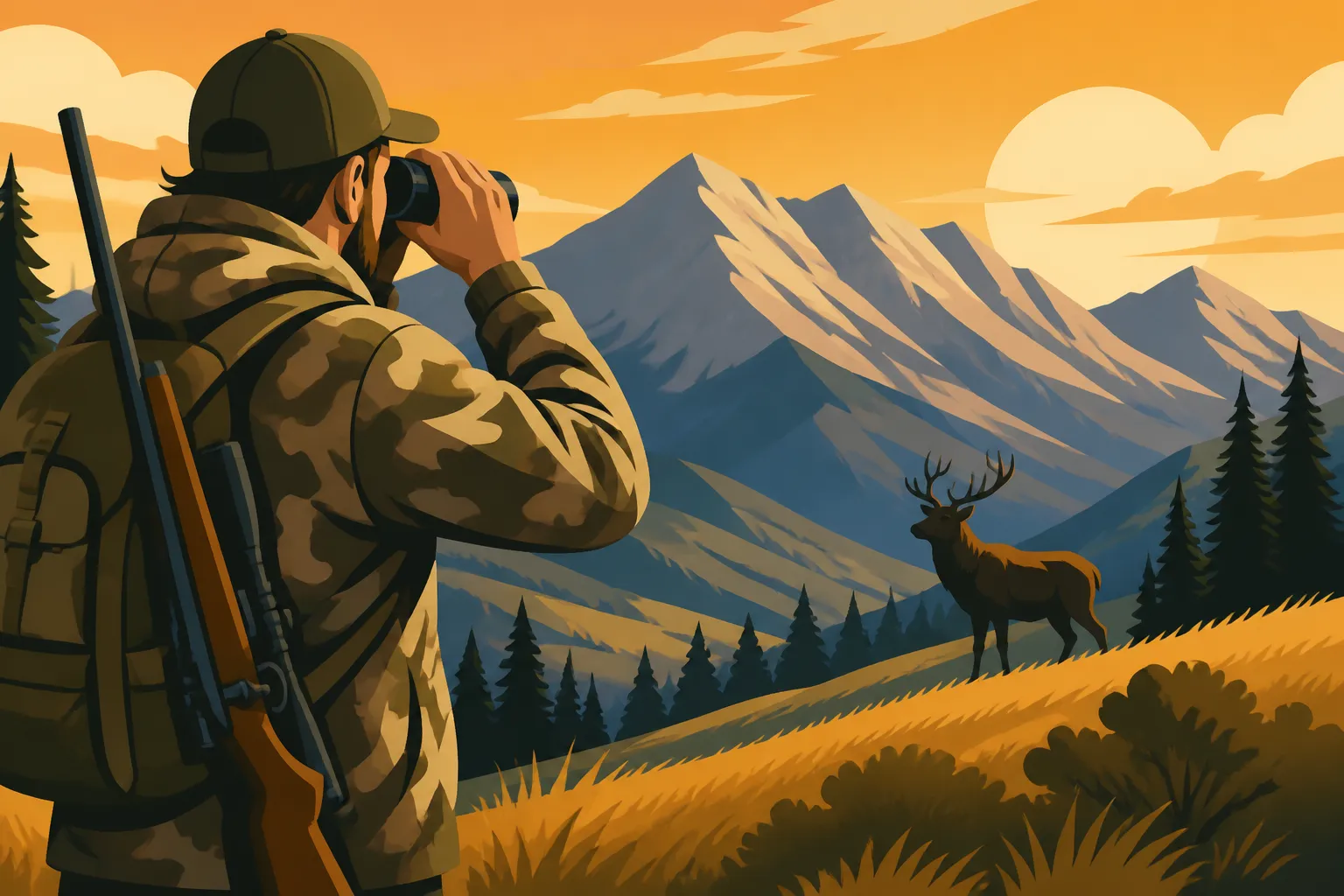
Hunting Alberta's Foothills country is an experience that calls to the soul, but it also presents a unique set of challenges. This isn't your flat prairie hunting, nor is it the sheer rock faces of the high mountains. Instead, you're faced with a rugged, beautiful blend of rolling hills, deep valleys, thick timber, and open cutlines that can leave even seasoned hunters scratching their heads. This comprehensive guide is designed to help you unravel the complexities of this transitional landscape, offering practical advice and strategies to increase your success and enjoyment in this truly wild part of Alberta.
Understanding Alberta's Foothills Ecosystem
The Foothills region of Alberta is a truly special place, a dynamic zone where the vast prairie and parkland gradually give way to the towering peaks of the Rocky Mountains. It's a landscape of incredible diversity, and understanding its unique characteristics is the first step to becoming a successful hunter here. You're not just looking for an animal; you're trying to read the very pulse of the land.
Geography and Terrain Characteristics
Imagine a crumpled blanket tossed on the floor – that's a good mental image for the Foothills. This isn't gentle, sloping terrain. Instead, you'll find a series of undulating ridges, steep-sided river valleys, and countless creek bottoms carved out by millennia of water flow. The elevation can change dramatically within a short distance, moving from a valley floor at 3,500 feet to a ridge top at 6,000 feet or more. This broken country is a defining feature, creating natural travel corridors, secluded bedding areas, and challenging approaches for hunters.
The vegetation is a rich tapestry, a mix of dense coniferous forests (spruce, pine) on the north-facing slopes and in the valley bottoms, intermingled with aspen and willow bluffs on the sunnier, south-facing aspects. You'll also encounter numerous clearcuts from past logging activity, which, while sometimes unsightly, can be absolute magnets for game as they regenerate with new browse. This blend of open and dense cover means animals have ample food and water, along with endless places to hide. It's a land that forces you to adapt your hunting style constantly, moving from glassing open areas to still-hunting through thick bush.
Key Wildlife Species and Their Habitat
The diverse habitat of the Foothills supports a robust population of Alberta's most sought-after big game animals. You'll find a rich array of species thriving here, each utilizing the terrain in its own way.
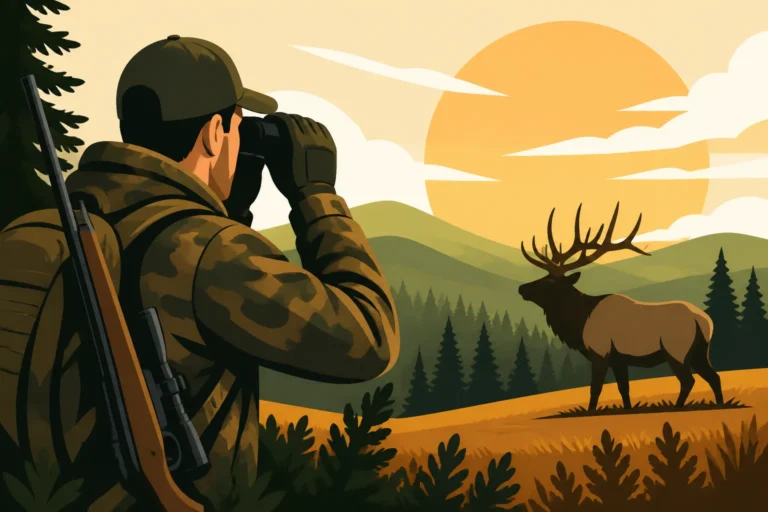
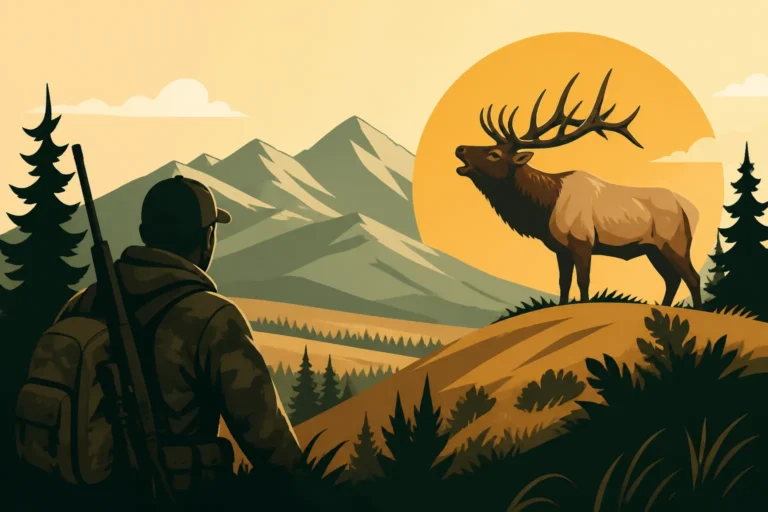
Elk are arguably the kings of the Foothills, with strong herds often found in the larger river drainages and where timber meets open feeding areas. They love the security of dense timber during the day and will often move into clearcuts, natural meadows, or even agricultural fringes at dawn and dusk to feed. During the rut, their bugles echo through the valleys, a sound that gets any hunter's heart pumping.
Mule deer are also prominent, especially in the more open, broken country of the western prairie fringes transitioning into the foothills. They prefer areas with good visibility and escape routes, often utilizing coulees, steep slopes, and rocky outcrops. Whitetail deer, while more typically associated with agricultural areas, are surprisingly prevalent in the Foothills, particularly along creek and river bottoms, and in the aspen and willow pockets that dot the landscape. They thrive in the thicker cover and often stick to lower elevations.
Black bears are common throughout the entire region, drawn to the abundant food sources like berries, new spring growth, and animal carcasses. They utilize the dense timber for cover and frequently travel along logging roads, clearcut edges, and riparian zones. Predators like wolves and cougars also call the Foothills home, following the patterns of their prey species and keeping the ecosystem in balance. Understanding why these animals are here – the perfect combination of food, water, and security – is crucial for predicting their movements.
Weather Patterns and Their Impact on Hunting
If there's one thing you can count on in the Foothills, it's unpredictable weather. This isn't a place for the faint of heart or the unprepared. Conditions can change drastically within hours, swinging from warm, sunny days to cold, driving rain or even heavy snow. Early season hunts can see warm temperatures, but by late September and into October, you should be prepared for anything. Snow can fall early, and then melt with a warm Chinook wind, only to be followed by another cold front.
These rapid shifts in weather have a profound impact on hunting. Rain can make trails muddy and noisy, but it also freshens the air and can make game more active. Snow reveals tracks and makes game more visible, but it also makes travel more difficult and can force animals to seek shelter. Wind is a constant factor, swirling through the valleys and over ridges, making scent control a top priority. A strong wind can make animals incredibly skittish, but it can also mask your approach.
Prepare for all four seasons in one day. Layered clothing is not just a suggestion; it's a necessity. You need gear that can shed water, insulate when wet, and breathe during strenuous climbs. Carrying extra dry clothes, fire-starting materials, and emergency shelter is just smart practice in this country. The weather here can be your biggest ally or your fiercest foe, and success often hinges on how well you adapt to its whims.
Navigating Access in Foothills WMUs
Gaining access to prime hunting grounds is often half the battle in Alberta, and the Foothills present their own unique challenges and opportunities. Understanding the different types of land and the rules for accessing them is paramount to a successful and legal hunt.
Public Land Use Zones PLUZs and Crown Land
The majority of hunting opportunities in Alberta's Foothills are found on Crown Land, much of which falls within designated Public Land Use Zones (PLUZs). These zones are managed to balance various recreational activities, including hunting, off-highway vehicle (OHV) use, camping, and hiking. Knowing the specific rules for the PLUZ you intend to hunt is non-negotiable.
Popular Foothills PLUZs like the Ghost, McLean Creek, and the Livingstone-Porcupine Hills offer incredible hunting, but each has its own set of regulations regarding where you can camp, where OHVs are permitted, and even what specific trails are open or closed. For instance, some PLUZs might have designated trails for OHV use, but restrict off-trail travel to protect sensitive ecosystems. Others might have specific "random camping" rules that dictate how far you must be from roads or water sources. Before you even set foot in a Foothills WMU, check the Alberta government's online resources for the specific PLUZ you're targeting. These detailed maps and regulations can mean the difference between a great hunt and a significant fine. Tools like onX Hunt are incredibly valuable here, as they often overlay these PLUZ boundaries and regulations directly onto their maps, saving you a lot of guesswork. Knowing Alberta's Public Land Use Zones Explained is crucial for planning.
Forestry Roads and Industrial Access
The Foothills are crisscrossed by an extensive network of forestry roads and other industrial access routes, built primarily for logging, oil, and gas exploration. These roads can be a double-edged sword for hunters. On one hand, they provide access deep into otherwise remote areas, saving you miles of walking. On the other hand, many of these roads are subject to various restrictions.
You might encounter locked gates, seasonal closures (especially during spring breakup or periods of high fire risk), or active logging operations that render roads temporarily inaccessible or dangerous. It’s not uncommon to drive for miles, only to find your intended route blocked. Always check with local forestry offices or consult current road condition reports, sometimes found on industry websites, before heading out. Some of these roads are privately maintained, and access can be revoked or changed without much notice.
Many hunters use these roads as starting points for their hunts, parking their vehicles and venturing deeper on foot or by OHV (where permitted). Be mindful of vehicle restrictions; many secondary roads and trails are limited to ATVs or side-by-sides, and some areas are strictly walk-in. Being aware of Alberta Forestry Road Access and Gates can save you a lot of frustration and wasted time. Identifying these networks and potential closure points on a detailed mapping app like onX Hunt or GoHunt before you leave home is a smart move.
Gaining Private Land Permission
While much of the Foothills is Crown Land, especially at higher elevations, the lower fringes and river valleys often include private property, primarily ranchland. Overlooking these areas would be a mistake, as they can hold significant numbers of game, particularly elk and deer that move between the forest and agricultural fields.
Gaining permission to hunt private land in Alberta can be challenging, but it's not impossible. It requires respect, good communication, and often a willingness to help out. Showing up clean, polite, and offering a hand with chores can go a long way. Many landowners appreciate hunters who are willing to adhere to their specific rules, such as parking in certain areas, avoiding livestock, or only hunting specific species.
Building a relationship with a landowner can unlock fantastic hunting opportunities, often with less pressure than public land. Start early, well before the season, and be prepared for rejection. Even a small piece of private land that connects two large blocks of Crown Land can be a game-changer for intercepting animals. Remember the Alberta Landowner Permission Law – verbal permission is sufficient, but it’s always wise to get contact information and confirm any specific rules. This approach can be particularly effective for Hunting Elk on Alberta Ranch Land.
Essential Gear and Preparations for Foothills Hunting
Hunting in Alberta's Foothills is not a casual stroll. The terrain is demanding, the weather is unpredictable, and success often comes to those who are well-prepared and properly equipped. Cutting corners on gear or physical conditioning can quickly turn a memorable hunt into a miserable one, or worse, a dangerous situation.
Backpack Hunting Essentials
Given the rugged and often remote nature of Foothills hunting, carrying the right gear on your back is critical. This is not about minimalist hunting; it's about being self-sufficient and ready for anything. Your backpack itself should be robust, comfortable, and capable of carrying heavy loads, both your day-hunting essentials and, hopefully, a quartered animal.
Start with your feet: a good pair of sturdy, waterproof, and broken-in boots is non-negotiable. You'll be traversing steep, uneven ground, often wet or snowy. Your clothing system should be based on layers, allowing you to adapt to rapidly changing temperatures. Think moisture-wicking base layers, insulating mid-layers (fleece or synthetic down), and a waterproof/windproof outer shell. Wool and modern synthetics are your friends here; cotton is not.
Navigation tools are paramount. While a physical map and compass are always wise backups, modern GPS devices and smartphone apps like onX Hunt are invaluable. These tools provide detailed topographic maps, showing elevation changes, creek beds, and potential travel routes. Always carry a power bank to keep electronics charged. Other essentials include a reliable headlamp (with extra batteries), a robust first-aid kit, a water filter or purification tablets, fire-starting materials, emergency shelter (like a bivy sack or lightweight tarp), and enough food and water for longer than you anticipate being out. Even on a planned day hunt, unforeseen circumstances can turn it into an unplanned overnight stay.
Optics and Long-Range Considerations
The broken nature of the Foothills, with its clearcuts, open slopes, and expansive valleys, makes good optics indispensable. You'll spend a significant amount of time glassing, systematically searching distant terrain for game. A high-quality pair of binoculars (10×42 or 10×50 are common choices) is your primary scouting tool. They should be clear, bright, and comfortable to hold for extended periods.
For identifying animals at greater distances or judging trophy quality, a spotting scope (typically 15-45x or 20-60x) is a game-changer. Paired with a sturdy tripod, it allows you to scrutinize distant ridges and assess animals without having to cover miles on foot. This is especially true when Glassing an Alberta Coulee for Mule Deer or trying to locate a herd of elk across a large basin. A laser rangefinder is also essential for accurate shot placement, as judging distances in broken terrain can be deceptively difficult.
Practicing with your optics at home, learning how to hold them steady, and understanding how to grid-search an area will pay dividends in the field. The ability to spot game at a distance not only saves you energy but also gives you the time to plan a strategic approach, considering wind, cover, and terrain.
Physical Fitness and Safety Protocols
Let's be blunt: Foothills hunting is physically demanding. You'll be climbing steep hills, traversing uneven ground, and often packing heavy loads out. Good physical conditioning isn't just about bagging an animal; it's about safety and enjoyment. Start working out well before the season – focus on cardio, leg strength, and endurance. Being in shape means you can hunt longer, cover more ground, and minimize the risk of injury. This is especially true if you're venturing into more remote areas or considering hunts for species like Bighorn Sheep or Mountain Goat where Backpacking Into Alberta Sheep Country or Hunting Mountain Goat in Steep Rock is the norm.
Safety must always be your top priority. Always carry bear spray and know how to use it, as you'll be in prime bear country. Let someone know exactly where you are going and when you expect to return. File a detailed trip plan with a trusted friend or family member, including your route, expected duration, and emergency contact information. In case of an emergency, a satellite messenger or inReach device can be a lifesaver, allowing you to communicate even where cell service is non-existent.
Be aware of the terrain: watch for loose rock, slippery slopes, and hidden holes. Carry enough water and food to stay hydrated and energized. Dress in layers, stay dry, and be vigilant. The Foothills are wild, and while beautiful, they demand respect and a healthy dose of caution. Developing Emergency Plans in Alberta's Backcountry is not optional.
Strategic Hunting Approaches in the Foothills
The diverse environment of Alberta's Foothills requires a flexible and adaptable hunting strategy. What works in one valley might be useless on the next ridge. Successful hunters learn to read the landscape, understand animal behavior, and employ a variety of tactics to find and harvest game.
Still-Hunting and Spot-and-Stalk Techniques
Still-hunting is a highly effective method in the Foothills, particularly in areas of mixed timber and regenerating clearcuts. This involves moving incredibly slowly and deliberately through the cover, taking a few steps, then stopping to observe and listen for several minutes before moving again. Your eyes should be constantly scanning ahead, not just for an entire animal, but for parts of an animal – an ear flick, a horizontal backline against vertical trees, a patch of contrasting color. Use your binoculars regularly to pick apart dense cover. The key is patience and quiet movement, utilizing the natural sounds of the forest to mask your own. Focus on areas where game trails converge, near water sources, or along the edges of bedding areas.
Spot-and-stalk hunting is equally vital, especially in the more open clearcuts, burn areas, or when glassing across valleys. This technique involves finding game from a distance using your optics, then meticulously planning an approach to get within shooting range. This is where detailed topographic maps (digital or paper) and a good understanding of wind patterns become crucial. You need to consider terrain features for concealment, such as ridges, creek beds, or dense patches of timber, and always keep the wind in your favor. A successful stalk might involve a long, circuitous route, sometimes taking hours, just to close a few hundred yards. Patience and discipline are paramount, as one wrong move or an unfavorable gust of wind can quickly undo hours of effort. Spot-and-Stalk Mule Deer in Alberta is a prime example of where this technique shines.
Calling and Decoying Strategies
Calling can be incredibly effective for certain species in the Foothills, particularly during the rut. For elk, bugling and cow calls can be powerful tools, especially in the pre-rut and peak rut. Locating a bull with a bugle, then moving in to engage him with aggressive or submissive calls, can lead to exhilarating encounters. Understanding the nuances of elk vocalizations and how they respond to different calls is key. Bugling Elk in Alberta's Foothills is an art form that takes practice.
Moose also respond well to calling, particularly during their rut in late September and October. Cow calls, grunts, and raking brush to imitate a bull can draw curious or aggressive moose into range, especially in willow bottoms, near beaver ponds, or along seismic lines.
For whitetail deer, rattling antlers and grunt calls can be highly effective during the November rut, particularly in the aspen and willow thickets. The broken terrain can help carry the sound, but also makes it harder to pinpoint the source, sometimes drawing bucks in close to investigate.
Decoys, while less common than calling, can be used strategically. A lone cow elk decoy can sometimes draw in a wary bull during the rut, or a whitetail buck decoy can challenge a dominant buck. However, using decoys requires careful placement and an understanding of the conditions, as they can also spook game if not used correctly. The key is to match your calling and decoying strategies to the specific species, season, and terrain you're hunting.
Utilizing Topography and Natural Features
Understanding and utilizing the topography of the Foothills is perhaps the most critical skill for a successful hunter. The land itself tells a story, revealing game trails, bedding areas, and feeding zones. Animals consistently use certain features for travel, feeding, and security.
Ridges often serve as natural travel corridors, offering animals a vantage point and easier movement than dense valleys. Hunting along the tops and sides of these ridges, especially where they intersect with saddles or draws, can be highly productive. Creek bottoms and river valleys, with their consistent water sources and dense riparian vegetation, are also natural highways for all big game species. Pay close attention to benches – flatter sections of terrain that interrupt a steep slope – as these are often preferred bedding areas for elk and deer. Hunting a Foothills Bench Above a Creek can often lead to finding bedded animals.
Natural funnels, such as narrow passes between hills, saddles, or areas where dense timber bottlenecks, are prime ambush points. Animals will often choose the path of least resistance, and these funnels concentrate their movement. Use mapping apps like GoHunt or onX Hunt to identify these features before your hunt. Analyzing elevation contours, natural clearings, and variations in tree cover will reveal prime spots. During a stalk, use every rock, tree, and change in elevation to your advantage for concealment and to break up your silhouette. Learn to read thermals – the rising and falling air currents that carry scent – which typically flow uphill in the morning and downhill in the evening, changing direction around midday. Using these natural features wisely will put you in the best position for an encounter.
Species-Specific Tactics for Foothills Big Game
Hunting in the Foothills means you'll encounter a variety of big game, each requiring a slightly different approach. While general hunting principles apply, understanding the specific habits and preferred habitats of each species in this unique ecosystem will greatly enhance your chances of success.
Elk Hunting in the Foothills
Elk are a major draw to the Foothills, offering some of Alberta's most exciting hunting. During the early archery seasons and the rifle rut, the key tactic is often calling. As mentioned, Bugling Elk in Alberta's Foothills is incredibly effective. Bulls are vocal, aggressive, and sometimes surprisingly reckless when challenging another bull or seeking out cows. Locate elk by listening for bugles at dawn and dusk, then move in carefully, using the terrain to your advantage. Cow calls can also be highly effective for drawing in wary bulls or even entire herds.
Beyond the rut, elk become more elusive. They'll often bed in dense, north-facing timber or in large, isolated clearcuts during the day, moving to feed in natural meadows, regenerating burns, or agricultural fields at first and last light. Still-hunting through these bedding areas can be productive, but requires extreme stealth and patience. Scout for fresh sign – tracks, droppings, rubs, and wallows – to identify their preferred travel corridors. Targeting the edges of these clearcuts, especially where they meet dense timber, can be very productive.
It's also worth noting that some Foothills elk herds have learned to utilize the fringes of agricultural land, especially in the later seasons when natural browse becomes scarce. Hunting Elk on Alberta Grain Land can be challenging due to the open nature, but effective if you can gain permission and set up for ambush points along the timbered edges where they enter and exit fields.
Deer Hunting (Whitetail & Mule Deer)
The Foothills hold healthy populations of both whitetail and mule deer, often in overlapping but distinct habitats.
Whitetail Deer: These deer prefer the thicker cover of creek and river bottoms, aspen bluffs, and dense willow thickets. When hunting whitetails, focus on these riparian zones and the timbered edges where they meet more open areas. During the rut, rattling and grunting can draw in bucks that are cruising for does. Look for rubs and scrapes along trails as indicators of prime whitetail activity. Still-hunting slowly through these pockets of cover, especially in the early mornings and late afternoons, can yield close-range opportunities. Pay attention to how they use topography for concealment, often bedding on slight rises within heavy cover.
Mule Deer: Mule deer in the Foothills tend to prefer the more open, broken country, particularly the higher, drier slopes and coulees. Glassing is your primary tool for mule deer. Find a vantage point that overlooks multiple coulees, ridges, and clearcuts, and systematically pick apart the landscape with your binoculars and spotting scope. Once a buck is spotted, a careful spot-and-stalk approach, using terrain features for concealment, is necessary. They are known for bedding on sunny slopes or within sparse timber, often with good escape routes. Hunting Mule Deer on a Prairie Ridge often involves covering a lot of ground with your optics. Understanding how these two deer species utilize the Foothills, from Reading Whitetail Sign in Alberta Aspen Bluffs to finding mule deer on open slopes, is key to targeting them effectively.
Moose and Bear Hunting
The Foothills also offer exciting opportunities for moose and black bear.
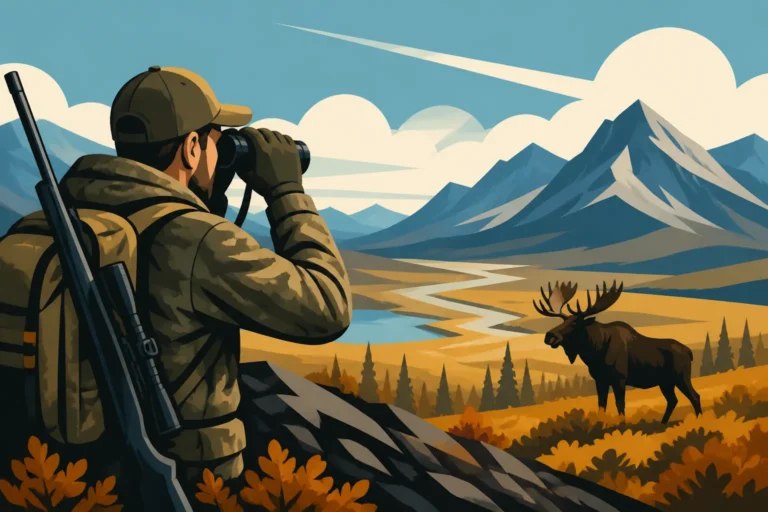
Moose: Alberta moose in the Foothills are typically found in the wetter, boggy areas, along willow-choked creek bottoms, and in dense stands of timber near water. They are less common than elk or deer in many Foothills WMUs, but where they are present, they can be hunted effectively. During the rut, calling a bull moose can be incredibly productive. Aggressive raking of brush to simulate a bull thrashing, combined with cow calls and grunts, can draw an unsuspecting bull right into your lap. Focus your efforts around beaver ponds, old logging clearings that are now regenerating with willows, and areas with abundant aquatic vegetation. Early morning and late evening hunts near water sources are often best. Calling a Bull Moose in the Rut is one of the most exciting hunts you can experience.
Black Bear: Black bears are plentiful throughout the Foothills. Spring bear season offers excellent opportunities, as bears emerge from hibernation and seek out early spring greens on south-facing slopes, along old logging roads, and in clearcuts. Focus on areas with good visibility and where new growth is emerging. Later in the summer and fall, bears shift their diets to berries, making berry patches and riparian areas prime locations. Baiting is also a common and effective method for black bears in many parts of Alberta, if allowed in your specific WMU and under current regulations. If you choose this route, be prepared for regular maintenance of your bait site. Spring Bear Hunting Alberta's Cutblocks often leads to spotting bears feeding in the open. Always be aware of your surroundings, carry bear spray, and be able to distinguish between a black bear and a grizzly.
Practical Considerations for a Successful Foothills Hunt
Beyond the tactics and gear, there are practical realities of hunting in Alberta's Foothills that every hunter needs to consider. These often-overlooked aspects can make or break a hunt, impacting everything from your ability to retrieve game to your overall enjoyment and the respect you earn from others.
Game Retrieval and Meat Care
So, you've successfully harvested an animal in the rugged Foothills – congratulations! Now comes the hard part: getting it out. This terrain is not forgiving, and an animal down in a deep ravine or on a steep slope presents a serious challenge. Quarters, even from a medium-sized deer, are heavy, and an elk or moose is a monumental task. You absolutely must be prepared to field-quarter your animal, reducing it to manageable pieces that can be packed out.
Invest in good game bags to keep meat clean and cool. A strong internal or external frame backpack is essential for carrying heavy loads. Consider bringing a small, sharp hatchet or bone saw for breaking down the carcass more efficiently. For elk or moose, you might need to make multiple trips or rely on a partner. If you’re lucky enough to be hunting near an accessible trail, a game cart might be an option for flatter sections, but don't count on it for the really steep stuff.
Meat care is critical, especially given the variable Foothills weather. Rapid temperature swings are common. If temperatures are warm, you need to cool the meat quickly to prevent spoilage. This means getting the hide off promptly, elevating the quarters for air circulation, and protecting them from insects. If it's cold, you still need to ensure good air flow to prevent freezing on the outside while the inside remains warm. Understanding Meat Care in Alberta's Cold and Warm Swings is not just about preserving your harvest, it's about respecting the animal and the effort you put in.
Respecting the Environment and Other Users
The Foothills are a shared resource, used by hunters, hikers, campers, OHV enthusiasts, and many others. As hunters, it is our responsibility to be ambassadors for our sport and to treat the land and its other users with the utmost respect. This means adhering strictly to Leave No Trace principles: pack out everything you pack in, and then some. Leave your camp and hunting areas cleaner than you found them.
Be mindful of noise, especially around popular recreation areas or designated campsites. If you encounter other users, a friendly greeting goes a long way. Share the trails and practice safe gun handling at all times. If you're using an OHV, stick to designated trails and respect any closures. Excessive mudding, tearing up trails, or riding in sensitive habitats gives all OHV users, and by extension, all hunters, a bad name.
Remember that a good reputation for hunters benefits everyone, ensuring continued access to these incredible lands. Being a respectful, ethical, and responsible hunter is paramount to securing the future of hunting in Alberta.
Regulatory Awareness and Ethical Hunting
Staying current with Alberta's hunting regulations is non-negotiable. Regulations can change annually, and it's your responsibility to know the rules for the specific Wildlife Management Unit (WMU) you are hunting. This includes season dates, bag limits, weapon restrictions, and any specific rules for Crown Land or PLUZs. Always carry your valid licences and tags. Information on Alberta Hunter Education Requirements and mandatory CWD submission zones are crucial to understand. Check the Alberta hunting regulations online before every season and before every hunt.
Ethical hunting goes beyond simply following the rules. It means striving for a clean, quick kill with a well-placed shot. It means making every reasonable effort to recover a wounded animal. It means proper tagging and reporting of your harvest. It means understanding and respecting the quarry you pursue. If you harvest an animal, ensure you are making full use of the meat. Wasting game meat is not only unethical but illegal in Alberta.
Hunting in the Foothills, with its vastness and challenges, can sometimes make shortcuts tempting. Resist that urge. The integrity of our sport, the respect we earn from the public, and our own moral compass depend on upholding the highest ethical standards.
| Species | Primary Foothills Habitat | Key Tactics | Optimal Seasons |
|---|---|---|---|
| Elk | River valleys, timbered slopes, clearcuts, agricultural fringes | Bugling, cow calls, spot-and-stalk, still-hunting | Archery & Rifle Rut (Sept-Oct), Late Season |
| Mule Deer | Open, broken ridges, coulees, steep slopes, rocky outcrops | Glassing, spot-and-stalk | Early Archery (Sept), Rifle General (Oct-Nov) |
| Whitetail Deer | Creek bottoms, aspen bluffs, dense willow thickets, riparian zones | Still-hunting, rattling, grunting | Archery (Sept), Rifle Rut (Nov) |
| Black Bear | Clear-cuts, old logging roads, berry patches, timber | Spot-and-stalk (spring), baiting (where legal), still-hunting | Spring (May-June), Fall (Sept-Oct) |
| Moose | Willow bottoms, beaver ponds, wet timber, seismic lines | Calling (rut), still-hunting near water | Archery & Rifle Rut (Sept-Oct) |
| Wolf/Coyote | Throughout, following prey animals | Calling, spot-and-stalk | Fall-Winter |
Disclaimer
This article is for general informational purposes only and does not constitute professional advice. Laws, prices and regulations vary by location and change over time. Consult a qualified professional for guidance on your specific situation.