Hunting Alberta’s Far Northwest WMUs
Hunting Alberta's far northwest WMUs can feel like stepping into a different world compared to the more easily accessible regions of the province. Many hunters dream of the untouched wilderness and the immense sense of accomplishment that comes with a successful hunt far from the beaten path, but the reality is that these areas present unique challenges that can quickly turn a dream hunt into a nightmare if you're not properly prepared. This guide is here to walk you through what to expect, how to prepare, and what species you'll encounter when venturing into Alberta's truly wild northwest.
Understanding the Far Northwest Landscape
The far northwest of Alberta is a vast, formidable region, utterly different from the open prairies or even the mixed forests closer to major cities. If you're envisioning wide-open fields or easily navigable timber, think again. This is a land that demands respect, preparation, and a deep understanding of its unique environment.
The Boreal Forest Reigns Supreme
When you talk about Alberta's far northwest, you're talking about the boreal forest, pure and simple. This isn't just a patch of woods; it's an immense, sprawling ecosystem dominated by dense stands of spruce, pine, and poplar, often interwoven with treacherous muskeg, bogs, and countless small lakes and winding rivers. The timber can be incredibly thick, creating a canopy that barely lets sunlight through, even on the brightest days. Visibility can be extremely limited, making spot-and-stalk tactics nearly impossible in many areas and forcing hunters to rely on still-hunting or calling.
Travel here is a whole different beast. Forget about cruising down a paved highway; you'll be navigating a network of often-unmaintained logging roads, seismic lines, and cutlines, many of which can become impassable with a bit of rain or an early snowfall. These linear features are often the only way to penetrate deeper into the forest, but they also require caution. You might be fine one day, only to find a beaver dam has flooded a section of road or a major washout has rendered it impassable the next. It's a truly wild, untamed environment that demands a resilient mindset and equipment. Hunting Alberta's Boreal Forest Country provides a deeper dive into this unique terrain.
Navigating Remote Access and Limited Infrastructure
The sheer remoteness of Alberta's far northwest WMUs means that infrastructure is minimal. You won't find gas stations or convenience stores on every corner, or often, for hundreds of kilometers. This scarcity of services means self-sufficiency isn't just a good idea; it's absolutely critical. When planning a trip here, every single item, from food and water to extra fuel, spare tires, and recovery gear, needs to be considered and accounted for.
Access often relies on robust 4×4 vehicles, and increasingly, quads or side-by-sides are essential for getting off the main industrial roads and deeper into hunting areas. River access can be key in some regions, requiring boats or even jet boats to reach otherwise inaccessible areas. It's also vital to understand that cell service will be non-existent in the vast majority of these areas. Satellite communication devices – a reliable GPS unit and a satellite messenger or phone – are not luxuries but absolute necessities for safety and emergency contact. Without them, a minor mishap can quickly escalate into a serious situation, leaving you isolated and vulnerable.
Target Species and Hunting Strategies
While the landscape is challenging, it’s precisely these conditions that make the far northwest such a magnet for certain big game species, offering incredible opportunities for those willing to put in the effort.
Moose: The King of the Boreal
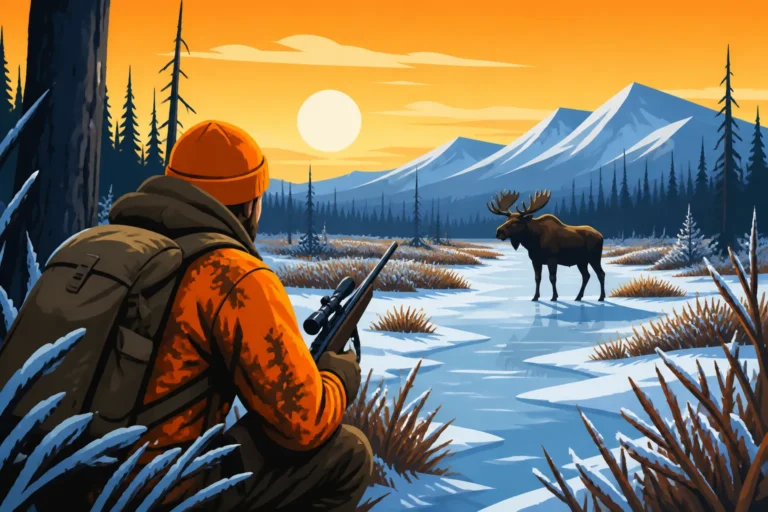
If there's one species that truly thrives in Alberta's far northwest, it's the moose. These majestic animals are perfectly adapted to the dense boreal forest, finding ample forage in the willow bottoms, aquatic vegetation in the countless small lakes and bogs, and protection in the thick timber. The remote nature of these WMUs also means that moose here often experience less hunting pressure than those closer to population centers, leading to good numbers and the potential for mature bulls.
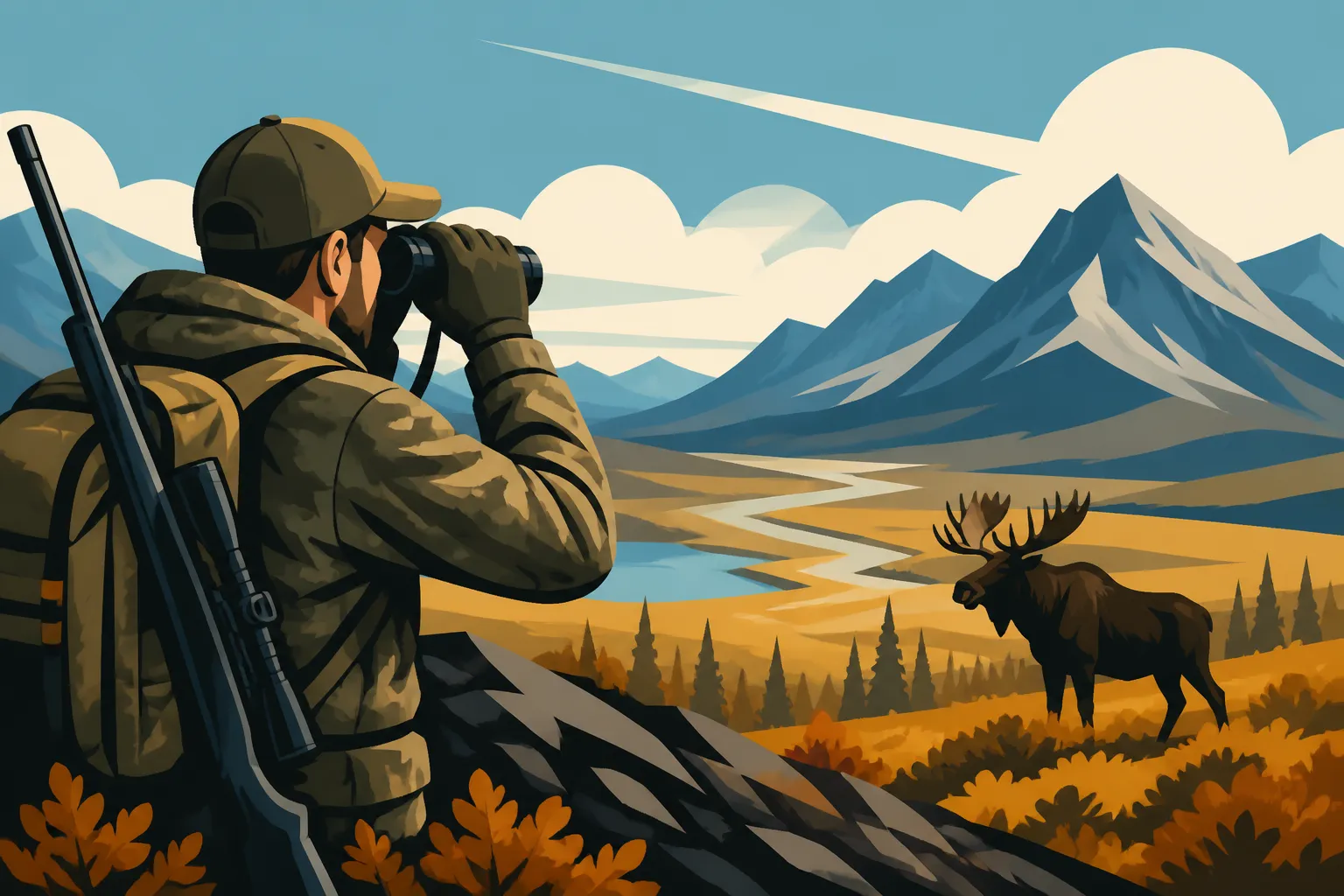
Hunting moose in the boreal is an immersive experience. Calling is incredibly effective, especially during the rut, when a bull's territorial instincts are at their peak. Getting good at cow calls and bull grunts can bring a giant out of the seemingly impenetrable bush. Still-hunting slowly through dense timber, paying meticulous attention to wind direction and fresh sign, is another productive tactic. Many hunters also focus on early morning or late evening glassing along cutlines, seismic lines, or recent clear-cuts where moose often emerge to feed. The biggest challenge, beyond finding one, is often getting a several-hundred-kilogram animal out of the thick, wet bush. This typically requires significant manpower, game carts, or an ATV, often coordinated with a solid plan well before the shot is fired. For a more detailed look, check out Moose Hunting Alberta's Boreal Forest.
Black Bear: Plentiful and Diverse
Alberta's northwest is home to a robust black bear population, offering fantastic opportunities for both spring and fall hunts. These forests provide excellent habitat, with diverse food sources and plenty of cover. It's not uncommon to encounter bears in a variety of colour phases, from the classic black to cinnamon, chocolate, and even blonde, which adds another exciting dimension to the hunt.
Hunting strategies for black bears in this region vary. Baiting is a popular and effective method where legal, allowing hunters to pattern bears and assess size before committing. This can be particularly useful in dense timber. Another common strategy is spot-and-stalk, focusing on recent clear-cuts, pipeline rights-of-way, and green-up areas in the spring where bears graze on fresh vegetation. Still-hunting along old logging roads and cutlines can also yield results, especially during berry season in the late summer and fall. Safety is paramount when bear hunting; always carry bear spray, know how to use it, and be absolutely sure of your target and what’s behind it. Proper identification of a boar versus a sow with cubs is crucial. You can learn more about specific techniques in Baiting Black Bear in Alberta or Spring Bear Hunting Alberta's Cutblocks.
Whitetails and Mule Deer in the Fringes
While the deep boreal isn't primary deer country compared to central or southern Alberta, whitetail and mule deer can certainly be found, especially in the transitional zones, river valleys, and along the fringes of agricultural land that might creep into the southern edges of these WMUs. The populations tend to be lower and more dispersed than elsewhere, but the deer that do call these areas home are often less pressured and can grow to impressive sizes.
Hunting deer here often involves targeting these specific habitats. River valleys offer a more diverse ecosystem with pockets of deciduous trees and better forage. Recent cutblocks provide areas of new growth that deer will frequent. Hunters should focus on finding travel corridors between bedding and feeding areas, often using existing game trails, seismic lines, or the edges of different habitat types. Scouting with satellite imagery to identify these pockets of prime deer habitat can be incredibly effective before you even step foot in the woods. While the deer density might not be as high as in the parkland or prairie, the challenge and reward of harvesting a big woods buck from this remote wilderness can be immense. For contrast on deer hunting elsewhere, you might look at Whitetail Hunting in Alberta or Mule Deer Hunting Alberta's Prairie and Badlands.
Wolves and Coyotes: The Ever-Present Predators
The vastness and wildness of Alberta's far northwest make it prime territory for predators, particularly wolves. Wolf populations are often healthy here, providing unique hunting opportunities for those who enjoy the challenge. Coyotes are also present, especially in areas with more open country or near human development, though generally less numerous in the deepest boreal.
Hunting wolves in the thick boreal forest is notoriously difficult. Their keen senses and elusive nature, combined with the dense cover, make them a formidable adversary. Calling, particularly during winter, can be effective, drawing curious or hungry wolves into range. Focusing on fresh tracks along frozen rivers, lakes, or cutlines can also be a viable strategy. Winter hunting for wolves can be an incredible experience, but it demands extreme patience and knowledge of their behaviour. Coyote hunting tends to be more fruitful in more open or mixed forest-agricultural areas, where their patterns are more predictable. If you're interested in predator hunting, consider exploring Calling Wolves Along a Frozen Cutline or Calling Coyotes in Alberta Stubble.
Essential Preparation and Gear for the Northwest
Success in Alberta's far northwest is less about luck and more about meticulous preparation. The elements are unforgiving, and help is often a long way off.
Mapping and Navigation Are Paramount
In a landscape with limited trails and often confusing terrain, proper mapping and navigation skills are absolutely non-negotiable. Relying solely on a smartphone for GPS can be a recipe for disaster given the lack of cell service and battery drain in cold weather. A dedicated GPS unit loaded with detailed provincial land maps and satellite imagery is crucial. Bring spare batteries!
Digital mapping apps, such as onX Hunt and GoHunt, have become invaluable tools for pre-scouting and in-field navigation. They allow you to identify Crown land boundaries, old logging roads, seismic lines, and potential clear-cuts from the comfort of your home. Crucially, they also allow you to mark your vehicle's location, identify escape routes, and drop waypoints for game trails, bedding areas, and retrieval points. These apps, when downloaded for offline use, provide an exceptional layer of confidence and safety. Always carry a traditional paper map and compass as a backup, and know how to use them. Scouting With Satellite Imagery in Alberta delves into making the most of these digital tools.
Logistics: Fuel, Food, and Self-Sufficiency
The remoteness means you are your own supply chain. Plan for more fuel than you think you'll need, both for your primary vehicle and any ATVs or snowmobiles. Carry extra containers and a funnel. Food and water are equally important; pack non-perishable, high-energy foods, and ensure you have a reliable way to purify water, even if you carry a good supply. Emergency rations should always be part of your kit.
Vehicle maintenance before leaving home is critical. Check fluids, tire pressure, and ensure all lights and winches are operational. Pack a comprehensive recovery kit, including a winch (if applicable), tow straps, a shovel, an axe, and a high-lift jack. A satellite messenger device (like a Garmin inReach or a Zoleo) is essential for communication beyond cell service, allowing you to send check-in messages, get weather updates, and, most importantly, call for help in an emergency. Preparing a Winter Truck Kit for an Alberta Hunt is a good starting point, even for fall hunts, as conditions can change rapidly.
Weather, Safety, and Emergency Preparedness
Weather in the northwest can be incredibly volatile. Expect anything from warm, sunny days to freezing rain, heavy snow, and strong winds, sometimes all within the same week. Layered clothing is the key to staying comfortable and safe. Focus on moisture-wicking base layers, insulating mid-layers, and a waterproof/windproof outer shell. Good quality, insulated, waterproof boots are essential, as you'll be dealing with wet conditions and potentially cold temperatures.
Safety goes beyond just dealing with the weather. Always let someone know your detailed hunting plan, including your intended WMU, access points, and expected return time. Be prepared for encounters with wildlife beyond your target species, including grizzly bears (though less common in the deep northwest, they can be present) and other large predators. A well-stocked first-aid kit, fire-starting supplies, and emergency shelter are non-negotiable. Understanding Hunting Alberta Winter Weather Safely is crucial, even outside of deep winter.
Rules, Regulations, and Respectful Hunting
Hunting in Alberta, especially in its remote regions, comes with a set of responsibilities that go hand-in-hand with the incredible opportunities.
Understanding WMU Specific Regulations
Each Wildlife Management Unit (WMU) in Alberta has specific regulations regarding species, season dates, bag limits, and often, weapon restrictions. It's absolutely critical to consult the most current Alberta Hunting Regulations before planning your trip and again just before you head out, as regulations can change annually. Do not rely on outdated information or hearsay. The far northwest WMUs may have unique seasons or limited entry draws for certain species, reflecting specific population management goals. Always verify the regulations for the exact WMU you plan to hunt. Alberta's Wildlife Management Units explains how these regions are organized.
Crown Land Access and Respectful Practices
The majority of hunting in Alberta's far northwest occurs on Crown land. While generally open to public access for hunting, responsible practices are expected. This means adhering to "leave no trace" principles: pack out everything you pack in, including all garbage. Avoid damaging vegetation or leaving unnecessary marks on the landscape. Be mindful of industrial operations (logging, oil and gas) that may be active in the area. Respect any temporary closures or restrictions, and always be aware of potential land use conflicts with other recreational users. Remember, public land means everyone has a right to be there, so courtesy and respect for others are paramount. More on general access can be found in Finding Access on Alberta Crown Land.
Carcass Handling and CWD Requirements
Given the remoteness, proper carcass handling and meat care become even more challenging, especially if you're hours or days from a meat locker. Rapid cooling of the animal is essential to prevent spoilage, even in cooler weather. This often means quartering the animal quickly and getting it hung in a shaded, well-ventilated area. Considerations for Meat Care in Alberta's Cold and Warm Swings are vital.
Furthermore, Alberta has specific Chronic Wasting Disease (CWD) testing requirements, particularly for deer, moose, and elk harvested in certain WMUs. You'll need to know if the WMU you're hunting is part of a mandatory submission zone and where the nearest CWD drop-off freezer locations are. Transporting carcasses out of CWD-positive zones also has specific rules to prevent the spread of the disease. Always be prepared to submit the required samples and understand the rules before you go. Alberta's CWD Testing Requirements details these important regulations.
| Species | Primary Habitat in NW | Common Hunting Methods | Key Challenges |
|---|---|---|---|
| Moose | Dense boreal, muskeg, river bottoms | Calling, Still-hunting, Spotting cutlines | Retrieval, dense cover, remoteness, insects |
| Black Bear | Cutblocks, dense timber, berry patches | Baiting (where legal), Spot-and-stalk, Still-hunting | Identification, thick cover, safety, remoteness |
| Whitetail Deer | River valleys, transition zones, fringes of agriculture | Still-hunting, Scouting edges, Stand hunting | Lower density, navigating dense pockets |
| Mule Deer | River valleys, more open fringes | Spot-and-stalk (limited), Still-hunting | Lower density, elusive nature |
| Wolf | Deep boreal, along frozen waterways | Calling, Tracking | Elusiveness, vast territory, dense cover |
| Coyote | Open areas, agricultural fringes, mixed forest | Calling | Less common in deep boreal, smart and wary |
The far northwest of Alberta is not for the faint of heart, but for the prepared and adventurous hunter, it offers an authentic wilderness experience and the chance at truly remarkable animals. By understanding the landscape, knowing your target species, and being meticulously prepared, you can turn a challenging hunt into an unforgettable adventure.
Disclaimer
This article is for general informational purposes only and does not constitute professional advice. Laws, prices and regulations vary by location and change over time. Consult a qualified professional for guidance on your specific situation.