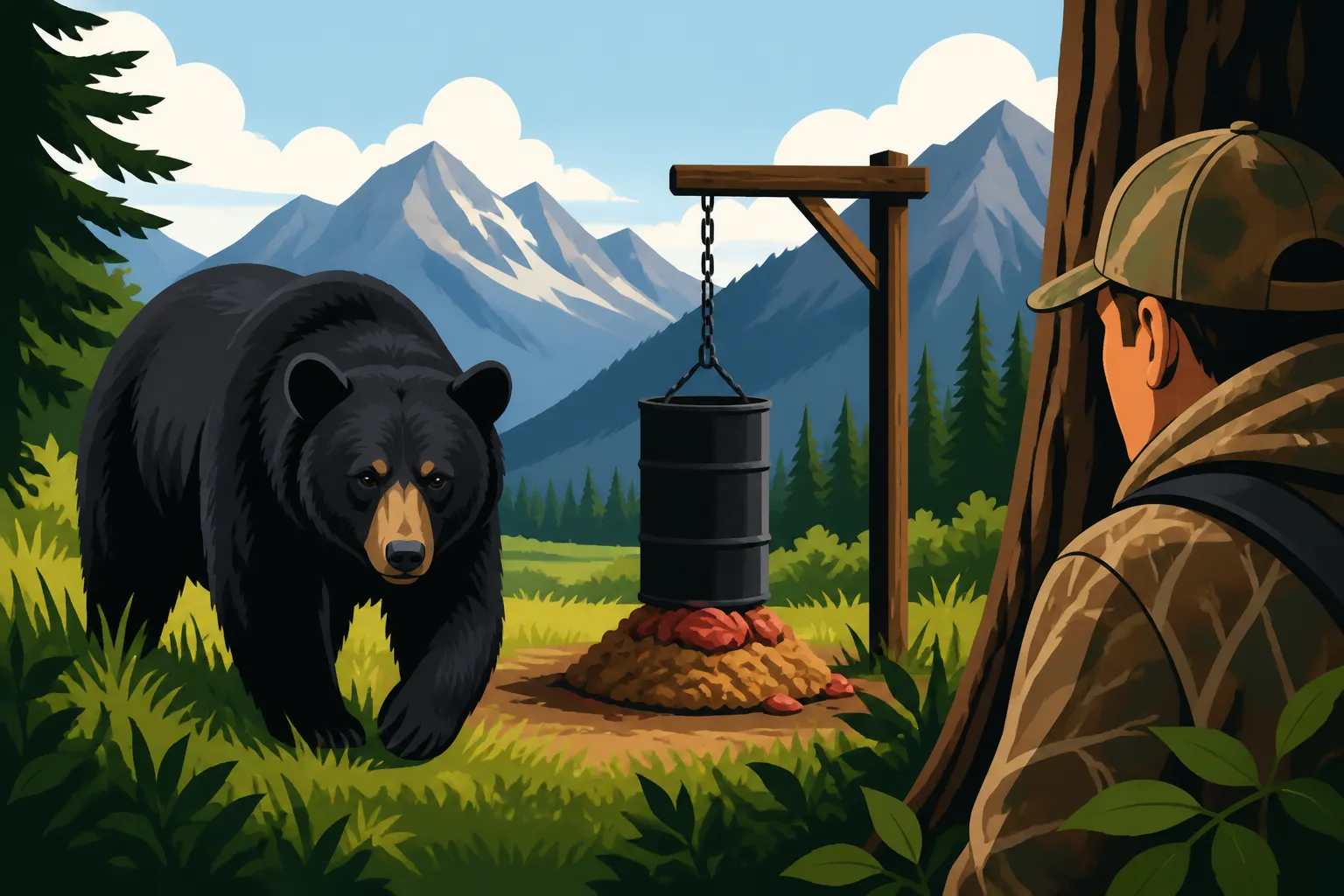
Baiting Black Bear in Alberta
For many hunters, the pursuit of black bear in Alberta is a true test of patience, strategy, and understanding the wild. While spot-and-stalk or still-hunting can be incredibly rewarding, the reality is that consistent encounters with these elusive animals can be tough, especially in dense bush. This often leads hunters to explore baiting as a highly effective and ethical method for bringing bears into a predictable location, allowing for careful shot selection and a better understanding of the animal. If you're looking to consistently connect with a black bear and ensure an ethical harvest, understanding the ins and outs of baiting is absolutely essential. This guide is dedicated to demystifying the process, from legalities to practical setup and management, ensuring your next Alberta bear hunt is both successful and responsible.
Understanding Alberta's Bear Baiting Regulations
Venturing into bear country with a bait site in mind requires more than just a bucket of donuts. First and foremost, you need to understand the legal landscape. Alberta has specific regulations governing baiting, and knowing these rules inside and out isn't just about avoiding fines; it's about respecting the wildlife, other land users, and ensuring your hunt is conducted ethically and safely. The rules are designed to prevent conflicts, minimize disturbance, and ensure fair chase principles are upheld, even when baiting.
Legal Framework and Licensing
Before you even think about buying a barrel, you need to be properly licensed. In Alberta, you'll need tags for the specific Wildlife Management Unit (WMU) you plan to hunt. Beyond the general hunting license, there are often specific rules related to baiting that need to be followed meticulously. For instance, Alberta’s regulations state that if you intend to bait big game, you must notify the nearest Fish and Wildlife office. This isn't just a suggestion; it's a mandatory step that helps wildlife officers monitor baiting activity and ensures everyone is on the same page. Failing to register your site can lead to serious penalties, so always make that call.
Beyond the registration, there are rules about the actual setup. The most critical, perhaps, is understanding what constitutes bait. It's generally anything designed to attract wildlife. The regulations surrounding Rules on Baiting Big Game are quite clear: you cannot place bait within 200 meters of a public road, a dwelling, or certain other specified areas. This distance is vital for public safety and to avoid conflicts with homeowners or other recreational users. Always double-check the current year's hunting regulations, as these rules can change, and ignorance is rarely an acceptable excuse when dealing with wildlife laws. Remember, buying a What a Black Bear Licence Costs is only the first step; understanding the conditions attached to it is paramount.
Baiting Restrictions and Prohibited Areas
Not all areas in Alberta are open to baiting. There are significant restrictions, and it's your responsibility as a hunter to know where you can and cannot establish a bait site. For example, baiting is typically prohibited in Provincial Parks, National Parks (where hunting is generally not allowed anyway), and often within specific Wildlife Sanctuaries or Critical Habitat areas. You also need to be aware of certain WMUs that may have unique restrictions on baiting due to local wildlife management objectives or population concerns. A quick check of the Alberta Hunting Regulations before you start planning is non-negotiable.
Another critical restriction involves the distance from permanent dwellings or public roads, as mentioned earlier. Imagine the public safety risk of a large black bear regularly visiting a bait site just off a busy highway or in a residential area. These regulations are in place for very good reasons. Additionally, there are often rules about how close one bait site can be to another. This prevents overcrowding of bears, ensures that each hunter has a fair chance, and minimizes potential conflicts between hunters. If you're unsure about a specific location, consult the Fish and Wildlife office or use reliable mapping tools like GoHunt, which can often show land designations and help you stay clear of restricted zones. The Black Bears in Alberta's Forests and Foothills are widespread, but accessing them with bait requires careful planning.
Choosing and Preparing Your Bait Site
Once you’ve got your licenses in order and understand the regulations, the next crucial step is selecting the perfect spot for your bait site. This isn't just about tossing a barrel into the nearest patch of woods; it’s about understanding bear behaviour, maximizing your chances of success, and ensuring the site is manageable and safe for you to hunt. A well-chosen site can make all the difference between a frustrating season and a successful one.
Ideal Habitat and Seclusion
Black bears are creatures of habit, often sticking to areas that provide dense cover, a variety of food sources, and easy access to water. When scouting for a bait site, look for signs of bear activity: tracks, scat, rubbed trees, or overturned rocks and logs. Prime locations are often found along the edges of clearcuts, near creek bottoms, in areas with thick stands of aspen or mixed forest, or where old growth transitions into younger regeneration. Bears love security, so choose a spot that offers them a safe, secluded route to and from the bait. This means avoiding areas with heavy human traffic, such as popular hiking trails, ATV routes, or busy logging roads.
Seclusion is key not just for the bears but for your hunting success. A site deep enough in the bush that it deters casual passersby will give you peace of mind and allow bears to approach the bait more confidently during daylight hours. Consider factors like prevailing wind directions to ensure your scent won't spook approaching bears, and always look for natural funnels or travel corridors that bears might use. Topographical maps and satellite imagery (tools like GoHunt can be invaluable here) can help you identify these features from afar, allowing you to narrow down potential spots before you even set foot on the ground. Think about how a bear would naturally move through the landscape – that's where you want your bait.
Setting Up Your Bait Station Safely
Once you’ve identified a promising location, the physical setup of your bait site requires careful thought. The goal is to create a secure, long-lasting bait station that can withstand the incredible strength of a black bear while also allowing for easy replenishment and offering good shot opportunities. Most hunters opt for a heavy-duty barrel or a sturdy wooden crib secured to a tree. This prevents bears from dragging the bait away and ensures they have to work at it, encouraging them to stay longer. Securing the barrel to a substantial tree with heavy-gauge chain or cable is crucial; bears are incredibly strong and can easily rip lighter setups apart.
Beyond the barrel itself, think about your stand placement. You’ll want to be downwind of the bait, elevated if possible, to get above a bear's primary sense of smell. A solid treestand or ground blind that offers good concealment and a clear shooting lane to the bait at a safe, ethical distance (typically 20-30 yards for archery, 50-75 yards for rifle) is vital. Make sure your stand is well-secured and comfortable, as bear hunting often involves long hours of waiting. Consider the sun's position throughout the day to avoid glare, and trim any branches that obstruct your view or a potential shot. Remember, the objective is to draw the bear in, keep it there, and then get a clean, ethical shot – the setup needs to facilitate all three.
What Makes a Great Bear Bait
The bait itself is, of course, the heart of your operation. Bears have an incredible sense of smell and a diverse diet, but not all baits are created equal. The best baits are those that are highly attractive, long-lasting, and readily available. It’s a bit of a balancing act between enticing them initially and keeping them coming back for more, day after day, sometimes for weeks.
Primary Attractants and Scents
Bears are opportunistic omnivores with a sweet tooth and a nose for anything fatty or strong-smelling. The most effective baits usually combine high-calorie foods with potent aromas that can carry for long distances. Used cooking oil or grease is a classic for a reason: it's incredibly aromatic, especially when allowed to soak into a log or the ground, and it’s high in calories. Sugary treats like stale donuts, pastries, candy, and molasses are also huge drawcards. Old bread soaked in molasses or anise extract can create a powerful scent trail.
Don’t forget about meat products, but be careful with these as they can attract other predators or scavengers and spoil quickly in warm weather. Often, a mix of sweet and savory is best. Some hunters use commercial bear attractants, which are often highly concentrated scents designed to mimic natural bear foods or estrus smells. Pouring these on trees around the bait site, or even dripping them from your vehicle on the way in, can create a scent corridor that guides bears right to your setup. Consistency is important here; bears need to know the buffet is open regularly.
Sustaining Your Bait Site Over Time
Getting a bear to visit your bait once is one thing; getting it to commit and become a regular visitor is another. This requires consistency and a steady supply of food. Once you start baiting, you need to visit the site regularly – ideally every 2-3 days, especially in the initial stages, to keep it well-stocked. Bears quickly learn feeding patterns, and if the bait runs out, they'll simply move on to a more reliable food source. Think about how much food you can realistically transport and maintain. Large drums of stale bread, oats mixed with grease, or barrels of expired candy can be effective.
To maximize the longevity of your bait, use materials that bears have to work at. Stuffing bait deep into a barrel with a small opening or burying a heavy log soaked in grease encourages bears to spend more time at the site, increasing their commitment. Rotating bait types can also keep things interesting. If they get used to donuts, throw in some fish scraps or a different flavour of pastry. This keeps their curiosity piqued and reinforces the idea that your site is a reliable, varied food source. Maintaining a consistently active site is crucial for success, especially when you're looking to establish a pattern with a specific bear.
Managing Your Bait Site for Success
Running a successful bear bait is an ongoing commitment, not a one-time setup. It involves consistent monitoring, strategic replenishment, and understanding the nuances of bear behavior. A well-managed bait site is one that consistently attracts bears, allowing you to observe their patterns and choose the right time and animal for your harvest.
Establishing a Feeding Pattern
Bears are incredibly intelligent and quickly learn routine. Establishing a consistent feeding pattern is critical for encouraging regular daytime visits. If you bait every Monday, Wednesday, and Friday, bears will learn this schedule and often arrive shortly after you leave, or even anticipate your arrival. While spring bear season means longer daylight hours, bears are still most active at dawn and dusk. Your goal is to make them comfortable enough to visit during legal shooting light. This involves not only consistent bait replenishment but also minimizing your disturbance at the site.
When you visit your bait, try to be as quick and quiet as possible. Avoid leaving excessive human scent, and consider approaching from different directions occasionally to prevent creating a predictable "human trail." If possible, schedule your bait runs for the middle of the day, allowing several hours for your scent to dissipate before prime bear activity times. The more comfortable bears feel approaching the site, the more likely they are to become regular, daylight visitors. This consistent pattern is what builds trust and makes the bait truly effective. You'll begin to notice that the biggest, most confident bears often become the most consistent visitors.
Using Trail Cameras and Monitoring Techniques
Trail cameras are an indispensable tool for bear baiting, offering eyes in the woods when you're not there. They provide crucial intelligence on which bears are visiting, when they are visiting, and how frequently. This information allows you to fine-tune your baiting strategy, identify specific animals, and pinpoint the best times to hunt. Set up your trail camera securely on a nearby tree, pointing at the bait site, ensuring it’s out of a bear's reach and properly camouflaged. Regularly check your camera's memory card (every 2-3 days when you're baiting) to stay up-to-date on activity.
Beyond just knowing when they visit, trail camera footage can help you Judging a Boar From a Sow With Cubs, which is absolutely critical for ethical hunting and often a legal requirement (harvesting a sow with cubs is generally illegal and highly unethical). Look for distinct markings, ear tears, body size relative to the barrel, and foot size. Observing their behavior at the bait can also tell you a lot – are they wary? Dominant? Are there multiple bears competing? This real-time scouting information is gold, allowing you to make informed decisions about when to sit and which bear to target. Using mapping platforms like GoHunt can help you plot camera locations and bait sites effectively for optimal coverage.
Ethical Considerations and Hunter Responsibility
Baiting, like any hunting method, comes with a strong ethical responsibility. It’s not just about what’s legal, but what’s right. As hunters, we are ambassadors for wildlife and the sport, and conducting ourselves ethically ensures the continued public acceptance of hunting and the welfare of the animals we pursue.
Minimizing Human-Bear Conflicts
One of the most important ethical considerations when baiting bears is preventing unintended consequences, specifically minimizing conflicts with other humans and non-target wildlife. A poorly managed bait site can quickly become a public nuisance or a hazard. This is why the regulations about distance from roads and dwellings are so important. Always select a remote location, far from areas where the general public might inadvertently encounter an attracted bear.
Furthermore, ensure your bait site is regularly maintained and cleaned up after the season. Leaving bait or equipment in the bush can create a long-term attractant, habituating bears to human food sources and potentially leading to dangerous encounters with hikers, campers, or residents. This is especially critical in areas where Alberta's black bear numbers are high, making interactions more likely. Properly disposing of any leftover bait and removing all barrels, chains, and stands ensures that once the season is over, the bears revert to their natural foraging habits. It’s about leaving no trace and respecting the natural environment, ensuring that the benefits of your hunt don't come at the cost of public safety or bear welfare in the long run.
Ensuring a Quick, Ethical Harvest
The ultimate goal of any hunting method, especially baiting, is a quick, clean, and ethical harvest. Baiting provides a controlled environment that, when done correctly, maximizes the chances of this. Bears at a bait site are often stationary and focused on feeding, offering a prime opportunity for precise shot placement. However, this doesn't diminish the need for skill and careful decision-making.
Before you ever draw your bow or raise your rifle, observe the bear carefully. Confirm it’s a legal animal (i.e., not a sow with cubs). Take your time, wait for the bear to present a broadside or quartering-away shot, and ensure there are no obstructions. Knowing a bear's anatomy for vital shot placement is paramount. If you're unsure about the shot, do not take it. Wait for a better opportunity. This patience and discipline are hallmarks of an ethical hunter. The controlled nature of baiting should empower you to make the most responsible shot choice possible, leading to a humane harvest and demonstrating respect for the animal. Consider reviewing resources on proper Skinning a Bear for a Rug or processing to ensure no part of the animal goes to waste, further embodying ethical hunting practices.
Hunting from Your Bait Site
All the preparation, scouting, and bait management culminate in the actual hunt. This is where your patience and precision truly pay off. Hunting from a bait site requires careful attention to detail, especially regarding scent control and stand placement, to ensure a successful and ethical harvest.
Stand Placement and Wind Control
As mentioned earlier, strategic stand placement is paramount. Most hunters opt for elevated treestands, as they offer several advantages. Firstly, getting above a bear's primary sense, smell, is crucial. While a bear's nose is legendary, air currents generally carry human scent upwards, making you less detectable from above. Secondly, an elevated position often provides a clearer view of the bait site and better shooting lanes, minimizing obstructions. Third, it reduces your profile and makes it harder for a bear to spot your movement. Ideally, your stand should be 15-20 feet high, allowing for a downward angle into the bear's vitals.
Always, always consider the prevailing wind. Even with an elevated stand, if the wind is swirling or consistently blowing your scent towards the bait, bears will detect you. Position your stand so that the wind carries your scent away from the approach paths and the bait itself. Check the wind direction not just before you leave for the hunt, but frequently while you're on stand using a wind checker. If the wind shifts unfavorably, you might need to make the tough decision to back out and return another day. This level of discipline, though difficult, is critical for consistent success. Remember, a bear's nose is its greatest defense, and you absolutely cannot beat it – you can only try to avoid it.
Patience and Shot Placement
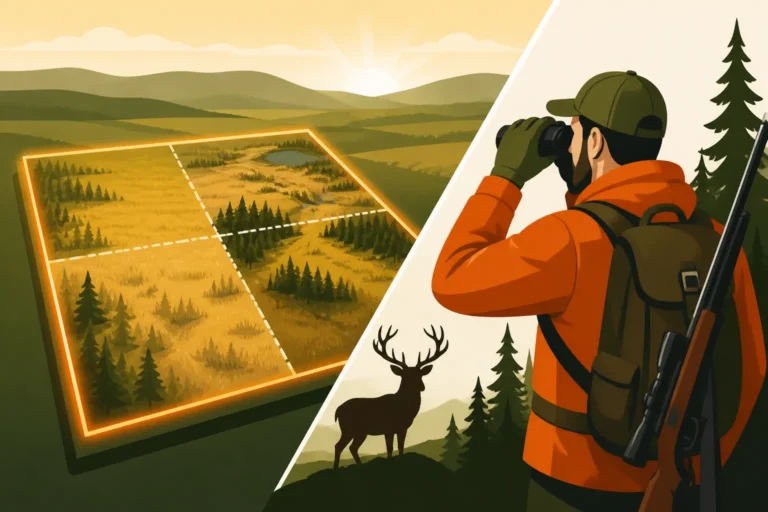
Bear hunting, particularly over bait, is often a waiting game. Bears can be notoriously cautious, sometimes circling a bait site for hours before committing to come in. This is where your patience is truly tested. Arrive at your stand well before bears are typically active (often late afternoon for evening hunts, or pre-dawn for morning hunts), settle in quietly, and be prepared to sit still for extended periods. Minimize all movement, avoid unnecessary noise, and stay alert. Reading an Alberta WMU Map Before You Go can help you understand the landscape and potential bear travel routes, enhancing your situational awareness.
When a bear finally approaches, resist the urge to immediately raise your weapon. Observe the animal, confirm it's the bear you want to harvest (especially if you've identified a specific boar from trail camera photos), and wait for the perfect shot opportunity. For rifle hunters, a broadside shot aiming for the heart-lung area is ideal. For archers, a slight quartering-away shot can maximize the chances of hitting both lungs. Bears have heavy bones and thick hides, so proper shot placement is critical for a quick, ethical kill. Practice shooting from an elevated position if you're using a treestand, ensuring you're comfortable and accurate at the distances your bait is set. Follow up on every shot, even if you think you missed, as bears can travel a surprising distance with a well-placed hit.
Disclaimer
Please note that hunting regulations, seasons, and licensing requirements can change. This guide is for informational purposes only and does not constitute legal advice. Always consult the official Alberta hunting regulations and relevant provincial and federal laws before planning any hunting trip. Ensure you have all necessary licenses, permits, and understand the specific rules for the Wildlife Management Unit you intend to hunt. Safety should always be your top priority.