Hunting a Quarter Section You Just Got
There's nothing quite like the excitement, and let's be honest, the slight trepidation, of gaining access to a brand-new piece of hunting property. You've just secured that elusive quarter section – maybe it’s a friendly landowner, a new purchase, or a long-awaited lease – and now the real work, and fun, begins. But where do you even start on 160 acres that could hold anything from prime whitetails to elusive moose? This guide is all about helping you unpack that fresh piece of Alberta ground, understand its potential, and develop a solid hunting strategy to make the most of your new opportunity.
First Steps: Getting to Know Your New Hunting Ground
So, you’ve got the green light on that quarter section. Fantastic! Before you even think about setting up a stand or rattling antlers, the very first step is to become intimately familiar with every inch of that property. This isn't just a casual stroll; it's a methodical reconnaissance mission that blends modern mapping with old-school boots-on-the-ground detective work. Think of yourself as a detective, piecing together clues about the local wildlife and how they interact with their environment.
Initial Reconnaissance and Map Study
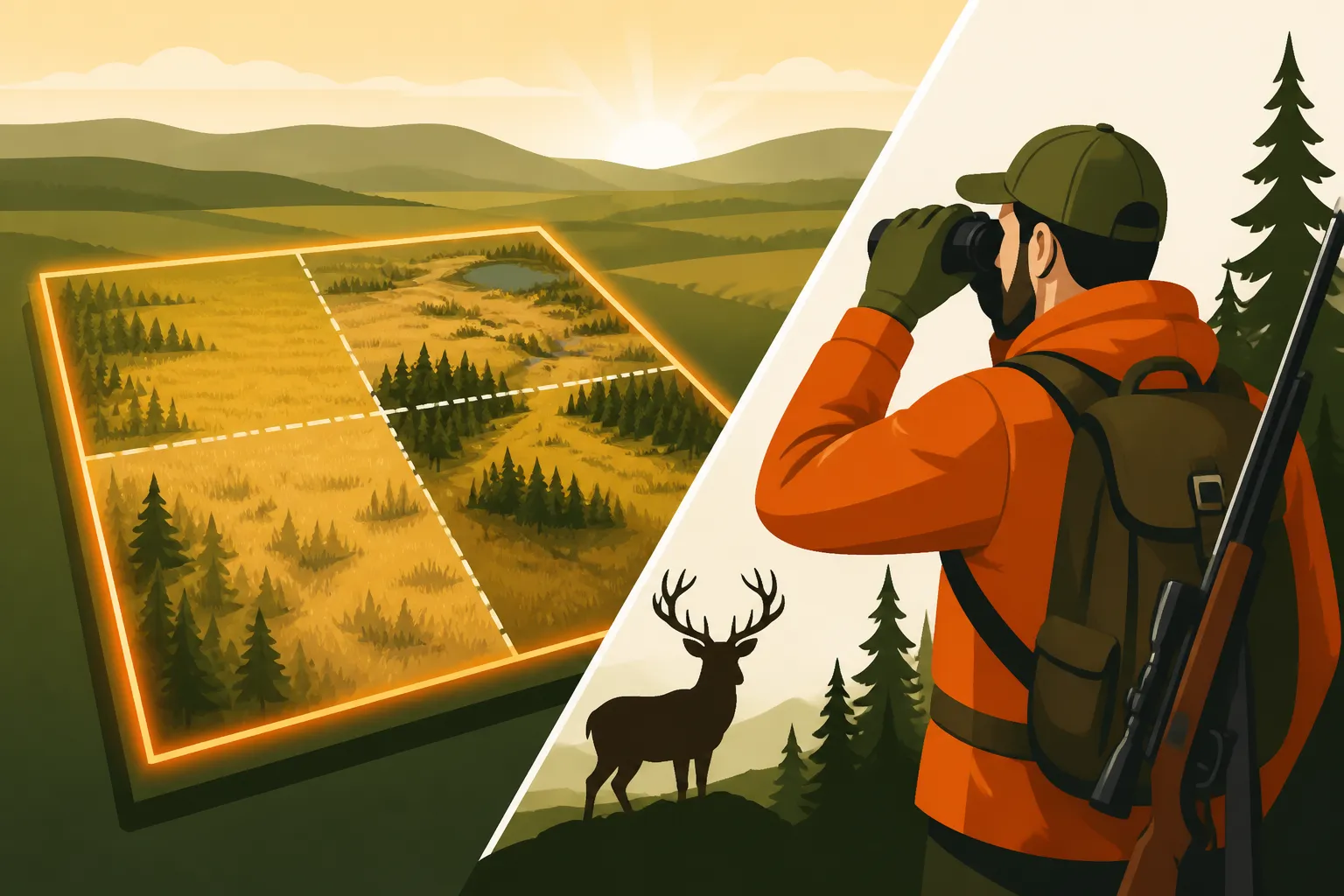
Your initial reconnaissance should always begin long before you set foot on the property. We live in an incredible era of technology that puts detailed maps and satellite imagery right at our fingertips. Start by pulling up your new quarter section on a mapping application. Platforms like GoHunt, or other similar apps, offer invaluable tools to overlay property boundaries, topographic contours, and various land classifications. This digital scouting phase is critical for getting a bird's-eye view and identifying potential hotspots.
Look for terrain features that stand out: natural funnels, pinch points, creek bottoms, distinct elevation changes, and areas of dense cover versus open fields. Are there any visible water sources like sloughs, ponds, or even just low-lying wet areas that might hold moisture throughout the season? These are often natural attractants for game. Pay close attention to how the quarter section connects to adjacent properties. Is there a large block of Crown Land nearby? How do the travel corridors extend beyond your boundaries? Understanding these larger landscape connections, even if you can’t hunt them, will tell you a lot about how game might enter and exit your land. Check out our guide on Reading an Alberta WMU Map Before You Go for more mapping tips.
Identifying Key Habitat Features
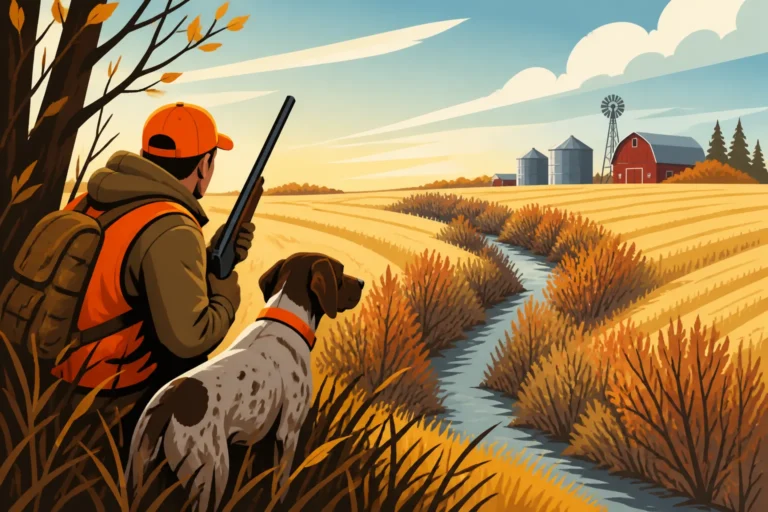
Every quarter section, no matter how small, will have a mosaic of different habitat types, and understanding these is paramount. A quarter section might include a mix of agricultural fields (wheat, barley, canola, standing corn), aspen bluffs, willow runs, dense conifers, or even some low-lying muskeg. Each of these habitats serves a different purpose for various game animals. Aspen bluffs often provide excellent bedding cover for whitetails, while the edges of a standing canola field at dusk can be a magnet for deer feeding.
Willow runs, especially those bordering water, can be travel corridors and offer browse. Dense timber pockets provide thermal cover during harsh Alberta winters and security during hunting pressure. Identify these distinct zones on your map, and then try to anticipate how a deer, moose, or even an elk might use them throughout the day or across different seasons. For instance, a small island of timber in the middle of a field might be a midday bedding area, while a winding willow-lined creek could be a highway between food and security. Knowing how to identify and interpret these micro-habitats will unlock the quarter section's true potential.
Walking the Land: Boots on the Ground
Once you've poured over the maps and satellite imagery, it's time for the most important step: putting boots on the ground. There's simply no substitute for walking every inch of that quarter section. Ideally, do this before hunting season opens, when game is less pressured and you can scout thoroughly without fear of disturbing a hunt. Start by meticulously walking the entire perimeter to verify your boundaries – this is crucial for avoiding trespass issues and understanding how your property lines intersect with neighbors.
As you walk, look for fresh sign: tracks, rubs, scrapes, droppings, and well-worn game trails. Pay attention to their direction and intensity. Are deer coming in from a larger bush block to the north and heading towards a particular field? Is there a subtle trail leading to a hidden water source? Follow these trails to see where they lead. Identify potential bedding areas within thick cover and observe how they relate to feeding areas and water. Note any natural funnels or obstacles that might concentrate game movement. If you find a promising area, spend time just sitting and observing, listening to the sounds of the bush, and letting the landscape tell you its story. Our post on Reading Whitetail Sign in Alberta Aspen Bluffs offers great insights into what to look for.
Crafting Your Hunting Strategy for Limited Acreage
Now that you've got a good handle on the lay of the land, it's time to translate that knowledge into a tactical hunting strategy. Hunting a quarter section often means dealing with limited space, which requires a more precise and often stealthier approach. Every move you make, every stand you hang, needs to be deliberate.
Understanding Game Movement Patterns
The key to successfully hunting a smaller property is to decipher the local game's daily and seasonal routines. Even on a quarter section, animals will have distinct patterns of movement between bedding, feeding, and watering areas. For whitetails, this might mean moving from a dense aspen bluff where they bed during the day, out to an alfalfa field to feed in the evening, and then perhaps to a small slough for water. Understanding these routes is vital.
Consider the time of day: animals will use different parts of the property at dawn, midday, and dusk. Early morning might see them lingering in fields, while midday will push them into heavy cover. The wind is always a critical factor in Alberta; how does it typically blow across your quarter section, and how does that affect game travel or your approach? Observe how animals might use contour lines or thickets to move undetected. Pay special attention to bottleneck areas where game is forced into a narrower path, such as where two treelines converge or a low-lying ditch crosses an open field. This knowledge will guide your stand placement and hunting times.
Selecting Stand and Blind Locations
Choosing the right stand or blind location is paramount on a smaller property. You don't have the luxury of endless options, so each spot needs to be high-percentage. Start by looking for areas that offer a convergence of game activity. A "t-intersection" of trails, a field edge connecting to dense cover, or a natural pinch point created by terrain or vegetation are all prime candidates. When Hanging a Stand on an Alberta Bush Edge, consider not just where you expect the animal to be, but also your approach and exit routes. You want to be able to get in and out undetected.
Wind direction is non-negotiable. Always position your stand downwind of where you expect game to appear. This might mean having multiple stand locations for different wind scenarios, or even choosing a mobile approach with ground blinds or saddle hunting. Look for natural cover to break up your silhouette, whether it's a thick spruce tree for a treestand or tall cattails for a ground blind. Think about shooting lanes and backstops, ensuring ethical shots. Don't be afraid to clear small lanes to improve visibility, but do so minimally to avoid alerting game. For example, a well-placed stand overlooking a Hunting a Cutline Intersection for Whitetails can be incredibly effective if the wind is right.
Optimizing for Different Seasons and Species
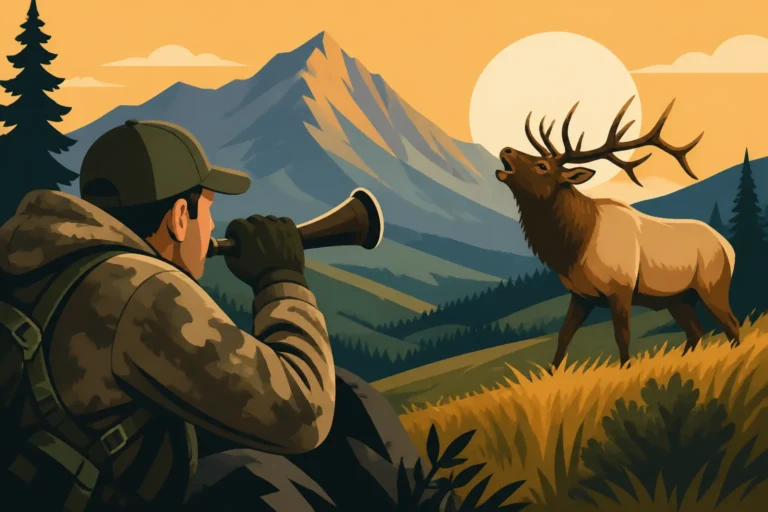
Your hunting strategy will naturally shift throughout the season and depending on the species you're targeting. Early archery seasons might focus on food sources, as deer and elk are still in summer patterns, often in velvet. Later in the season, during the whitetail rut in early November, your strategy will pivot to travel corridors and bedding areas as bucks are actively cruising for does. Calling strategies, like rattling or grunting, become more effective.
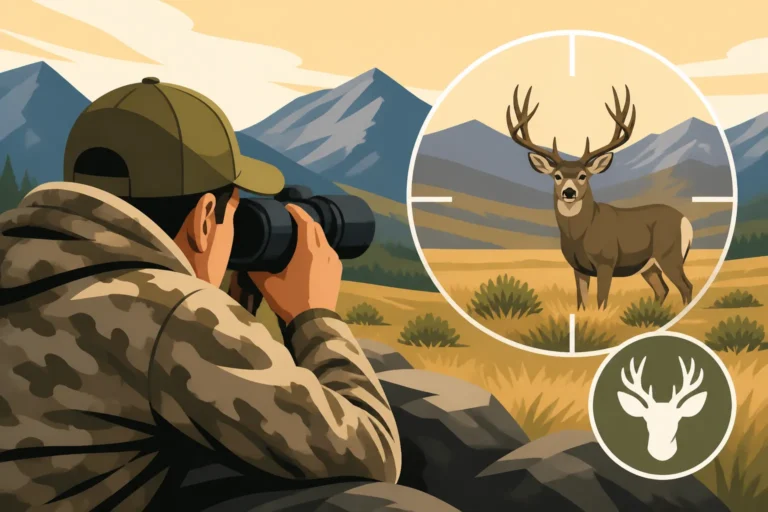
If you're targeting mule deer, your focus might be more on open coulees and breaks if your quarter section has that topography, utilizing spot-and-stalk tactics. For moose, you might concentrate on denser boreal edges or areas near water sources, particularly during the rut when calling can be effective. Consider how different crops on your quarter section influence animal behavior; a standing pea field in early September will attract different animals at different times than a swathed barley field in late October. Adapting your approach to the specific timing and species you’re after is crucial for maximizing your chances.
Making the Most of Your Small Property: Advanced Tactics & Ethics
Hunting a smaller property like a quarter section means you need to be particularly strategic about how you manage pressure, how you interact with the land, and how you foster the relationship with the landowner. This isn't just about bagging an animal; it's about being a responsible steward and securing future hunting opportunities.
Pressure Management on Limited Acreage
One of the biggest challenges on a small property is managing human pressure. Every time you walk in, hang a stand, or sit for a hunt, you're leaving scent and creating disturbance. Too much pressure can quickly turn a productive quarter section into a ghost town. The key is to be as low-impact as possible. Use mapping apps like GoHunt to plan your ingress and egress routes, making sure they minimize disturbing bedding areas or core travel corridors. Approach from downwind and try to use natural cover to conceal your movement.
Consider hunting from the edges of the property, or only entering deeper sections when conditions are absolutely perfect (e.g., strong winds masking your scent and sound). Sometimes, the best strategy is to let the property rest, especially after a successful hunt or if you notice game has gone nocturnal. Over-hunting a quarter section will educate the animals quickly, making them incredibly difficult to hunt. Vary your stand locations and approach routes to keep game guessing. You can even consider designated "no-go" areas within the quarter section that act as untouched sanctuaries for animals.
Utilizing Diverse Cover and Food Sources
Even a seemingly uniform quarter section often has subtle variations in cover and food that can be exploited. Look for those small, overlooked patches of native grasses, a thick patch of wild saskatoons, or a secluded cluster of poplars that might offer prime bedding. These "micro-habitats" can hold animals, especially if they feel pressured on larger, more obvious features. If your quarter section has any water source, even a small, stagnant slough, it can become a crucial attraction during dry periods.
If the landowner is open to it, you might even consider enhancing habitat on a small scale. This could involve planting a small food plot (check with the landowner first!), creating brush piles for cover, or even clearing small lanes to direct game movement towards a specific ambush point. These minor improvements, done thoughtfully, can significantly increase the quarter section's ability to hold game year-round. Remember, every little bit of diversity helps.
Maximizing Hunting Time and Opportunity
With limited ground, you need to make the most of every hunting opportunity. This means being prepared, patient, and persistent. If you're hunting an early morning stand, be there well before legal light, quietly settled in. If it's an evening hunt, stay until well after dark, allowing the woods to settle before you exit. Don't pack up prematurely. On a small property, that crucial movement could happen at the last minute.
Consider all-day sits, especially during the rut. Often, the middle of the day can be surprisingly productive as bucks cruise for does. Utilize rattling and calling techniques, adjusting their volume based on the open or dense nature of your specific quarter section. Rattling Volume in Open Parkland will be different from rattling in a thick bush. Carry quality optics like binoculars to constantly scan for movement, as animals might appear unexpectedly close. And always, always be ready. A mature buck might only offer a small window of opportunity on a smaller parcel of land.
A Word on Respect and Future Access
Gaining access to private land in Alberta is a privilege, not a right. The relationship you build with the landowner is arguably more important than any stand placement or calling strategy. A good relationship ensures continued access and paints all hunters in a positive light.
Respecting Boundaries and Neighbors
One of the quickest ways to lose access is to disrespect property boundaries or neighboring landowners. Before you ever hunt, clearly define your quarter section's boundaries. Use your GPS with property overlays (like those found on GoHunt) to ensure you are always within the agreed-upon lines. Accidentally crossing onto a neighbor's property, even briefly, can create a serious issue. Always be aware of where you are, and where your shots are directed.
Introduce yourself to any immediate neighbors if the landowner is comfortable with it. Let them know you’ll be hunting the property, and provide your contact information. This can prevent misunderstandings and build goodwill. If a neighbor has livestock, be extra vigilant about gate closures and not disturbing their animals. Remember, the Alberta Landowner Permission Law is clear: you must have permission to hunt private land, and respecting that permission means respecting everyone involved.
Minimizing Impact and Practicing Conservation
Be a responsible hunter and practice "Leave No Trace" principles. Pack out everything you pack in – and then some. Pick up any trash you find. If you field dress an animal on the property, do so responsibly and away from obvious travel routes or water sources. Ensure you properly dispose of gut piles, ideally in a discreet location where scavengers can clean it up without attracting unwanted attention near residences. Take good care of your harvested game, especially with Meat Care in Alberta's Cold and Warm Swings, to prevent spoilage and waste.
This commitment to ethical hunting extends to conservation. Adhere strictly to all Alberta hunting regulations, limits, and season dates. Be sure to report your harvest as required. A quarter section might not be a vast wilderness, but it's still part of a larger ecosystem. Your actions as a hunter directly reflect on the broader hunting community and can influence public perception of our sport. Being a good conservationist ensures a future for hunting on both private and public lands.
Building a Long-Term Relationship with the Landowner
Treat the landowner and their property with the utmost respect. This is their livelihood, their home, and their sanctuary. Always communicate openly and honestly. Let them know when you plan to be on the property, and give them a heads-up if you’re successful. Offer to help with chores if they need a hand – fixing a fence, moving hay, or just chatting over coffee can go a long way.
Never take your access for granted. A small gift at the end of the season, a portion of the meat, or even just a sincere thank you can solidify the relationship for years to come. Remember, they are doing you a huge favor. By being a courteous, responsible, and helpful hunter, you not only ensure your continued access to this quarter section but also potentially open doors to other opportunities and foster a positive image for all hunters in the community.
Game Sign Interpretation Table
| Sign Type | What it Looks Like | What it Indicates | Best Time to Find It |
|---|---|---|---|
| Tracks | Imprints of hooves/paws in soft ground, mud, or snow | Animal presence, species, size, direction of travel | After rain, fresh snow |
| Scrapes | Bare patch of ground, often under a low-hanging branch | Deer communication, often active during the rut | Pre-rut and rut (Oct-Nov) |
| Rubs | Bark rubbed off saplings or small trees | Buck presence, marking territory, removing velvet | Early season to rut |
| Droppings | Fecal pellets, size/shape varies by species | Animal presence, recent feeding, health of animal | Anytime, especially fresh |
| Game Trails | Worn paths through vegetation, mud, or dust | Frequent travel routes between key areas (food, bed, water) | All year, most visible in dense cover |
| Beds | Depressions in tall grass or leaves, often in cover | Resting areas for deer, often near escape routes | After animal has left |
| Browsing | Clipped twigs, bitten leaves on plants | Recent feeding, species (deer, moose, elk) | All year |
Disclaimer
Please be aware that hunting regulations, seasons, and access rules in Alberta can change. Always consult the most current Alberta Hunting Regulations Guide published by the provincial government before planning any hunting activity. This article is for informational purposes only and should not be considered a substitute for official regulations. Ensure you have all necessary licenses, permits, and landowner permissions.