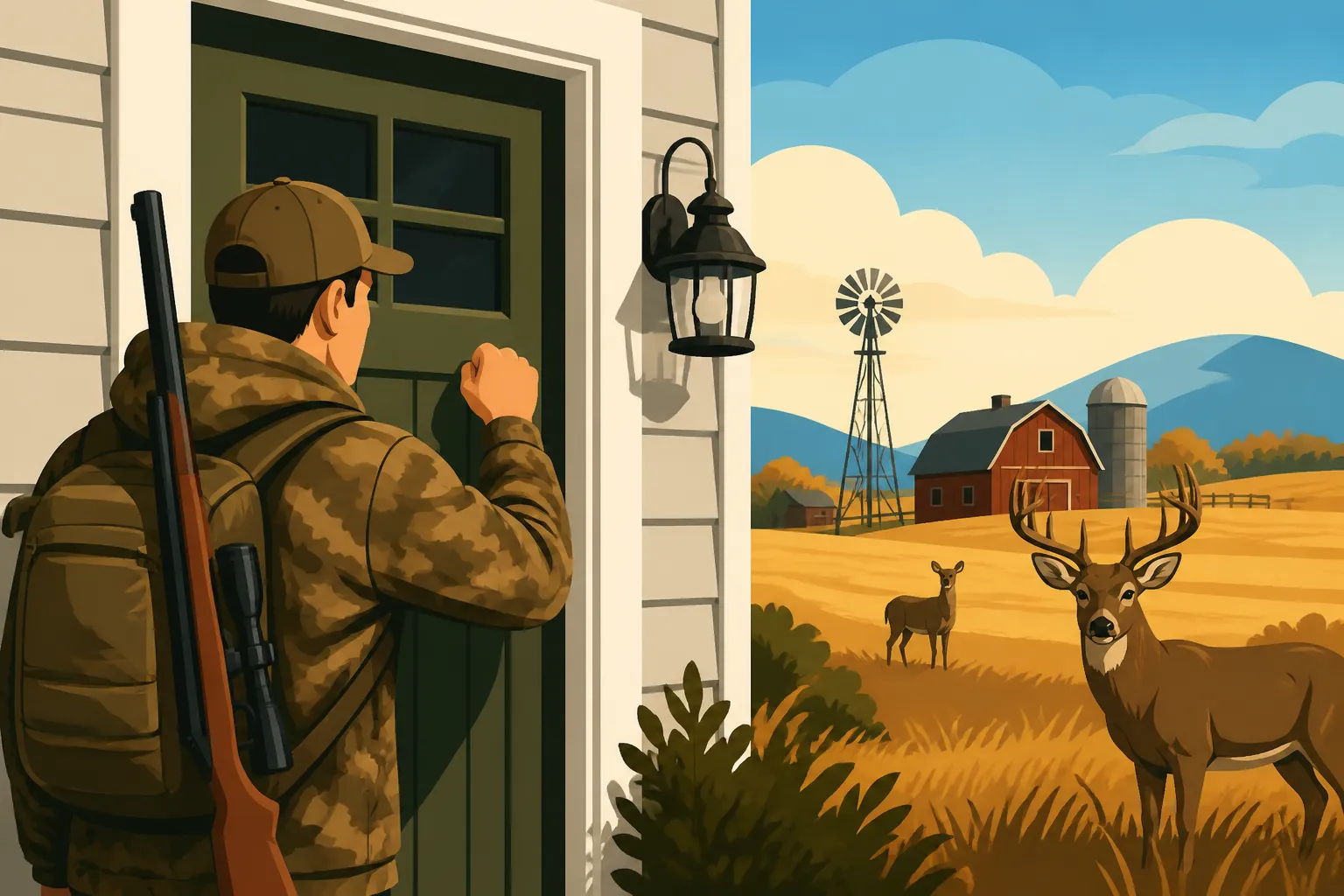
Knocking on Doors in Alberta Farm Country
One of the biggest hurdles for many hunters in Alberta, myself included, isn't necessarily finding the game or knowing how to hunt it, but simply finding a place to go. With so much prime habitat sitting on private land, it can feel incredibly daunting to secure access, leaving many of us frustrated and feeling like we're constantly hitting brick walls. This guide is all about tackling that challenge head-on, giving you the practical steps and confidence to approach landowners and, hopefully, unlock some incredible hunting opportunities in Alberta's farm country.
The Challenge of Private Land Access in Alberta
Let's be honest, the thought of knocking on a stranger's door to ask for permission to hunt can make even the most seasoned hunter feel a little queasy. It’s an intimidating prospect, and many of us just default to hunting publicly accessible Crown land because it feels "easier." But easy doesn't always mean best, especially when you consider the quality of hunting found on private agricultural lands.
Understanding Alberta's Landownership Landscape
Alberta is a fascinating mix of landscapes, and with that comes a varied mosaic of landownership. We've got vast tracts of Crown land, especially in the Green Area to the north and west, which offer incredible backcountry experiences for those willing to put in the effort. Then there are the Provincial Grazing Reserves, which are publicly owned but often managed under specific rules for grazing, meaning you might need to Asking a Grazing Leaseholder for Access before venturing out. But in between all that, especially across the White Area and the rich agricultural belt, lies a tremendous amount of private deeded land.
This private land, often meticulously managed for crops or livestock, frequently boasts incredible habitat for deer, moose, elk, and especially waterfowl and upland birds. Think about it: abundant food sources in fields of wheat, barley, canola, and corn, coupled with shelter in willow runs, aspen bluffs, and brushy coulees. It's a recipe for holding a lot of game. The frustration for hunters often stems from knowing this game is there, but feeling locked out. Without understanding Alberta's Landowner Permission Law, many just drive by, seeing "No Hunting" signs as an impenetrable barrier.
The "No Trespassing" Mentality and Its Roots
You've seen them, I've seen them – those ubiquitous "No Hunting," "No Trespassing," or even "Private Property" signs that seem to pop up everywhere. It can feel like a direct message to hunters that we're not welcome, and it can be disheartening. However, it's crucial to understand that these signs often aren't an indictment of you personally, but a reflection of past experiences or legitimate concerns held by landowners.
Many farmers and ranchers have dealt with disrespectful hunters in the past – gates left open, fences cut, garbage left behind, crops or livestock damaged, or even shots fired too close to buildings. These negative encounters create a protective instinct. There's also the very real concern about liability; landowners worry about hunters getting hurt on their property. So, while it feels like a personal slight, often it's a blanket measure to prevent problems. Validating this perspective is key before you even consider approaching a landowner. Your job is to demonstrate that you are not that kind of hunter and that you understand and respect their concerns.
Preparing for Your Door-Knocking Mission
Before you even think about putting on your boots and driving down a grid road, you need to do your homework. A well-planned approach significantly increases your chances of success. This isn't just about showing up; it's about showing up prepared and respectful.
Researching the Right Properties
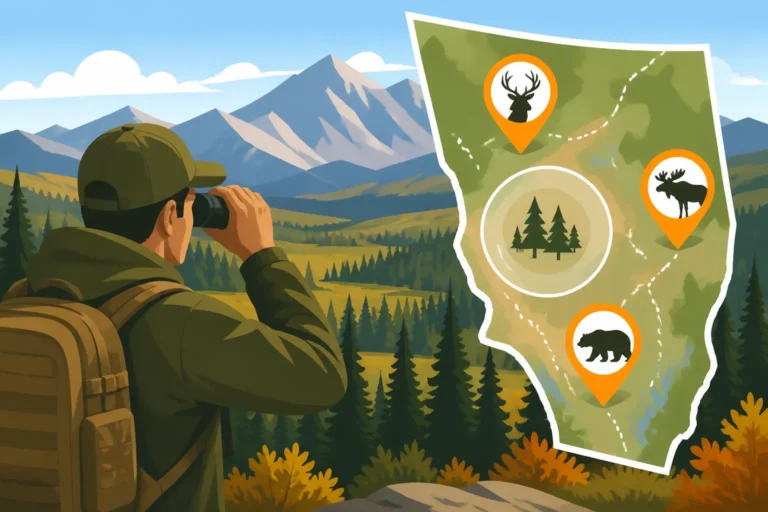
The days of just randomly picking a farmhouse and hoping for the best are largely over. Modern tools can give you a significant advantage. Start by identifying the general areas you want to hunt, perhaps based on recent scouting reports, or where you've seen game sign from the road. Once you have a target area, dive into property mapping tools. Websites and apps like GoHunt's property owner features (or similar platforms such as onX Hunt) are invaluable. They allow you to overlay land ownership data onto satellite imagery, letting you pinpoint specific quarter sections, identify who owns them, and sometimes even find contact information. This is critical for knowing who to talk to and avoiding knocking on a tenant's door when you need the owner's permission.
When Scouting With Satellite Imagery in Alberta, look for key features that hold game: willow draws, stands of aspen, uncultivated areas, sloughs, shelterbelts, or even isolated timber pockets. If you're hoping for waterfowl, identifying fields adjacent to wetlands or rivers where birds might be feeding is a smart move. For deer, look for that transition zone where thick cover meets prime food sources. Understanding the specific habitat on a property will allow you to articulate why you're interested in that particular piece of land, showing the landowner you've done your homework. For example, you might be hoping to hunt a specific Hunting a Farmyard Shelterbelt at Dusk or a Hunting a Swathed Grain Field at Dusk for geese.
What to Bring and How to Present Yourself
First impressions are everything, and this isn't the time to look like you just rolled out of bed after a week in the bush. Your attire should be clean, casual, and respectful – think a nice shirt, clean jeans, and shoes. Definitely avoid full camo unless you're specifically going out for a hunt after you've secured permission. You want to look like a responsible citizen, not someone ready to disappear into the woods unnoticed.
Here’s a checklist of things to have with you:
- Yourself, cleaned up: As mentioned, dress respectfully.
- A smile and a friendly demeanor: Positive attitude goes a long way.
- Your Alberta WIN Card and Wildlife Certificate: These show you're a legitimate, licensed hunter who has completed Alberta Hunter Education and Conservation Course.
- Your current hunting licenses: Even if you don't have a specific tag for their land yet, it proves you're a current hunter.
- A well-marked map of their property: Use your GoHunt or other mapping app to highlight the specific areas you're interested in. This demonstrates clarity and respect for boundaries.
- A "leave-behind": This could be a simple business card with your name, phone number, and a brief note about what you're looking to hunt. It gives them something to remember you by and discuss after you've left.
- References (if available): If you've hunted other private land and have a good relationship with those landowners, offering them as references can build trust.
- Patience and a thick skin: You will get "no"s. It's part of the game.
The Art of the Conversation: What to Say and How to Listen
Walking up to a door, taking a deep breath, and knocking is just the start. What happens next, the actual conversation, is where the real work begins. This is your chance to build rapport and trust.
Making a Good First Impression
Timing is crucial. Avoid knocking during typical meal times (noon, dinner) or early in the morning when farmers are often out working fields. Mid-morning or late afternoon on a weekday, or a quiet Sunday afternoon, might be best. If you see them actively working in a field, it's generally best to wait or come back later, as interrupting their work can be frustrating for them.
When someone answers, start with a warm, polite greeting. Introduce yourself clearly and state your purpose upfront, but gently. "Hi, my name is [Your Name], and I'm a local hunter. I was admiring your property and was wondering if you might consider allowing me to hunt [specific game, e.g., deer] on your land this season?" Keep it concise and respectful of their time. Don't launch into a long story immediately; let them guide the conversation. Be prepared for a quick "no thank you" or an invitation to elaborate.
Key Points to Discuss with Landowners
If they seem open to conversation, this is your opportunity to address their potential concerns and showcase your responsibility.
- Be Specific About What You Want to Hunt: Don't just say "hunt." Say, "I'm primarily interested in Whitetail Hunting in Alberta and noticed some great cover in your aspen bluffs." Or, "I've been looking for a place to get some Field Hunting Geese in Alberta Stubble this fall." This shows you're not just looking for a free-for-all.
- Offer Value: Can you help them? Many landowners deal with problem coyotes or gophers. Offer to help with Coyote Hunting Alberta Farm Country or other pest control. If they're open to it, offer to share some of the game meat, especially if it's a large animal like a moose or elk.
- Discuss Access and Boundaries: Ask about their rules regarding vehicles. "Would I be able to drive my truck on the access roads, or would you prefer I park at the main yard and walk in?" Clarify boundaries. "I'm only interested in hunting this quarter section here, away from your buildings. Is that acceptable?" This is where your detailed map comes in handy.
- Address Safety Concerns: Reassure them you're a safe hunter. Mention you're familiar with Alberta Blaze Orange and Safety Rules and will always be aware of their livestock, buildings, and any personnel.
- Listen More Than You Talk: Pay close attention to their responses and concerns. If they express worries about gates, reassure them you'll always close them. If they mention livestock, promise to give them a wide berth. Show that you respect their property as if it were your own.
Building Trust and Maintaining the Relationship
Getting permission once is fantastic, but the real goal is to build a long-term relationship. This is where many hunters drop the ball.
- Follow Through on Every Promise: If you say you'll only hunt a certain area, do it. If you say you'll call before you come out, do it. If you offer to help, follow up. Your integrity is your most valuable asset.
- Check In After the Hunt: Whether you harvest an animal or not, a quick call or text after you've hunted is a great courtesy. "Just wanted to let you know I was out on the back quarter today, saw a few does but no bucks. Thanks again for the access!" If you're successful, definitely share the news and, if offered, some meat.
- Offer Ongoing Assistance: Beyond hunting season, consider offering help with spring branding, fence mending, or other chores. A little goodwill goes a long way.
- Respect Their Privacy: Don't assume that because you have permission, you can bring friends without asking. Always ask first.
- Explicit Permission: Always ensure you have clear, explicit permission, understanding the exact boundaries and conditions. This could be verbal, but for more sensitive areas or if the landowner is hesitant, you might offer to sign a simple written agreement outlining the terms.
Navigating Common Scenarios and Setbacks
Not every door knock will end in success, and that's perfectly normal. How you handle these situations speaks volumes about your character.
When You Get a "No" (and why it's okay)
It’s going to happen. You’ll hear "no." It might be a polite "no thank you," or a more abrupt "not interested." Don't take it personally. Remember, the "no trespassing" mentality is often rooted in past negative experiences or simply the landowner's comfort level. Politely thank them for their time, leave your "leave-behind" card just in case they change their mind or know someone else who might be willing, and move on.
Sometimes, a "no" today isn't a "no" forever. Circumstances change. They might have had a bad year with hunters, or they're just busy. By being respectful and understanding even in rejection, you leave a positive impression that might pay off down the road if you try again next season, or if they hear positive things about you from a neighbour. You can also discreetly ask if they know of any other landowners in the area who might be more open to granting permission.
Limited Access or Specific Conditions
Often, a "yes" will come with conditions, and you absolutely need to respect them. A landowner might say, "You can hunt the far north quarter, but stay out of the hayfield," or "No quads allowed, only walk-in access." These are not unreasonable requests. Embrace them! Hunting under specific conditions shows you're willing to work within their comfort zone, and it builds trust.
Make sure you clarify these conditions. If they're allowing you to hunt Hunting Alberta's Aspen Parkland Bluffs but want you to avoid the cattle pasture, ensure you know exactly where that pasture begins and ends. Consider marking these boundaries on your own map or GoHunt app for clarity. If the permission is for a specific species, like for hunting Alberta's grain fields for geese, don't try to sneak in a deer hunt on the side. Adhering strictly to these rules demonstrates your trustworthiness and increases the likelihood of future permissions, perhaps even expanded ones.
Dealing with Unoccupied Homes or Absent Landowners
It's common to find no one home, especially in rural areas where people are often out working. If this happens, don't just leave. If there's a mailbox, consider leaving a polite, handwritten note with your contact information and a brief explanation of why you stopped by. Something like: "Hello, my name is [Your Name], and I'm a respectful hunter interested in asking permission to hunt deer on your property. I stopped by today, but you weren't home. My number is [Your Number] if you'd be open to a conversation. Thanks, and sorry to have missed you."
If you used a mapping app like GoHunt, you might already have a mailing address or even a phone number for the landowner if they live elsewhere. A phone call is often less intrusive than showing up unannounced. If you get a voicemail, leave a similar concise, polite message. Patience is key here. It might take several attempts or different methods to connect with the right person. Remember, Finding Access on Alberta Crown Land is one thing, but gaining access to prime private land is often a marathon, not a sprint.
Door-Knocking Etiquette: Do's and Don'ts
| DO'S | DON'TS |
|---|---|
| Dress respectfully (no camo). | Show up unannounced in full hunting gear. |
| Introduce yourself and state your purpose. | Demand access or act entitled. |
| Be specific about what you want to hunt. | Ask to "hunt anything." |
| Have your licenses and WIN card ready. | Forget your credentials. |
| Bring a map of their property. | Rely solely on verbal directions. |
| Offer to help with problem animals/chores. | Just ask for access without offering anything. |
| Listen more than you talk. | Interrupt or argue. |
| Respect any "no" gracefully. | Argue or become defensive if denied. |
| Follow all rules and boundaries explicitly. | Overstep boundaries or break promises. |
| Follow up after your hunt. | Disappear until next season. |
| Leave a "leave-behind" with contact info. | Leave a messy note or nothing at all. |
Disclaimer
The information provided in this article is for general guidance only and does not constitute legal advice. Hunting regulations and land access rules in Alberta can change frequently. Always consult the most current Alberta Hunting Regulations and relevant provincial legislation before planning any hunting trip or seeking land access. It is the hunter's responsibility to understand and comply with all applicable laws and regulations, including obtaining explicit permission from landowners for private land access.