Rattling Volume in Open Parkland
Trying to rattle in those wide-open stretches of Alberta parkland can feel like you're shouting into a hurricane, or worse, playing a tiny kazoo in an empty concert hall. It’s a completely different ballgame than the thick, dense timber often associated with successful rattling. The challenges of limited cover, vast sightlines, and unpredictable winds mean traditional rattling advice often falls flat. This guide aims to equip you with the specific strategies and nuanced approach needed to effectively use rattling calls to attract whitetails in the unique environment of Alberta's open parkland.
Understanding the Parkland Environment and Its Challenges
Alberta's parkland is a beautiful, diverse landscape, but it presents some unique hurdles for a hunter looking to rattle in a buck. It's not just about clashing antlers; it's about understanding how sound travels, where deer feel safe, and how to stay hidden.
The Nature of Parkland Terrain
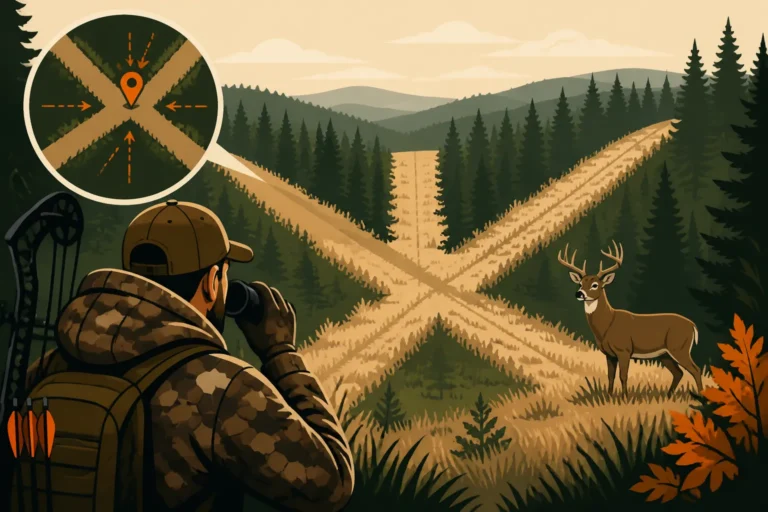
Imagine a mosaic: scattered groves of aspen bluffs, dense willow runs along creek bottoms, and vast expanses of open fields—whether it’s hay, stubble, or even standing crops like canola. This mix is what defines the parkland. For deer, these bluffs and willow thickets are crucial bedding and travel cover. For hunters, they offer the only real places for concealment. The problem is, these pockets of cover are often isolated, making it easy for deer to spot you approaching or for them to hang up far out in the open, watching and listening without committing. Sound, when you rattle, can carry a long way across those open fields, which might seem like an advantage. But it also means deer have ample time and space to pinpoint your location, circle downwind, and often, slip away unnoticed if you haven't set up perfectly. When you're Hunting Alberta's Aspen Parkland Bluffs, you quickly learn that visual detection is as big a factor as audibility.
Wind as a Major Factor
In open parkland, wind isn't just a nuisance; it's arguably the single most critical factor in successful rattling. The lack of tall, dense timber means the wind often sweeps across the landscape with little to break its force. This has a dual effect on your rattling. First, it can carry your rattling sounds much further than in still air, but it can also dissipate them, making them sound less realistic or more distant. Second, and most importantly, wind is the primary carrier of your scent. A buck approaching from downwind in open country has every advantage. He can smell you long before he sees you, and with fewer obstacles, he has a clear path to circle and verify his suspicions. Many hunters have experienced the frustration of seeing a buck suddenly bolt, realizing too late that a shift in the breeze betrayed their position. Understanding Wind in Open Prairie Country is non-negotiable for success.
Deer Density and Pressure
Alberta's parkland often boasts healthy whitetail populations, especially during the rut. However, these areas are also often more accessible and therefore experience higher hunting pressure. This pressure makes deer warier, less likely to respond to aggressive calls, and more prone to hanging up at a distance. Bucks in high-pressure areas become incredibly cautious. They're not just listening for the sound of fighting bucks; they're also listening for human presence, sniffing the air constantly, and using every available piece of cover to approach with extreme stealth. An improperly executed rattling sequence in a high-pressure zone might not just fail to attract a buck, it could educate him further, making him even harder to fool next time.
Adapting Rattling Techniques for Open Country
Given the unique challenges of Alberta's parkland, a "one size fits all" rattling approach just won't cut it. You need to be adaptable and strategic.
Volume and Cadence Adjustments
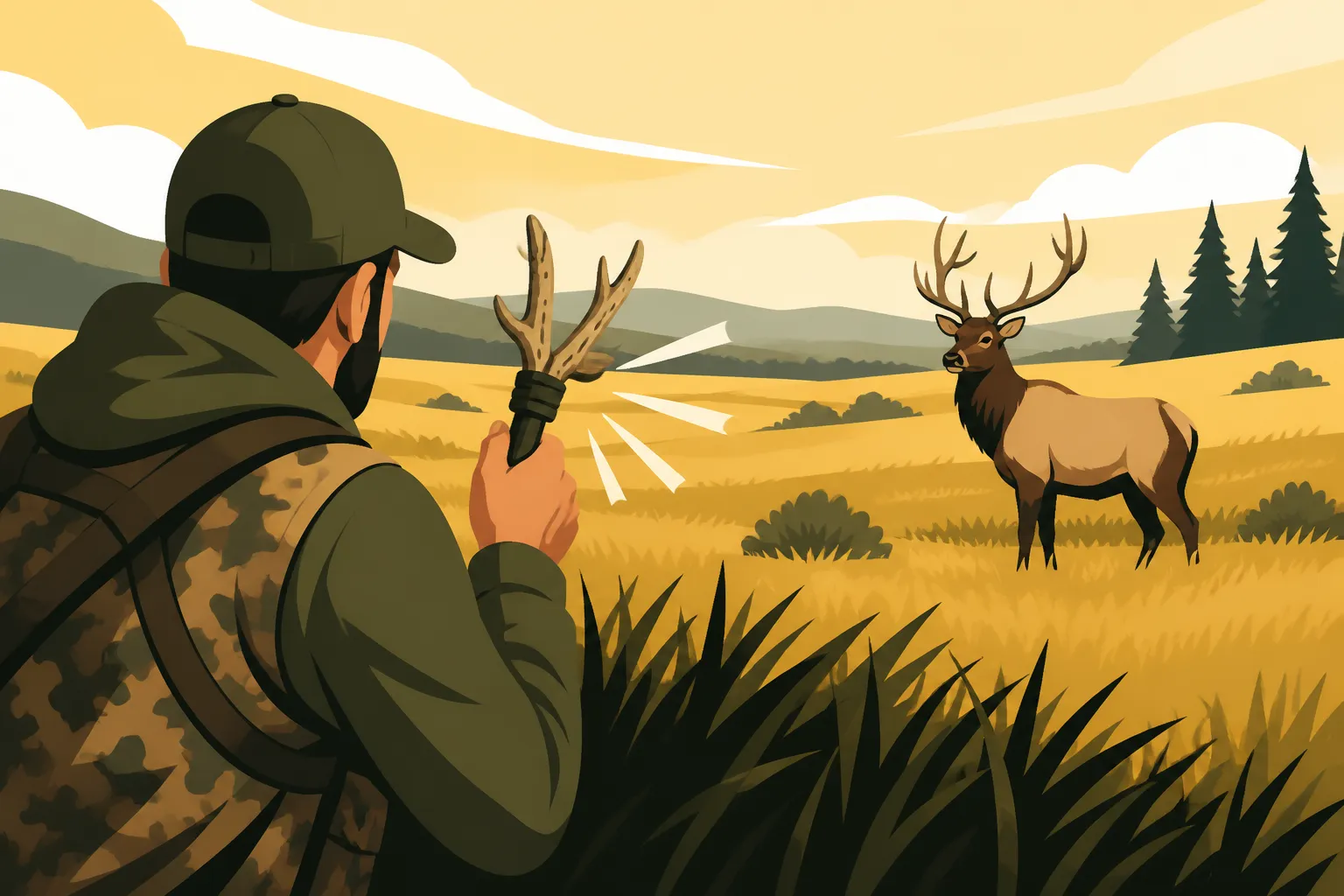
This is where the "volume" in "Rattling Volume in Open Parkland" truly comes into play. In open country, your rattling sequence often needs to be louder and more aggressive initially to carry across the distances and through any wind. Think about projecting the sound. Instead of subtle tickling of antlers, you might need to clash them together with more force to create a sound that travels. Start with a relatively loud, aggressive sequence—mimicking two dominant bucks really going at it. This acts as an initial attention-getter.
However, don't just bash away endlessly. After that initial burst, vary your cadence. Follow up with softer clashing, grinding, and tines scraping. This imitates the natural ebb and flow of a real fight, suggesting that the "combatants" are still engaged but perhaps momentarily locked up or pushing each other around. A good sequence might be:
- Loud, aggressive clash (30-45 seconds): Hard hits, thrashing, snorts, grunts.
- Pause (1-2 minutes): Listen intently, scan all around.
- Softer, less intense sequence (30 seconds): Light clashing, grinding, pushing.
- Pause (1-2 minutes): Again, listen and scan.
- Repeat or adjust: Based on conditions and any response.
The key is to adjust based on the wind. On calm days, you might reduce initial volume slightly to avoid sounding unnatural. On windy days, you'll need that louder initial burst to ensure the sound reaches out. Always remember that bucks may take their time to approach, often circling downwind. Varying your intensity makes your setup sound more believable over a longer duration. Don't be afraid to add Grunt Calls Late in Alberta's Rut to your sequence, as these add another layer of realism that can convince a wary buck.
Strategic Setup and Concealment
Concealment is paramount in open parkland. You can't rely on thick timber to swallow your silhouette. Every bit of cover counts. When choosing a rattling location, look for:
- Edge of an aspen bluff: This provides a solid backdrop, breaking up your outline, and gives you a vantage point to see into the open.
- Thick willow or brushy draw: These can be excellent for both concealment and funnelling deer.
- The lee side of a rise or knoll: Even a small rise can offer enough break in the terrain to hide your approach and set up.
- Natural obstacles: Consider using a large bale, a pile of rocks, or even a combine if you're on a field edge and have permission.
Your setup needs to provide a shooting lane in the direction you expect deer to approach, but also offer a good view of the downwind side, as bucks will almost invariably try to circle there. Consider bringing a small ground blind or a camouflage netting to further enhance your concealment. The ability to disappear into the landscape is crucial when those deer are often observing from hundreds of yards away. Scouting with tools like GoHunt can help identify these strategic spots before you even step foot in the field, allowing you to pinpoint those critical patches of cover that might go unnoticed otherwise. Before the season, take time to think about Scouting With Satellite Imagery in Alberta to pinpoint these natural hideouts.
Combining Calls with Rattling
Rattling antlers alone can be effective, but combining them with other deer vocalizations significantly increases your chances, especially in pressured, open country.
- Grunts: After a rattling sequence, a few short, aggressive grunts can simulate a buck standing his ground or chasing off an intruder. If a buck hangs up, grunts can sometimes be enough to coax him closer, making him think the fight is continuing or the victor is celebrating.
- Snort-wheeze: This is a highly aggressive challenge call. Use it sparingly and only after a strong rattling sequence. It tells other bucks, "I'm here, I'm dominant, and I'm ready to fight." In open country, where visual cues are lacking, this vocal challenge can be a powerful motivator.
- Doe bleats/fawn bawls: These are usually less about attracting a fighting buck and more about piquing curiosity or drawing in a doe that a buck might be tending. If you've been rattling and get no response, a few subtle doe bleats might get a non-dominant buck or an interested doe to investigate.
The key is to create a believable scenario. A lone buck just clashing antlers might not be as convincing as a buck clashing antlers, grunting aggressively, and perhaps even snort-wheezing. In the wide-open spaces, realism helps overcome the deer's natural wariness.
Reading Deer Behavior and Wind in Parkland Rattling
Successfully rattling in open country relies heavily on your ability to read the signs, especially when bucks are cautious and keeping their distance.
Interpreting Responses from a Distance
In dense timber, a buck often crashes in. In parkland, they typically approach slowly, cautiously, often stopping at a safe distance to observe the situation. They might skirt the edge of a bluff or pop up briefly in a dip in the field. This "hanging up" behavior is common.
- Head up, ears swiveling: This indicates a deer that heard you but is trying to pinpoint the sound and assess the threat. He's alert but not necessarily alarmed.
- Stomping a foot: This is a sign of an agitated deer, often trying to get you to reveal yourself. It's a precursor to blowing and running if you don't stay hidden.
- Circling downwind: This is almost guaranteed. If a buck starts to move laterally, assume he's trying to get your scent. This is your cue to either stay absolutely still or prepare for a shot if he presents one before getting into your wind.
When a buck hangs up, don't immediately rattle again. Give him time to process what he's heard. Sometimes a few soft grunts or a subtle doe bleat can convince him to take those last few critical steps. If he's still hesitant after a few minutes, a much softer, brief rattling sequence might entice him, suggesting the "fight" is still ongoing but winding down. Patience is truly a virtue here.
Playing the Wind
As mentioned, the wind is your master in open country. You must always set up where the wind is in your favor. This means either directly in your face (if the deer is approaching from that direction) or, more commonly, a crosswind that carries your scent away from the area you expect deer to come from.
- Pre-scouting wind direction: Before heading out, check the forecast. Ideally, hunt a location where the predominant wind allows you to approach covertly and set up with a favorable wind.
- Micro-thermals and swirling winds: In broken parkland, especially around creek bottoms or bluff edges, micro-thermals can cause the wind to swirl, particularly in the morning and evening. Be hyper-aware of this. Watch for changes in how leaves are blowing or use a small puff bottle to test the air frequently.
- The "rattling pocket": Try to position yourself so that your scent is carried away from the general direction you expect deer to come from, creating a "safe zone" or pocket where a buck can approach without immediately winding you.
If the wind shifts unfavorably during your rattling sequence, your best bet is usually to back out quietly and try a different location or wait for the wind to stabilize. Pushing it against the wind in open country is almost always a losing battle. This is particularly true when you are Hunting the Rut in Early November, as bucks are often preoccupied but still cautious.
Patience and Persistence
One of the biggest differences when rattling in open parkland compared to dense bush is the time commitment required. In thick cover, a buck might charge in within seconds or minutes. In open country, they might take 10, 20, or even 30 minutes to finally commit, if they commit at all.
- Longer sequences: Be prepared to stay on stand for longer periods after each rattling sequence. Deer have more ground to cover and more opportunities to observe from a distance.
- Multiple sequences: Don't give up after just one or two sequences. A series of rattling calls spread out over an hour or more can sometimes convince a hesitant buck that the action is real and worth investigating.
- The "circle of trust": Bucks will often circle widely to get downwind, sometimes well outside your effective shooting range. You need to remain still and patient during this entire process, anticipating their movement.
The open landscape demands a higher level of patience and persistence from the hunter. It's easy to get discouraged when you don't see immediate results, but remember that the deer have their own strategy for approaching an unknown sound in their territory.
Gear and Setup for Effective Parkland Rattling
Having the right tools and knowing how to deploy them can make a significant difference in your open parkland rattling success.
Choosing the Right Rattling Antlers/Bags
Your rattling tools need to project sound effectively in open air.
- Real antlers: If you use real antlers, choose ones with good mass and several tines. The larger and heavier they are, the more realistic and louder the sound they can generate, which is crucial for carrying across open spaces. Shed antlers from mature bucks are ideal.
- Synthetic rattling systems: Brands like rattling bags or synthetic antlers (e.g., RattleBag, Black Rack) are excellent alternatives. They are often easier to carry, less cumbersome, and can produce a wide range of sounds from subtle clicks to loud clashes. Some hunters prefer them for their ability to maintain sound quality even when wet. Experiment with a few different types to see which gives you the best combination of realism and volume. Ensure whatever you choose, it can mimic the sound of heavy bone-on-bone impact needed to project in the wide-open.
When you're trying to reach out to deer across a vast stubble field or attract them from a distant bluff, the ability of your chosen rattling device to cut through ambient noise and carry sound is paramount.
Optimal Stand Locations and Hide Setup
Choosing the absolute best spot to rattle from is often the difference between success and failure in parkland.
- Elevated positions: A tree stand on the edge of an aspen bluff overlooking a field or a draw can be deadly. It offers an elevated vantage point to spot approaching deer and allows your scent to dissipate higher, hopefully over the heads of approaching bucks.
- Ground blinds: If tree stands aren't feasible (common in many parkland areas with smaller trees), a well-placed pop-up ground blind offers excellent concealment. Position it with a solid backdrop (e.g., the edge of a dense bluff, a large bush) to break up its outline. Make sure you have shooting lanes in multiple directions, especially downwind.
- Natural terrain features: As mentioned earlier, even subtle dips, rises, or willow thickets can be used for concealment. The goal is to blend in completely. Think about how you'll approach the spot without being seen, and how you'll exit if needed.
Regardless of your setup, ensure you can remain motionless for extended periods. A fidgeting hunter will give themselves away quickly in open country. Consider the sun's position throughout the hunt; having the sun at your back can blind approaching deer, while having it in your face can make spotting them difficult.
| Rattling Scenario | Recommended Volume | Cadence/Strategy | Expected Deer Behavior |
|---|---|---|---|
| Calm Day, Open Field | Medium to Loud | Aggressive initial burst, then soft, realistic | Cautious, may hang up far out, circle widely. |
| Windy Day, Open Field | Very Loud, Forceful | Sustained aggressive sequences, use grunts | May not hear you well; if they do, will be very cautious. |
| Thick Cover Edge | Medium to Soft | Varied, subtle, then aggressive | Might come in faster, still circle downwind. |
| High Pressure Area | Medium, realistic | Longer pauses, subtle grunts, very patient | Extremely wary, often hang up, require great patience. |
| Early Rut | Medium, probing | Intermittent, curiosity-piquing | Bucks still establishing hierarchy, curious. |
| Peak Rut | Loud, aggressive | Frequent, challenging, long sequences | More prone to respond, but still cautious. |
Glassing Thoroughly Before and After Calls
In open country, your optics are as important as your rattling antlers.
- Before calling: Use your binoculars or a spotting scope to thoroughly scan the area you plan to rattle. Look for any deer already present, especially bucks, that might be resting in cover or feeding in the open. You don't want to alert a buck you could have stalked or spook deer already in the vicinity. Tools like those reviewed by GoHunt can provide crucial insights into quality optics for long-range glassing.
- After calling: As soon as you finish a rattling sequence and are still, immediately begin glassing. Don't focus just on the area directly in front of you. Scan 360 degrees, paying close attention to distant treelines, field edges, and any dips or rises in the terrain. Bucks will often appear silently, sometimes just their head popping up, or they'll be moving along a distant treeline, trying to get a better vantage point. You might see a buck hundreds of yards away, observing you, long before he commits to approaching.
Good quality binoculars (e.g., 10×42 or 12×50) are essential. Take your time. Don't rush your glassing. Many a buck has been seen by a patient hunter who meticulously picked apart the landscape after a rattling sequence. Remember that Alberta's whitetail season has specific dates, so always double-check the Alberta Whitetail General Season Dates to ensure you're hunting legally.
Disclaimer
Hunting is an inherently dangerous activity. Always prioritize safety, follow all local and provincial regulations, and obtain appropriate licenses and permissions. The advice provided here is for informational purposes only and does not guarantee success or safety. Conditions and animal behavior can vary widely. Always hunt responsibly and ethically.